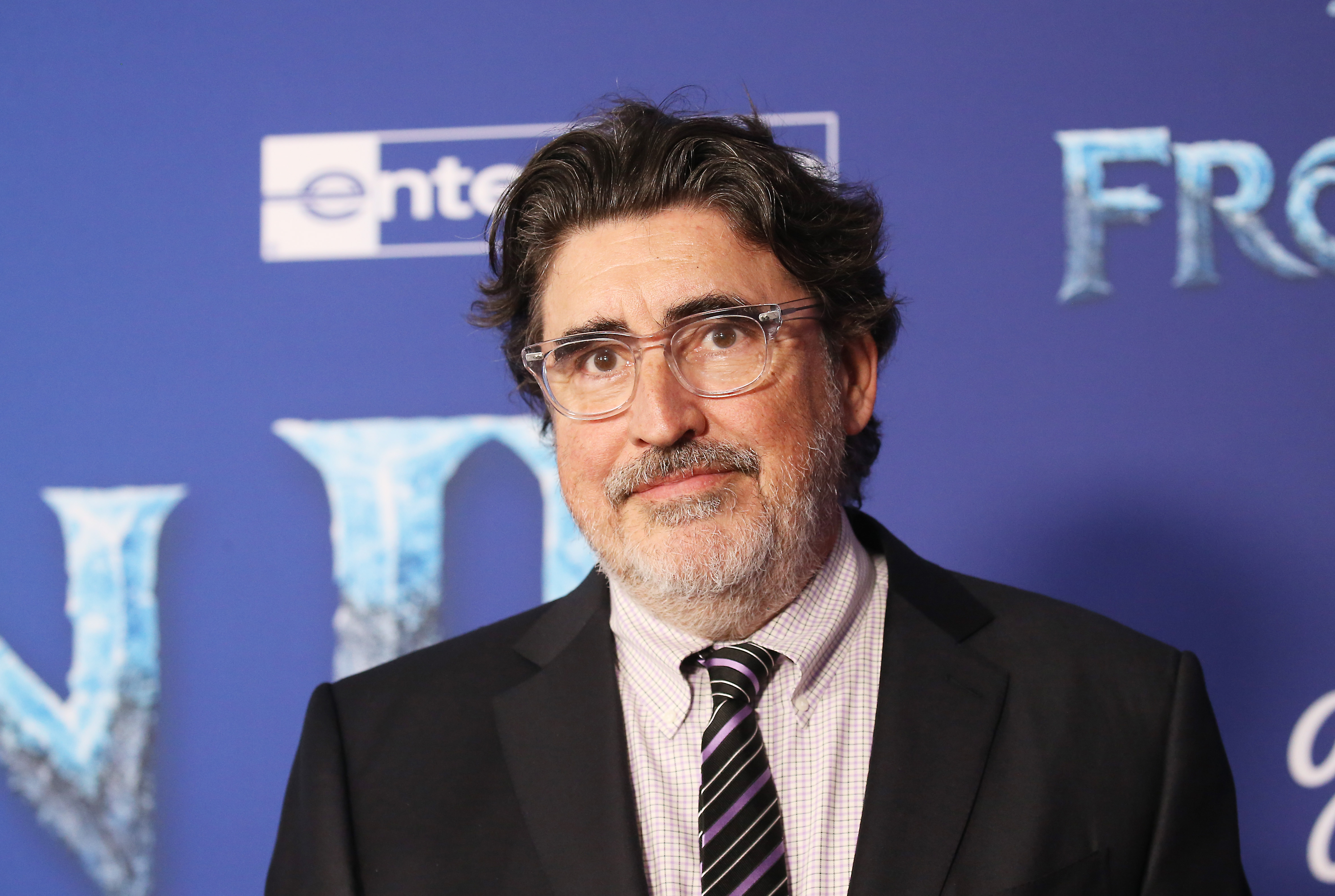
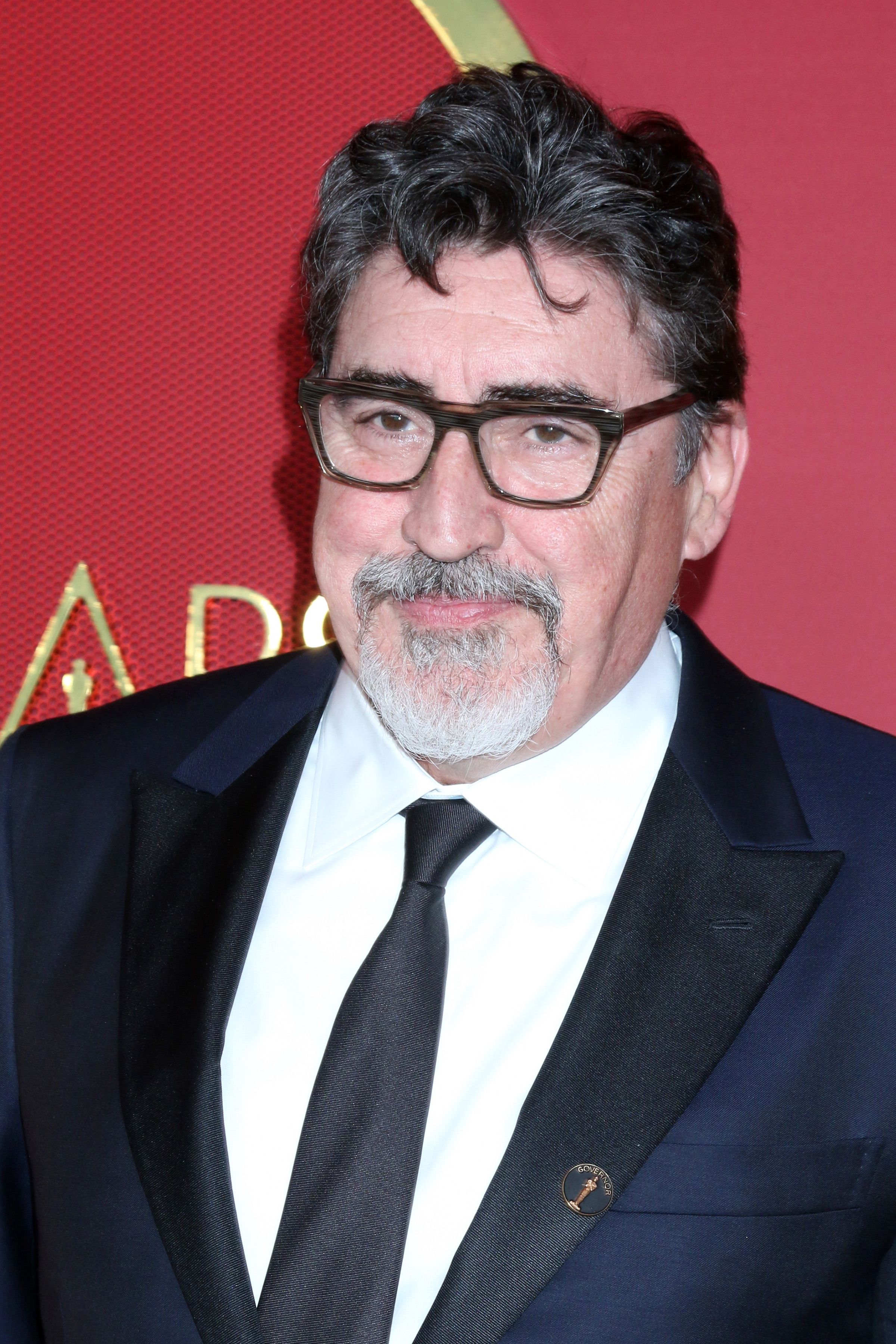
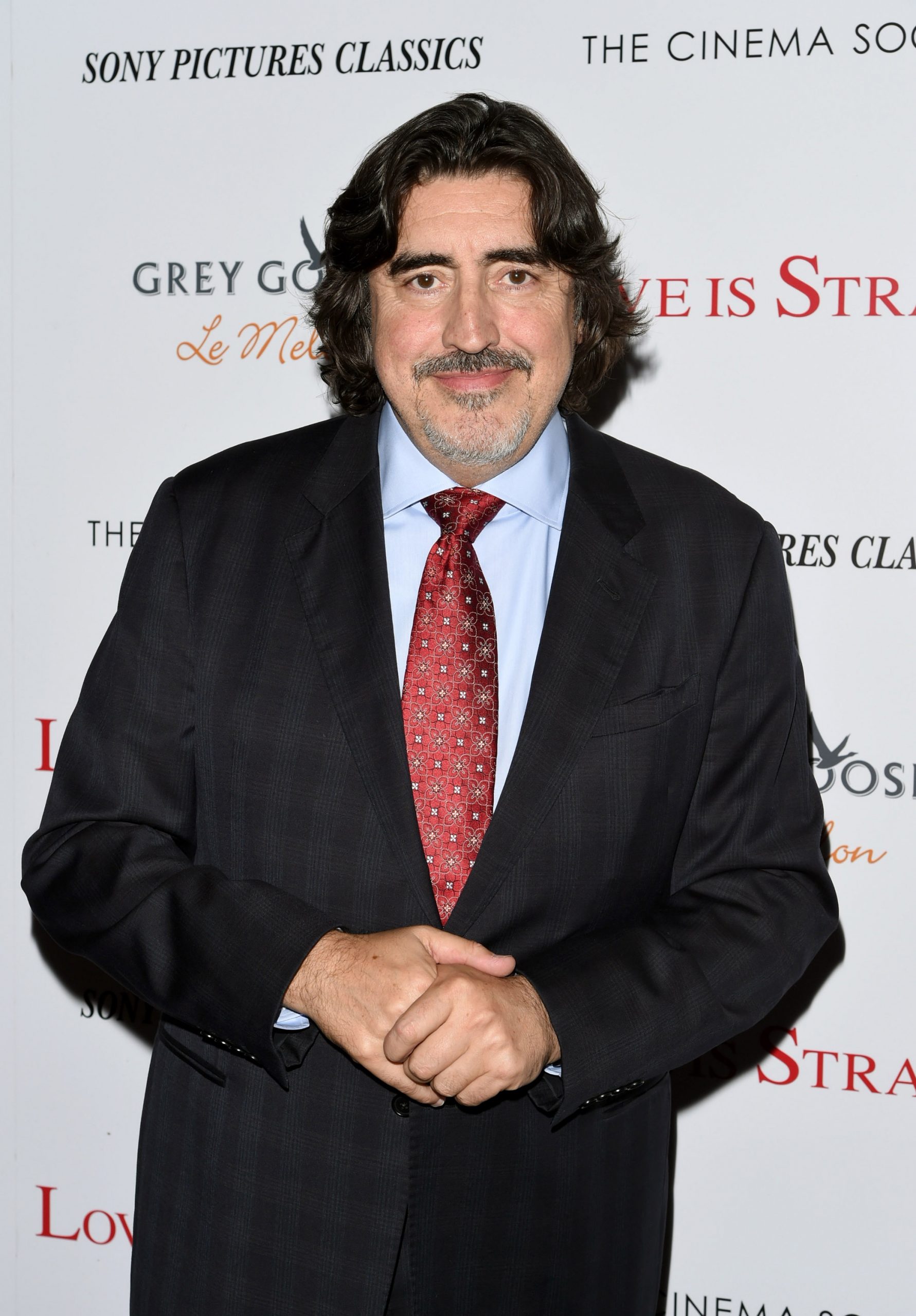
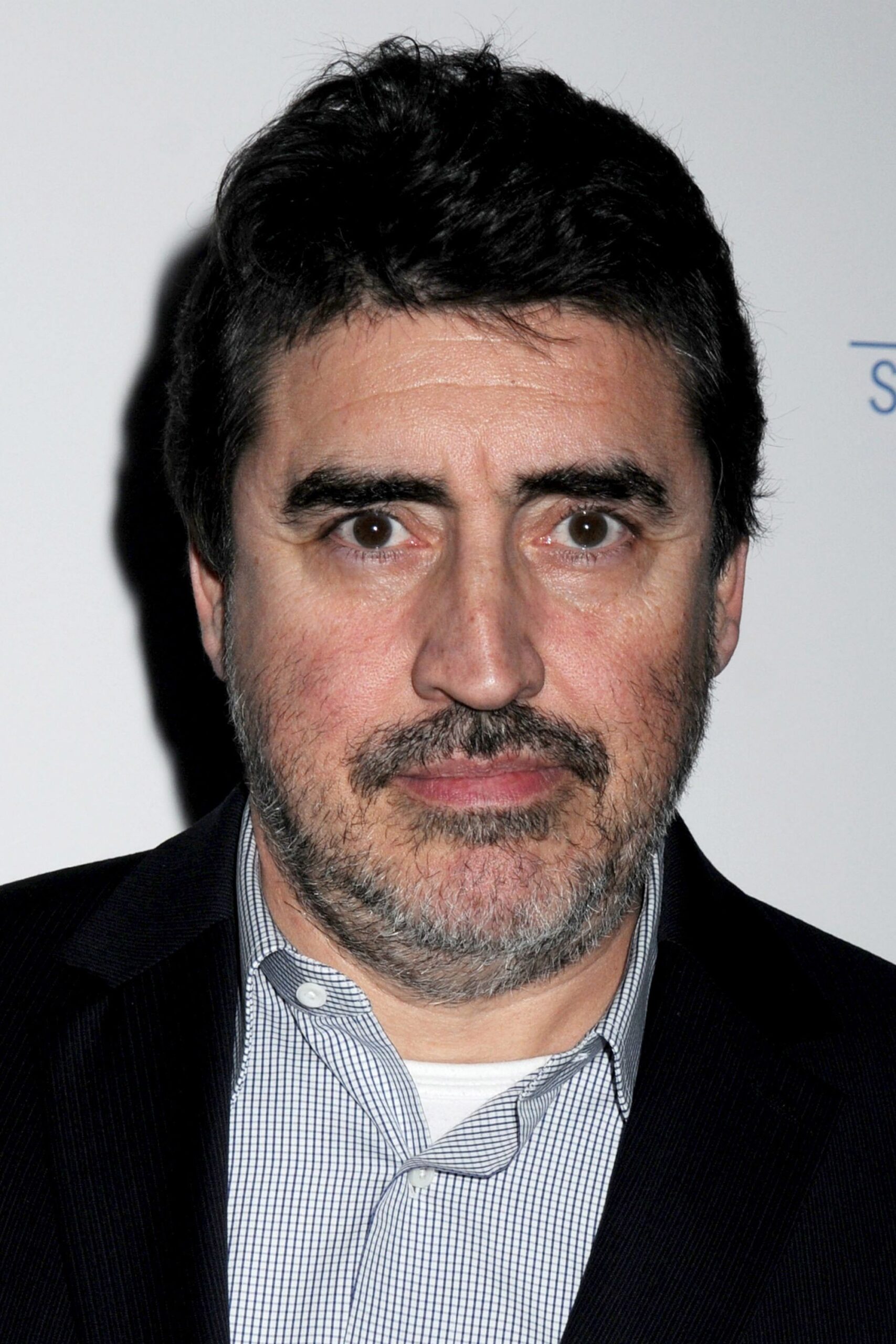
Alfred Molina is an acclaimed English actor whose prolific career spans over four decades across stage, television, and film, renowned for his remarkable range, classical training, and iconic portrayals of both complex villains and deeply sympathetic characters.
Early Life, Classical Training, and Stage Beginnings
Born Alfredo Armando Molina on May 24, 1953, in Paddington, London, to a Spanish father and an Italian mother, Alfred Molina developed an early passion for performance. Raised in a working-class immigrant household, he discovered acting during his school years and went on to train at the prestigious Guildhall School of Music and Drama. His early professional years were forged in the demanding crucible of the British regional theatre and the West End, where he honed his craft alongside prominent classical ensembles, including the Royal Shakespeare Company and the Royal National Theatre.
These formative theatrical foundations instilled in Molina a commanding stage presence and an agile grasp of dialect, physical characterization, and emotional depth. His transition from the stage to the screen was gradual, building a reputation as a dependable character actor before securing breakout roles. Whether performing in intimate fringe productions or massive open-air amphitheaters, Molina consistently demonstrated an ability to inhabit historically and psychologically complex roles, establishing a lifelong commitment to the theatrical arts that he would maintain alongside a high-profile Hollywood film career.
Breakthrough Roles and International Recognition
Molina’s transition to international cinema accelerated during the 1980s and 1990s, highlighted by a series of critically lauded performances that showcased his versatility. He made his feature film debut in an uncredited role in Raiders of the Lost Ark (1981) as Satipo, the ill-fated guide in the opening sequence who betrays Indiana Jones. However, it was his blistering performance as the sexually repressed, tragic lover in Stephen Frears’s Prick Up Your Ears (1987) that turned critical heads and established him as a serious dramatic force.
Throughout the 1990s, Molina deliberately avoided typecasting by moving seamlessly between high-budget blockbusters and independent European and American cinema. He appeared in Jim Jarmusch’s Dead Man (1995), Mira Nair’s The Perez Family (1995), and notably played the flamboyant, tragic Mexican painter Diego Rivera opposite Salma Hayek in Julie Taymor’s biographical drama Frida (2002). His portrayal of Rivera earned widespread critical acclaim, highlighting his ability to anchor emotionally turbulent narratives and project immense charisma on screen.
| Film Title | Year | Role | Notable Recognition or Impact |
|---|---|---|---|
| Raiders of the Lost Ark | 1981 | Satipo | Iconic cinematic debut establishing immediate audience recognition. |
| Prick Up Your Ears | 1987 | Kenneth Halliwell | Critical breakthrough showcasing dramatic range and psychological depth. |
| Frida | 2002 | Diego Rivera | Acclaimed biographical performance earning international praise. |
| Spider-Man 2 | 2004 | Dr. Otto Octavius / Doc Ock | Definitive comic-book villain portrayal blending menace and humanity. |
Iconic Cinematic Antagonists and Blockbuster Success
While Molina’s filmography is rich with prestige drama, he achieved global mainstream superstardom through his work in major studio blockbusters, particularly by redefining the modern cinematic villain. His defining mainstream role arrived when he was cast as Dr. Otto Octavius, the brilliant nuclear physicist turned tragic multi-tentacled villain Doctor Octopus, in Sam Raimi’s superhero sequel Spider-Man 2 (2004). Molina brought unexpected layers of empathy, gravitas, and classical theatricality to the role, elevating the comic book antagonist into one of the most memorable and beloved villains in superhero cinema history.
Molina’s ability to infuse menace with profound vulnerability ensured that his characters avoided one-dimensional caricature. He brought a similar gravity to the historical adventure genre as the scheming Spanish aristocrat Sheik Amar in Prince of Persia: The Sands of Time (2010), and to animated features through voice acting, notably lending his resonant, adaptable voice to Professor Henry Jones Jr.’s rival Satipo variants, animated shorts, and prominent roles in animated features such as Rango (2011) and Frozen II (2019) as King Agnarr. Nearly two decades after his initial outing as Doc Ock, Molina triumphantly reprised the role in the Marvel Cinematic Universe crossover Spider-Man: No Way Home (2021), proving the enduring cultural footprint of his blockbuster performances.
Distinguished Television Career and Diverse Character Work
Beyond film and theatre, Alfred Molina has maintained a prolific and highly respected presence on television across both British and American networks. His television credits span prestige miniseries, long-running procedural guest spots, and complex dramatic series. He earned critical acclaim for his portrayal of Robert Aldrich in the FX biographical drama miniseries Feud: Bette and Joan (2017), which chronicled the legendary Hollywood rivalry between Bette Davis and Joan Crawford. Molina’s nuanced performance captured the precarious balancing act of a veteran director navigating the volatile egos of studio-era icons.
His television versatility is further underscored by memorable roles in comedies and dramas alike, including playing the eccentric Bishop Leigh in The Da Vinci Code adaptation sphere, voicing various characters in acclaimed animated series, and starring in procedural dramas like Law & Order: Los Angeles (2010–2011) as Detective Ricardo Morales. By moving fluidly between guest appearances, recurring arcs, and leading television ensemble roles, Molina consistently demonstrated an uncommon adaptability that kept him in high demand across changing industry landscapes.
Return to the Stage and Broadway Accolades
Despite his extensive cinematic success, Molina has consistently returned to his theatrical roots, earning some of the highest accolades of his career on Broadway and the West End. His stage work is characterized by physical rigor, intellectual engagement, and a deep respect for dramatic text. In 1998, he made his Broadway debut in the acclaimed revival of Yasmina Reza’s hit play Art, earning a Tony Award nomination for Best Actor in a Play.
He returned to Broadway triumphantly in Fiddler on the Roof (2004) as Tevye, a performance that required immense physical and emotional stamina, earning him a second Tony Award nomination. His theatrical journey continued with acclaimed runs in plays such as Red alongside Eddie Redmayne, exploring the complex relationship between artist Mark Rothko and his assistant. Molina's enduring commitment to live performance highlights an actor who prioritizes artistic challenge and direct audience connection above commercial predictability.
Frequently Asked Questions
What is Alfred Molina's most famous role?
Alfred Molina is most widely recognized for two iconic roles: his portrayal of the tragic villain Doctor Octopus in Spider-Man 2 (2004) and Spider-Man: No Way Home (2021), and his critically acclaimed performance as Mexican artist Diego Rivera in the biographical film Frida (2002).
Has Alfred Molina won any major acting awards?
While Molina has not won an Academy Award, he has received numerous prestigious accolades and nominations. These include two Tony Award nominations for his Broadway performances in Art (1998) and Fiddler on the Roof (2004), as well as Primetime Emmy Award and Golden Globe Award nominations for his work in television productions like Feud: Bette and Joan (2017).
Is Alfred Molina of Spanish descent?
Yes, Alfred Molina was born in London to a Spanish father, Mateo Molina, who worked as a chauffeur and waiter, and an Italian mother, Giovanna Bonelli, who worked as a cleaner and cook. His multicultural upbringing contributed to his lifelong facility with accents and languages.
How did Alfred Molina prepare to play Doctor Octopus?
To prepare for Spider-Man 2, Molina worked closely with physical trainers and stunt coordinators to manage the complex interplay between his physical performance and the computer-generated mechanical tentacles. He focused on giving the character a classical, theatrical menace that balanced physical danger with genuine emotional vulnerability and tragic dignity.
Does Alfred Molina still perform in live theatre?
Yes, Molina maintains an active career in live theatre, frequently returning to stages in London and New York. His commitment to classical drama, contemporary plays, and Broadway productions remains a cornerstone of his professional identity alongside his film and television projects.
Sustaining a Multifaceted Acting Career
For individuals studying modern acting, film history, or theatrical performance, examining Alfred Molina's career offers valuable lessons in versatility, discipline, and professional longevity. Aspiring performers can look to his trajectory as a masterclass in avoiding typecasting, balancing commercial blockbuster success with uncompromising independent and theatrical work, and maintaining professional respect across multiple mediums over decades.