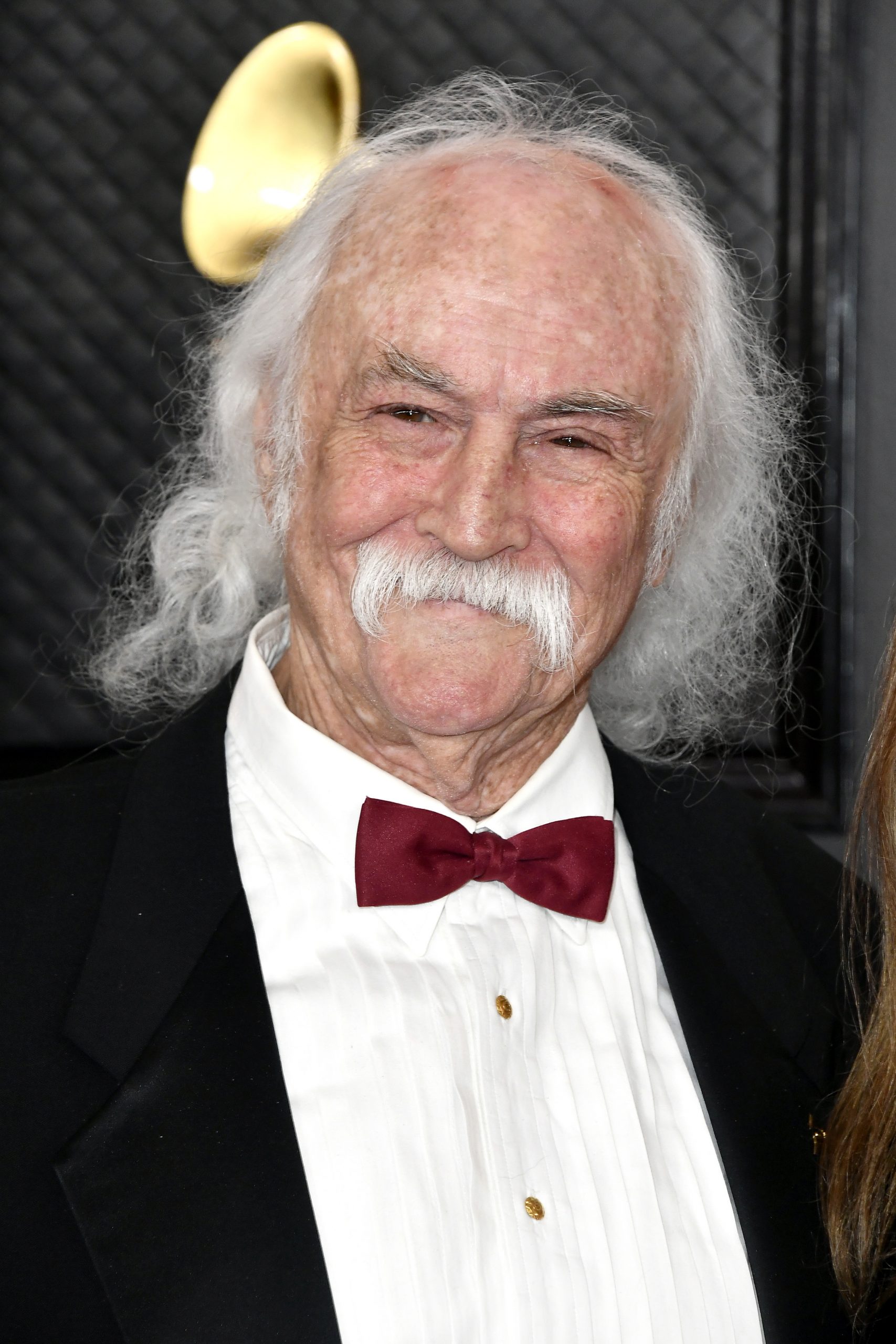
Alfred Crosby did not accumulate a massive personal fortune, as his professional life was dedicated to academia, researching, and writing foundational works in environmental history rather than pursuing commercial enterprises or corporate leadership. Because Crosby spent decades as a professor at the University of Texas at Austin and other institutions, his financial profile reflects a standard academic career built on salaries, book royalties, and retirement accounts rather than public celebrity wealth or corporate stock portfolios.
Understanding the financial reality of prominent academics requires looking past internet speculation and clickbait wealth estimation sites. When examining public figures who achieved renown through intellectual contributions rather than commercial entrepreneurship, public net worth estimates are frequently speculative or entirely fabricated. This examination explores the true nature of Alfred Crosby’s career earnings, his intellectual property legacy, and the factors that shape public curiosity surrounding the financial standing of historical scholars.
The Academic Career and Professional Earnings of Alfred Crosby
Alfred W. Crosby Jr. was born in 1931 and established himself as a towering figure in environmental history and geography. His primary professional vehicle was academia. He served on faculties at various institutions, most notably spending many years as a professor of American Studies, History, and Geography at the University of Texas at Austin until his retirement.
During the mid-to-late 20th century, professorial compensation at public research universities provided a stable, middle-to-upper-middle-class income rather than immense wealth. While senior endowed chairs and prolific professors earned respectable salaries, these figures were tied to public university pay scales. Academic earnings typically comprised baseline teaching salaries, modest stipends for administrative duties, occasional summer teaching pay, and modest lecture fees.
Furthermore, historical scholarship and academic publishing operate under an economic model distinct from commercial fiction or popular non-fiction. While textbooks or trade paperbacks can generate steady income, scholarly monographs and university press publications are written primarily for peer review, tenure advancement, and academic contribution rather than high-margin commercial returns. Consequently, Crosby's baseline working capital accumulated gradually over decades of public service and teaching.
Literary Contributions and Book Royalties
Crosby’s lasting fame rests on his groundbreaking books, most notably The Columbian Exchange: Biological and Cultural Consequences of 1492 (published in 1972) and Ecological Imperialism: The Biological Expansion of Europe, 900–1900 (published in 1986). These texts coined widely adopted historical concepts and reshaped how modern scholars understand the globalization of flora, fauna, and pathogens.
| Book Title | Original Publication Year | Primary Academic Impact | Publishing / Royalty Structure |
|---|---|---|---|
| The Columbian Exchange | 1972 | Coined the term and framework for trans-Atlantic ecological shifts. | Greenwood Press / Praeger; standard academic royalty rates. |
| Ecological Imperialism | 1986 | Explains European biological success in neo-European zones. | Cambridge University Press; steady backlist academic sales. |
| Germs, Seeds and Animals | 1994 | Expanded upon earlier theories of human environmental interaction. | M.E. Sharpe; specialized non-fiction distribution. |
Despite the immense intellectual value and global citation metrics of these works, academic and specialized non-fiction royalties rarely translate into vast personal fortunes. University presses and academic publishers generally pay authors modest percentage royalties on net receipts after production costs, and print runs for scholarly historical texts are measured in thousands rather than millions of copies.
While The Columbian Exchange and Ecological Imperialism became standard undergraduate reading across the globe, ensuring continuous backlist sales over decades, these sales provided a steady supplemental stream of income rather than windfall profits. The commercial success of macro-historical concepts often benefits publishers and later popularizers who adapt academic frameworks for mainstream trade audiences, leaving the original academic creators with standard scholarly compensation.
The Reality Behind Internet Net Worth Estimates
In contemporary digital media, automated websites frequently generate fabricated net worth profiles for thousands of historical figures, scientists, and academics. These pages use algorithmic templates to assign arbitrary dollar amounts—often ranging from one to ten million dollars—to deceased or retired intellectuals based on minimal web traffic data.
For scholars like Alfred Crosby, who passed away in 2018, these automated estimates lack any empirical foundation. There are no public financial disclosures, corporate board holdings, real estate portfolios, or probate inventories indicating multimillion-dollar estates. Crosby operated entirely outside the realms of venture capital, corporate entrepreneurship, public stock ownership, or high-fee commercial speaking circuits.
When evaluating the financial status of academic historians, researchers must rely on historical context, employment records, and the structural economics of higher education. Speculative figures published on celebrity wealth blogs should be dismissed entirely as unverified content designed to capture search engine traffic.
Academic Recognition, Awards, and Institutional Legacy
While Alfred Crosby's monetary net worth was modest compared to corporate executives or entertainment figures, his intellectual and professional capital was immense. He received numerous accolades throughout his lifetime, recognizing his foundational role in establishing environmental history as a legitimate and vital academic discipline.
His concepts influenced subsequent generations of thinkers, most notably inspiring popular science writers like Jared Diamond, whose commercial success with books like Guns, Germs, and Steel brought macro-environmental history into the mainstream bestseller lists. Although Crosby did not share in the massive commercial windfalls of authors who popularized his academic frameworks, his legacy endures within global scholarship.
Institutions and scholarly societies frequently honor his intellectual contributions through memorial lectures, symposia, and foundational reading lists in environmental studies departments worldwide. This intangible intellectual equity represents the true measure of Crosby's lifetime output, outlasting any temporary monetary valuation.
How Do Academic Estates Typically Structure Financial Legacies?
When examining the final financial standing of career academics, estates generally comprise standard assets acquired over a lifetime of prudent saving and public employment.
- State or Institutional Pensions: Long-tenured professors at public universities like the University of Texas participate in state teacher retirement systems or defined-benefit pension plans, ensuring financial security in retirement rather than lump-sum capital accumulations.
- TIAA-CREF and Retirement Accounts: Standard defined-contribution accounts invested in mutual funds, bonds, and equities through academic retirement administrators form the primary vehicle for generational wealth transfer among professors.
- Residential Real Estate: Long-term homeownership in university towns typically constitutes the largest physical asset in an academic estate, appreciating steadily over decades rather than volatile market speculation.
- Copyright and Intellectual Property Rights: Residual earnings from academic book contracts continue to flow to literary heirs or designated academic trusts, governed by standard publishing agreements lasting for the duration of copyright terms.
These structural components ensure stability and comfort for career educators, but they stand in stark contrast to the high-net-worth profiles associated with modern business leaders, technology founders, or commercial media personalities.
Frequently Asked Questions
What was Alfred Crosby's actual net worth?
There is no verified public record or financial disclosure detailing Alfred Crosby’s exact net worth at the time of his passing in 2018. Based on his career as a university professor and academic author, his financial profile reflected standard academic earnings, modest book royalties, and retirement savings rather than celebrity-level wealth.
Why do some websites list Alfred Crosby as a millionaire?
Many automated websites generate speculative net worth figures for historical figures and academics using algorithmic guesses to attract search engine traffic. These unverified estimates have no basis in public financial records, probate filings, or empirical data.
Did Alfred Crosby make a lot of money from his books?
Crosby authored highly influential works like The Columbian Exchange and Ecological Imperialism, but they were published primarily through academic and university presses. While these books generated steady backlist sales and academic royalties for decades, scholarly publishing operates on modest margins compared to commercial trade publishing.
How did Alfred Crosby influence modern popular history?
Crosby pioneered the study of environmental history, introducing frameworks that explained how biological agents, flora, and fauna shaped human history. His concepts directly influenced subsequent bestselling authors, such as Jared Diamond, who brought macro-environmental historical analysis to mainstream commercial audiences.
What fields of study did Alfred Crosby impact most?
Crosby made his primary contributions to environmental history, historical geography, and American studies. He helped establish environmental history as an independent, rigorous academic discipline by demonstrating how non-human biological factors alter geopolitical outcomes.