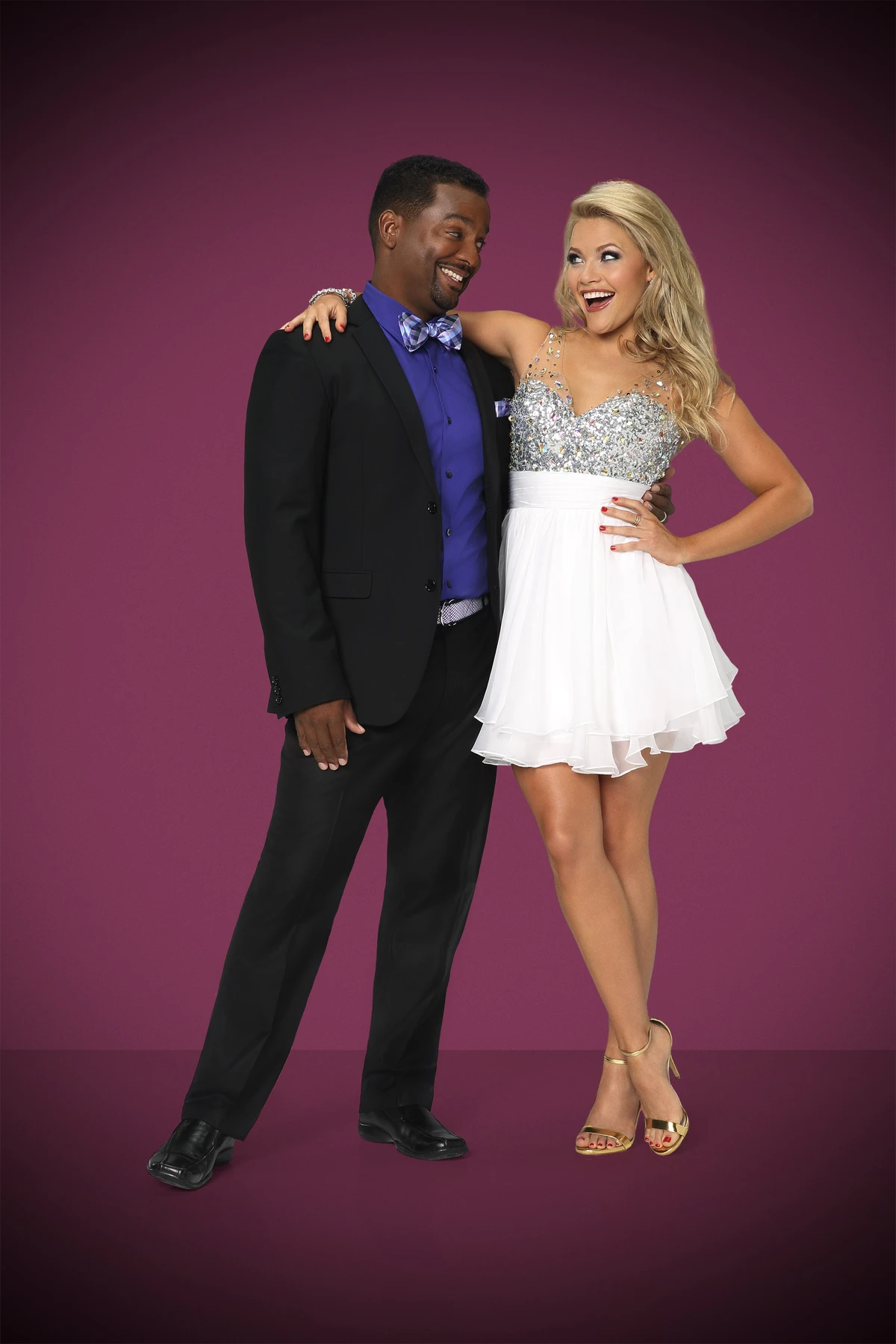
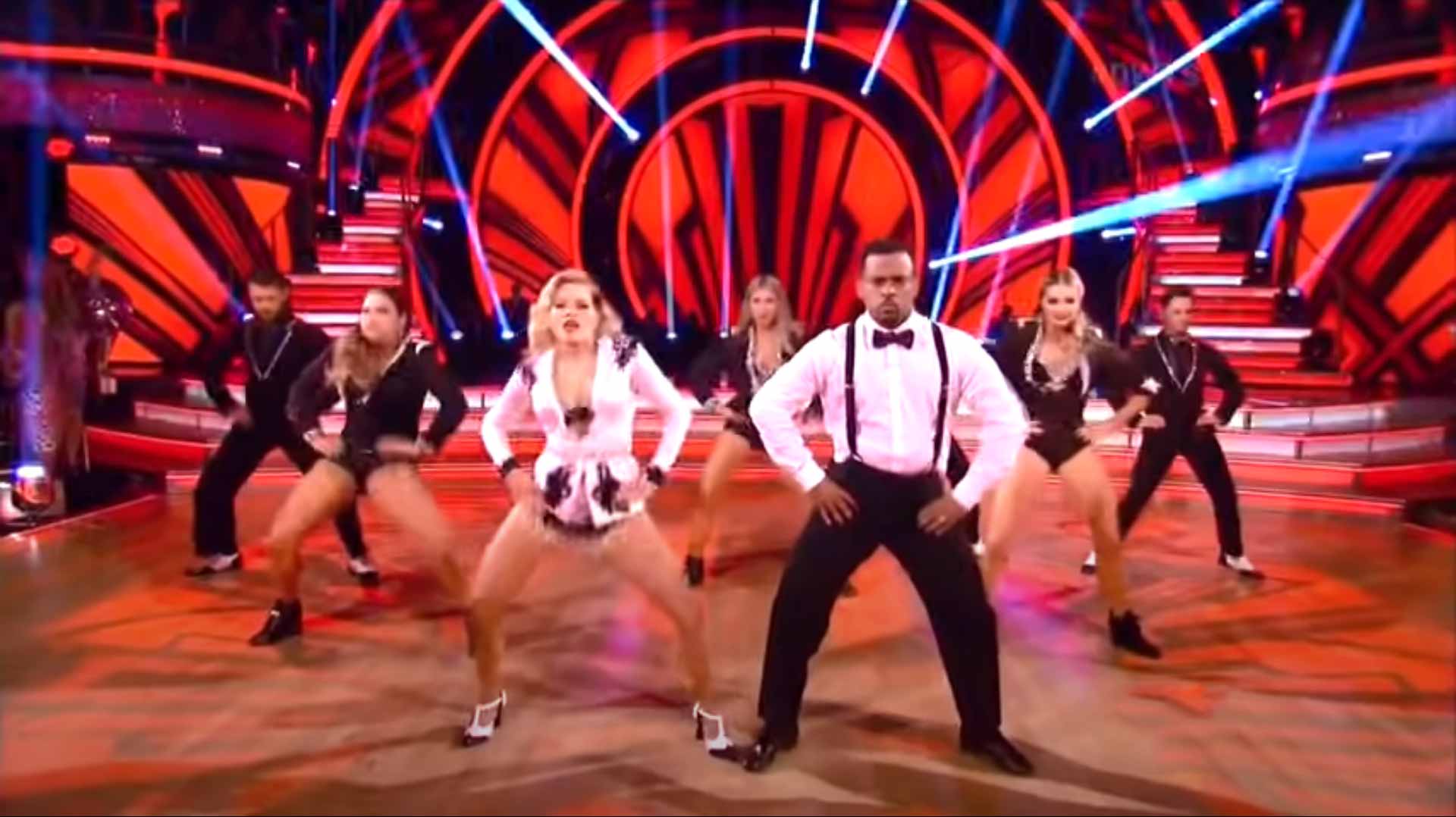
Alfonso Ribeiro secured his victory on Dancing with the Stars Season 19 by consistently delivering high-scoring, technically proficient routines, highlighted by his iconic integration of "The Carlton Dance," which captured the hearts of viewers and judges alike to claim the Mirrorball Trophy.
The Journey to Season 19: Pre-Show Expectations and Background
When Alfonso Ribeiro was announced as part of the celebrity cast for Season 19 of ABC's Dancing with the Stars, expectations were immediately high. Best known for playing Carlton Banks on the iconic 1990s sitcom The Fresh Prince of Bel-Air, Ribeiro brought instant nostalgia and a built-in fan base to the competition. However, entering a dance reality television show decades after his initial mainstream television peak presented unique challenges. Viewers wondered whether his comedic background and natural rhythm would translate into the rigorous, highly technical discipline required for ballroom and Latin dance.
From the very beginning of the casting rollout, analysts and fans alike noted that Ribeiro possessed a distinct advantage over some of his competitors: performance experience. Yet, performance experience in sitcom acting and comedic stage routines does not automatically equate to the frame, footwork, and core stability demanded by professional ballroom judges like Len Goodman, Bruno Tonioli, and Carrie Ann Inaba. Ribeiro entered the ballroom not just as a beloved television star, but as a contender under immense pressure to prove that his rhythm was authentic, versatile, and capable of adapting to styles ranging from the passionate Argentine Tango to the intricate footwork of the Quickstep.
Partnership and Professional Chemistry: The Witney Carson Dynamic
A foundational pillar of any successful Dancing with the Stars campaign is the chemistry between the celebrity contestant and their professional partner. For Ribeiro, that partnership came with Witney Carson, who was then a rising pro on the program known for her energetic choreography and demanding teaching style. Their working relationship proved to be a masterclass in collaboration, blending Carson’s precise technical knowledge with Ribeiro’s innate showmanship and dedication to rehearsal.
Carson recognized early on that Ribeiro had an intense work ethic, but she also had to manage his physical limitations. Like many contestants in their forties with demanding schedules, Ribeiro faced minor injuries and physical strain throughout the grueling multi-month production schedule. Their rehearsal footage regularly showcased meticulous attention to posture, frame, and posture retention—elements that often trip up non-dancer celebrities. Carson’s choreography trusted Ribeiro with complex transitions, lifts, and syncopated rhythms that separated him from the middle tier of the competition and elevated him into a true frontrunner.
Standout Performances and Scores Across the Season
Ribeiro’s path to the Mirrorball Trophy was paved with several historic routines that achieved both critical acclaim and viral internet status. The competition format of Season 19 required contestants to master diverse genres week after week, testing their versatility under tight turnaround times.
One of the defining moments of the early weeks was his energetic jive, which showcased his explosive power and stamina. However, it was his mid-season performances that truly solidified his frontrunner status. Judges frequently praised his musicality, noting that he did not just count the steps; he interpreted the music with the nuance of an experienced dancer.
| Week / Theme | Dance Style | Song | Judge Scores (Carrie Ann / Len / Julianne / Bruno) | Key Highlights |
|---|---|---|---|---|
| Week 1 | Cha-Cha-Cha | "Blurred Lines" by Robin Thicke | 8 / 9 / 9 / 10 | Instant high scores establishing him as a primary contender. |
| Week 3 | Jazz | "It Don't Mean a Thing (If It Ain't Got That Swing)" | 10 / 10 / 10 / 10 | First perfect score of the season, blending swing and character. |
| Switch-Up Week | Flamenco | "Gipsy Kings" style track | 9 / 9 / 9 / 9 | Proved his ability to master intense, non-traditional Latin technique. |
| Finals | Fusion Routine | Cha-Cha-Cha / Argentine Tango fusion | 10 / 10 / 10 / 10 | Flawless execution securing maximum points in the final showdown. |
The Cultural Phenomenon of "The Carlton" in the Ballroom
No retrospective of Alfonso Ribeiro’s Dancing with the Stars victory is complete without examining the inclusion of "The Carlton Dance." For decades, fans had associated Ribeiro with the upbeat, swinging dance moves he popularized on The Fresh Prince of Bel-Air to Tom Jones's "It's Not Unusual." Throughout his season, viewers clamored for him to bring the routine to the ballroom stage.
When he finally integrated the move into a routine alongside Witney Carson, it became an immediate cultural touchstone of the season. The performance bridged the gap between television history and live reality competition. Judges rewarded not only the nostalgic novelty of the moment but the seamless way Carson choreographed the signature moves into a legitimate, high-scoring competitive dance framework. This strategic deployment of fan service combined with technical excellence demonstrated a sophisticated understanding of how to win both the judges' technical criteria and the audience's emotional investment.
Overcoming Adversity: Physical Tolls and Competition Pressure
Beneath the glittering lights and high scores, Season 19 tested Ribeiro’s physical endurance to its absolute limits. Competing at a high level requires hours of daily rehearsal, putting intense strain on joints, tendons, and muscles. During the later weeks of the competition, reports emerged regarding Ribeiro dealing with severe back spasms and muscle strains—injuries that could have easily derailed a less disciplined competitor.
Rather than withdrawing or scaling back his routines, Ribeiro utilized physical therapy, chiropractic care, and strategic pacing during rehearsals to manage the pain. This resilience endeared him further to the viewing public and earned the deep respect of the judging panel, who frequently noted his professionalism. The ability to perform high-energy numbers while masking physical discomfort remains one of the most under-discussed aspects of his epic season journey, highlighting the gritty reality behind the glamorous television production.
The Grand Finale and Crowning Moment
The culmination of Season 19 brought Ribeiro face-to-face with fellow finalists Sadie Robertson and Janel Parrish in a tense, high-stakes finale. The final episode required contestants to perform a final fusion dance, combining two distinct styles into a single cohesive routine with minimal rehearsal time.
Ribeiro and Carson delivered an electrifying Cha-Cha-Cha and Argentine Tango fusion that earned a matching set of tens across the board, cementing their technical dominance. When host Tom Bergeron announced Alfonso Ribeiro and Witney Carson as the winners of the Mirrorball Trophy, the emotional release was palpable. Ribeiro fell to his knees in gratitude, celebrating a journey that validated decades of entertainment industry dedication and established a new benchmark for celebrity dance execution.
Frequently Asked Questions
What season of Dancing with the Stars did Alfonso Ribeiro win?
Alfonso Ribeiro won Season 19 of Dancing with the Stars, which aired in the autumn of 2014 on the ABC television network.
Who was Alfonso Ribeiro's professional dance partner?
His professional dance partner throughout the entire season was Witney Carson, who guided him through the rigorous choreography from Week 1 to the grand finale.
Did Alfonso Ribeiro get a perfect score during his season?
Yes, Ribeiro earned multiple perfect scores of 40/40 throughout the competition, starting with his memorable Jazz routine in Week 3 and culminating in his flawless finale fusion dance.
What made Alfonso Ribeiro's routines stand out from other contestants?
His routines stood out due to his exceptional musicality, professional-grade performance quality, and his strategic incorporation of fan-favorite cultural moments like "The Carlton Dance" paired with strict ballroom technique.
How did Alfonso Ribeiro handle injuries during the competition?
Ribeiro experienced significant back and muscle strains during the latter half of the season, managing the physical toll through intensive physical therapy, supportive bracing, and strict rehearsal pacing without sacrificing routine complexity.
Securing Your Own Dance Goals Through Structured Training
For aspiring dancers or adult learners inspired by Alfonso Ribeiro’s late-career victory, achieving similar physical fluency requires adherence to structured progression rather than raw enthusiasm alone. Beginners should prioritize foundational posture, core stabilization exercises, and stretching routines before attempting high-impact Latin or ballroom choreography. Enrolling in local dance studios that offer adult-beginner classes in standard and Latin disciplines provides the technical feedback necessary to avoid common injuries. Consistency in practice, combined with a willingness to accept corrective critique from professional instructors, forms the essential roadmap for mastering complex physical disciplines at any age.