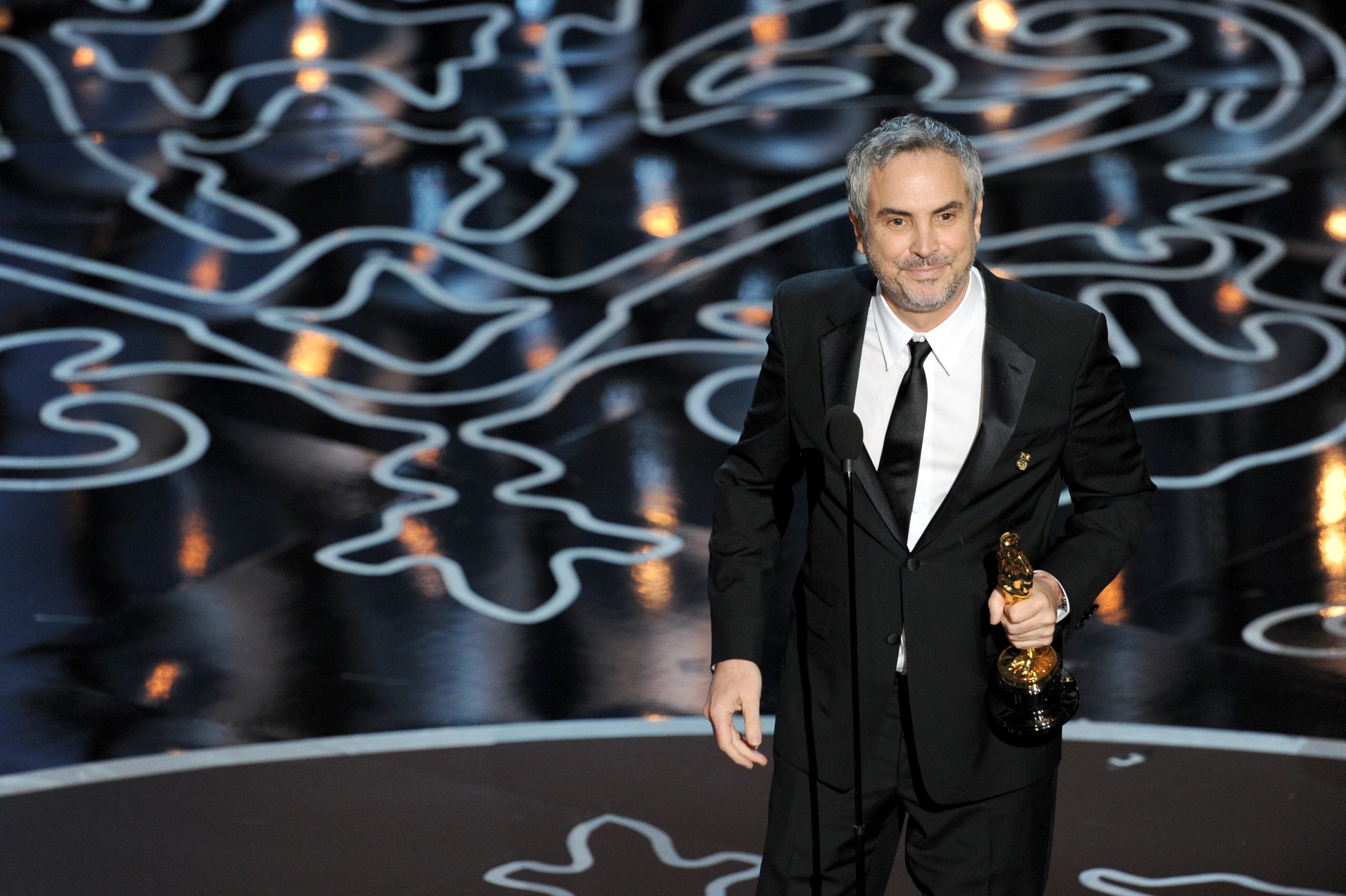
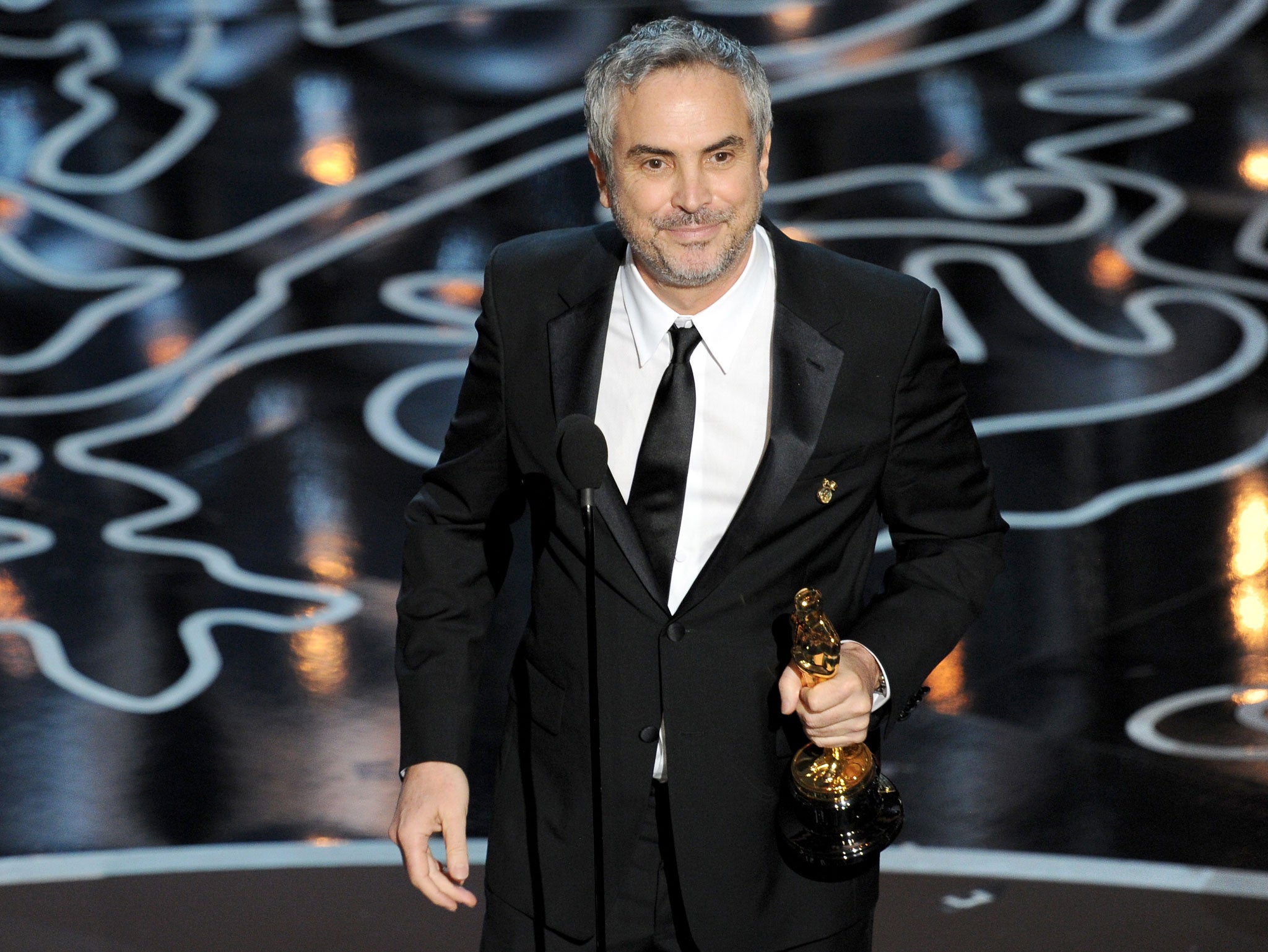
At the 91st Academy Awards held in 2019, Mexican filmmaker Alfonso Cuarón won the Oscar for Best Director for his deeply personal, black-and-white masterpiece Roma. This landmark victory marked a historic milestone for international cinema, cementing Cuarón's status as one of the most visionary auteurs of the modern era and securing major accolades for a streaming-backed production distributed by Netflix.
The Context and Significance of Roma in 2019
The journey of Roma to the Academy Awards stage was unconventional, reflecting a shifting landscape in film production and distribution. Written, directed, shot, and co-produced by Alfonso Cuarón, the film functioned as a semi-autobiographical love letter to his childhood upbringing in the Colonia Roma neighborhood of Mexico City during the early 1970s. Focusing on Cleo, a young indigenous domestic worker played by Yalitza Aparicio, the narrative balanced intimate domestic trauma with sweeping socio-political unrest.
When Netflix acquired the distribution rights, the film ignited intense industry debates regarding theatrical windows versus streaming platforms. Despite traditional studio resistance, Netflix orchestrated a targeted theatrical release strategy to satisfy Academy eligibility rules. This paved the way for Roma to secure ten Academy Award nominations, tying with Yorgos Lanthimos's The Favourite for the most nominations of that year. Cuarón's personal involvement as the film’s cinematographer further amplified the artistic scope of the project, establishing a rigorous visual grammar that relied on sweeping 70mm tracking shots, naturalistic lighting, and immersive 70mm Dolby Atmos sound design.
Historical Precedents and the Academy Voting Landscape
Alfonso Cuarón’s 2019 victory was not his first encounter with the Academy's top directing honors, but it carried distinct historical weight. Five years prior, Cuarón made history at the 86th Academy Awards by winning Best Director for the deep-space survival thriller Gravity, becoming the first Latin American director to claim the prize. His 2019 win for Roma placed him in an elite cohort of filmmakers who have won Best Director multiple times, joining cinematic legends like John Ford, Frank Capra, Billy Wilder, and Steven Spielberg.
Furthermore, Roma achieved a major breakthrough by becoming the first Mexican entry to win the Academy Award for Best Foreign Language Film (now known as Best International Feature Film), while simultaneously securing nominations in major categories traditionally reserved for English-language features, including Best Picture, Best Actress, and Best Original Screenplay. Cuarón himself achieved a rare technical and creative feat by securing four individual nominations for a single film: Best Director, Best Original Screenplay, Best Cinematography, and Best Picture (as a producer).
Technical Mastery: Cinematography and Directorial Vision
A central driver behind Cuarón’s 2019 Oscar win was his revolutionary approach to visual storytelling. Rather than hiring an external Director of Photography, Cuarón chose to operate the camera himself for significant portions of the shoot, collaborating closely with cinematographer Galo Olivares after original DP Emmanuel Lubezki had to step away due to scheduling conflicts.
The aesthetic choices in Roma directly influenced the Academy's voting bloc. Shot on the large-format Alexa 65 digital sensor, the film captured immense detail across deep-focus compositions. The camera rarely cuts, instead utilizing horizontal pans that track characters through chaotic city streets, quiet hallways, and turbulent ocean waters. This technical precision required months of meticulous choreography, historical reconstruction of 1970s Mexico City sets, and the integration of archival sound recordings to recreate the atmospheric tension of events like the Corpus Christi massacre.
Key Milestones and Nominations for Roma at the 91st Academy Awards
The following breakdown illustrates the scale of Roma's critical reception and its performance across major competitive categories at the 2019 Academy Awards.
| Category | Nominee / Subject | Result |
|---|---|---|
| Best Picture | Alfonso Cuarón and Gabriela Rodríguez, Producers | Nominated |
| Best Director | Alfonso Cuarón | Won |
| Best Actress | Yalitza Aparicio | Nominated |
| Best Supporting Actress | Marina de Tavira | Nominated |
| Best Original Screenplay | Alfonso Cuarón | Nominated |
| Best Cinematography | Alfonso Cuarón | Won |
| Best Foreign Language Film | Mexico (Roma) | Won |
Industry Impact and the Streaming Paradigm Shift
Beyond the artistic accolades, Cuarón’s Best Director win signaled a structural transformation in how prestige cinema is financed and distributed. By backing a black-and-white, Spanish-and-Mixtec-language art-house film with a multi-million-dollar global marketing campaign, Netflix demonstrated that streaming services could successfully compete at the highest levels of Hollywood validation.
Traditional theater chains initially pushed back against the platform’s day-and-date release model, leading to tense negotiations and limited theatrical footprints in major urban centers. However, Cuarón consistently argued that the cinematic experience transcends the physical delivery mechanism, emphasizing that the meticulous sound design and large-format imagery of Roma were designed to immerse audiences regardless of screen size. The film's success prompted legacy studios to reevaluate their acquisition models, paving the way for broader institutional acceptance of streaming platforms within the Academy's ranks.
Frequently Asked Questions
What other major awards did Roma win at the 2019 Oscars?
In addition to Alfonso Cuarón winning Best Director and Best Cinematography, Roma won the Academy Award for Best Foreign Language Film. The film received ten total nominations, tying with The Favourite for the most recognized film of the 91st Academy Awards ceremony.
Was Alfonso Cuarón the cinematographer for Roma?
Yes, Alfonso Cuarón served as the primary cinematographer for Roma, working alongside Galo Olivares. Although Cuarón is primarily known as a director and writer, his hands-on camera operation earned him an individual Oscar nomination and win for Best Cinematography.
How many Academy Awards has Alfonso Cuarón won in total?
Alfonso Cuarón has won multiple Academy Awards across his career. He won two Oscars at the 86th Academy Awards in 2014 for Best Director and Best Film Editing (Gravity), and two more at the 91st Academy Awards in 2019 for Best Director and Best Cinematography (Roma).
Why was Roma controversial during the 2019 Oscar season?
The primary controversy surrounding Roma involved its distribution model through Netflix. Traditional theater chains and certain industry veterans objected to the film receiving a limited theatrical release prior to streaming availability, sparking heated debates regarding Academy eligibility rules and the future of theatrical exhibition.
What language is spoken in Roma?
Roma is spoken primarily in Spanish and the Mixtec language, an indigenous Mesoamerican language spoken by the protagonist Cleo and other characters from rural backgrounds in Mexico.
Securing a Legacy in Modern Cinema
Alfonso Cuarón’s 2019 Best Director victory stands as a watershed moment that bridged personal storytelling with large-scale industrial disruption. By grounding a deeply intimate, autobiographical narrative in rigorous technical execution and widescreen aesthetics, Cuarón expanded the boundaries of what international cinema can achieve on the global stage. For aspiring filmmakers and industry analysts alike, Roma and its director's milestone win remain an enduring case study in creative autonomy, technical mastery, and the evolving definition of cinematic art.