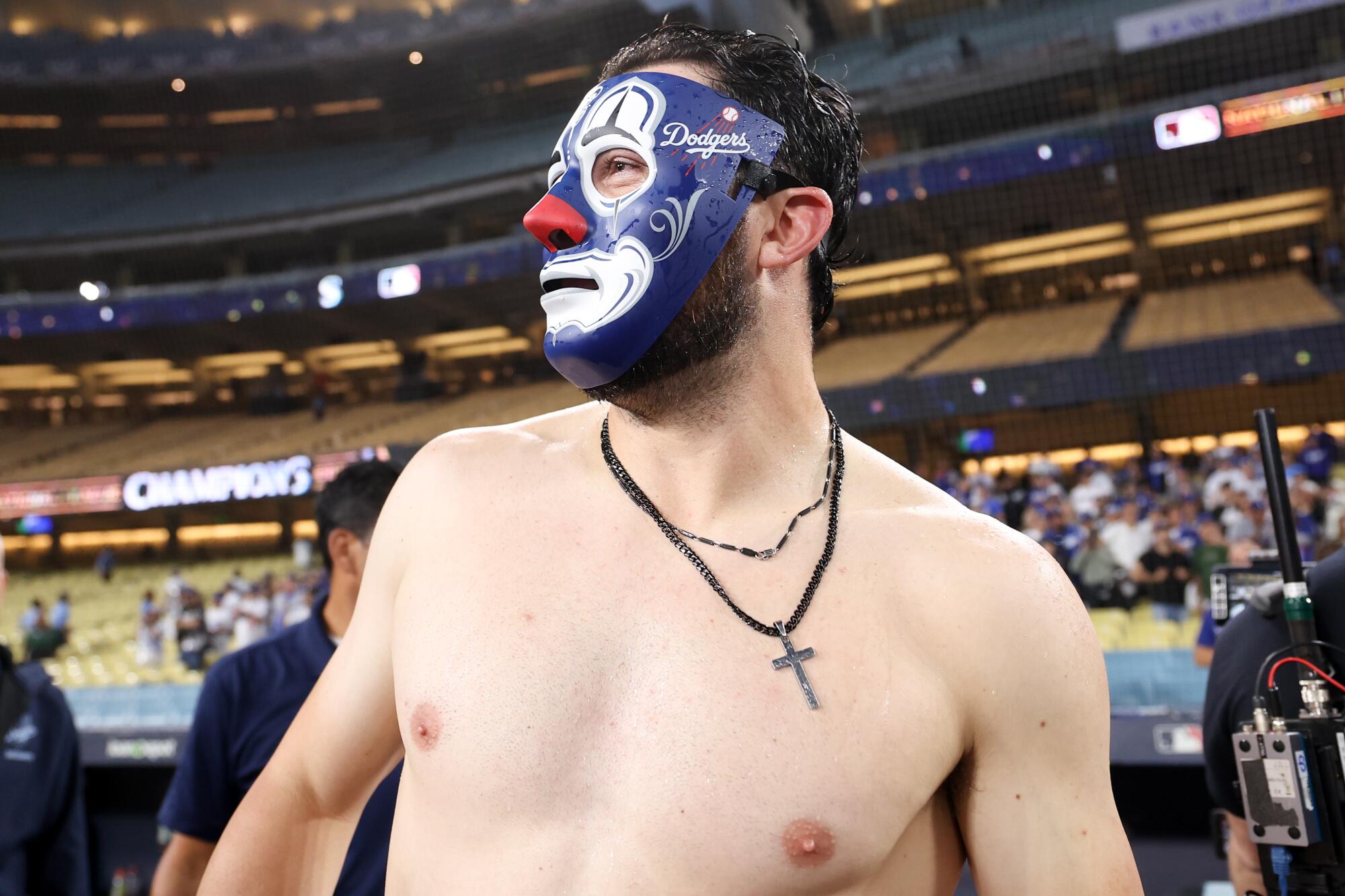
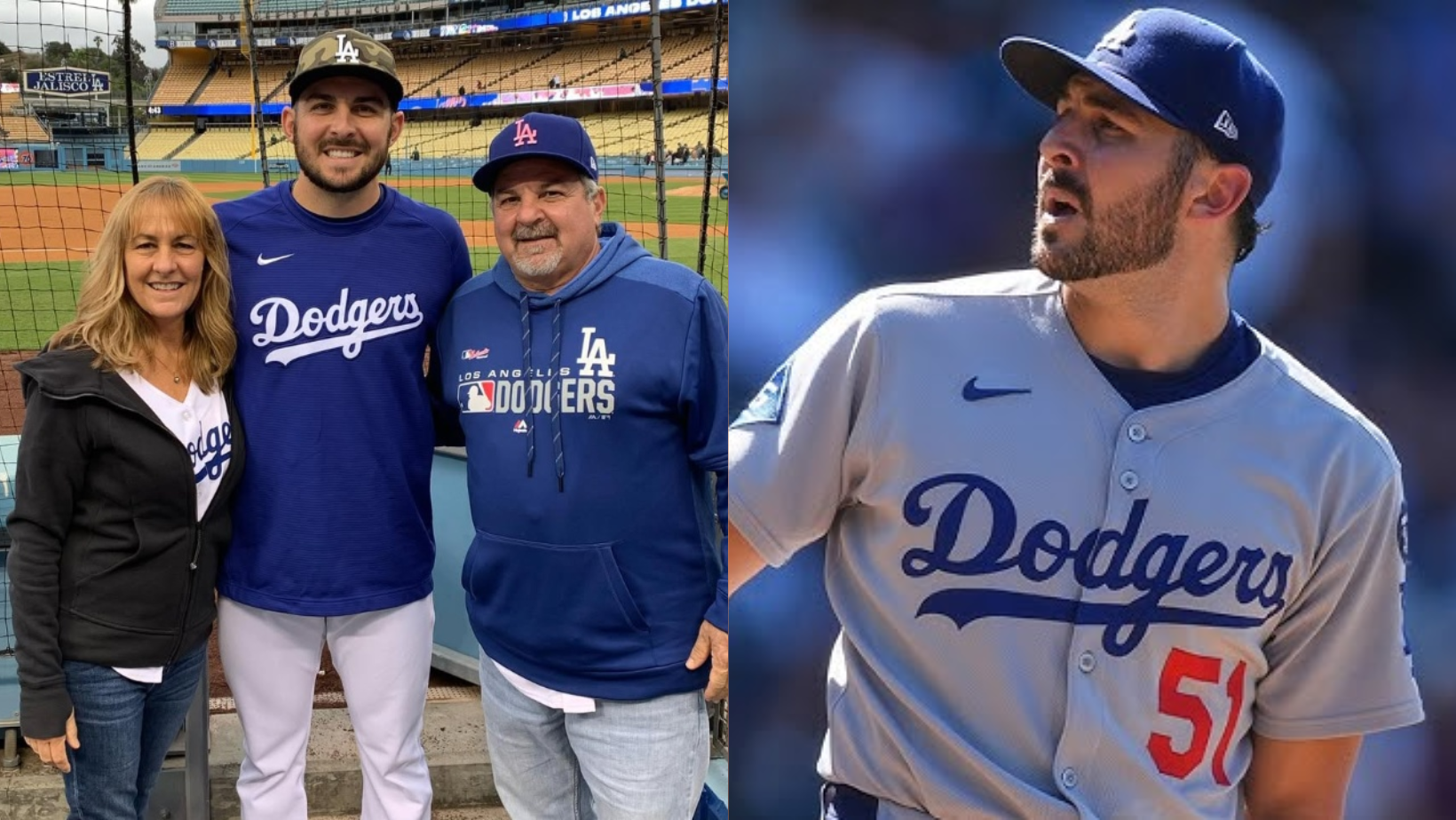
While public perception of professional athletes often focuses solely on box scores, contract values, and high-pressure game situations, the underlying narrative of a player like Major League Baseball pitcher Alex Vesia involves deep-rooted personal foundations, quiet sacrifices, and a supportive family network that shaped his trajectory long before he reached the major leagues.
The phrase "alex vesia family tragedy the untold story behind the star" frequently appears in online searches as fans seek to understand the personal challenges, background, and driving forces behind the Los Angeles Dodgers relief pitcher. Rather than pointing to a sensationalized public catastrophe, the reality of Vesia's journey highlights the everyday struggles, mental resilience, and tight-knit family dynamics required to navigate the grueling path from a late-round draft pick to a high-leverage bullpen arm in the modern era of baseball.
The Foundation: Early Life and Athletic Roots in California
Understanding Alex Vesia requires examining his upbringing in San Diego, California, where athletic pursuits are deeply intertwined with local culture. Born on April 11, 1996, Vesia grew up in a supportive household that encouraged both academic diligence and competitive sports participation. Like many children in Southern California, baseball became a central focus of his youth, nurtured by local leagues, high school competition, and travel ball circuits that demand significant time and financial investments from parents.
The financial and logistical commitment required to support a youth baseball player through the high school and collegiate ranks is substantial. For the Vesia family, this meant countless hours spent driving to tournaments, managing equipment costs, and providing emotional support through the inevitable slumps and injuries that accompany competitive athletics. This foundational stability proved essential when Vesia faced the reality of being an unheralded prospect who had to prove his worth at every single level of organized baseball.
Navigating the Collegiate Ranks and the Draft Process
Unlike high-profile prospects who command multi-million-dollar signing bonuses straight out of high school, Vesia’s path to professional baseball was characterized by perseverance and delayed recognition. He attended Eastlake High School in Chula Vista, California, before moving on to Grossmont College, a community college known for producing professional talent but rarely serving as a primary scouting hotspot for elite MLB talent.
At Grossmont College, Vesia honed his pitching mechanics and improved his velocity, eventually earning a transfer to Cal State University, East Bay, a Division II program. Playing at the NCAA Division II level places a player outside the primary spotlight of national major league scouts. Consequently, Vesia’s development relied heavily on his internal drive and the unwavering encouragement of his family, who remained steadfast as he pursued an unconventional route to the professional ranks.
The culmination of these efforts occurred during the 2018 Major League Baseball First-Year Player Draft. The Miami Marlins selected Vesia in the 17th round, pick number 503 overall. In the context of professional baseball drafts, a 17th-round selection carries minimal organizational pressure and virtually no financial security, as late-round picks often receive nominal signing bonuses and face steep odds of ever reaching the major leagues.
Overcoming Professional Adversity and the Minor League Grind
Entering the professional ranks as a 17th-round pick means fighting for roster spots with minimal margin for error. Vesia began his professional career in the lower minors, navigating the complex landscape of rookie ball, Single-A, and High-A assignments. During these years, minor league baseball players frequently endure long bus rides, low compensation, and intense competition against players who received significantly higher draft bonuses and organizational backing.
| Career Stage | Team / Organization | Key Milestone or Challenge |
|---|---|---|
| Collegiate | Cal State East Bay / Grossmont College | Developed velocity and command outside the Division I spotlight. |
| 2018 Draft | Miami Marlins (17th Round) | Selected 503rd overall, facing long odds to reach the majors. |
| 2019 Minor Leagues | Marlins Farm System (Single-A to Triple-A) | Rapid ascension through the system via high strikeout rates. |
| 2020 MLB Debut | Miami Marlins | Debuted during the shortened pandemic season under unique conditions. |
| 2021–Present | Los Angeles Dodgers | Established as a high-leverage left-handed relief specialist. |
The mental fortitude required to persist through the minor league grind often stems from a player's support system. For Vesia, the encouragement of his family provided a vital anchor during seasons where promotion seemed uncertain. His performance during the 2019 minor league season served as a turning point, as he posted dominant numbers across multiple levels, striking out hitters at an elite rate and forcing the Marlins' front office to take notice.
The Mental Resilience Behind High-Pressure Relief Pitching
Relief pitching is one of the most volatile and mentally demanding roles in professional sports. A relief pitcher must possess a short memory, immediate adaptability, and the ability to enter a game with runners on base and high-leverage scenarios unfolding. When people search for untold stories or personal struggles behind athletes, they are frequently probing into the psychological makeup required to perform under such intense scrutiny.
Vesia's transition to the major leagues was not without its hurdles. After making his debut with the Miami Marlins during the pandemic-affected 2020 season, he experienced early struggles that highlighted the stark competitive leap to the major league level. Rather than folding under the pressure, these early setbacks tested his resolve. In February 2021, the Marlins traded Vesia to the Los Angeles Dodgers in exchange for relief pitcher Dylan Floro.
Finding Stability and Success with the Los Angeles Dodgers
The trade to the Los Angeles Dodgers marked a transformative chapter in Vesia’s career. The Dodgers organization is widely recognized for its advanced pitching infrastructure, data-driven player development, and ability to maximize the efficiency of relief pitchers. Under the guidance of the Dodgers' coaching staff, Vesia refined his primary weapons: a deceptive four-seam fastball featuring high spin rates and a sharp slider that effectively neutralizes left-handed batters while maintaining competency against righties.
| Pitch Type | Average Velocity (MPH) | Primary Purpose |
|---|---|---|
| Four-Seam Fastball | 93–95 | High-spin pitch utilized up in the zone to generate swings and misses. |
| Slider | 81–83 | Sweeping breaking ball designed to induce chase out of the zone. |
Establishing oneself in the bullpen of a perennial postseason contender requires consistent performance under extreme pressure. Vesia quickly carved out a niche as a trusted high-leverage left-handed option, earning the confidence of manager Dave Roberts. His energetic pitching style, visible emotion on the mound, and ability to escape high-pressure jams endeared him to the fan base in Los Angeles, transforming him from an overlooked 17th-round pick into an essential component of a championship-caliber bullpen.
Separating Fact from Fiction in Online Athlete Searches
The internet frequently generates speculative search terms regarding professional athletes, often combining common personal themes like family, tragedy, or untold secrets when a player experiences a performance slump, an injury, or an unexpected absence from the field. In the case of Alex Vesia, searches regarding family tragedy do not correspond to documented public crises or catastrophic events.
Instead, the human element of Vesia’s story lies in the ordinary, relatable challenges of modern athletic careers: the quiet sacrifices of parents who drove their son to early-morning practices, the anxiety of waiting for a draft call, the financial and mental strain of the minor league system, and the relentless pressure to perform at the highest level of professional sports. Recognizing these realities provides a more accurate and respectful understanding of what drives an athlete to succeed, stripping away unfounded internet speculation in favor of genuine dedication and hard work.
How to Evaluate Late-Round MLB Draft Success Stories
Analyzing how players like Alex Vesia defy the odds to establish long-term major league careers involves examining several key developmental milestones. Observers and aspiring athletes can look at specific operational factors that separate successful late-round picks from those who wash out of the system.
- Self-Correction and Adaptation: Late-round selections rarely possess overpowering stuff right out of the box; they must continually adapt their mechanics, velocity, and pitch mix based on data and coaching feedback.
- Mental Toughness: The ability to absorb failure in the minor leagues without losing confidence is critical for players who lack the organizational safety net of high draft status.
- Maximizing Opportunities: When called upon in high-leverage situations, unheralded players must immediately demonstrate reliability to earn the trust of major league managers.
- Strong Support Systems: Maintaining perspective through the highs and lows of a professional sports career relies heavily on the grounding influence of family and close personal networks.
Frequently Asked Questions
What team drafted Alex Vesia?
The Miami Marlins selected Alex Vesia in the 17th round of the 2018 Major League Baseball First-Year Player Draft out of Cal State University, East Bay.
When did Alex Vesia join the Los Angeles Dodgers?
The Miami Marlins traded Alex Vesia to the Los Angeles Dodgers in February 2021 in exchange for relief pitcher Dylan Floro. Since joining the Dodgers, he has established himself as a key left-handed relief option in their bullpen.
Is there any documented family tragedy associated with Alex Vesia?
No. Public records and verified sports journalism do not document any major family tragedies associated with Alex Vesia. Online search interest of that nature typically stems from speculation regarding the general mental pressures and personal sacrifices inherent in professional baseball careers.
What are Alex Vesia's primary pitching pitches?
Vesia primarily relies on a high-spin four-seam fastball that he targets high in the zone, paired with a sharp slider designed to induce swing-and-miss outcomes, particularly against left-handed hitters.
Where did Alex Vesia play college baseball?
Vesia played his college baseball at Grossmont College before transferring to Cal State University, East Bay, where he completed his collegiate career prior to being selected in the 2018 MLB Draft.
Strategic Next Steps for Following Relief Pitcher Development
To gain a deeper appreciation for the mechanics of modern bullpen management and the career paths of relievers like Alex Vesia, followers of the sport can analyze organizational pitching data, monitor minor league advancement tracking tools, and study how front offices evaluate spin rates and pitch shapes. Examining these technical metrics offers a clear lens into how unheralded prospects refine their skills and secure lasting major league roles.