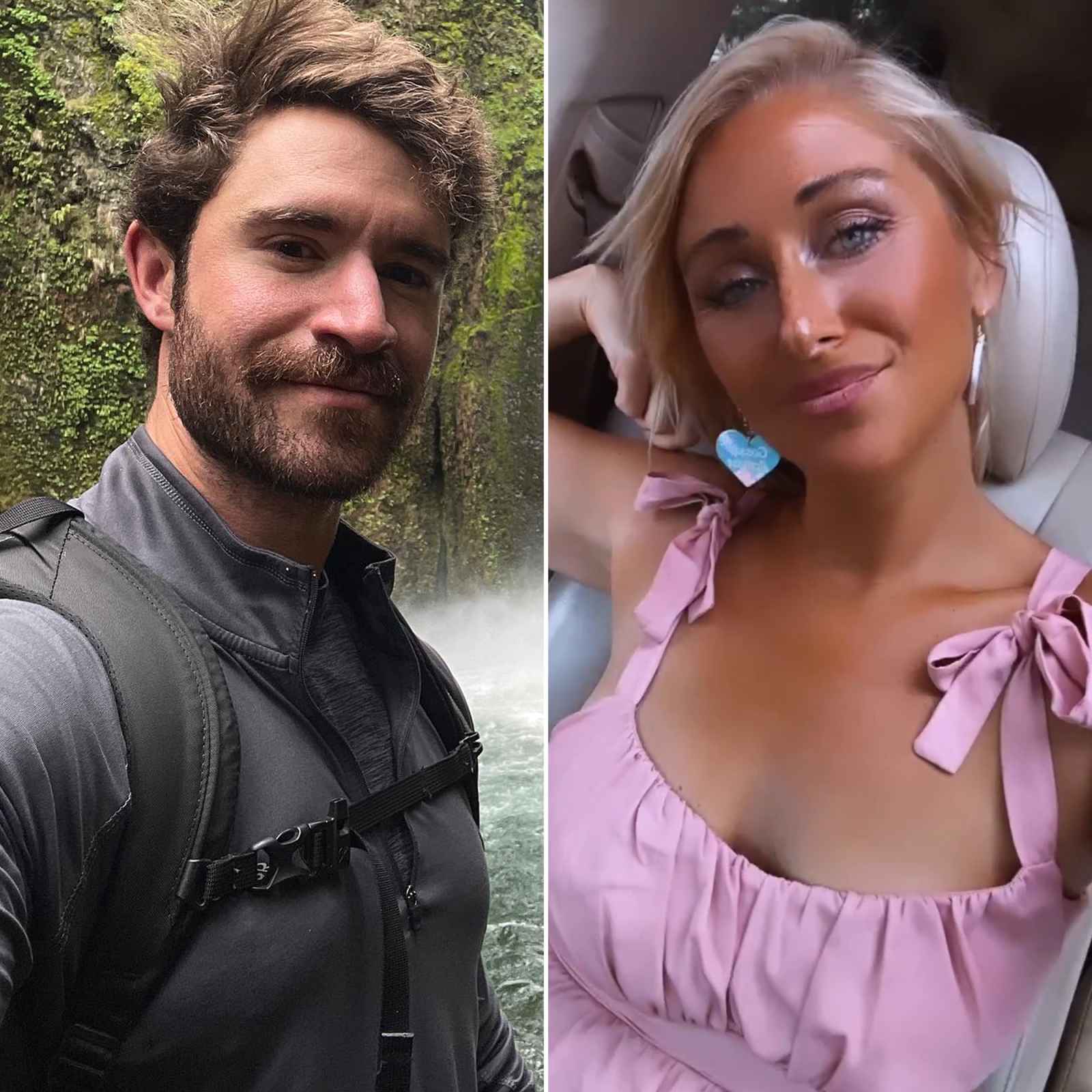
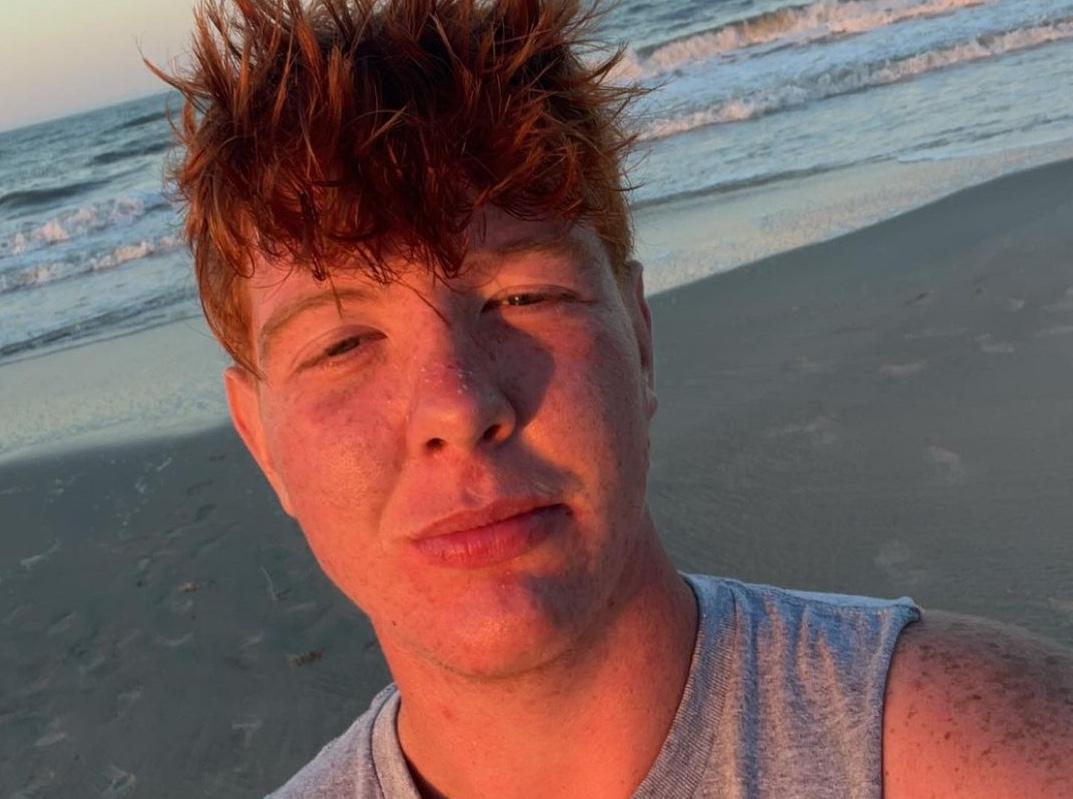
The inquiry surrounding the status of TikTok creator Alex Prutti stems from significant public interest in the influencer's sudden absence from social media platforms. Contrary to viral speculation or misinformation circulating across various digital forums, there has been no verified official report, obituary, or statement from family or legal representatives confirming the death of Alex Prutti. The confusion appears to be a result of digital misinformation common in the rapid news cycle of social media.
The Phenomenon of Digital Misinformation
In the landscape of modern social media, the sudden cessation of content updates from a prominent creator often triggers a wave of speculation among followers. When a high-profile figure like Alex Prutti stops posting, audiences accustomed to daily or weekly engagement may default to alarmist conclusions. This "void" in content creation is frequently filled by unverified rumors, clickbait videos, and automated news scrapers that prioritize sensationalism over factual reporting.
It is critical to distinguish between verified journalism and speculative content. In the case of Alex Prutti, the lack of confirmation from established news organizations or verified personal accounts of those closest to the individual serves as the primary indicator that the rumors are unfounded. Users should exercise high levels of skepticism when encountering "death rumors" that lack links to official law enforcement statements, obituaries, or professional media outlets.
Navigating Verification Protocols
When evaluating claims regarding the wellbeing of a public figure, it is necessary to apply a structured verification process. For audiences looking to understand why certain creators "disappear," it is important to consider the common realities of digital content creation:
- Platform Burnout: Many creators undergo periods of inactivity to manage mental health, avoid platform burnout, or shift their focus toward private life.
- Strategic Rebranding: Creators often remove or archive old content to facilitate a pivot in their brand identity or to transition into new, non-public career paths.
- Content Licensing Shifts: Sometimes, external agencies or legal teams may manage a creator’s presence, leading to sudden changes in posting schedules or the deletion of accounts for contractual reasons.
- Technological Disconnects: Algorithms sometimes shadow-ban or restrict the reach of specific creators, creating the illusion that they are no longer active when, in fact, they have simply lost the visibility they once held.
Comparison of Information Sources
To assist readers in filtering legitimate news from social media conjecture, the following table summarizes the reliability of various information channels:
| Source Type | Reliability Level | Contextual Value |
|---|---|---|
| Verified Personal Accounts | High | Primary confirmation of life and intent. |
| Reputable News Agencies | High | Fact-checked, legal, and formal documentation. |
| Obituary/Funeral Home Sites | High | Formal record of passing. |
| TikTok Comment Sections | Very Low | Highly susceptible to trolling and misinformation. |
| Clickbait YouTube Channels | Zero | Monetizes fear and false, sensational headlines. |
The Impact of Parasocial Relationships
The distress felt by followers when a creator "disappears" is often linked to the psychological phenomenon of parasocial relationships. These are one-sided emotional bonds that audiences form with media figures. Because these relationships feel deeply personal, the sudden silence of a creator is experienced by fans as a genuine loss or a cause for immediate panic.
Understanding this dynamic explains why rumors about "the death of a TikTok star" spread so rapidly. The emotional urgency felt by the fanbase overrides the analytical need for evidence. When a rumor starts, it is shared not out of malice, but out of a collective, anxious desire to find answers. However, this communal anxiety creates an environment where false information thrives, making it increasingly difficult for authentic information to gain traction.
Responsible Consumption of Social Media News
If you find yourself concerned about the status of a specific creator, the most responsible action is to observe silence or look for updates on confirmed channels. Engaging with or sharing unverified rumors only contributes to the spread of misinformation, which can have tangible, negative impacts on the individuals involved.
For those who rely on TikTok and similar platforms for their daily updates, it is beneficial to maintain a list of secondary, verified channels—such as a creator’s official Instagram, Twitter, or official representative website—to confirm information before assuming the worst. If a search on these platforms yields no results, it is statistically probable that the creator has simply transitioned away from the public eye.
Frequently Asked Questions
Why do rumors about the death of creators start so often?
These rumors are often driven by clickbait tactics where creators intentionally or accidentally create "blackout" periods to gain engagement. In other cases, it is simply the spread of misinformation by users who misinterpret a period of inactivity as a tragedy.
Where can I find official information about a creator’s status?
Always search for official statements released by legal representatives, family members, or verified media outlets. If an individual has passed away, information is typically published in formal obituaries or verified news reports, not through speculative social media comments.
Is it possible for a creator to delete their accounts and be alive?
Yes, it is very common. Influencers often decide to retire from content creation for personal reasons, including a desire for privacy, career shifts, or simply moving on to different stages of life, which often involves deleting or archiving their social media footprint.
Should I report videos that claim a creator has passed away?
Yes, reporting content that spreads false information or memorializes living people as deceased is a recommended way to keep platforms safe. Most social media platforms have specific categories for reporting misinformation that violates community guidelines regarding public figures.
What should I do if I see a viral video claiming a star has died?
Do not share it or comment on it, as engagement only feeds the algorithm. Instead, check the creator’s last known verified social media platform for any official updates. If there is no confirmation, assume the claim is false and avoid spreading it further.
Next Actions and Recommendations
Moving forward, your best course of action is to prioritize primary sources over user-generated content. If you are an active member of a creator's community, continue to support them through their official channels rather than through third-party platforms that thrive on speculative content. By shifting your attention away from unverified claims, you contribute to a more accurate and respectful digital environment. Should you have specific concerns regarding the professional status of a public entity, consult reputable entertainment news aggregators that employ editorial standards, rather than relying on algorithmic recommendations.