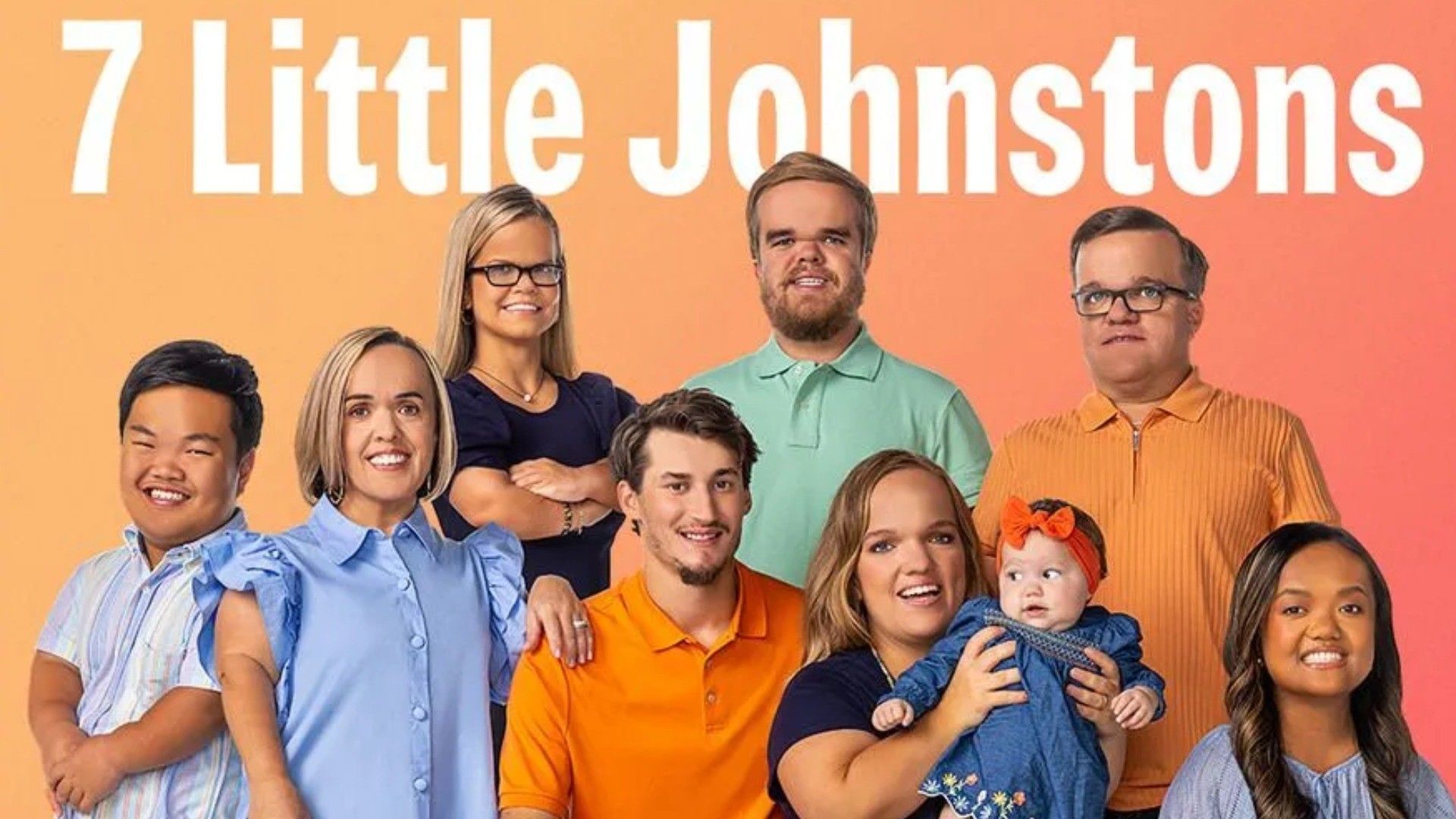
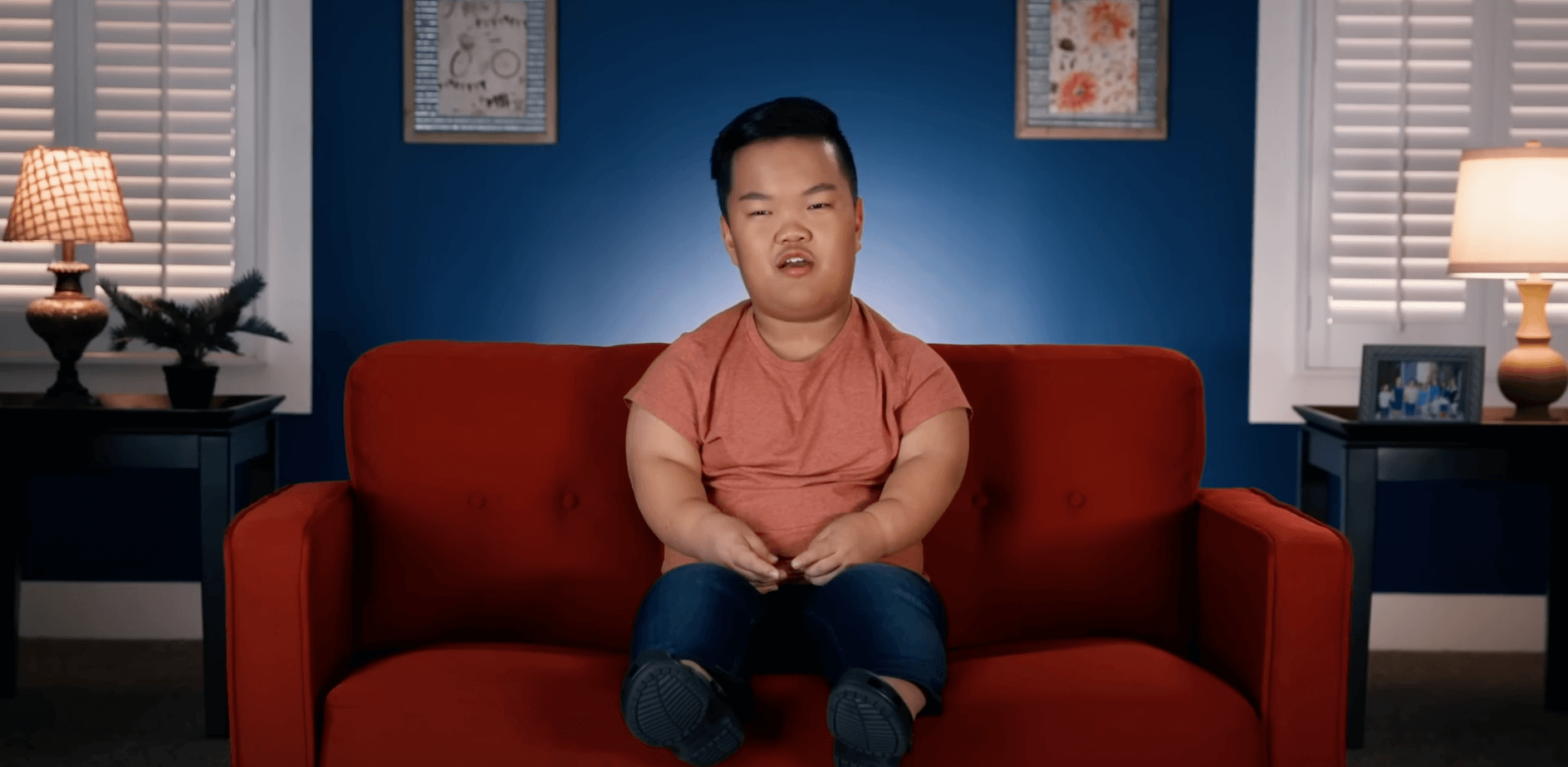
The appeal of reality television often rests on the illusion of transparency, yet the journey of Alex Johnston and his family on 7 Little Johnsons involves behind-the-scenes dynamics, private struggles, and selective editing that shape the public narrative. While the TLC series portrays the day-to-day realities of navigating life with achondroplasia, the untold story reveals a complex balance between authentic advocacy, media production pressures, and the personal boundaries maintained off-camera.
Understanding the phenomenon of the Johnston family requires looking past the polished broadcast episodes to examine how reality television production alters family dynamics, the realities of living with dwarfism in the public eye, and the deliberate choices made by Alex and his relatives to protect their privacy. This analysis explores the intersection of public celebrity and private reality, shedding light on the aspects of their lives that television viewers rarely see.
Deconstructing the Reality Television Lens on Family Life
The television series 7 Little Johnsons premiered on TLC, introducing audiences to Trent and Amber Johnston alongside their biological and adopted children, including Alex. The show established its premise around being the "world's largest known family of achondroplasia dwarfs," highlighting how everyday tasks, home modifications, and social interactions present unique challenges. However, reality television inherently relies on narrative structures that compress complex weeks of life into tightly edited, dramatic forty-minute episodes.
Behind every broadcasted conflict, milestone, and family meeting lies a production apparatus that dictates schedules, suggests discussion topics, and frames domestic events for maximum viewer engagement. While the Johnstons have frequently emphasized that their core values and disciplinary styles remain authentic, the lived experience of growing up on camera introduces distinct psychological and social pressures.
Key structural elements of the production reality include:
- Scene Re-enactments: Capturing spontaneous family moments often requires families to repeat conversations or actions multiple times to accommodate camera angles and sound engineering.
- Narrative Arc Shaping: Editors group disparate events to construct overarching storylines for individual family members, sometimes magnifying minor disagreements into major seasonal conflicts.
- Public Exposure Trade-offs: Participating in a long-running international franchise provides financial stability and a platform for dwarfism awareness, but it permanently alters privacy during adolescence and adulthood.
The Reality of Growing Up with Achondroplasia in the Public Eye
Alex Johnston, adopted from South Korea, entered a household committed to fostering independence and self-advocacy. Achondroplasia is a genetic bone growth disorder that results in disproportionate short stature, bringing specific medical, orthopedic, and ergonomic considerations. Throughout the series, viewers watched Alex navigate schooling, medical consultations, and social development. Yet, the television format often glosses over the nuanced, private emotional toll of managing a visible physical difference during formative teenage years.
Living with achondroplasia involves continuous adaptation to a world built for average-height individuals. While the show frequently addresses public staring, architectural barriers, and accessibility advocacy, it rarely captures the private conversations about systemic ableism and the psychological resilience required to cope with unsolicited public commentary.
| Aspect of Public Life | Television Portrayal | The Untold Private Reality |
|---|---|---|
| Medical Interventions | Condensed into dramatic check-ups and surgical preparations | Months of rehabilitation, physical discomfort, and psychological adjustment |
| Social Interactions | Highlighted during family outings, school events, and dating milestones | Navigating digital scrutiny, social media commentary, and boundary-setting |
| Family Dynamics | Framed around parental guidance and sibling rivalry | Complex negotiation of individual autonomy versus brand association |
Media Production Pressures and Personal Boundaries
As the Johnston children transitioned into adulthood, the nature of their participation in the series evolved. For Alex, early seasons focused on childhood hobbies, schooling, and family bonding, while later seasons documented higher education pursuits, career planning, and romantic relationships. This transition highlighted an inherent tension in family-based reality programming: the desire of young adults to forge independent identities juxtaposed with contractual obligations to a television network.
Production schedules require substantial time commitments, often intersecting with critical academic and developmental periods. Maintaining privacy in the internet age presents an ongoing challenge for reality television participants. Viewers frequently project personal expectations onto cast members, leading to intense digital scrutiny regarding career choices, lifestyle changes, and personal relationships.
To manage this scrutiny, Alex and other family members have selectively utilized social media to curate their public presence, sharing milestones on their own terms while drawing firm boundaries around aspects of their personal lives that remain shielded from broadcast production.
Advocacy, Representation, and Public Impact
Despite the challenges of media exposure, the primary motivation cited by the Johnston family for participating in 7 Little Johnsons has been education and representation. Individuals with dwarfism have historically been relegated to novelty roles in cinema and television. By centering an ordinary, middle-class American family experiencing everyday triumphs and domestic friction, the show challenged pervasive stereotypes.
Alex's role within this advocacy framework developed organically. As an introvert who initially preferred staying out of the spotlight compared to some of his more outgoing siblings, his willingness to share his personal growth contributed significantly to the show's educational value. Viewers gained insight into the emotional contours of transracial adoption, the realities of special-needs parenting, and the practical implementation of universal design principles in home architecture.
However, media scholars note a paradox inherent in reality television advocacy. While visibility raises awareness, the commercial imperatives of networks can occasionally trivialize serious social issues in favor of entertainment value. Navigating this fine line requires constant vigilance from the participants to ensure their personal narratives are not exploited for ratings.
Frequently Asked Questions About Alex Johnston and the Show
What health conditions has Alex Johnston faced on the show?
Alex, like other family members with achondroplasia, has managed medical considerations related to skeletal dysplasia. Throughout the series, this has included monitoring for spinal stenosis, orthopedic alignment, and respiratory health, which are common clinical considerations for individuals with this specific genetic condition.
How has Alex's role in the family evolved over the seasons?
Starting as a quiet younger sibling focused on school and hobbies, Alex has grown into an independent adult navigating higher education, career development, and personal autonomy. His narrative arc on the series reflects the natural maturation process from adolescence into early adulthood under public observation.
Why do reality television families like the Johnsons maintain strict social media boundaries?
While reality shows invite public viewership, cast members establish private boundaries to protect their mental health, shield non-cast friends and partners from invasive scrutiny, and retain a sense of personal agency outside of network-driven narratives.
Does the family receive final approval over the show's editing?
Like most standard reality television contracts, production companies retain final editorial control over the cut, pacing, and framing of episodes. While participants collaborate with producers, the final narrative representation is shaped by network storytelling requirements.
What is the broader cultural impact of 7 Little Johnsons?
The series has expanded mainstream visibility for little people, demonstrating that individuals with dwarfism lead multidimensional lives encompassing professional careers, higher education, family responsibilities, and complex personal identities far beyond physical stature.
Navigating Reality Television Fame Responsibly
For viewers and media consumers interested in the lives of public figures featured in documentary-style series, maintaining a balanced perspective is essential. Recognizing that television episodes represent curated highlights rather than exhaustive biographies helps foster a healthier media ecosystem. Supporting individuals like Alex Johnston involves respecting their privacy as they transition into independent adulthood, acknowledging the genuine advocacy work embedded in their public visibility, and separating entertainment narratives from real-world human experiences.