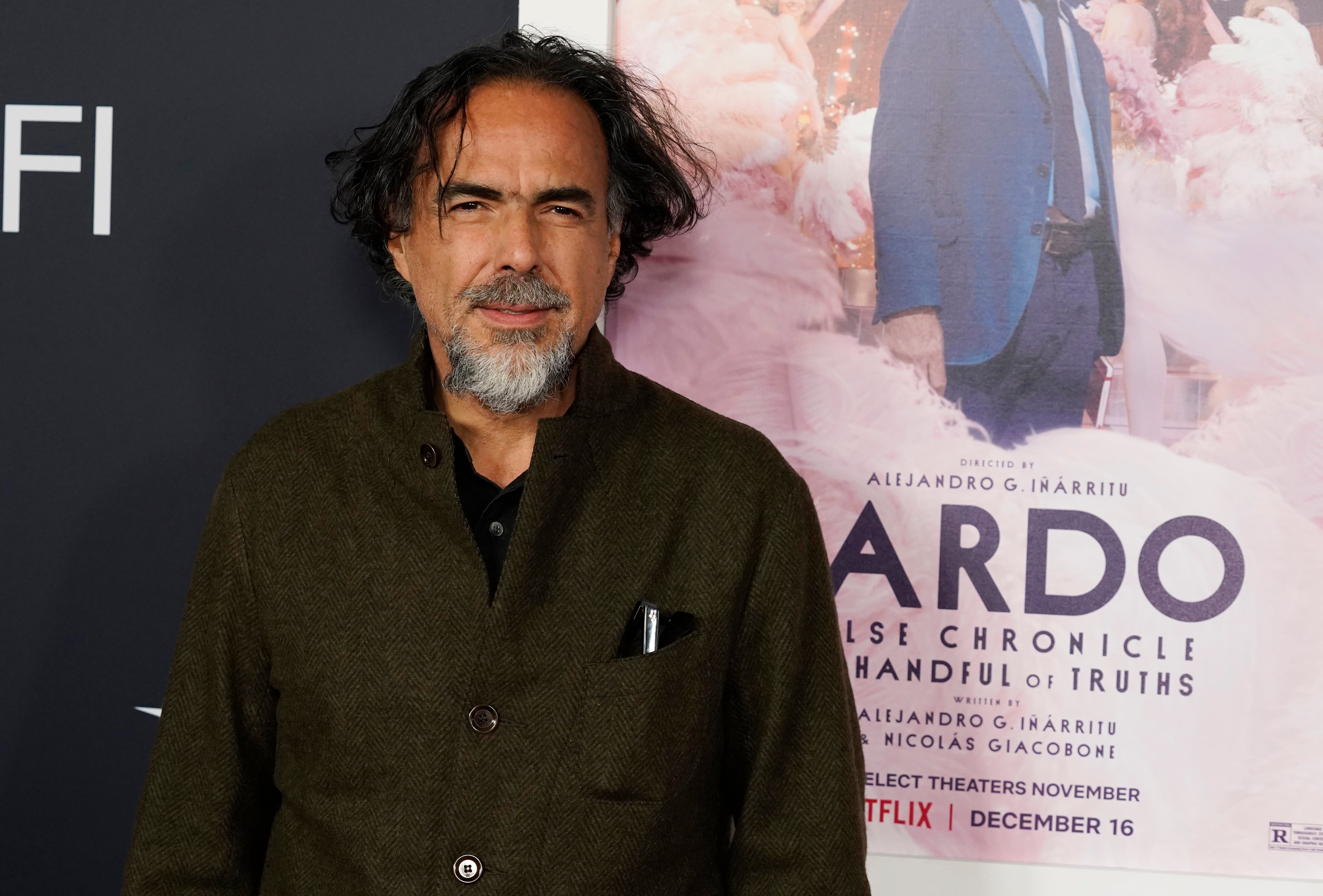
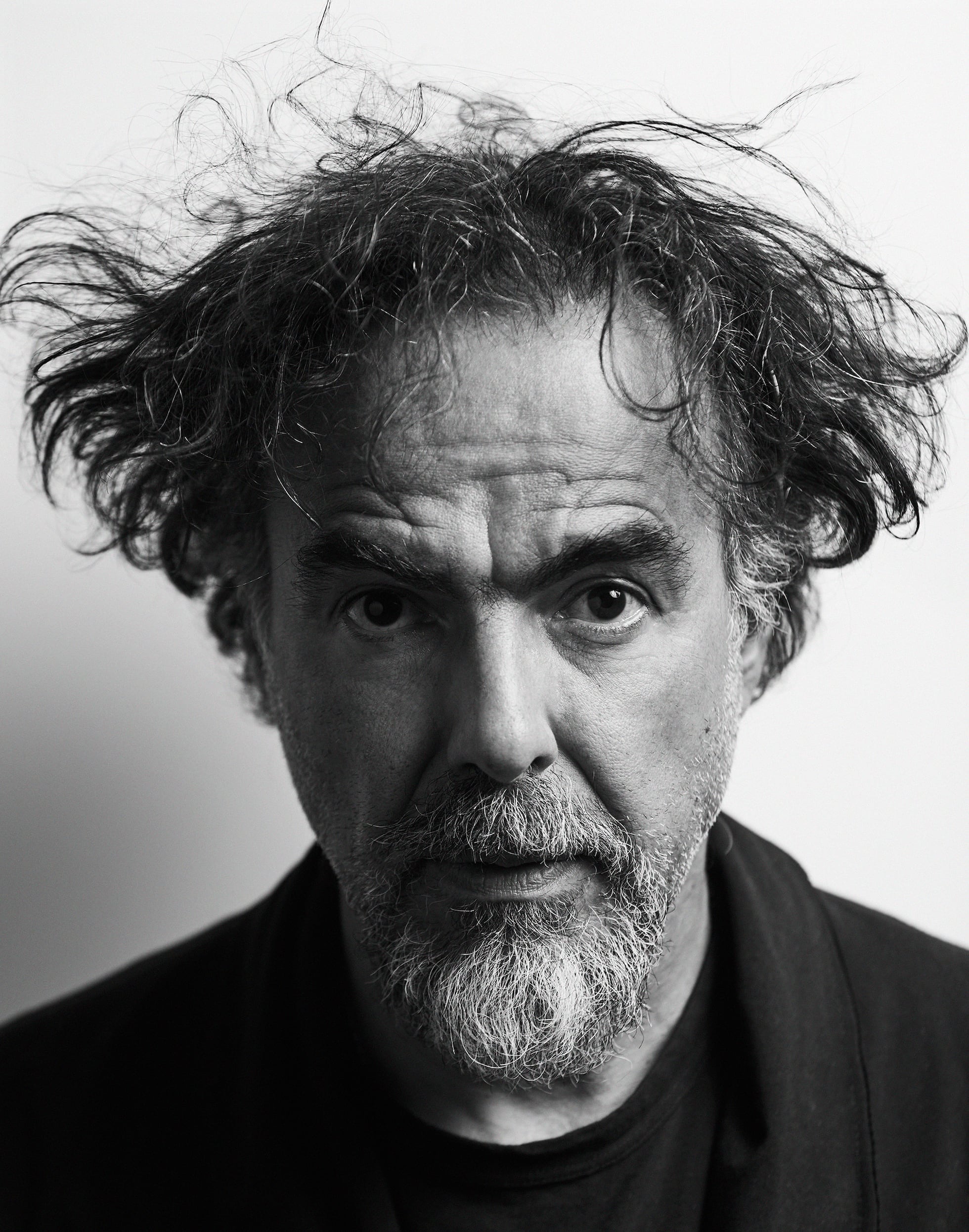
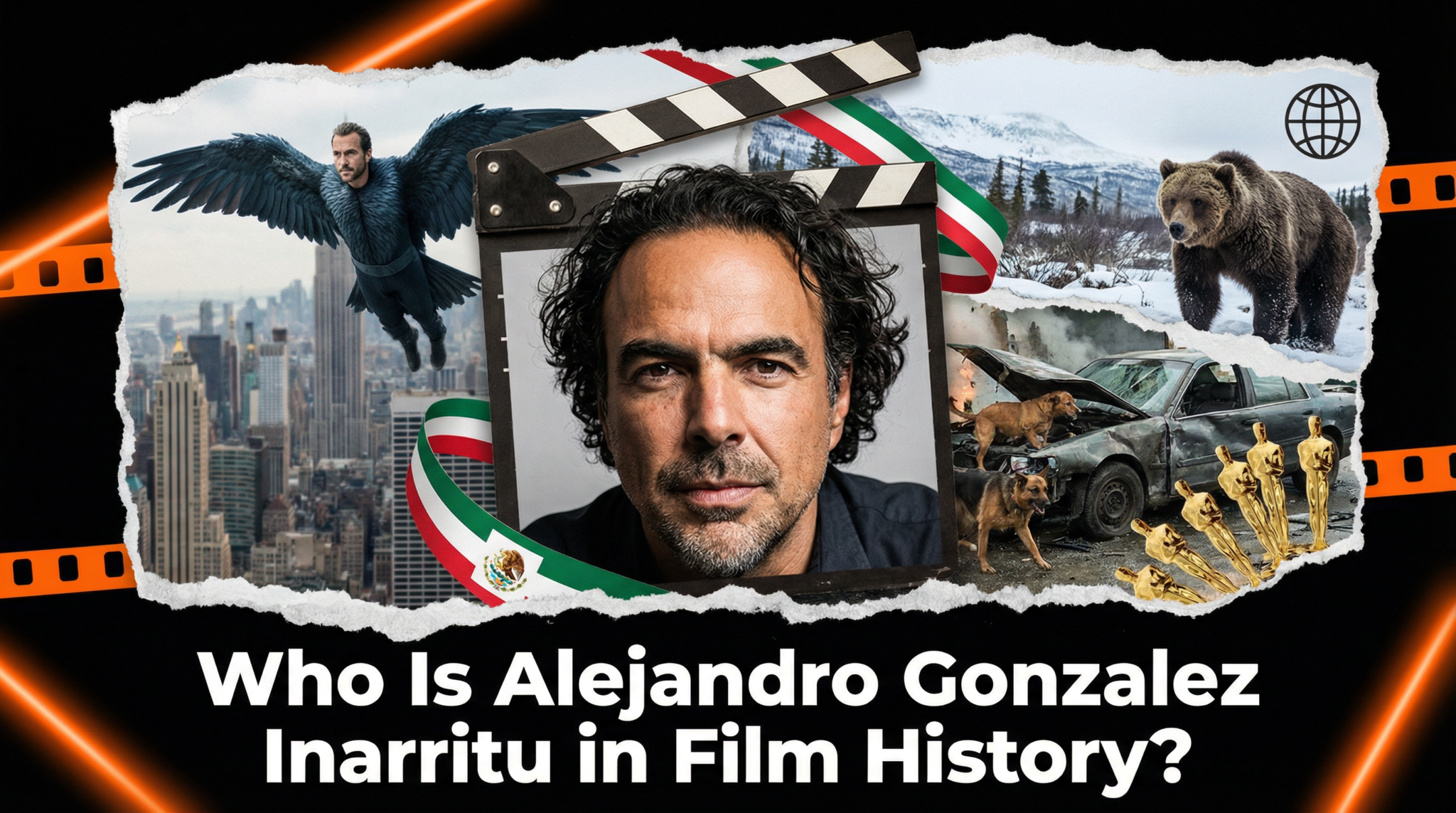
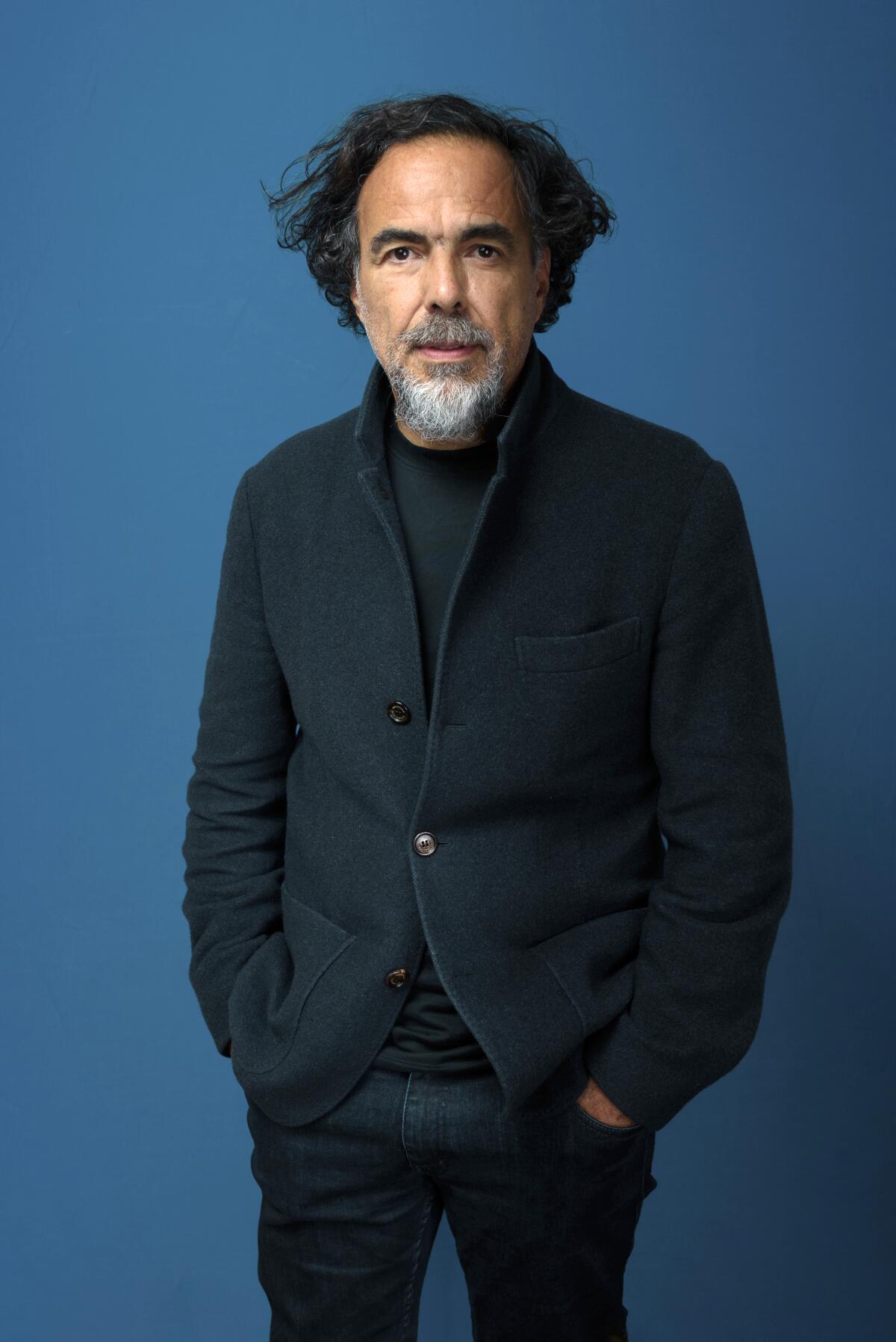
Alejandro González Iñárritu is a visionary Mexican filmmaker, screenwriter, and producer renowned for his profound exploration of the human condition through non-linear narratives and technical innovation. As of 2026, he remains a titan of global cinema, celebrated for winning back-to-back Academy Awards for Best Director and for his pivotal role in the "Three Amigos" of Mexican filmmaking alongside Alfonso Cuarón and Guillermo del Toro.
While the name "Alejandro González" is shared by several notable figures—including the Colombian professional tennis player and the former world champion boxer "La Cobrita"—the primary search intent and cultural footprint overwhelmingly point to the director Alejandro González Iñárritu. This analysis focuses on his career trajectory, his technical contributions to the medium of film, and his standing in the cinematic landscape as of 2026.
Early Life and the Transition from Radio to Film
Born on August 15, 1963, in Mexico City, Alejandro González Iñárritu’s path to the director's chair was unconventional. Unlike many of his contemporaries who attended elite film schools in their youth, Iñárritu began his career in the mid-1980s as a radio host at the Mexican station WFM. His work as a DJ and music producer provided him with a unique perspective on rhythm, pacing, and auditory storytelling—elements that would later become hallmarks of his cinematic style.
By the early 1990s, he transitioned into television and commercial production through his company, Z Films. This period was essential for his technical development. Iñárritu learned the logistics of high-end production and began experimenting with visual storytelling. However, it was his meeting with novelist and screenwriter Guillermo Arriaga that set the stage for his breakthrough. Their collaboration focused on "hyperlink cinema"—a style where multiple disparate storylines intersect through a single event—which redefined Mexican cinema for a global audience.
The "Trilogy of Death" and the Arriaga Partnership
The partnership between Iñárritu and Arriaga produced three of the most influential films of the early 21st century, often referred to as the "Trilogy of Death." These films established Iñárritu as a master of raw, gritty realism and complex narrative structures.
- Amores Perros (2000): This film was a watershed moment for the Mexican film industry. It used three distinct stories connected by a car accident in Mexico City to explore themes of loss, regret, and the canine-human bond. It earned an Oscar nomination for Best Foreign Language Film and launched Gael García Bernal’s international career.
- 21 Grams (2003): Moving to an English-language production, Iñárritu used a non-linear structure to explore the lives of three people brought together by a tragic accident. The film’s title refers to the belief that a human body loses 21 grams at the moment of death, symbolizing the weight of the soul.
- Babel (2006): This ambitious project spanned four countries (Morocco, Mexico, Japan, and the United States) and utilized multiple languages. It served as a meditation on the breakdown of communication in a globalized world. Babel won the Golden Globe for Best Motion Picture – Drama and earned Iñárritu his first Best Director nomination at the Academy Awards.
The eventual dissolution of the partnership with Arriaga marked a turning point. While the "Trilogy of Death" relied heavily on narrative complexity, Iñárritu’s subsequent work shifted toward more internal, spiritual, and technically daring territories.
Artistic Evolution: From Gritty Realism to Magical Realism
Following the conclusion of his collaboration with Arriaga, Iñárritu directed Biutiful (2010), starring Javier Bardem. This film represented a shift from the multi-narrative structure to a singular, linear focus on a man facing his own mortality. It was a darker, more spiritual film that hinted at the magical realism Iñárritu would later explore more fully.
The 2014 release of Birdman or (The Unexpected Virtue of Ignorance) signaled a radical departure in style. Moving away from the gritty aesthetics of his earlier work, Iñárritu utilized a stylized, satirical approach to the world of Broadway and celebrity culture. The film was famously edited to appear as one continuous, unbroken shot. This technical feat was not merely a gimmick but served to immerse the audience in the frantic, deteriorating mental state of the protagonist. Birdman swept the 87th Academy Awards, winning Best Picture, Best Director, and Best Original Screenplay.
Technical Mastery and the "Chivo" Collaboration
A critical component of Iñárritu’s success has been his long-standing collaboration with cinematographer Emmanuel "Chivo" Lubezki. Their partnership reached its zenith with The Revenant (2015). This film is a study in extreme filmmaking, shot almost entirely with natural light in remote locations across Canada and Argentina.
Iñárritu pushed his cast and crew to the brink of physical endurance to capture the visceral reality of survival. The use of wide-angle lenses and long, sweeping takes created an intimate yet epic scale. With The Revenant, Iñárritu won his second consecutive Oscar for Best Director, a feat previously achieved only by John Ford and Joseph L. Mankiewicz. This solidified his status as a director who prioritizes the sensory experience of the viewer, often prioritizing "feeling" over traditional narrative exposition.
Bardo and the Reflective Era (2022–2026)
By 2026, film historians view the release of Bardo, False Chronicle of a Handful of Truths (2022) as the beginning of Iñárritu’s "Reflective Era." Bardo was a deeply personal, semi-autobiographical project that returned him to his roots in Mexico. It moved further away from traditional logic, embracing a dream-like, surrealist structure to explore themes of identity, memory, and the history of Mexico.
While Bardo received a polarized response from critics—some calling it self-indulgent and others praising its visual brilliance—it demonstrated Iñárritu’s refusal to stagnate. In the years leading up to 2026, he has increasingly focused on the intersection of cinema and other media. His 2017 virtual reality installation, Carne y Arena, which explored the immigrant experience, remains a benchmark for how directors can use VR for empathetic storytelling.
Comparison of Alejandro González Iñárritu’s Key Works
The following table compares the distinct technical and thematic approaches found across his major filmography.
| Film | Narrative Structure | Primary Theme | Technical Highlight | Key Award Recognition |
|---|---|---|---|---|
| Amores Perros | Multi-narrative / Intersecting | Fate and Class Struggle | Gritty, handheld cinematography | BAFTA Best Foreign Film |
| Babel | Global Interwoven Stories | Communication Breakdown | Multi-national, multilingual cast | Cannes Best Director |
| Birdman | Simulated Continuous Shot | Ego and Artistic Validation | Seamless digital stitching | Academy Award Best Picture |
| The Revenant | Linear Survivalist | Resilience and Revenge | Natural light / Extreme locations | Academy Award Best Director |
| Bardo | Surrealist / Dream-logic | Cultural Identity and Memory | 65mm large-format visuals | Venice Film Festival Nominee |
Directorial Philosophy and Influence on Global Cinema
Iñárritu’s philosophy is rooted in the belief that cinema should be an "experiential" medium rather than a purely "storytelling" one. He often discusses the "space between the frames"—the emotional resonance that lingers after a scene ends. This approach has influenced a generation of filmmakers to experiment with long takes and immersive sound design.
As part of the "Three Amigos," Iñárritu helped change the perception of Mexican cinema on the world stage. Before this era, international audiences often viewed Mexican film through the lens of folk traditions or low-budget genre movies. Iñárritu, along with Cuarón and del Toro, brought a sophisticated, high-concept sensibility that blended European art-house aesthetics with Hollywood production values.
In the 2020s, Iñárritu has also been an outspoken advocate for the preservation of the theatrical experience. As streaming services have dominated the market, he has remained steadfast in his commitment to large-scale, visually demanding films that require the immersion of a cinema hall to be fully appreciated.
Frequently Asked Questions
Is Alejandro González the same person as the drummer for Maná?
No. Alejandro "Alex" González is the drummer for the famous Mexican rock band Maná. While both are high-profile figures in the Mexican arts scene, Alejandro González Iñárritu is specifically a filmmaker. They are often confused due to the commonality of the name, but their professional fields are entirely separate.
How many Oscars has Alejandro González Iñárritu won?
As of 2026, Alejandro González Iñárritu has won five Academy Awards. His wins include Best Director and Best Picture for Birdman (2014), Best Original Screenplay for Birdman, Best Director for The Revenant (2015), and a Special Achievement Award for his virtual reality project Carne y Arena (2017).
Why did Iñárritu stop working with Guillermo Arriaga?
The professional relationship ended due to a public dispute regarding the authorship of their films. Arriaga, the screenwriter, felt that the "Director" label overshadowed the "Writer" in the "Auteur" theory, arguing that the films were collaborative creations. Iñárritu maintained that the final visual and editorial execution was the director's domain. They have not worked together since Babel in 2006.
What is the significance of the "One Shot" in Birdman?
The continuous shot in Birdman was designed to mirror the immediacy of live theater and the claustrophobic nature of the protagonist’s ego. By removing visible cuts, Iñárritu forced the audience to stay in the moment with the characters, creating a sense of escalating tension and preventing the viewer from "escaping" the narrative through traditional transitions.
Does Alejandro González (the athlete) still compete in 2026?
Alejandro González, the Colombian tennis player, reached a career-high ranking of world No. 70 earlier in his career. By 2026, having been born in 1989, he is considered a veteran of the sport and has transitioned primarily into coaching or the ATP Challenger circuit, moving away from the peak of Grand Slam competition.
Engaging with the Iñárritu Canon
For those looking to explore the works of Alejandro González Iñárritu, it is recommended to view his films in chronological order to appreciate his stylistic evolution. Starting with Amores Perros provides a baseline for his interest in urban chaos and human interconnectedness. Transitioning into Birdman and The Revenant showcases his peak technical mastery and his shift toward immersive, singular character studies.
As a filmmaker, Iñárritu’s legacy is defined by his willingness to take massive risks—whether financial, physical, or narrative. In 2026, his body of work stands as a testament to the idea that cinema can be both a grand spectacle and a deeply personal investigation of the soul.