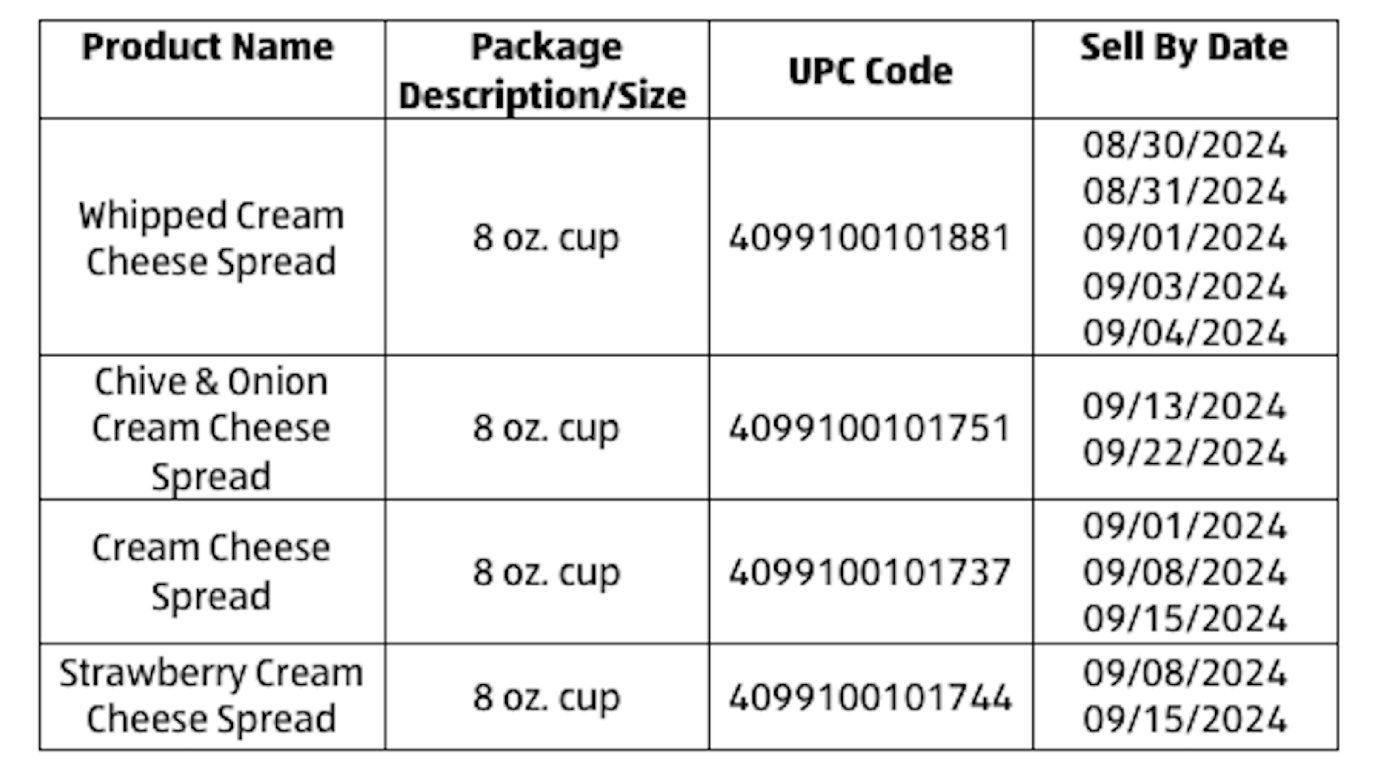
Navigating food safety alerts requires prompt access to accurate identification details, clear refund procedures, and actionable steps to handle potentially compromised dairy items safely. When dairy products are pulled from shelves due to contamination risks, consumers must quickly verify batch numbers, understand health implications, and know how to secure refunds without needing a receipt.
Food safety regulations and supply chain complexities occasionally result in the withdrawal of dairy products from supermarket shelves. For major grocery chains like Aldi, maintaining consumer trust involves swift collaboration with regulatory bodies such as the U.S. Food and Drug Administration (FDA) or the Canadian Food Inspection Agency (CFIA) to remove compromised merchandise. Understanding why these events happen, how to identify affected merchandise, and what actions to take ensures that households remain protected against foodborne pathogens while minimizing waste and financial loss.
The Mechanics of Dairy Recalls at Retail Grocers
Food product withdrawals typically originate from routine quality assurance testing, supplier notifications, or consumer illness reports. When a dairy processing facility detects biological contamination—such as Listeria monocytogenes, Salmonella, or E. coli—or unlisted allergens, standard operating procedures dictate an immediate quarantine of the affected batches.
For private-label grocers like Aldi, products are sourced from various third-party creameries and manufacturers. While these suppliers maintain strict quality control protocols, processing environments can occasionally harbor pathogens. Once a contamination source is identified, the manufacturer coordinates with federal regulators and the retailer to issue a public safety notice. This notice triggers an immediate stop-sale order across distribution centers and retail store locations, followed by the removal of remaining inventory from display cases.
Identifying Affected Products: Labels, Codes, and Varieties
Recognizing whether a dairy item in your refrigerator is part of a safety alert requires careful inspection of product packaging. Supermarket dairy aisles feature dozens of similar cheese varieties—including cheddars, goudas, brie wheels, and snack packs—making visual identification alone insufficient.
Shoppers must examine specific identifiers printed on the outer packaging:
- Brand Name: While Aldi sells many items under its exclusive private labels (such as Emporium Selection, Specially Selected, or Happy Farms), third-party brand names distributed through the store may also be implicated.
- Universal Product Code (UPC): This barcode number remains unique to the specific item, size, and packaging format.
- Lot Numbers and Best-By Dates: These tracking markers pinpoint the exact production run, shift, and facility where the cheese was manufactured.
Regulatory notices always list these precise data points. Consumers should never rely exclusively on the product name or package appearance when determining eligibility for a refund or checking for safety risks.
| Product Category | Typical Identifiers to Check | Primary Health Hazard | Standard Action Required |
|---|---|---|---|
| Soft Ripened Cheeses | UPC, Plant Code, Best-By Date | Listeria monocytogenes | Discard or Return for Refund |
| Hard and Semi-Hard Blocks | Lot Number, Production Date | Salmonella or Foreign Object | Discard or Return for Refund |
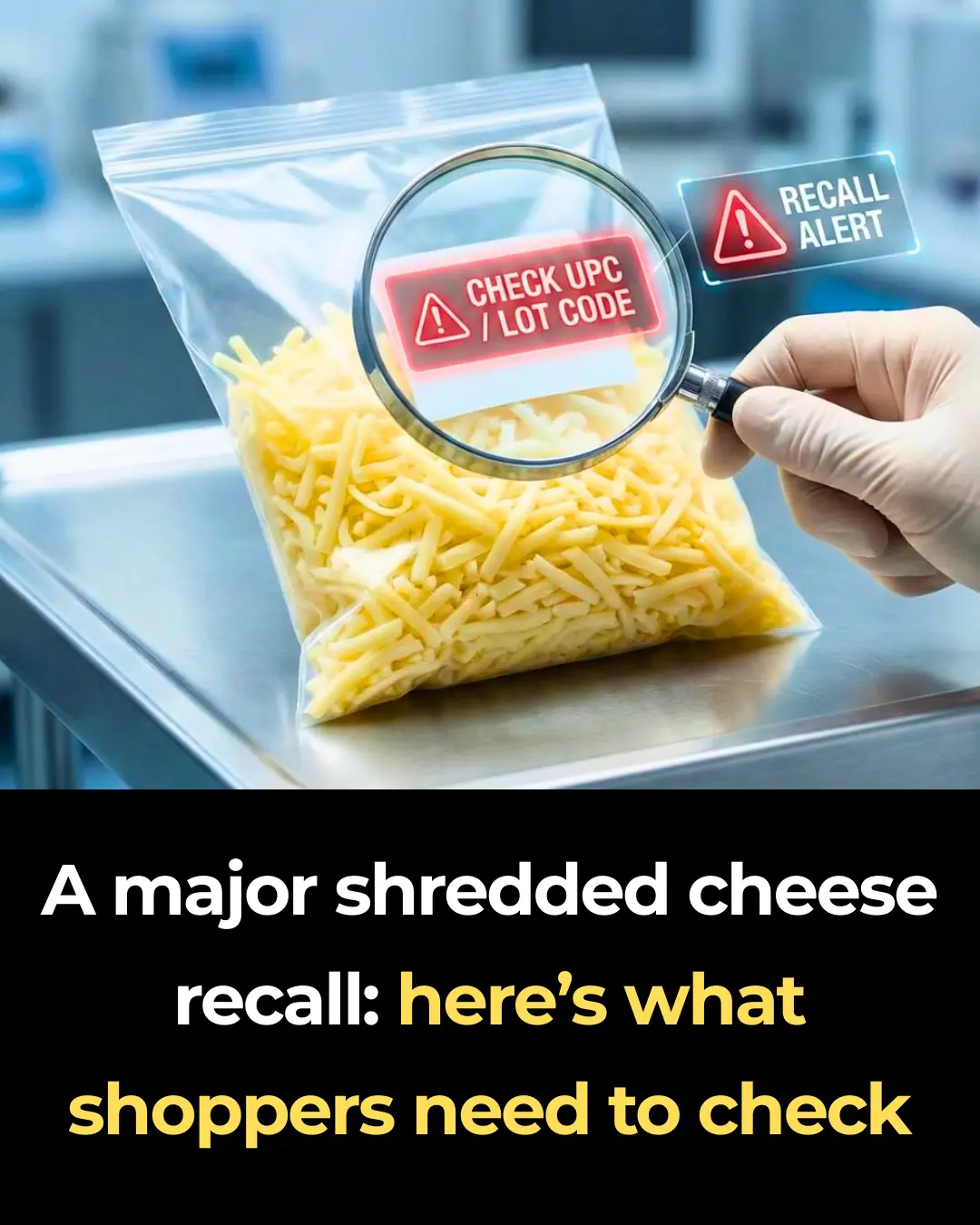
| Shredded and Snack Packs | UPC, Sell-By Range | Pathogenic Contamination | Discard or Return for Refund |
Health Risks Associated with Compromised Dairy
The primary biological hazards associated with dairy product safety alerts are bacterial pathogens capable of surviving in refrigerated environments. Soft cheeses with high moisture content and neutral pH levels provide an ideal growth medium for Listeria monocytogenes, a bacterium that can multiply even at cold temperatures.
Unlike many other foodborne illnesses, listeriosis can cause severe complications for vulnerable populations, including pregnant individuals, newborns, older adults, and those with compromised immune systems. Symptoms include fever, muscle aches, headache, stiff neck, confusion, loss of balance, and convulsions. In pregnant individuals, the infection can lead to miscarriages, stillbirths, or premature delivery, even if the expectant parent experiences only mild symptoms.
Pathogens like Salmonella and E. coli present different acute gastrointestinal risks, typically manifesting within hours or days of consumption through severe abdominal cramps, diarrhea, and vomiting. Understanding these risks underscores the importance of treating safety notices with urgency rather than assuming home refrigeration neutralizes the threat.
Consumer Action Steps: Refunds, Disposal, and Kitchen Sanitation
When an item in your home is matched to a published safety alert, immediate steps must be taken to mitigate exposure risks. Hesitation or improper disposal can lead to accidental cross-contamination within domestic food storage areas.
First, secure the item so that no member of the household or pet consumes it. Place the package inside a sealed plastic bag before depositing it into an outdoor waste receptacle, ensuring it cannot be accessed by animals or scavengers.
Second, utilize the retailer’s return policy. Most major grocers offer a full refund for recalled merchandise, frequently without requiring the original cash register receipt. Shoppers can bring the package or a clear photograph of the product label containing the UPC and lot number to the customer service desk of their local store.
Third, sanitize any surfaces that came into contact with the item. Refrigerator shelves, deli drawers, countertops, knives, and reusable storage containers must be washed thoroughly with hot, soapy water followed by a food-safe sanitizing solution. This prevents lingering pathogens from transferring to fresh foods stored nearby.
Verifying Safety Alerts Through Official Channels
Relying on social media rumors or unverified forwarded messages can lead to confusion or unnecessary panic. Consumers should consult official, authoritative channels to verify whether a specific dairy item is genuinely subject to a safety notice.
Primary resources for tracking consumer goods safety include the U.S. Food and Drug Administration Recalls, Market Withdrawals, & Safety Alerts portal and the U.S. Department of Agriculture Food Safety and Inspection Service for meat and poultry items, though dairy oversight primarily falls under the FDA and state departments of agriculture. Additionally, checking the corporate announcements page directly on the retailer's official website provides clarity regarding store-level availability and specific regional distributions.
Frequently Asked Questions
Can I eat the cheese if I cook it thoroughly?
No. Food safety agencies strongly advise against attempting to cook or melt compromised cheese to eliminate pathogens. Toxins and certain bacterial strains may not be fully neutralized by standard domestic cooking temperatures, and handling the raw item increases the risk of cross-contaminating kitchen surfaces and utensils.
Do I need a receipt to get my money back?
No. Grocery stores generally do not require a receipt for items returned under an active government or manufacturer safety notice. Presenting the physical package or clear photographic evidence of the identifying numbers is typically sufficient to receive a full cash refund or store credit.
How do I know if my specific store location was affected?
Safety notices frequently specify geographic distribution regions, identifying which states or distribution centers received the compromised shipments. Checking the official retailer announcement alongside the federal regulatory notice helps confirm whether your local shopping venue received inventory from the affected production lots.
What should I do if I already ate some of the cheese and feel fine?
If you have consumed an affected product and currently exhibit no symptoms, health authorities generally advise monitoring your health for the duration of the incubation period, which can range from a few days to several weeks depending on the pathogen. Consult a healthcare provider immediately if you develop symptoms such as fever, persistent vomiting, or severe muscle aches.
Why do these contamination events happen in modern facilities?
Despite stringent cleaning protocols, automated pasteurization, and rigorous testing schedules, industrial food processing environments are large-scale biological systems. Equipment maintenance blind spots, raw milk supply variations, or environmental persistence in facility drains can occasionally introduce pathogens into finished dairy goods before final packaging.
Protecting Your Household Through Vigilance
Remaining informed about food safety requires balancing routine caution with access to reliable verification channels. By checking purchase history against published lot codes, utilizing straightforward return policies, and maintaining rigorous kitchen hygiene, shoppers can effectively manage unexpected product withdrawals. Prioritizing verified data over speculation ensures that household food safety is maintained without unnecessary disruption.