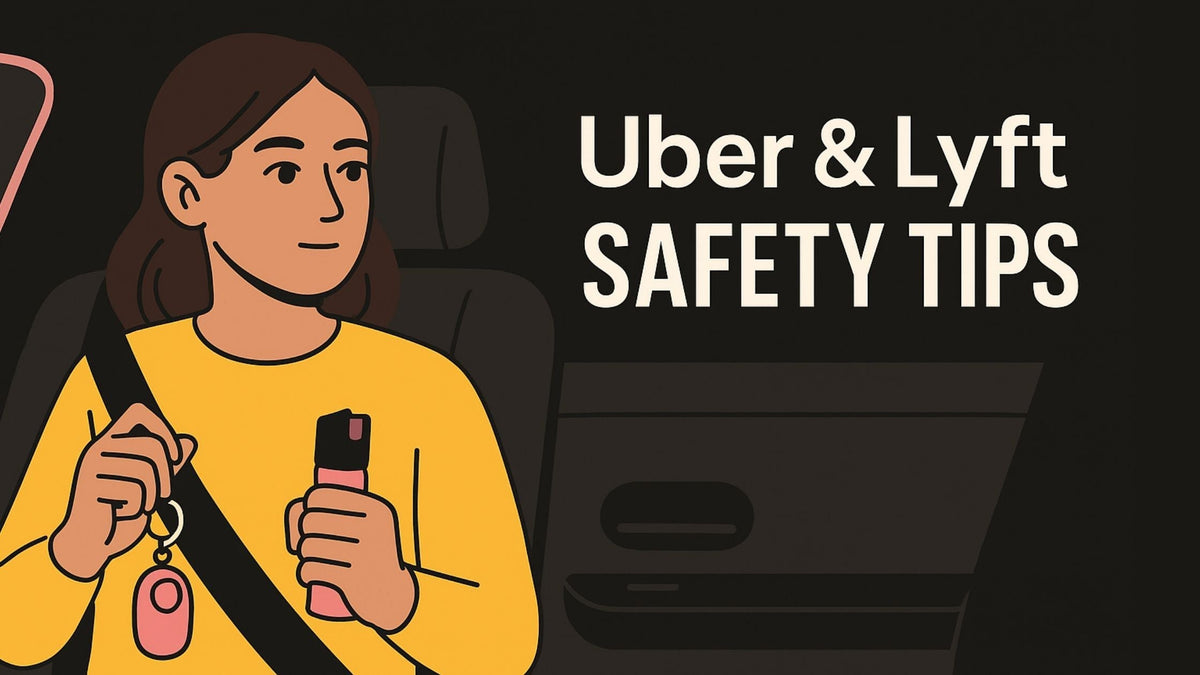
Navigating rideshare services like Uber and Lyft in Albuquerque requires a proactive approach to personal security, involving vehicle verification, route monitoring, and awareness of local transit trends. Whether you are commuting through Downtown, heading home from the Nob Hill district, or arriving at Albuquerque International Sunport, understanding how to verify your ride and protect yourself ensures a secure journey across the Duke City.
Understanding the Landscape of Albuquerque Rideshare Operations
Rideshare safety in New Mexico's largest metropolitan area involves unique local dynamics, including expansive geographic spreads, active nightlife corridors, and distinct pick-up protocols at major transit hubs. Uber and Lyft operate extensively across Bernalillo County, serving popular zones such as Old Town, the University of New Mexico campus, and Uptown. However, the urban layout—spanning from the Westside to the Foothills—means trips can cover significant distances, often crossing diverse neighborhoods with varying levels of late-night activity.
Passengers and drivers alike must contend with environmental factors unique to the region. Desert lighting conditions can make nighttime license plate reading difficult, and heavy pedestrian traffic during events like the Albuquerque International Balloon Fiesta can complicate designated pick-up zones. Recognizing these environmental challenges is the first step toward building a reliable safety routine. Rather than relying solely on app-based convenience, successful rideshare users treat every trip as a distinct operational sequence requiring active participation and verification.
Pre-Trip Preparation and Verification Protocols
The most critical window for preventing rideshare-related incidents occurs before the vehicle door ever opens. Impostor scams—where unauthorized individuals pose as ridesharing drivers to target inattentive passengers—represent a primary risk in busy entertainment districts. Establishing a rigid verification protocol neutralizes this vulnerability immediately.
Before requesting a vehicle, ensure your mobile device has sufficient battery life and that your app is updated to the latest version. When a driver accepts your trip, note the make, model, color, and license plate number displayed on your screen. Never approach a vehicle simply because the driver rolls down the window and asks, "Are you for Uber?" Instead, prompt them by asking, "Who are you here to pick up?" A legitimate driver will know your name or be able to look it up within their application.
| Verification Step | Action Required | What to Avoid |
|---|---|---|
| License Plate Check | Match the exact alphanumeric string on the app with the rear and front plates of the vehicle. | Assuming a temporary paper tag or missing plate is acceptable because of local registration laws. |
| Vehicle Identification | Confirm the exact make, model, and color before touching the door handle. | Getting into a car that looks "similar" to the app description during late-night pickups. |
| Name Exchange | Ask the driver for your name, or have them state their name and who they are picking up. | Getting into a car after the driver asks "Are you my ride?" without verifying their identity first. |
| App Trade-Off | Check that the driver's profile picture matches the person operating the vehicle. | Ignoring obvious discrepancies between the app photo and the actual driver. |
Furthermore, inspect the vehicle for mandatory state and municipal indicators. In New Mexico, commercial passenger vehicles operating through Transportation Network Companies (TNCs) typically display trade dress—such as illuminated Uber or Lyft decals—in their front and rear windshields. If a vehicle lacks these identifiers and the driver offers vague excuses, cancel the ride and report the incident through the platform interface.
In-Transit Safety Measures and Route Awareness
Once inside the vehicle, safety shifts from verification to active monitoring. Maintaining situational awareness during the ride prevents you from becoming a target for distraction-related vulnerabilities and ensures you remain on the intended path.
Always occupy the rear passenger seat when riding alone. This positioning provides physical distance from the driver, offers exits on both sides of the vehicle, and maintains a clear field of vision across the cabin. Fasten your seatbelt immediately, as this is both a legal requirement under New Mexico traffic laws and a practical safety measure against sudden braking or collisions.
Keep your personal belongings secure and within arm's reach. Do not leave wallets, phones, or bags loose on the floor or front seat where they can be easily snatched or forgotten. Throughout the trip, keep personal communication discreet. Avoid sharing sensitive personal details, home addresses, or financial information out loud while the vehicle is in motion.
Using your smartphone's GPS navigation alongside the driver’s route is an effective way to stay oriented. Major Albuquerque thoroughfares like Interstate 40, Interstate 25, Central Avenue, and Montgomery Boulevard can experience unexpected construction, accidents, or heavy congestion. If a driver deviates significantly from the app's suggested route without a clear explanation—such as avoiding a known accident on I-25—speak up, ask for clarification, and track your position in real time using your independent mapping software.
Utilizing Built-In App Security Features
Both Uber and Lyft provide robust in-app safety toolkits designed to protect users throughout their journey. Familiarizing yourself with these features before an emergency arises ensures you can deploy them swiftly if a situation escalates.
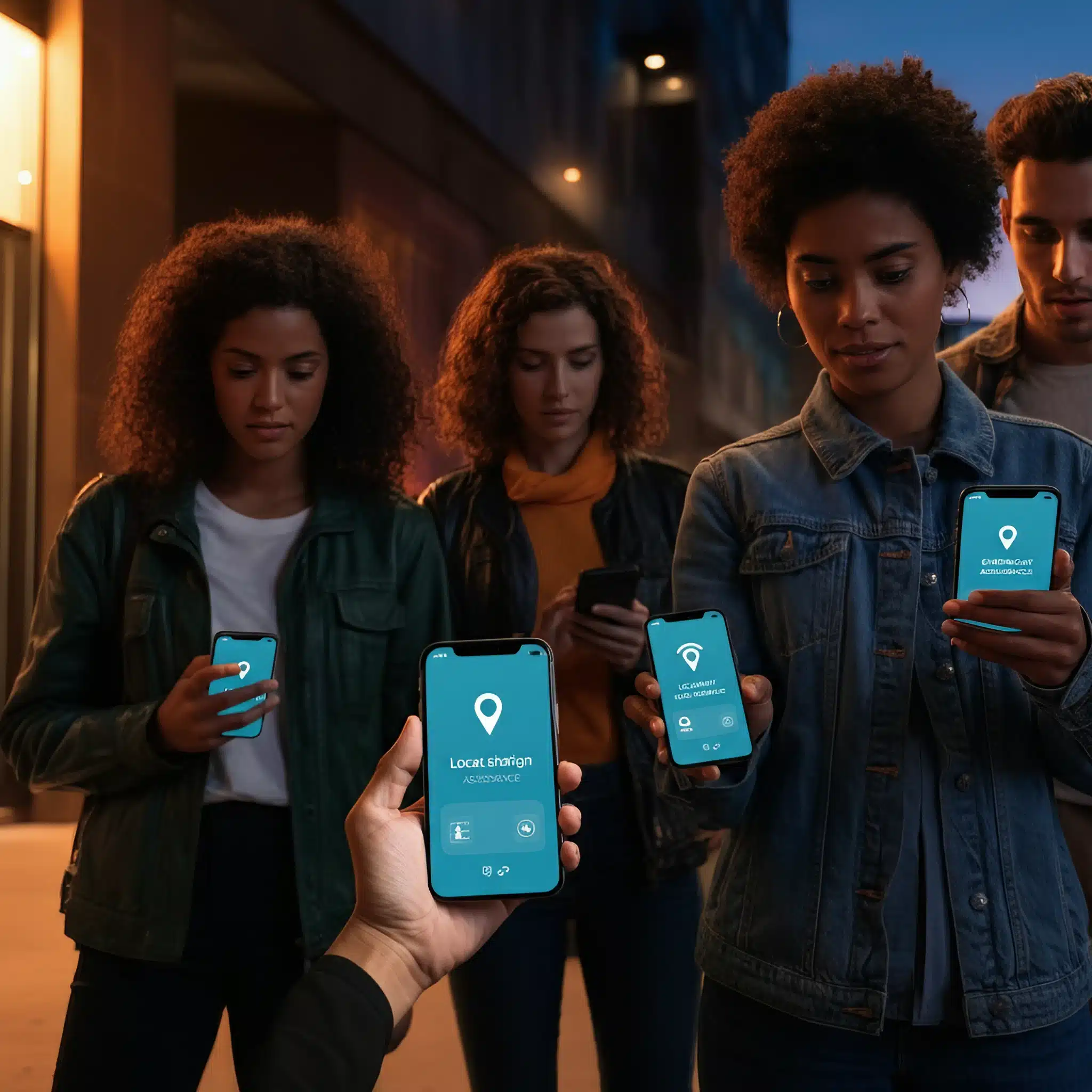
Modern rideshare applications include live trip-sharing options. You can configure your settings to automatically share your trip status with trusted friends or family members, allowing them to track your exact location on a live map from pickup to drop-off. If your route stalls unexpectedly or you feel unsafe, this feature provides immediate visibility to your personal network.
The safety toolkit also houses direct emergency assistance integration. In the event of an urgent threat, users can slide the in-app safety button to call 911 directly or connect with a dedicated safety response team. According to guidelines from the Albuquerque Police Department, riders should never hesitate to contact emergency services if they feel physically threatened or witness reckless operation of the vehicle.
Additional privacy features protect your personal data during communication. Both platforms utilize masked phone numbers and anonymous text messaging, ensuring that neither the driver nor the passenger gains access to personal telephone numbers. Always communicate through the app rather than exchanging direct cellular numbers or social media handles.
Navigating Special Pickup Zones: Albuquerque International Sunport and Event Venues
Navigating rideshare pickups in high-density or restricted zones requires adherence to specific local infrastructure rules. Attempting to hail a ride outside of designated areas can lead to confusion, delays, and heightened security risks.
At the Albuquerque International Sunport (ABQ), rideshare operations are strictly regulated. Passengers must follow airport signage directing them to the designated ground transportation and TNC pickup zones, typically located outside the commercial baggage claim area. Drivers are not permitted to pick up passengers haphazardly along departures or curbsides reserved for private vehicles. Confirming your pickup location inside the terminal before heading outside prevents wandering through busy traffic lanes.
Similarly, major local events—such as Isotopes baseball games at Isotopes Park, concerts at Isleta Amphitheater, or the massive crowds attending the Balloon Fiesta Park—require strategic coordination. Cell phone towers can become overloaded during major gatherings, potentially delaying app updates or route loading. To maintain safety during these events:
- Move away from dense crowds toward a well-lit, stationary meeting point before requesting your ride.
- Confirm your vehicle's physical location using cross-streets rather than relying on general venue names.
- Stay inside a secure building or public venue if your app indicates a long wait time, rather than standing vulnerable on a dark curbside.
Best Practices for Rideshare Drivers in Albuquerque
While passenger security is paramount, Albuquerque rideshare drivers face their own set of operational risks, particularly during late-night shifts and when navigating unfamiliar residential areas. Drivers must balance customer service with strict risk management frameworks.
Drivers should establish a policy of confirming passenger identities before unlocking doors or allowing bags into the vehicle. Asking passengers to state the name on the account or checking their destination match prevents unauthorized individuals from entering the vehicle and protects the driver from liability issues.
Managing vehicle access is equally vital. Utilizing child locks on rear doors prevents unexpected exits while driving through high-traffic or poorly lit areas. Furthermore, drivers should trust their instincts regarding trip requests. Canceling a trip if a pickup location appears unsafe, if a passenger exhibits aggressive behavior, or if too many individuals attempt to crowd into a standard vehicle is fully within a driver's rights under platform terms of service.
Maintaining vehicle maintenance—including functioning headlights, clean windows, and reliable braking systems—is essential for safe navigation across Albuquerque's varied terrain, from unpaved roads in outlying areas to high-speed interstate corridors. Drivers should also invest in dual-facing dashcams, which provide an objective record of events inside and outside the vehicle, offering legal protection and behavioral deterrence.
Frequently Asked Questions About Albuquerque Rideshare Safety
What should I do if my Albuquerque rideshare driver's car does not match the app?
Do not enter the vehicle. If the license plate, make, model, or driver's appearance does not match the app profile, cancel the trip immediately. Report the discrepancy to the rideshare platform so they can investigate the account and prevent potential impersonation scams.
Are rideshare pickups permitted curbside at the Albuquerque International Sunport?
No. Rideshare pickups at the Albuquerque International Sunport must occur within the designated ground transportation and TNC pickup zones specified by airport authorities. Drivers cannot legally pick up passengers at the upper-level departures curb.
How can I share my trip with someone else in real time?
Both Uber and Lyft feature built-in trip-sharing tools within their respective safety menus. Before or during your ride, tap the "Share Trip" option to send a live tracking link via text message to a trusted contact, allowing them to monitor your route until you arrive safely.
What steps should I take if my driver is driving recklessly?
Firmly and politely ask the driver to slow down or correct their driving behavior. If the behavior continues, ask them to pull over immediately, exit the vehicle in a safe public area, and use the in-app emergency button or call 911 to report the incident.
Can drivers refuse a ride if they feel unsafe in Albuquerque?
Yes. Rideshare drivers operate as independent contractors and retain the right to cancel or decline trips if they feel threatened, if the pickup location is unlit or unsafe, or if passenger behavior violates platform community guidelines.
Safe Transit Action Plan
Ensuring a secure rideshare experience in Albuquerque relies on consistent execution of verification habits and situational awareness. Bookmark your platform's safety center, verify every vehicle before opening the door, occupy the rear seat, and maintain active awareness of your route from pickup to destination. By treating personal safety as an active process rather than an afterthought, passengers and drivers can navigate the city's transport network with confidence and security.