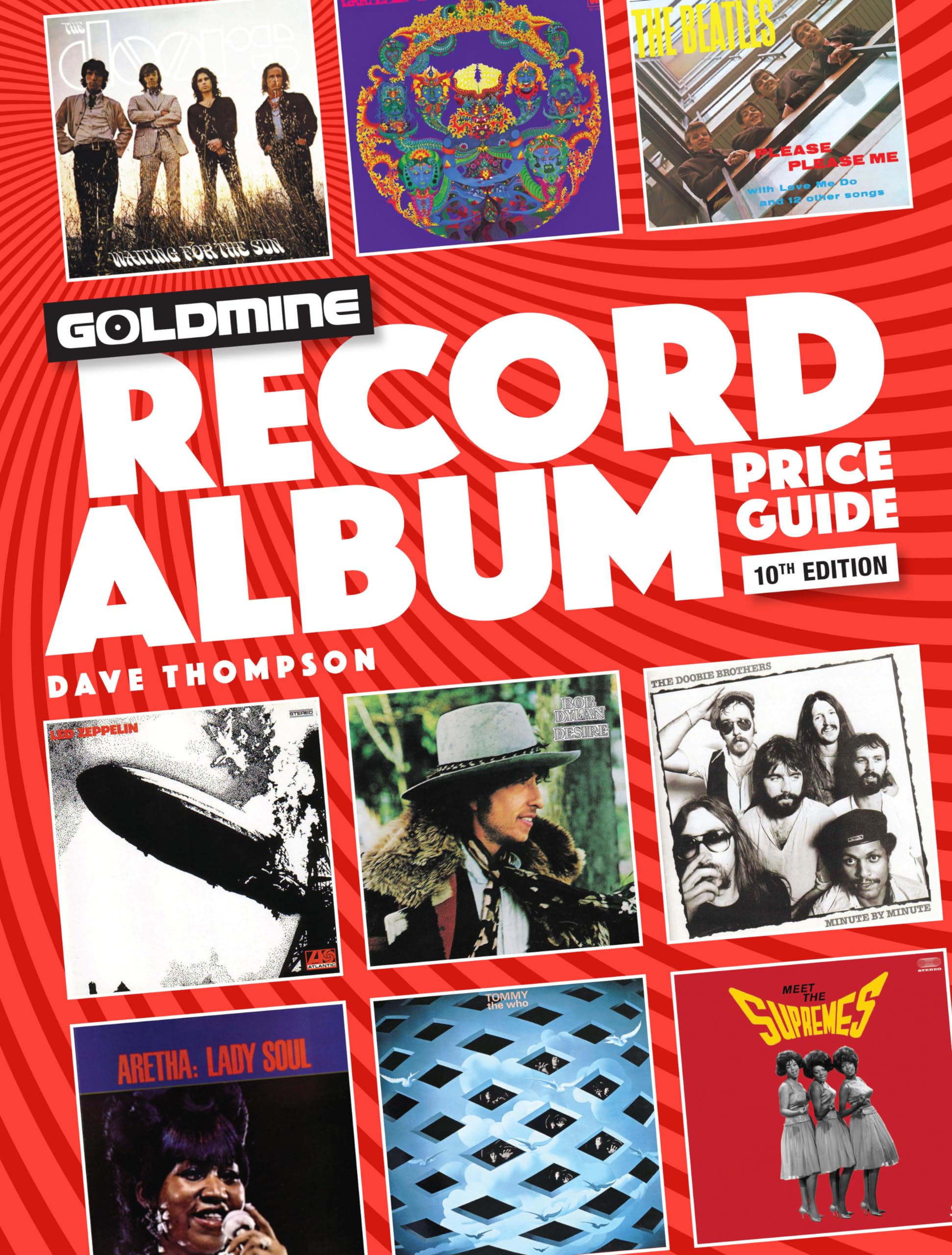
An album guide serves as an authoritative reference manual for exploring, cataloging, and evaluating recorded music collections. Whether you are navigating physical vinyl pressings, compact discs, or high-resolution digital streams, these structured guides provide context, release histories, and critical analysis to help listeners evaluate track listings, production values, and artistic evolution over time.
Defining the Scope and Structure of an Album Guide
An album guide functions as a structured roadmap through an artist's discography, a specific genre's foundational releases, or a record label's catalog. Unlike a standard review that focuses on a single release at a specific moment in time, an album guide contextualizes individual recordings within a broader historical and artistic framework. It addresses how a band or solo performer transitioned between musical styles, how production techniques evolved across different eras, and which pressings or masterings offer the highest fidelity for collectors.
When organizing an effective album guide, curators typically establish clear evaluative criteria. These parameters ensure that readers can differentiate between essential masterworks, solid genre entries, and non-essential contractual obligations or poorly mastered reissues. By examining songwriting consistency, instrumental execution, and the cultural impact of a release, an album guide transforms raw lists of song titles into a coherent narrative of musical development.
Understanding these structural layers is essential for both casual listeners and dedicated musicologists. A well-constructed guide does not merely tell the reader what to listen to; it explains why a particular record matters, how it influenced subsequent generations of musicians, and what pitfalls to avoid when purchasing physical copies or streaming high-fidelity audio files.
Historical Evolution of Album Documentation
The tradition of the album guide dates back to the mid-20th century, coinciding with the commercial adoption of the 12-inch long-playing (LP) vinyl record. As record labels shifted their primary focus from standalone singles to cohesive, multi-track album projects, music criticism had to adapt. Print publications began publishing specialized discographies and buyer's guides to help consumers navigate expanding record store bins.
During the late 1970s and 1980s, comprehensive reference books such as The Rolling Stone Record Guide established a rigorous star-rating system and critical methodology for evaluating popular music. These physical volumes became indispensable tools for record collectors, public libraries, and radio programmers. Reviewers attempted to establish objective benchmarks for artistic achievement while acknowledging the subjective nature of musical taste.
With the advent of the internet in the late 1990s and early 2000s, album guides migrated from static print encyclopedias to dynamic digital databases. Online platforms expanded coverage to include rare indie releases, international recordings, and obscure back-catalogs that were previously difficult to document. Today, modern digital album guides incorporate user metadata, streaming integration, and dynamic peer reviews alongside traditional editorial curation.
Core Elements Evaluated in Modern Album Guides
Evaluating a recorded work requires a systematic approach to multiple technical and artistic components. When a guide assesses an album, it breaks the listening experience down into distinct analytical categories to provide a balanced overview.
- Composition and Songwriting: The structural integrity of the melodies, harmonic arrangements, lyricism, and thematic consistency across the track listing.
- Production and Engineering: The quality of the mix, microphone placement, dynamic range preservation, and overall sonic signature established by the producer and recording engineer.
- Performance and Arrangement: The technical proficiency, emotional delivery, and interplay of the musicians involved in the recording sessions.
- Historical Context: The cultural climate surrounding the release, its influence on contemporary artists, and its long-term legacy within its specific genre.
- Physical and Digital Packaging: The fidelity of the master recording used for specific reissues, liner notes, artwork restoration, and bonus material inclusion.
| Evaluation Metric | Physical Media (Vinyl/CD) Focus | Digital/Streaming Focus |
|---|---|---|
| Audio Fidelity | Pressing plant quality, lacquer cuts, groove wear, dynamic range. | Bitrate, sample rate, lossless codec availability (FLAC/ALAC). |
| Metadata Accuracy | Runout groove etchings, matrix numbers, barcode verification. | Tag completeness, artist credits, release year accuracy. |
| Archival Value | Original gatefold sleeves, inserts, posters, OBI strips. | Master file preservation, digital booklet inclusion, permanence. |
| Accessibility | Secondary market availability, grading standards (Goldmine). | Regional streaming rights, platform catalog stability. |
Navigating Physical vs. Digital Formats
One of the primary responsibilities of a comprehensive album guide is addressing the format in which the music is experienced. The resurgence of vinyl records, the enduring resilience of compact discs, and the dominance of high-resolution streaming services each present distinct considerations for music enthusiasts. An effective guide helps readers determine which format best suits their listening habits, budget, and acoustic setup.
Vinyl records require careful consideration of pressing plants, weight (e.g., 180-gram vinyl), and mastering sources. A guide will often distinguish between an original pressing from the release year and a modern 180-gram reissue, noting whether the reissue was sourced from digital files (AAD/DAD) or original analog master tapes (AAA). These distinctions directly impact the sonic presentation and monetary value of the physical object.
Conversely, digital streaming guides focus on network bandwidth, digital-to-analog converter (DAC) capabilities, and lossless compression formats. While streaming offers instantaneous access to millions of albums, digital guides emphasize the importance of verifying whether a platform delivers uncompressed audio or lossy AAC files. Understanding these format-specific nuances ensures that listeners extract the maximum possible fidelity from their chosen medium.
Common Pitfalls and Misconceptions in Discography Research
When consulting album guides or compiling personal collections, enthusiasts frequently encounter several recurring obstacles. Recognizing these pitfalls prevents costly purchasing mistakes and superficial interpretations of an artist's body of work.
A frequent error is treating a compilation or "greatest hits" album as a substitute for primary studio records. While compilations serve as useful introductory primers, they often disrupt the narrative flow, thematic cohesion, and sequence intended by the artist. Furthermore, many compilation tracks are remixed or edited for radio, removing them from their original artistic context.
Another common misconception involves master tape degradation and brickwall limiting. Listeners often assume that a newly remastered CD or digital download sounds superior to an older release. However, modern remasters frequently suffer from compressed dynamic range—colloquially known as the "loudness wars"—where quiet passages are amplified and loud peaks are clipped, resulting in listening fatigue. A reliable album guide highlights these technical flaws, directing collectors toward well-mastered editions rather than automatically endorsing the newest release.
Frequently Asked Questions
What makes an album guide reliable?
A reliable album guide relies on verified historical data, transparent evaluation criteria, and deep familiarity with an artist's entire catalog. It avoids hyperbole, clearly distinguishes between objective production facts and subjective taste, and cites specific masterings or pressings when discussing audio quality.
Should I trust star ratings in album guides?
Star ratings and numerical scores provide a useful shorthand for quick comparisons, but they should always be read alongside the accompanying explanatory text. A concise review paragraph explains the nuance behind a score, detailing why a particular record received its rating.
How do I know which vinyl pressing to buy?
Consulting specialized discography databases and detailed album guides helps identify specific matrix numbers or deadwax inscriptions associated with highly regarded pressings. Reviewers often compare masterings from different countries and eras to isolate which version offers the best balance of dynamic range and tonal accuracy.
Are digital remasters always better than original releases?
Digital remasters are not inherently superior to original releases. While some remasters successfully clean up tape hiss and restore lost clarity using modern technology, others introduce excessive dynamic compression that degrades the natural warmth and listening experience of the original mix.
What is the difference between an album guide and a review?
An album review evaluates a single release in isolation, often capturing the immediate cultural reaction at the time of publication. An album guide takes a macro perspective, examining multiple releases across a career or genre to establish a comparative hierarchy and historical context.
Building and Maintaining Your Personal Music Library
Developing a curated music collection requires a systematic approach to discovery, verification, and preservation. Begin by utilizing trusted album guides to establish a baseline of essential recordings within your preferred genres. Rather than acquiring music indiscriminately, prioritize foundational works that capture an artist's creative peak or a movement's defining moment.
As your collection expands, maintain detailed records of matrix numbers for physical media and ensure digital files retain accurate metadata tags for seamless organization. Regularly audit your collection to identify missing stylistic links or poorly mastered editions that warrant upgrading. By approaching music acquisition with informed curation, you ensure a richer, more enduring engagement with recorded art.