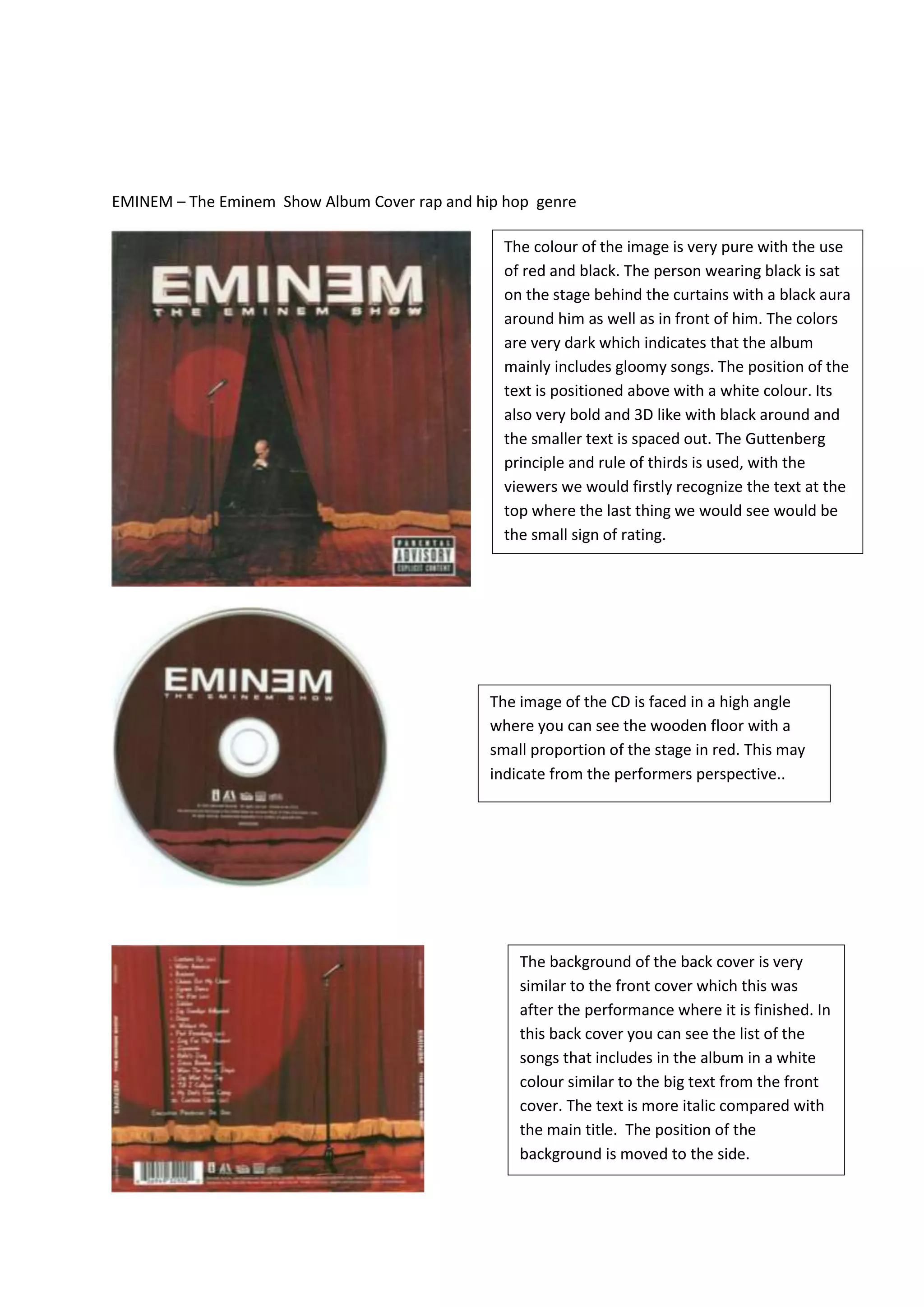
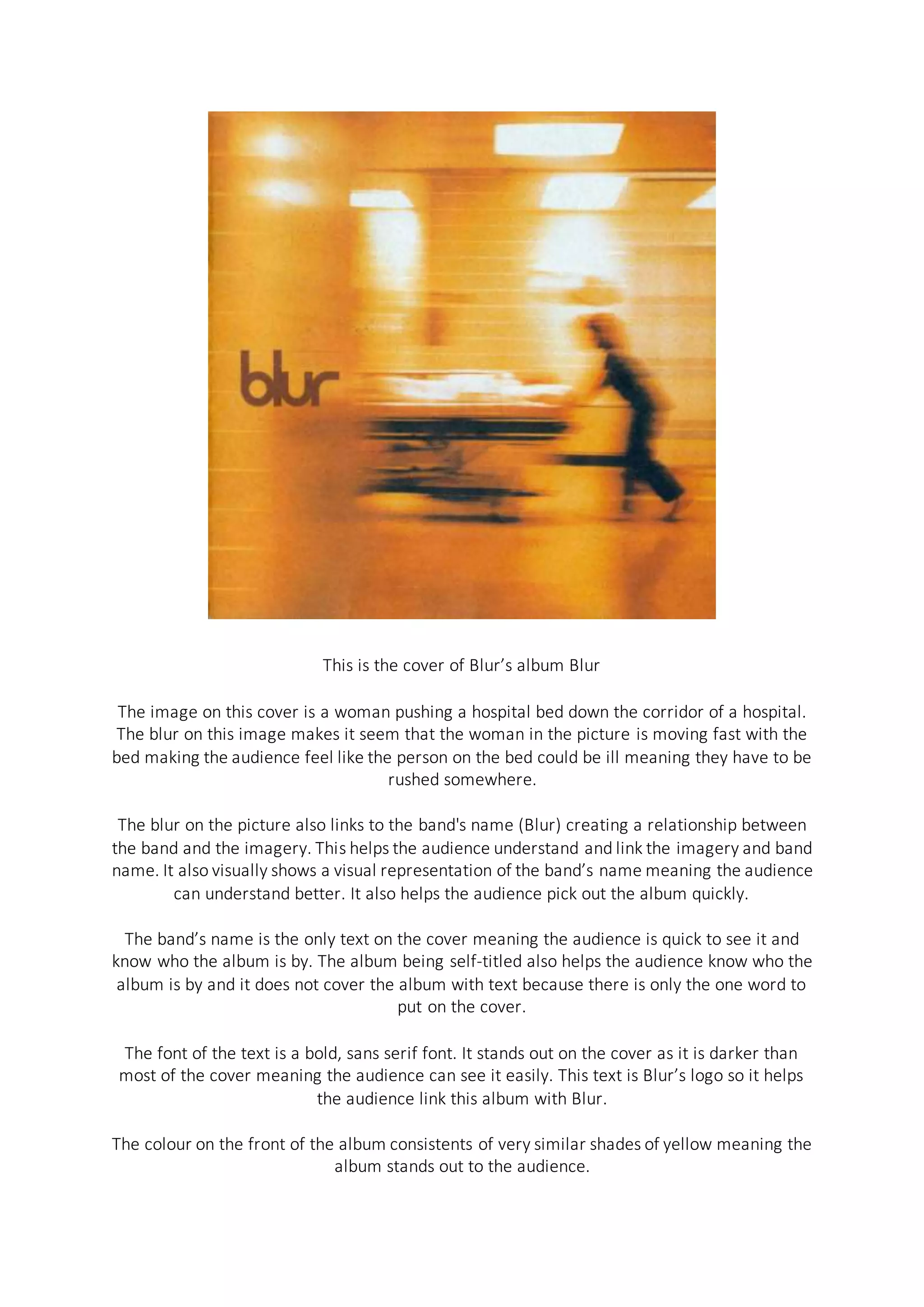
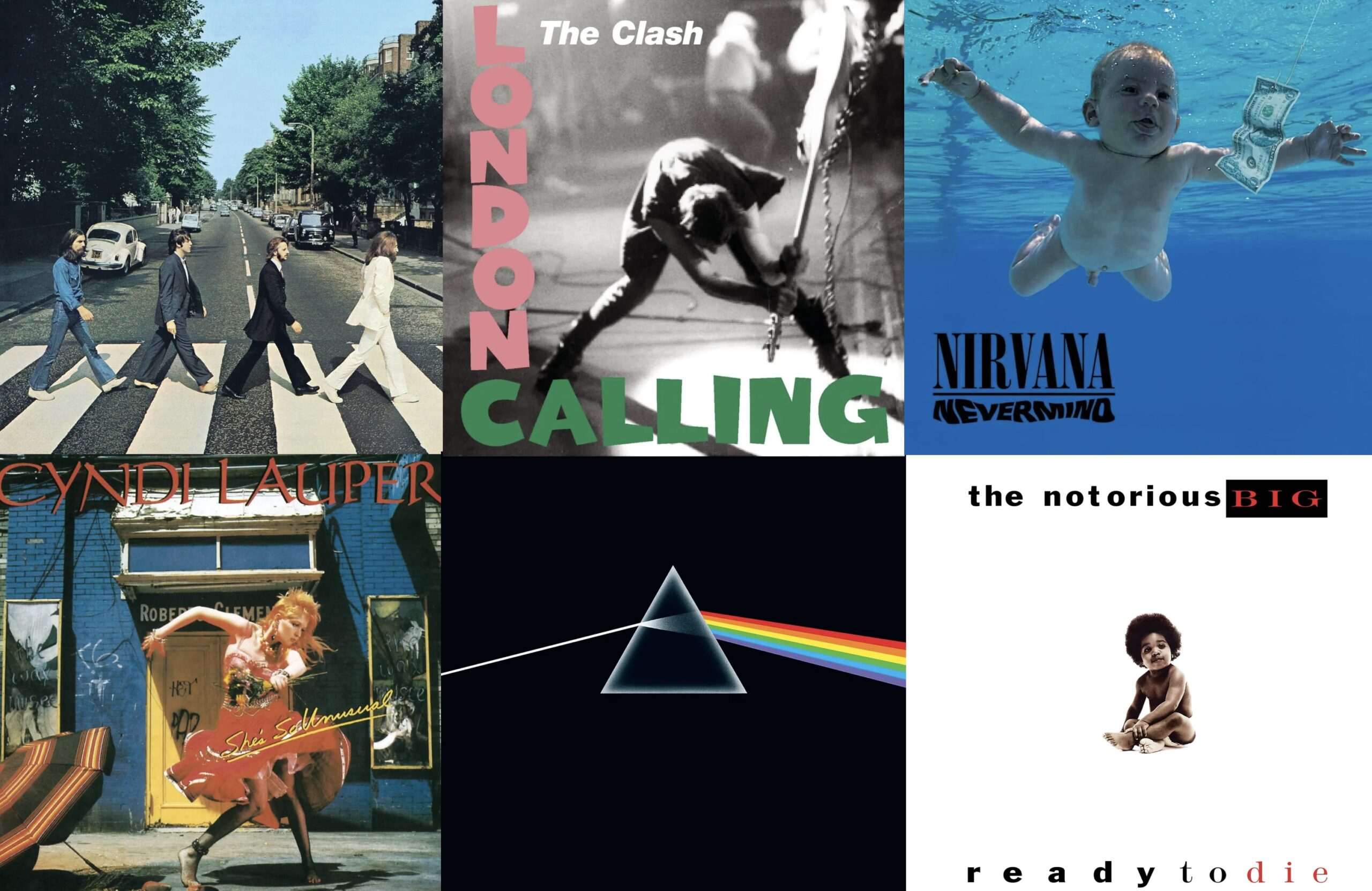
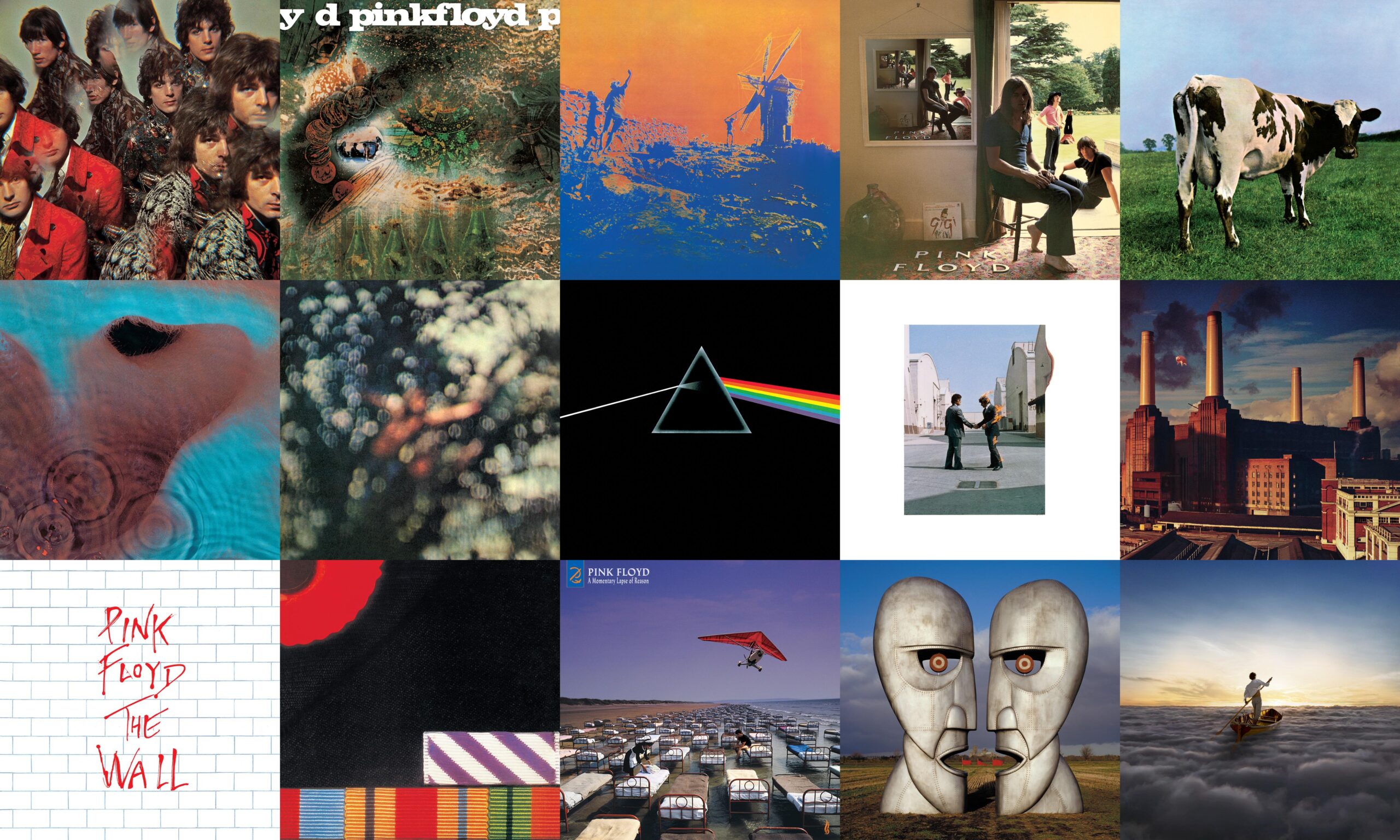
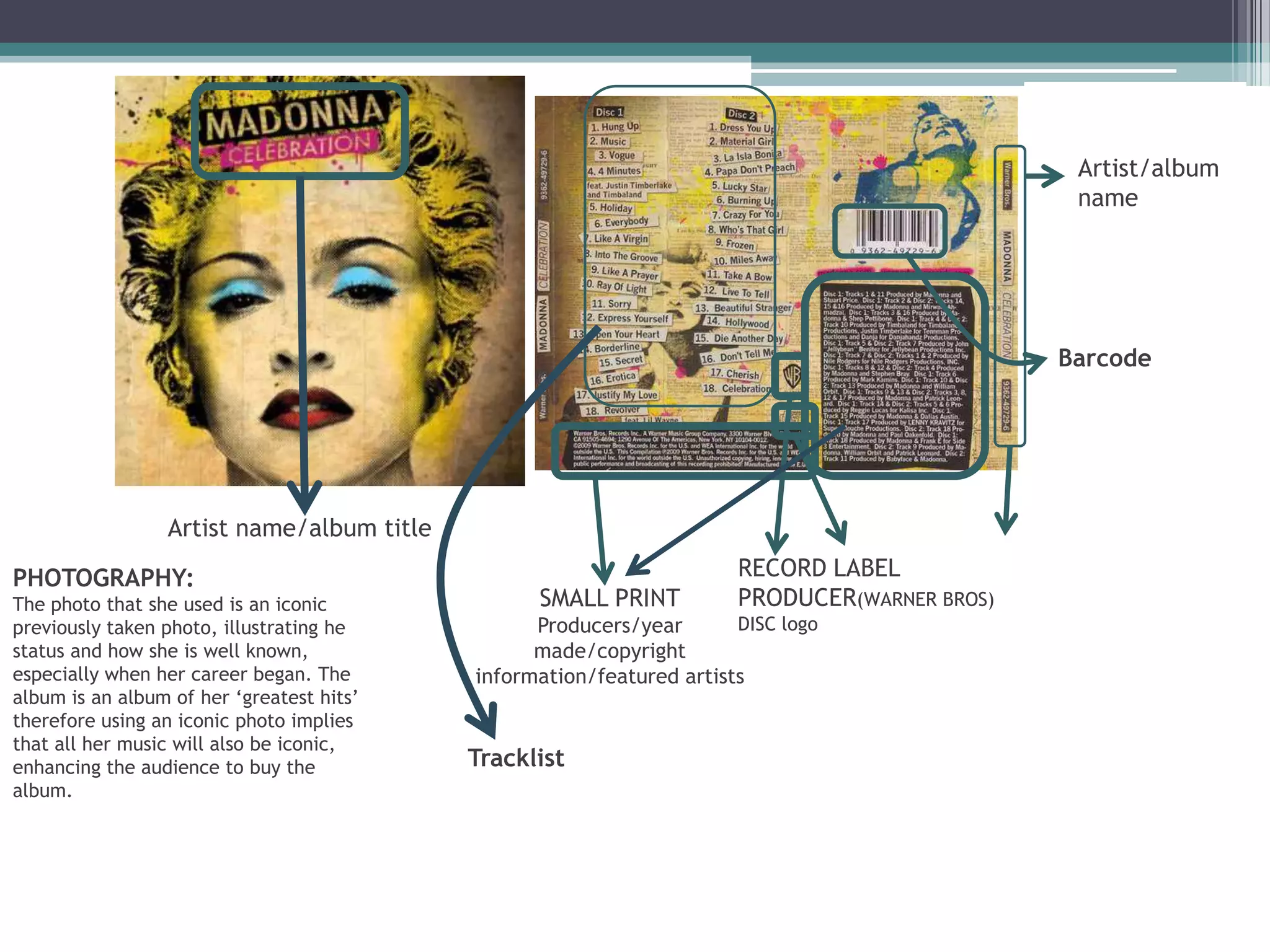
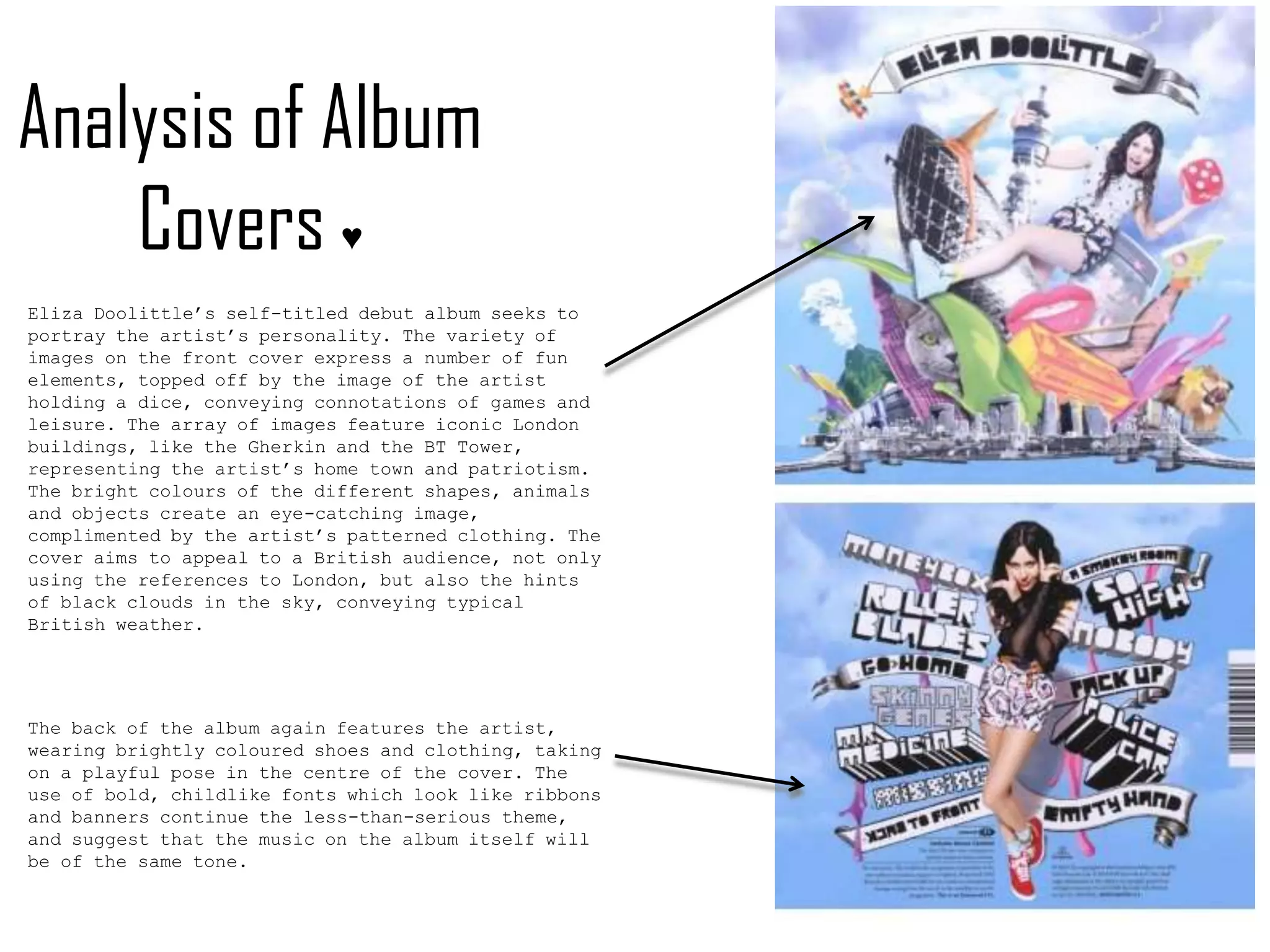
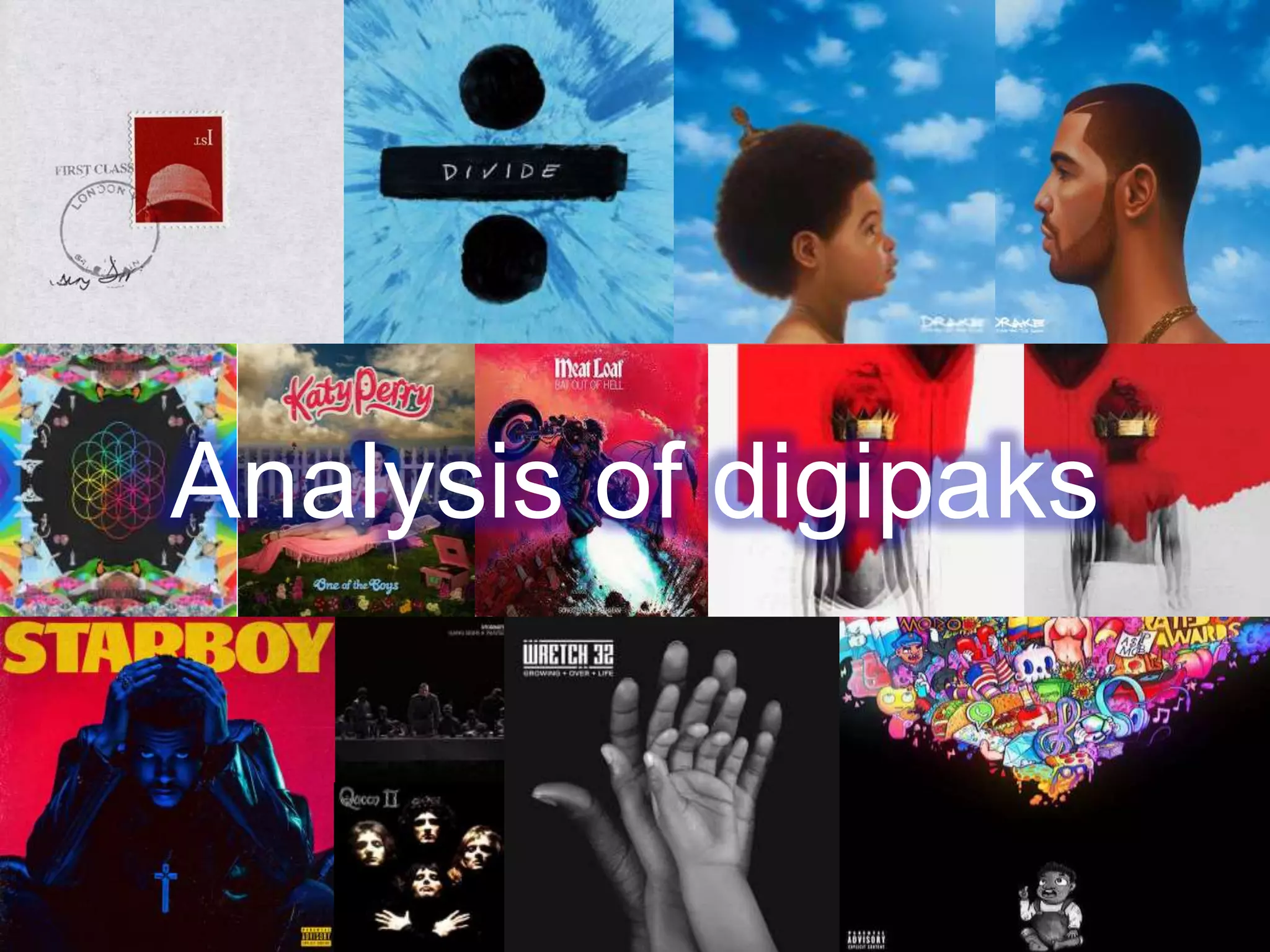
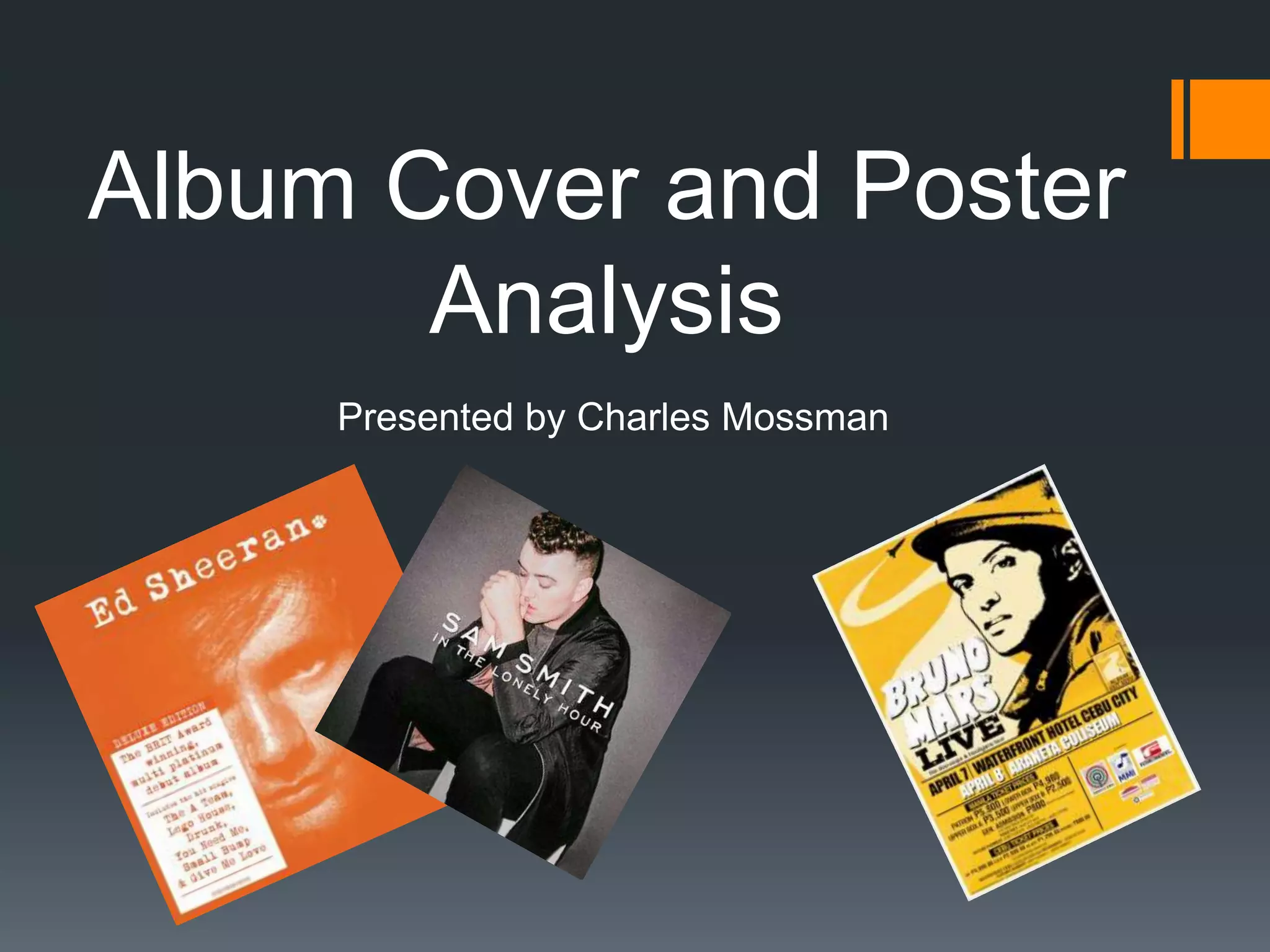
Album cover analysis is the systematic examination of an album's visual art, typography, color palette, and semiotic elements to uncover the underlying cultural, emotional, and artistic message it communicates about the music within. By breaking down these visual components, critics, designers, and music enthusiasts can decode how static imagery establishes an artist's identity, engages listeners, and shapes the historical context of a recorded work.
Understanding the Purpose and History of Recorded Music Packaging
The visual packaging of recorded music has evolved from simple protective cardboard sleeves into a sophisticated medium of artistic expression. When Columbia Records introduced the modern LP format in 1948, record sleeves transformed from plain paper bags into promotional canvases. Alex Steinweiss, Columbia's art director credited with inventing the modern album cover, recognized that striking visual art could dramatically increase record sales. This realization shifted album packaging from a purely functional utility into a vital commercial and artistic asset.
Throughout the decades, album artwork evolved alongside popular culture, technology, and art movements. The 1960s and 1970s saw the rise of gatefold sleeves and complex illustrations, driven by psychedelic rock, conceptual art, and master designers like Hipgnosis. These designs treated the 12-by-12-inch square as a gallery wall, inviting prolonged contemplation. In the digital era, while physical vinyl experiences a resurgence, the album cover has adapted to high-resolution streaming displays and tiny thumbnail icons on mobile screens. Despite these format shifts, the core objective remains constant: to construct a visual narrative that complements and expands upon the auditory experience.
Core Elements of Visual Semiotics in Album Art
Conducting an effective album cover analysis requires a firm grasp of visual semiotics—the study of signs, symbols, and communication. Every element placed on the cover functions as a signifier that points toward a signified concept or emotion. Observers must evaluate these visual fragments systematically to understand how they construct meaning.
| Element Category | Analytical Focus & Functional Impact |
|---|---|
| Typography | Font selection, weight, historical style |
| Color Theory | Saturation, temperature, emotional tone |
| Imagery & Subject | Photography, illustration, abstraction |
| Composition | Rule of thirds, focal points, symmetry |
Typography plays an active role in setting genre expectations and conveying tone. A black metal band's intricate, jagged logo utilizes illegibility and aggression as stylistic choices, whereas a minimalist jazz record might rely on clean, neutral sans-serif typography to signal sophistication and modernism. Lettering placement, kerning, and whether the artist's name appears larger than the album title all influence how power dynamics and brand identity are established within the frame.
Color theory operates on a psychological level to dictate the mood before a single track is played. High-contrast primary colors often signal urgency, pop accessibility, or energetic youth culture. Conversely, desaturated earth tones, sepia filters, or stark monochrome palettes frequently communicate nostalgia, melancholy, or raw authenticity. Analyzing the dominant hue, secondary accents, and overall lighting helps decode the psychological landscape the artist wishes to inhabit.
Compositional Techniques and Visual Hierarchies
Composition determines how the human eye navigates the square frame of an album cover. Because the layout must function both as a large physical gatefold and as a compressed digital thumbnail, designers rely on deliberate visual hierarchies to guide attention. Understanding these compositional choices reveals how emphasis is distributed across the canvas.
Symmetrical compositions often convey stability, authority, and classical balance, pulling the viewer's eye directly to the center. Asymmetrical layouts, by contrast, create dynamic tension, motion, and a sense of unease or modernity. The use of negative space is equally critical; an isolated subject surrounded by vast emptiness can evoke themes of isolation, existential dread, or minimalist elegance.
Furthermore, framing devices—such as natural borders, architectural structures, or digital artifacts—draw focus inward toward the primary subject. When analyzing composition, one must ask: Where does the eye land first? What paths does it travel across the artwork? How do background elements interact with the foreground to tell a cohesive story?
Contextualizing Cultural and Historical Signifiers
An album cover does not exist in a vacuum. To perform a complete analysis, one must examine the socio-political climate, technological limitations, and prevailing art movements of the era in which the album was created. Visual tropes frequently borrow from historical fine art, cinema, fashion, and countercultural movements.
For example, protest albums released during times of civil unrest often utilize stark, documentary-style photography or constructivist graphic design reminiscent of early 20th-century political posters. Conversely, electronic music releases often lean into futuristic digital rendering, glitch art, or surrealist abstraction to mirror the synthetic nature of the sound. Recognizing these external references allows the analyst to connect the artwork to a broader cultural conversation rather than treating it as an isolated aesthetic object.
Additionally, understanding the artist's personal history, prior discography, and public persona clarifies the intent behind the imagery. An unexpected shift in visual style—such as a pop artist adopting raw, unpolished lo-fi photography—often signals a deliberate pivot in artistic direction, thematic maturity, or a rejection of previous commercial constraints.
Step-by-Step Framework for Conducting an Album Cover Analysis
Executing a rigorous evaluation requires a structured approach. Applying a systematic checklist ensures that no critical dimension of the artwork is overlooked during the examination process.
- Initial Impression and Description: Document immediate reactions. Note the dominant subjects, color schemes, and overall aesthetic atmosphere without yet assigning deeper symbolic meaning.
- Technical and Formal Breakdown: Analyze the medium (photography, painting, digital render, mixed media), lighting style, framing, and compositional lines. Identify the focal point and visual weight distribution.
- Typography and Text Analysis: Examine font choices, lettering styles, text placement, and the relationship between the artist's name, the album title, and any secondary informational text.
- Semiotic and Thematic Decoding: Interpret symbols, metaphors, and cultural references. Connect visual motifs to the musical themes, lyrical content, and genre conventions associated with the release.
- Contextual Evaluation: Research the artist's background, contemporary cultural influences, and the historical period of production to frame the artwork within its proper milieu.
- Synthesis: Combine these findings into a cohesive evaluation of how effectively the visual packaging supports and enhances the auditory art.
Common Pitfalls in Visual Music Critique
When evaluating album artwork, analysts frequently fall into traps that compromise the validity of their conclusions. Recognizing these missteps ensures a more balanced and objective critique.
- Over-Interpretation: Attributing complex philosophical meaning to accidental design flaws, budget constraints, or standard stock imagery choices made out of logistical necessity rather than profound artistic intent.
- Isolating Art from Audio: Analyzing the cover art completely divorced from the music it represents. A successful cover often gains its power through the tension or harmony it shares with the auditory recording.
- Anachronistic Judgment: Applying modern aesthetic standards or cultural sensitivities to historical album covers without considering the prevailing design norms of the era in which they were produced.
- Ignoring Commercial Pressures: Overlooking the record label's marketing demands, censorship regulations, or retail visibility requirements that heavily influenced the final visual output.
Frequently Asked Questions About Album Cover Analysis
What is the primary goal of album cover analysis?
The primary goal is to decode how visual art, design, and typography communicate thematic, emotional, and cultural meanings that complement the accompanying musical work.
How does typography influence the meaning of an album cover?
Typography sets genre expectations, communicates era-specific styling, and establishes visual hierarchy. The choice between legible minimalist sans-serif fonts and intricate, aggressive black metal logos instantly signals the tone of the music.
Why is context important when analyzing historical album art?
Context prevents anachronistic misinterpretations. Knowing the technological limitations, socio-political climate, and art movements of a specific decade ensures that design choices are evaluated fairly against the standards of their time.
Can digital streaming thumbnails change how album covers are analyzed?
Yes. Modern digital platforms require album art to remain legible at very small scales. Contemporary design often prioritizes bold, high-contrast, simplified imagery that reads clearly on mobile devices compared to historical vinyl gatefolds.
What is the role of color theory in visual music packaging?
Color theory dictates the psychological atmosphere of the artwork. Warm, saturated hues often convey energy and urgency, while desaturated earth tones or monochrome palettes communicate nostalgia, melancholy, or stark realism.
Next Actions for Art Critics and Music Enthusiasts
To sharpen your analytical skills, select three contrasting albums from different decades and genres. Write a formal 500-word critique for each, focusing exclusively on how color, composition, and typography reflect the era's cultural landscape. Pair your visual notes with active listening sessions to evaluate how successfully the packaging anticipates or subverts the auditory experience.