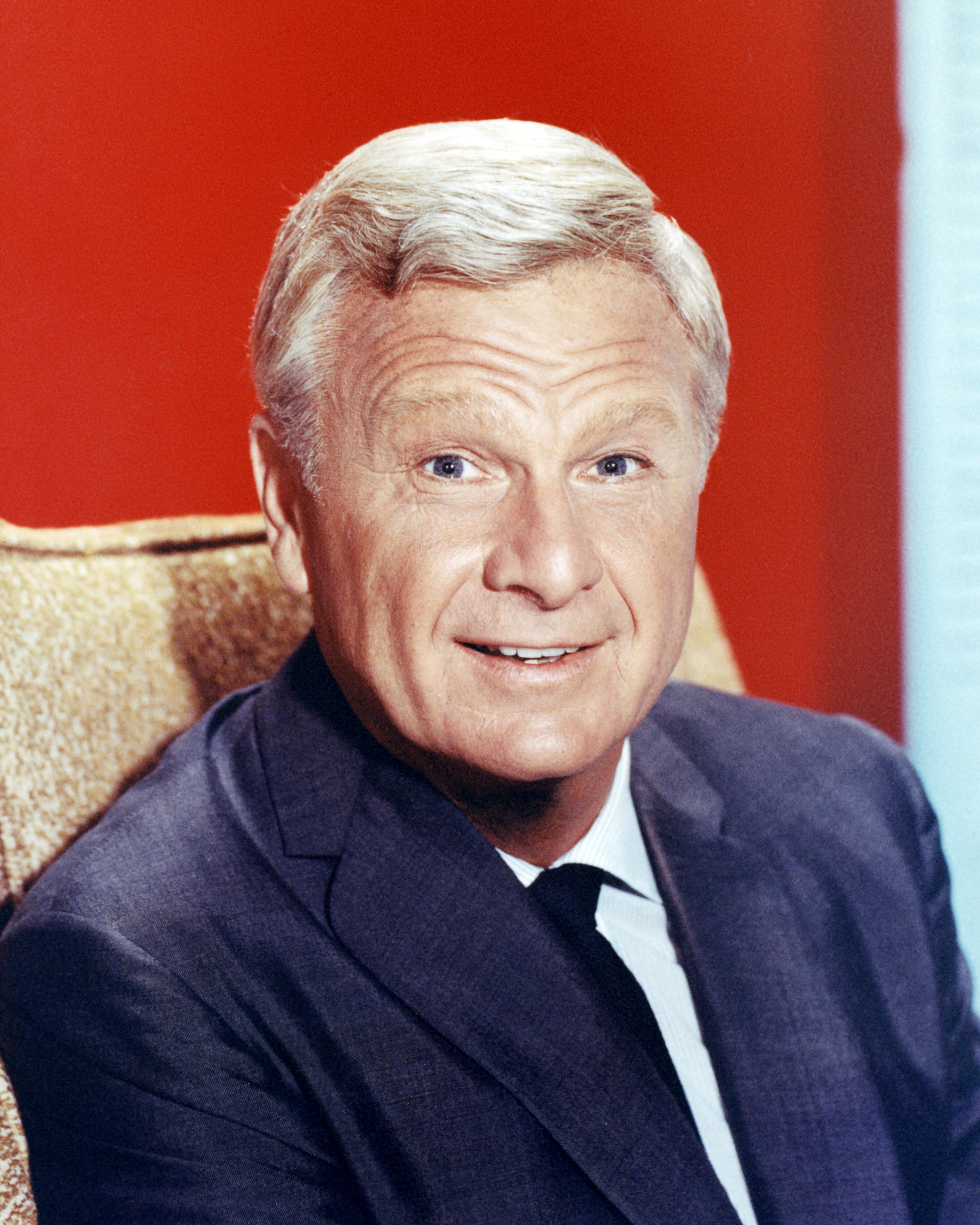
The term "Albert actor" most commonly refers to Albert Brooks, a multifaceted American performer, director, and screenwriter, or occasionally to historical actors named Albert, such as Albert Dekker. In the context of contemporary entertainment, the name is primarily associated with Albert Brooks, whose career has spanned decades, moving from improvisational comedy to critically acclaimed dramatic and comedic film roles.
Identifying the Cinematic Subject
When searching for an "Albert actor," it is necessary to distinguish between various performers to ensure the correct career trajectory is being analyzed. The most prominent figure in modern American cinema with this name is Albert Einstein (born Albert Einstein, later known as Albert Brooks). Born in 1947, he established his reputation as a stand-up comedian in the 1960s and 1970s before transitioning into a powerhouse of independent and mainstream film.
However, users occasionally look for historical figures such as Albert Dekker, a prominent character actor in the mid-20th century known for his roles in film noir and Westerns. Because "Albert" is a common first name, the primary search intent typically centers on the most active or culturally relevant figure at the time of inquiry. In 2026, the focus remains firmly on the enduring influence of Albert Brooks’s body of work, ranging from Lost in America to his voice-acting contributions in major animated franchises.
The Evolution of Albert Brooks as a Performer
Albert Brooks redefined the concept of the "actor-auteur"—a filmmaker who writes, directs, and stars in their own projects. His entry into the public consciousness began on television talk shows, where he performed high-concept, meta-theatrical comedy routines that satirized the medium of television itself. This early background in improvisation heavily influenced his acting style, which is often characterized by neurosis, intellectual vulnerability, and a precise, rhythmic delivery.
His transition to acting in films directed by others, such as Martin Scorsese’s Taxi Driver (1976), demonstrated his range beyond the comedic persona he cultivated in his own directorial features. By the 1990s and 2000s, Brooks became a recognized dramatic talent, earning critical acclaim and an Academy Award nomination for his role in Broadcast News (1987). This trajectory illustrates a common path for multi-hyphenate actors: establishing a unique comedic voice and eventually leveraging that command of character to tackle complex, darker dramatic roles.
Comparative Overview of Historical and Modern Albert Actors
To assist those searching for specific historical or contemporary performers, the following table distinguishes between notable actors who have held or used the name Albert in their professional credits.
| Actor Name | Primary Era | Notable Genre | Key Professional Contribution |
|---|---|---|---|
| Albert Brooks | 1960s–2020s | Comedy/Drama | Writer, Director, and Actor in Lost in America |
| Albert Dekker | 1930s–1960s | Film Noir | Character actor in The Killers and Dr. Cyclops |
| Albert Finney | 1950s–2010s | Stage/Film | Leading man in Tom Jones and Big Fish |
| Albert Salmi | 1950s–1980s | Western/Drama | Prolific character actor in television and film |
The Mechanics of Character Acting
The career of actors like Albert Dekker or Albert Salmi provides a masterclass in "character acting." Unlike leading men who often play versions of themselves, character actors are defined by their ability to disappear into specific, often eccentric or villainous roles. In the current cinematic landscape of 2026, the value of the character actor remains high, as streaming platforms and independent studios prioritize nuanced supporting performances that ground high-concept narratives.
For those researching an actor’s filmography, it is important to utilize databases like the Internet Movie Database (IMDb) or the American Film Institute (AFI) archives. When searching for an actor by a common first name, incorporating the specific film title or a known catchphrase is the most effective way to filter results.
Challenges in Biographical Research
Researching an actor named Albert can be hindered by the lack of specificity in search queries. A search for "Albert actor" often triggers broad results, including various minor performers or even fictional characters. To improve research accuracy, consider the following technical strategies:
- Utilize Boolean Operators: Use quotation marks around the full name if the actor has a known stage name (e.g., "Albert Brooks" vs. "Albert" AND "actor").
- Cross-Reference by Decade: Narrow the search by adding a temporal element, such as "Albert actor 1950s" or "Albert actor 2020s."
- Consult Industry Guilds: Organizations like the Screen Actors Guild (SAG-AFTRA) maintain databases that help verify the professional history of registered actors, which is useful for differentiating between individuals with similar names.
The Cultural Impact of the Auteur Model
The "Albert Brooks" model of acting—retaining creative control over one's own performances—has paved the way for many modern creators. By writing scripts that specifically highlight his unique vocal cadence and physical mannerisms, Brooks created a brand of comedy that was difficult to replicate. This approach contrasts sharply with the traditional path of the studio-contract actor, who was often subservient to the vision of a director or casting department.
In 2026, this model is more relevant than ever. With the democratization of filmmaking technology, actors can now produce their own shorts and features, utilizing their personal experience as performers to drive the narrative. The legacy of actors who moved behind the camera serves as a blueprint for contemporary talent looking to build sustainable, independent careers.
Frequently Asked Questions
Who is the most famous actor named Albert?
The most famous contemporary actor with this name is Albert Brooks. He is widely recognized for his work as a director, writer, and actor, as well as his iconic voice role as Marlin in the Finding Nemo film franchise.
Is Albert Finney related to Albert Brooks?
No, there is no familial connection between Albert Finney and Albert Brooks. Albert Finney was a British actor celebrated for his classical stage background and his contributions to the British New Wave, whereas Albert Brooks is an American comedian and filmmaker.
How can I find the filmography of a specific Albert actor?
The most reliable method is to use established industry repositories like the IMDb or the British Film Institute (BFI) database. Searching by the full professional name will yield a comprehensive, chronological list of their screen credits, including television and film appearances.
What defined the career of Albert Dekker?
Albert Dekker was a definitive character actor of the classic Hollywood era. He was known for his intense, often physically imposing presence, frequently portraying complex villains or authoritative figures in mid-century thrillers and Westerns.
Are there any current actors using the name Albert professionally?
Yes, many actors continue to use their given name, Albert, in professional credits. Because it is a common name, most performers choose to use a middle name or initial (such as Albert L. Brooks or Albert Finney) to distinguish themselves in the SAG-AFTRA registry.
What is the best way to distinguish between actors with the same name?
The best way is to cross-reference their "Birth Year" and "Notable Works." Biographical databases usually list these alongside the actor’s name to ensure clarity, as names are often reused across different generations of performers.
Taking Next Actions for Your Research
If you are currently looking for a specific individual and are struggling to narrow down the results, start by identifying one major film project they were involved in. Once you have a film title, use a search engine to query the "cast of [Film Title]" to see the full list of credited actors. This will provide you with the correct spelling and professional name of the performer, allowing you to access their complete history and verify their specific contributions to the industry. For those interested in the history of cinema, further reading on the transition from the Studio System to the New Hollywood era will provide additional context on how actors like Albert Brooks gained the agency to become directors.