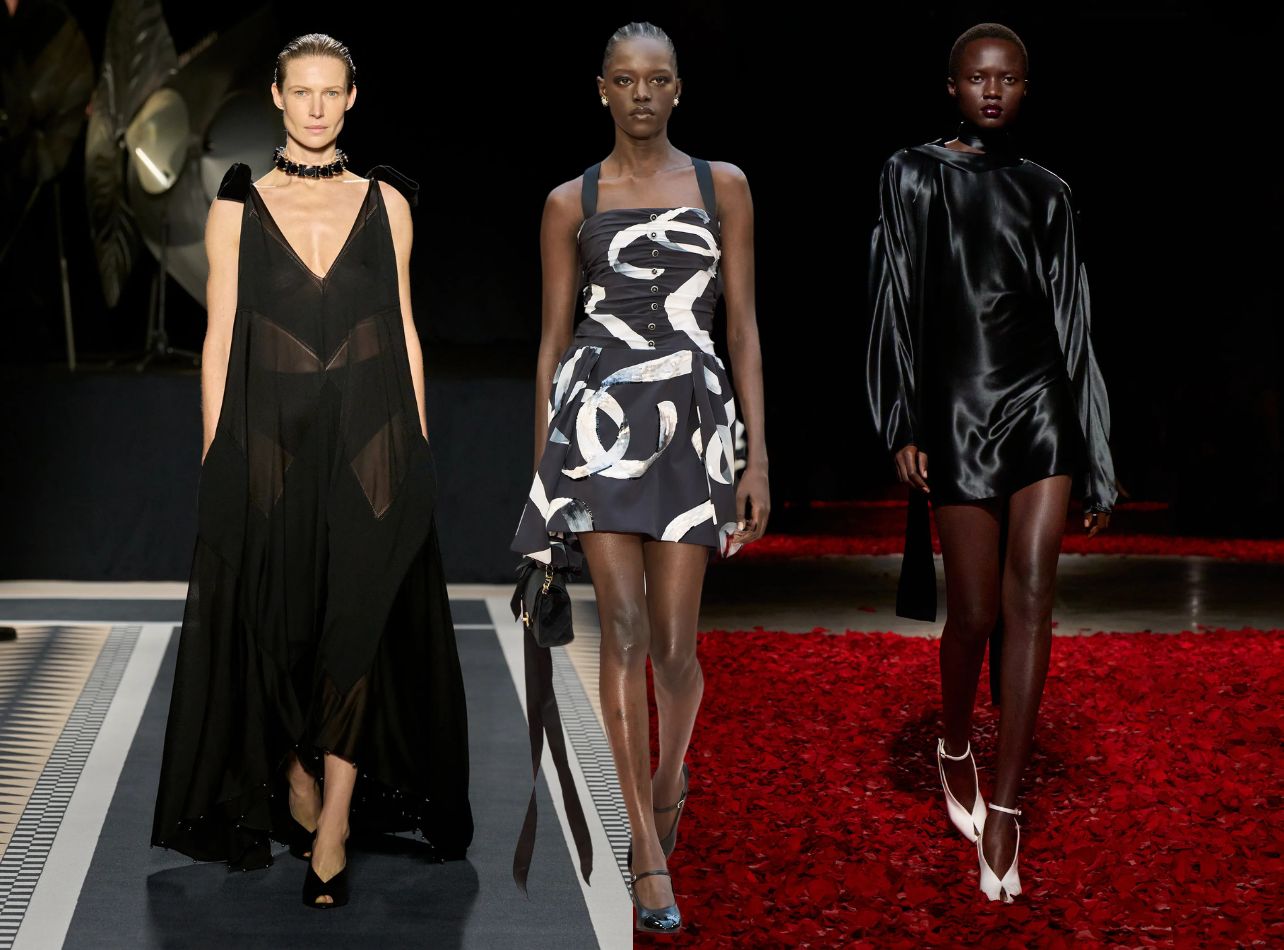
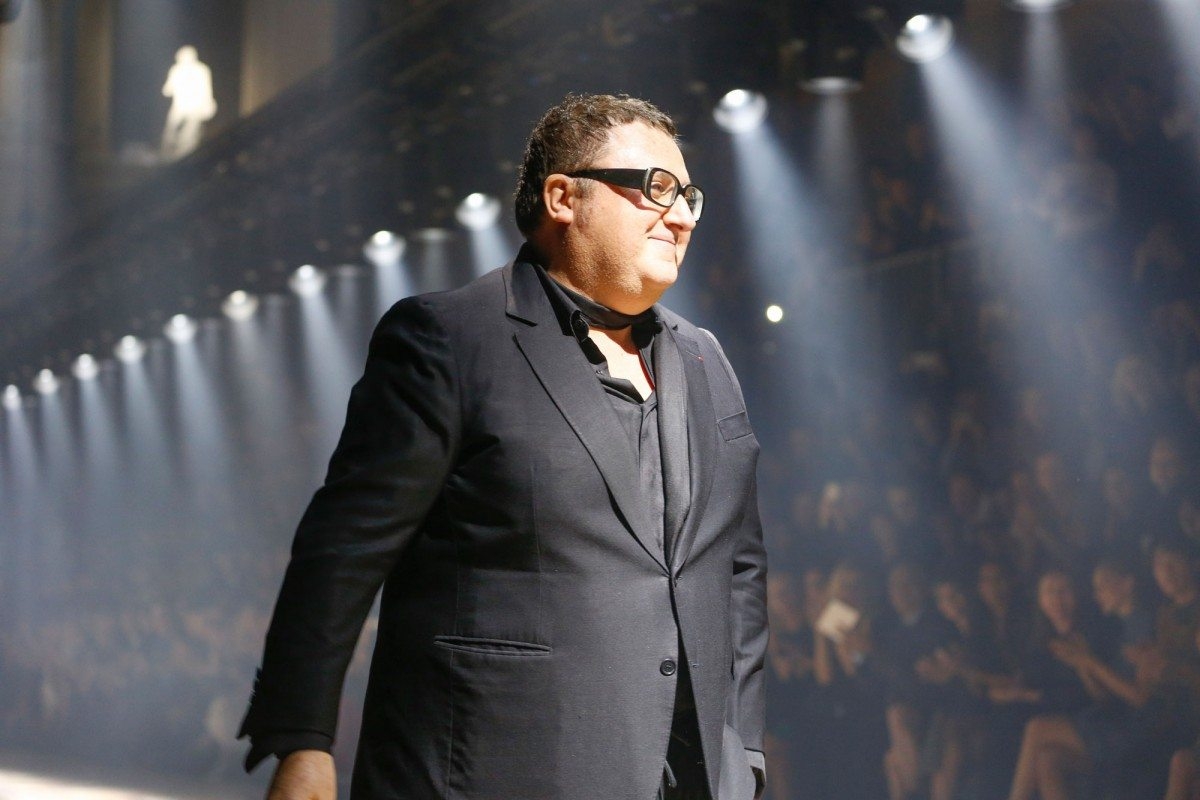
The tenure of Alber Elbaz at Lanvin, spanning from 2001 to 2015, remains one of the most significant chapters in 21st-century fashion history. Elbaz transformed a historic, fading house into a global powerhouse by marrying technical couture mastery with an empathetic understanding of the modern woman. His legacy continues to inform fashion discourse today, serving as a masterclass in creative vision, brand stewardship, and the human side of luxury.
The Era of the Genius: Defining the Lanvin Identity
When Alber Elbaz took the helm at Lanvin in 2001, the brand was a storied but slumbering couture house. His arrival marked a seismic shift in aesthetic strategy. Elbaz did not merely revive the archives; he reinterpreted Jeanne Lanvin’s original ethos of femininity, softness, and intricate craftsmanship for a contemporary audience.
His genius was rooted in his technical ability to drape and manipulate fabric, often favoring raw edges, grosgrain ribbons, and exposed zippers. These elements became signatures that balanced the delicacy of classic couture with the grit of modern utility. By centering his designs on the needs of real women—prioritizing comfort and ease without sacrificing elegance—Elbaz established a new standard for luxury ready-to-wear. He effectively navigated the tension between art and commerce, ensuring that Lanvin became synonymous with a specific, coveted form of romantic urbanism.
Key Design Philosophies and Technical Innovations
To understand the "genius" attributed to Elbaz, one must examine his technical approach. He was famously known for his skepticism toward the growing influence of digital technology in design, preferring the tactile reality of the atelier. He often worked by draping directly on the dress form, believing that the movement of the fabric told the story of the wearer.
| Feature | Elbaz Approach at Lanvin | Impact on Industry |
|---|---|---|
| Materiality | Emphasis on heavy silks, satins, and raw textures | Defined the "Lanvin look" of the mid-2000s |
| Construction | Exposed zippers and unfinished edges | Normalized high-fashion utility |
| Silhouette | Architecture-driven, sculptural shapes | Influenced modern red-carpet styling |
| Philosophy | "Fashion is for women, not for men to look at" | Shifted focus from object to user experience |
His refusal to conform to the rapid, trend-obsessed cycle of fashion that began to accelerate during his tenure set him apart. While others sought to create shock value, Elbaz sought to create "emotional" fashion—garments that felt like they were hugging the wearer. This human-centric approach ensured that his collections maintained relevance beyond the immediate season, cementing his reputation as a designer who prioritized the soul of the house.
The Business of Creativity: Navigating Growth and Autonomy
The business model of Lanvin under Elbaz provides a case study for luxury house management. During his fourteen-year tenure, he fostered a close, collaborative relationship with the atelier’s artisans. This was not merely a romantic notion but a strategic necessity; he believed that the true luxury of a house resided in the hands of its makers.
However, the pressure to scale and the shift toward corporate-led fashion eventually created friction. His departure in 2015 was a watershed moment in fashion media, highlighting the inherent conflict between creative vision and the quarterly profit demands of modern luxury conglomerates. In 2026, industry analysts frequently look back at the Elbaz-Lanvin partnership as the "golden standard" for creative director longevity, serving as a cautionary tale and a blueprint for how much a single creative vision can define a brand's market valuation.
Recent Insights and Ongoing Legacy
In 2026, the fashion community continues to revisit the archives of the Elbaz era. This interest is fueled by the cyclical nature of fashion trends and a renewed industry-wide appreciation for "human-centric" design. Collectors and museums remain deeply invested in preserving the pieces from this era, which are frequently cited in exhibitions for their impeccable construction and timelessness.
Modern critiques of the luxury sector often compare current creative directors to Elbaz, assessing their ability to balance commercial viability with artistic integrity. The consensus remains that Elbaz possessed a unique talent for creating "total looks"—a complete, cohesive narrative that extended from the runway show production, which he notoriously orchestrated with theatrical flair, to the final product available in stores.
Addressing Common Queries on the Elbaz Legacy
How did Alber Elbaz change the trajectory of Lanvin?
Elbaz moved Lanvin from a dormant brand to a commercial and cultural phenomenon. By focusing on wearable luxury, he modernized the house’s image, making it one of the most influential labels of the 2000s while retaining its historical prestige.
What are the defining characteristics of an Alber Elbaz design?
His work is defined by raw edges, the use of grosgrain ribbons, deep jewel tones, and a masterful use of draping that emphasized the wearer’s movement. He was also known for his signature use of exposed zippers and metallic hardware as decorative, functional elements.
Is Lanvin’s current aesthetic influenced by the Elbaz years?
While Lanvin has undergone several creative changes since 2015, the "Elbaz years" serve as a foundational reference point. Modern collections often revisit the house’s archival archives, which include many of the silhouettes he popularized.
Why is Alber Elbaz still considered a "genius" in 2026?
He is viewed as a genius for his ability to translate high-concept design into emotional, functional pieces that resonated with real people. His influence persists because he prioritized the human connection to clothing over the ephemeral nature of passing trends.
How can one verify the authenticity of an original Elbaz-era Lanvin piece?
Authenticating pieces from this period involves checking for specific labeling conventions used between 2001 and 2015, examining the craftsmanship of the seams—which were often purposefully raw or uniquely bound—and verifying the signature heavy, often metallic zippers that were custom-sourced for his collections.
Next Steps for Fashion Collectors and Scholars
For those seeking to deepen their understanding of Alber Elbaz’s contributions to Lanvin, the most effective approach is to focus on archival research and direct inspection of historical garments. Museums and high-end vintage curators are the primary sources for verified, high-quality information regarding his technical patterns and seasonal themes.
If you are currently researching or curating pieces from this era, prioritize finding catalogs from the 2001–2015 collections. These documents provide the clearest evidence of how Elbaz envisioned his silhouettes in relation to the accessories and styling that completed the Lanvin identity. Engaging with these materials will provide a clearer picture of his creative process than secondary market listings or generalized fashion news summaries.