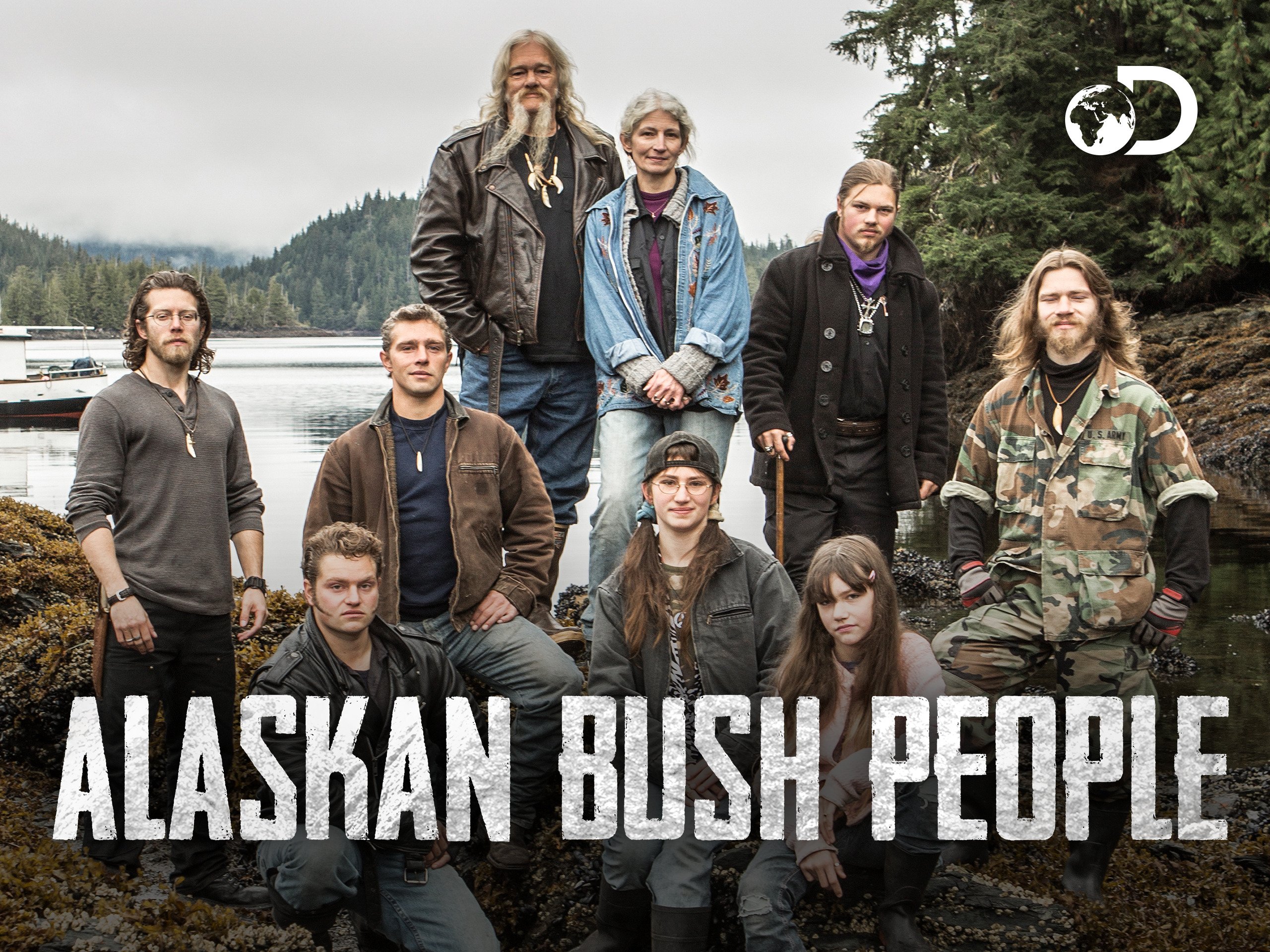
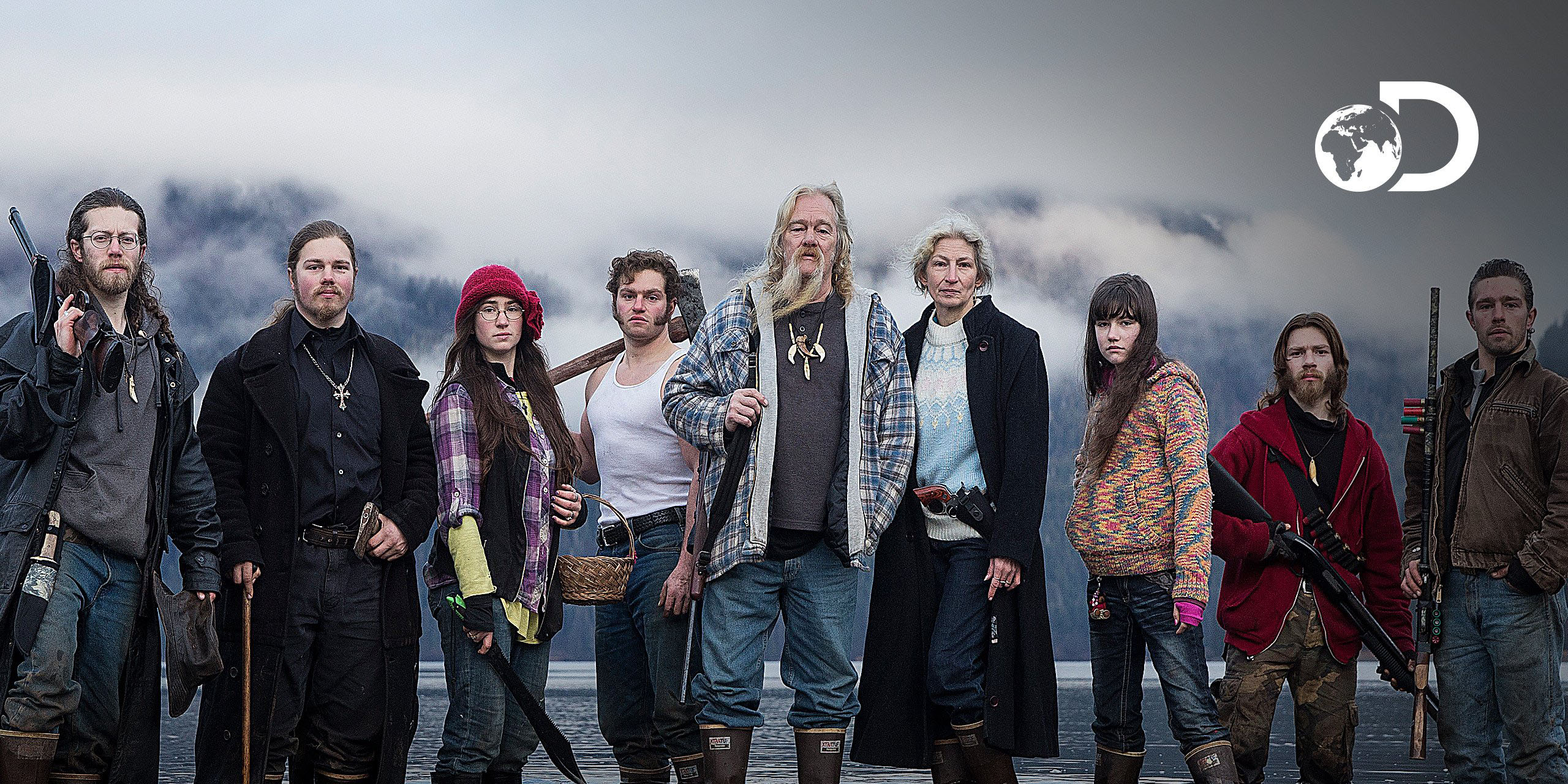
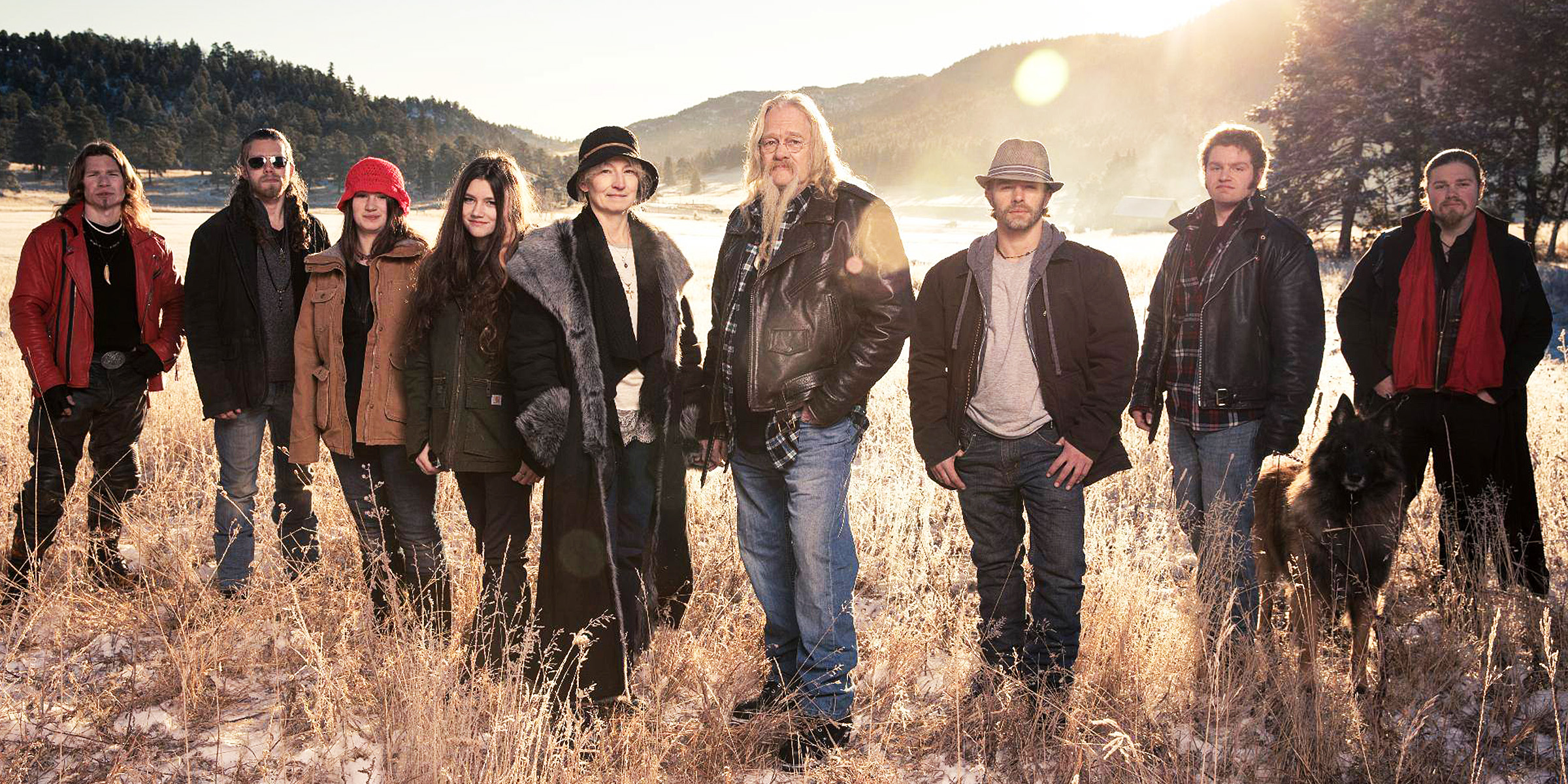
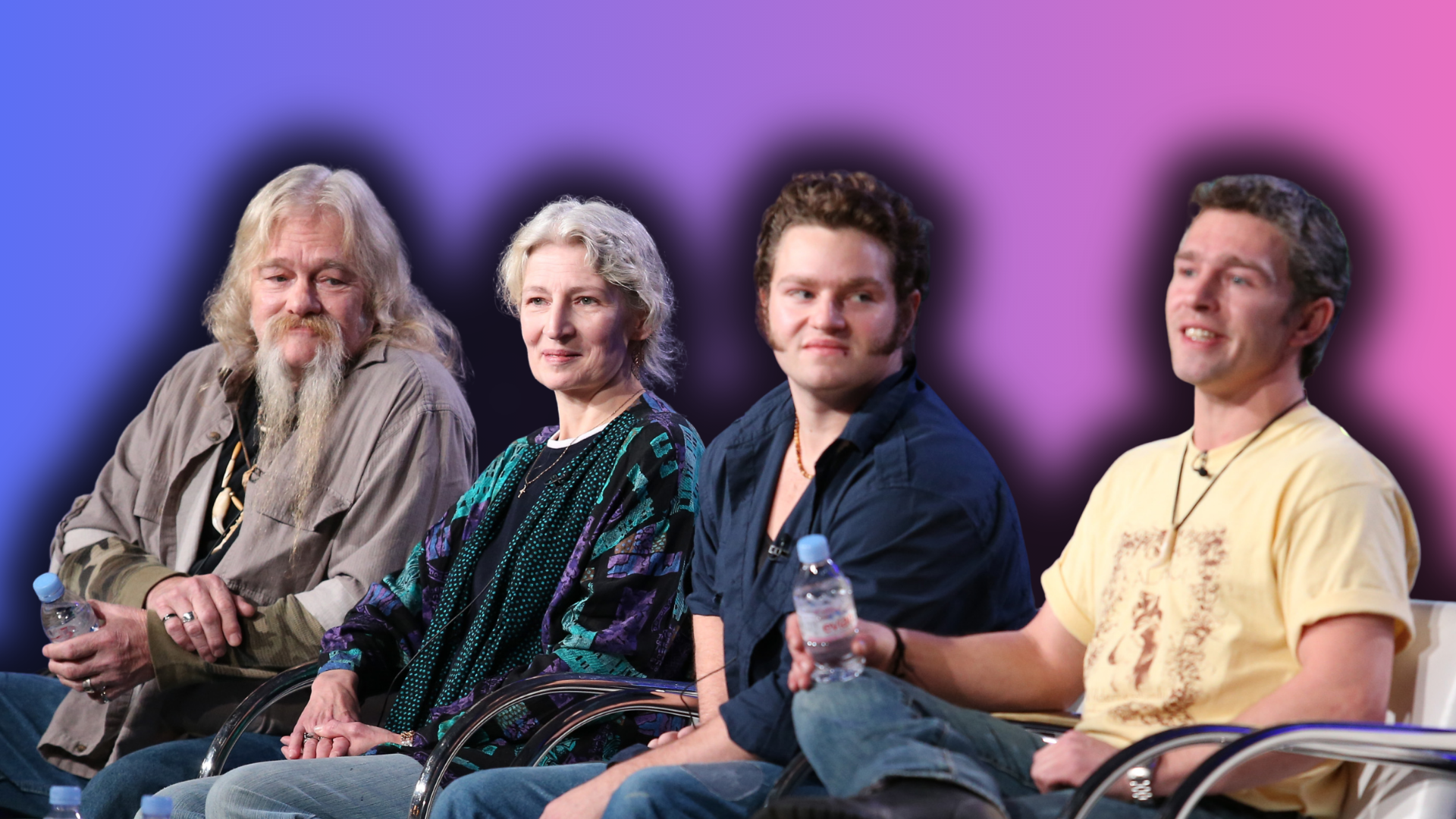
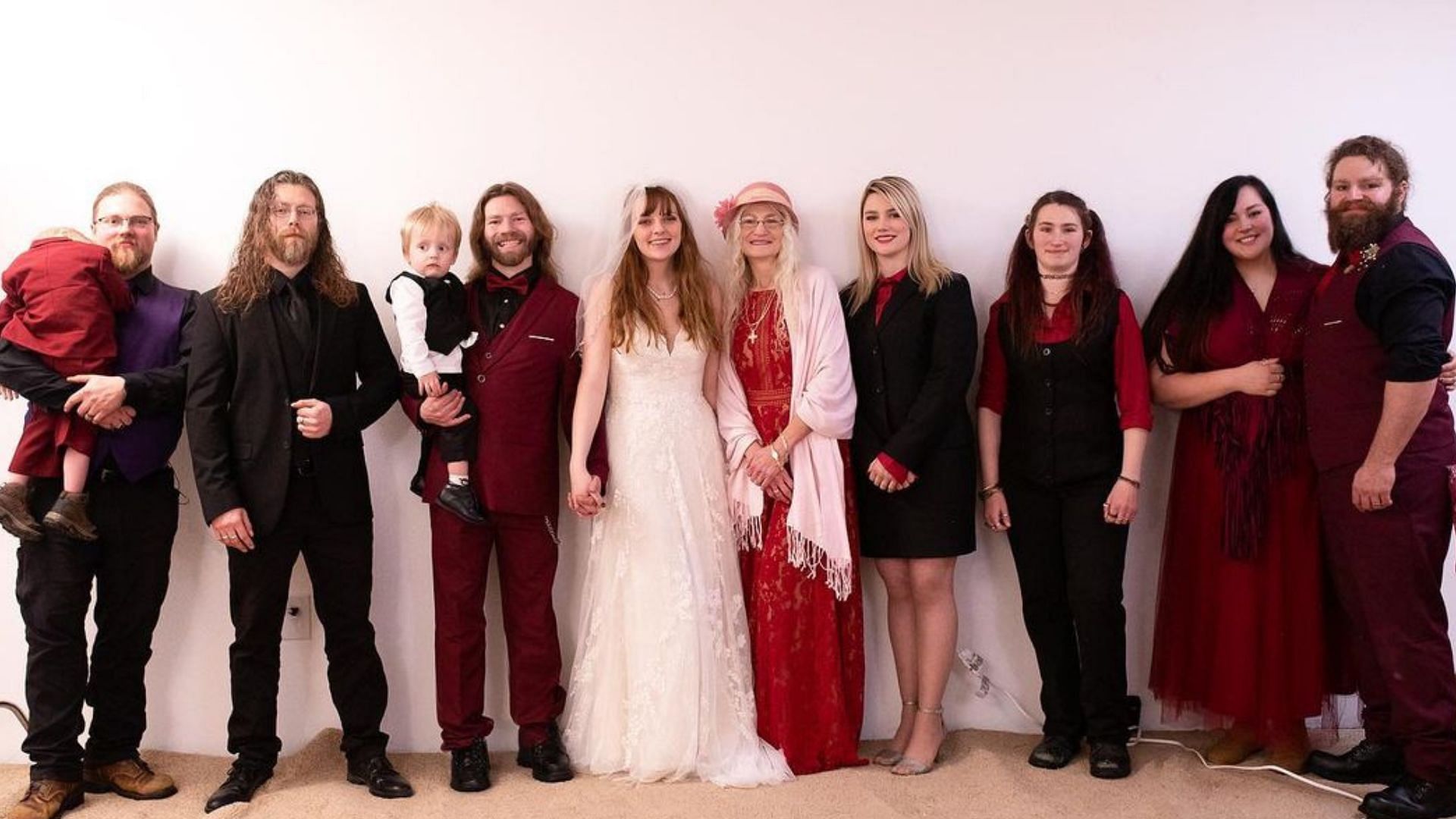
The Alaskan Bush People cast, centered on the Brown family, navigates the intersection of authentic survivalist living and the narrative requirements of long-form reality television. Premiering in 2014, the series chronicles the lives of Billy, Ami, and their seven children as they attempt to establish self-sustaining homesteads in remote wilderness environments, balancing traditional bushcraft techniques with the structural demands of the Discovery Channel production format.
The Genesis of the Brown Family Narrative
The core of Alaskan Bush People is built upon the premise of an isolated upbringing. The family patriarch, Billy Brown, positioned the family as individuals who had spent decades living off the grid, largely detached from modern conveniences. This narrative frame was essential to the show’s early appeal, as it presented a contrast to conventional American life. The cast consists of Billy (who passed away in 2021), his wife Ami, and their children: Matt, Bam Bam, Bear, Gabe, Noah, Bird, and Rain.
As the production evolved, the "wild frontier" element became increasingly juxtaposed with the logistical requirements of a television crew. Viewers often observe a tension between the family's stated philosophy—eschewing modern technology and urban comforts—and the realities of filming, including access to travel, housing, and the support staff required to maintain a set in harsh Alaskan and later Washington state climates. This dynamic is central to the viewer experience, forcing an engagement with both the survival skills demonstrated on screen and the artifice inherent to the reality television medium.
Navigating the Frontier: Survivalist Skills vs. Production Logistics
The technical requirements of living in the wilderness are significant. The Brown family’s survivalist efforts often include building log structures, hunting, fishing, and managing renewable energy sources such as solar and hydroelectric power. However, these efforts are subject to the limitations of reality television production. Production crews must maintain safety protocols for both the cast and the crew, which often necessitates the proximity of support teams and equipment that would not be present in a strictly isolated survival scenario.
From a technical perspective, the show frequently highlights bushcraft methods. Readers interested in the practical aspects of wilderness living often look to the series for demonstrations of:
- Off-grid construction: Building shelters using locally sourced materials and basic manual tools.
- Water management: Sourcing and purifying water in mountainous, forested regions.
- Resource acquisition: Foraging, trapping, and fishing within the boundaries of local regulations.
It is important to note that the "wild frontier" depicted is often mediated by local land-use laws and environmental regulations. The family’s transition from their initial Alaskan locations to the North Star Ranch in Washington highlights the necessity of legal compliance in land ownership and development, even for those prioritizing a rustic lifestyle.
Cast Dynamics and Evolving Storylines
The individual members of the Brown family have matured on camera, leading to shifting focuses within the series. Initially, the dynamic was strictly hierarchical under Billy Brown. Over the course of over a decade, the narrative has pivoted toward the individual lives of the adult children, including marriages, parenthood, and the pursuit of independent homesteading projects.
The following table summarizes the primary cast and their developmental progression within the series framework:
| Cast Member | Primary Role | Evolution in Series |
|---|---|---|
| Billy Brown | Patriarch/Leader | Provided the initial survivalist mission and family philosophy. |
| Ami Brown | Matriarch | Central figure in family cohesion and medical resilience. |
| Bam Bam Brown | Son/Engineer | Often acts as the technical lead for building projects. |
| Bear Brown | Son/Survivalist | Known for high-energy segments and wilderness exploration. |
| Gabe Brown | Son/Homesteader | Focuses on agricultural and manual labor integration. |
| Noah Brown | Son/Inventor | Utilizes technical/mechanical skills for off-grid convenience. |
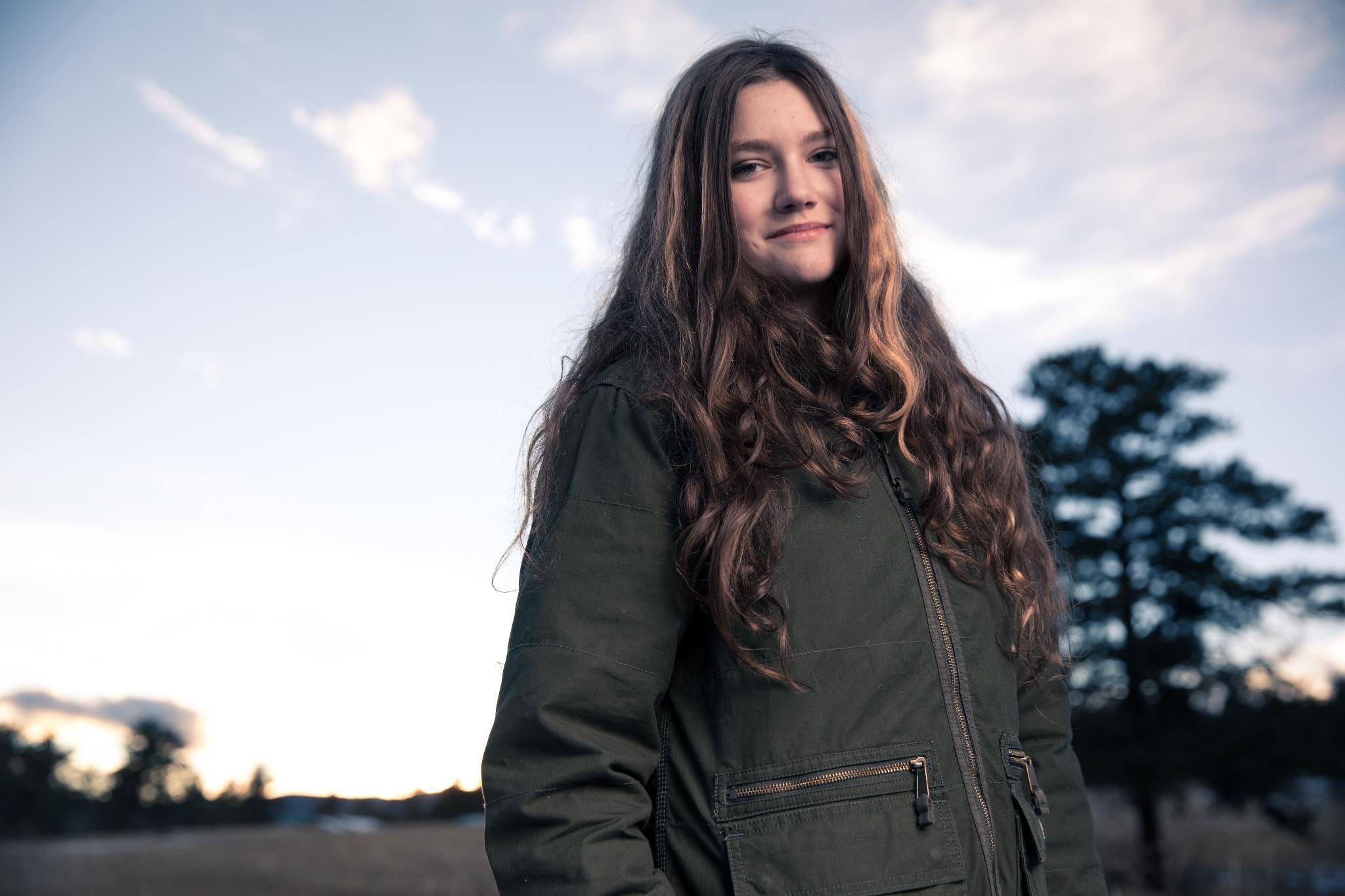
| Bird Brown | Daughter/Hunter | Frequently leads efforts in food procurement and animal husbandry. |
| Rain Brown | Daughter/Youth | Documented the transition from childhood to adulthood on set. |
The Impact of Reality Television Tropes
The "reality" label in Alaskan Bush People has faced scrutiny regarding the extent to which scenes are staged or directed. Critics and fans alike often debate the authenticity of the family's isolation. In the context of 2026 media analysis, it is understood that reality television operates within a specific production methodology designed to create dramatic arcs.
Key tropes visible in the series include:
- The "Man vs. Nature" Conflict: Externalizing natural obstacles into direct, character-driven struggles to heighten stakes.
- The "Family vs. The World" Narrative: Framing the family’s unconventional choices as a defensive maneuver against societal norms.
- Manufactured Crises: The use of logistical hurdles, weather events, or technical failures to create a sense of urgency, regardless of whether these issues would pose a significant threat to an experienced off-gridder.
Legal and Practical Limitations of the Lifestyle
One of the most persistent aspects of the series is the recurring theme of legal and financial navigation. The Browns have frequently encountered issues ranging from permanent residency requirements in Alaska to local zoning laws in Washington. These segments of the show serve as a reminder that "living off the land" does not exist in a legal vacuum. Any attempt at true frontier living in the 21st century requires navigating tax law, property deeds, and environmental permits.
For those inspired by the show to pursue their own off-grid lifestyle, the following prerequisites are essential:
- Land Ownership: Secure legal title and ensure the land is zoned for the intended type of structure.
- Water Rights: Research the specific regulations regarding groundwater extraction and surface water usage in the desired region.
- Waste Management: Compliance with local health department regulations regarding sanitation, even in remote areas.
- Emergency Infrastructure: Reliance on satellite communication or radio equipment, as cellular networks rarely extend to truly wild frontiers.
Frequently Asked Questions
Is the Alaskan Bush People cast living in the wilderness full-time without cameras?
The family maintains a lifestyle influenced by their experiences, but their residence and day-to-day operations are heavily dictated by production schedules. The "wilderness" environments are often chosen for their visual and logistical feasibility for film crews, and the family resides in more conventional structures when not actively filming or managing their ranch properties.
What are the main survival skills demonstrated in the show?
The show emphasizes traditional log-cabin construction, manual tool usage, and small-scale homesteading. While these are based on real skills, they are condensed for television to focus on visual milestones rather than the slow, repetitive nature of true subsistence living.
Did the family actually lose their Alaskan property?
Yes, the family encountered significant legal and residency challenges in Alaska, which were documented in the series. These legal requirements for state residency were a primary catalyst for their eventual move to Washington state, demonstrating the reality that even "off-grid" residents must comply with state-level administrative requirements to maintain residency.
Can viewers visit the North Star Ranch?
The North Star Ranch is private property owned by the Brown family. It is not open to the public for tourism or camping. Trespassing on private land to view filming locations is illegal and strongly discouraged by the production team and local authorities.
Is the family actually estranged from modern technology?
While they advocate for a rustic lifestyle, the family utilizes modern construction equipment, medical technology, and communication tools necessary for both safety and the operation of a television production. Their "unplugged" ethos is more of an aesthetic and philosophical preference than a literal prohibition of modern utility.
Taking the Next Step: Homesteading in Reality
For readers interested in the practical reality behind the television spectacle, the first step is separating the fantasy of total isolation from the technical requirements of sustainable property management. If you are considering a transition to a more self-sufficient lifestyle, focus on the land-use requirements of your specific jurisdiction before investing in specialized equipment. Consult with local agricultural extensions and planning departments to understand the limitations of rural land development. Real-world frontier living is less about dramatic, high-stakes crises and more about long-term maintenance, mechanical repair, and adherence to environmental stewardship regulations.