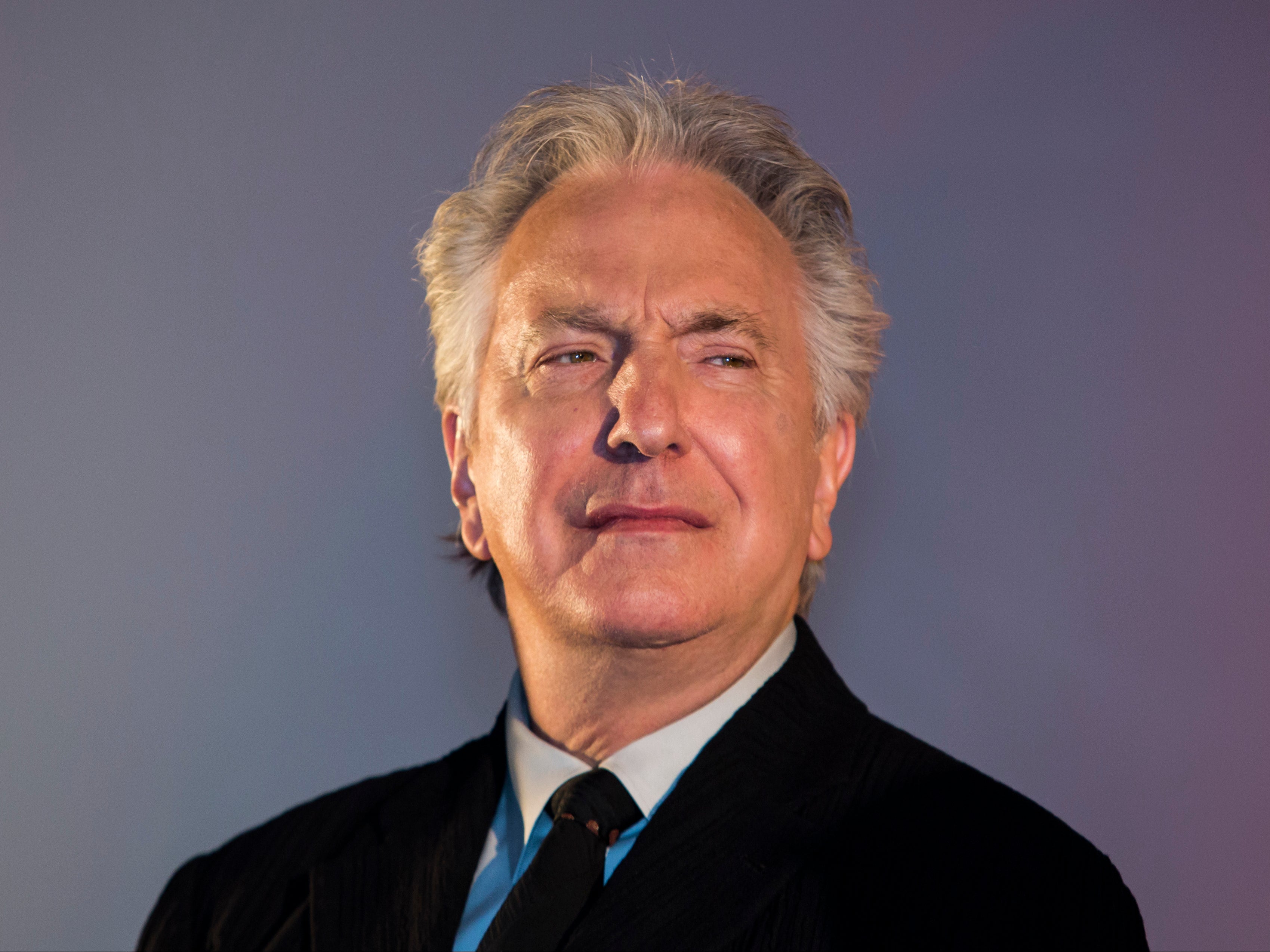
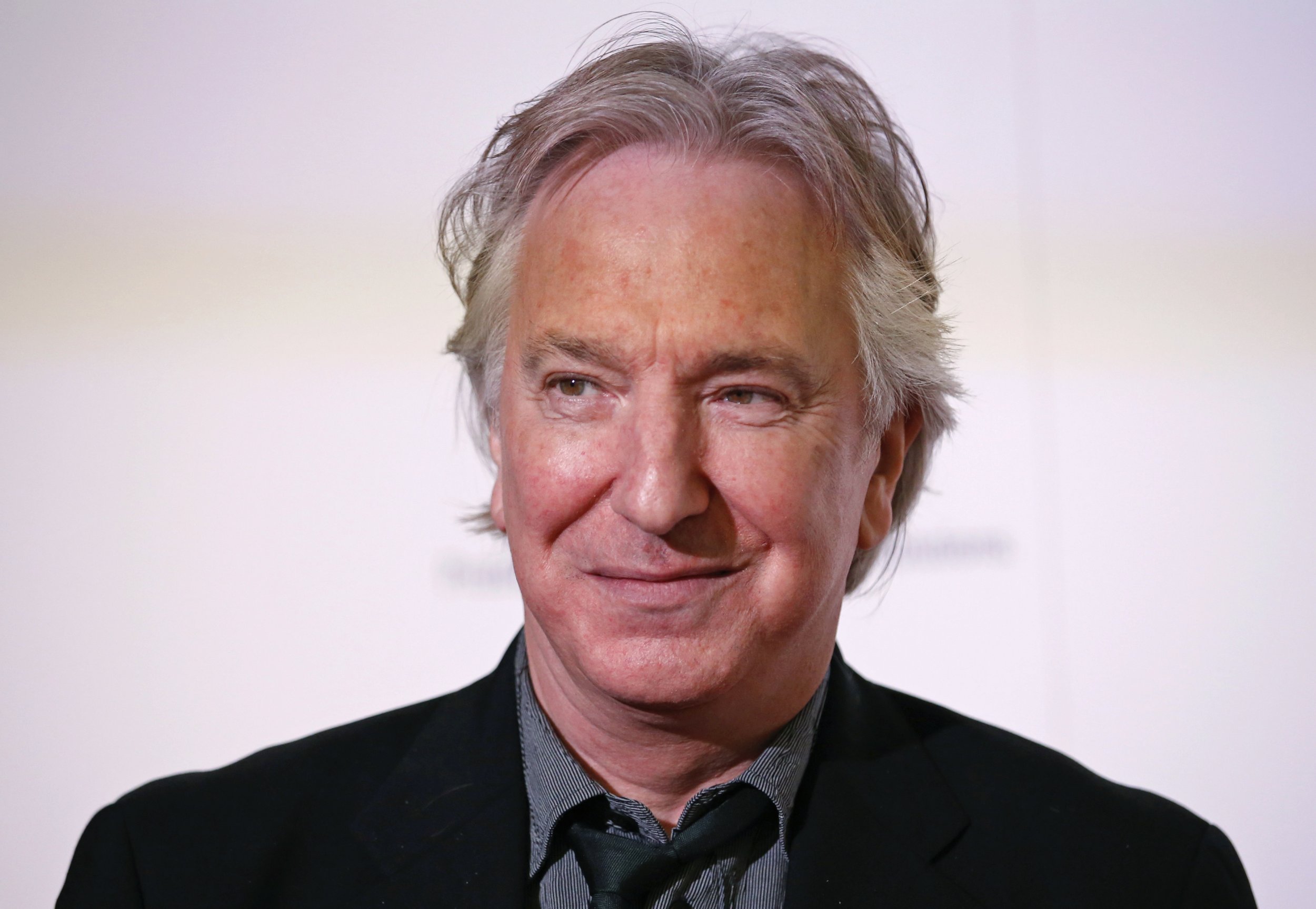
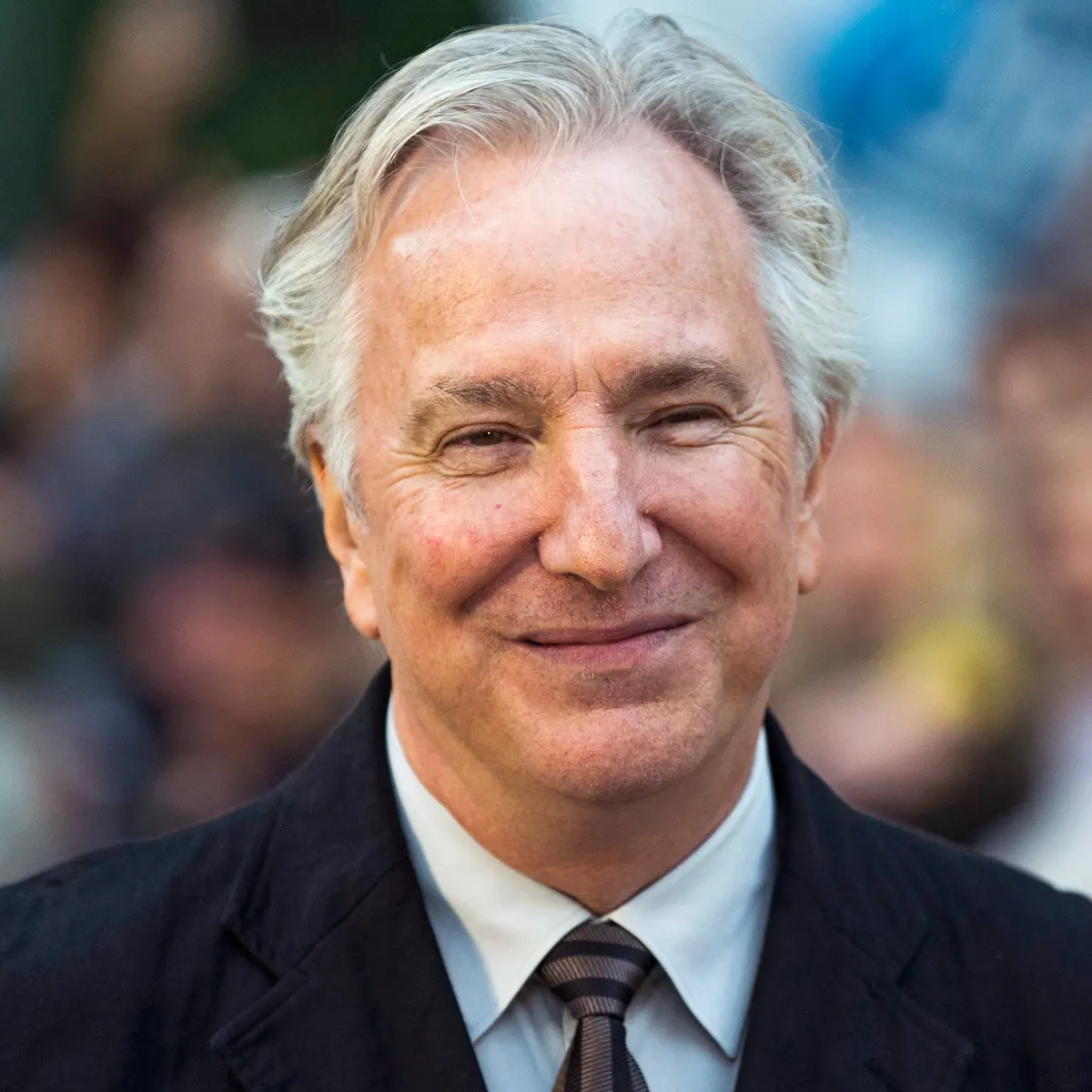
Alan Rickman’s Wikipedia entry serves as a comprehensive gateway to his four-decade career, detailing his transition from a successful graphic designer to one of the most respected actors of his generation. This guide synthesizes his iconic roles, directorial achievements, and personal insights, offering fans a structured path through his profound artistic contribution to stage and screen.
Navigating the Digital Archive: Understanding the Rickman Wikipedia Structure
As of 2026, the Wikipedia page for Alan Rickman remains one of the most frequently visited biographies for a classical actor. For the ultimate fan, the entry is more than just a list of dates; it is a repository of a lived artistic life. The page is meticulously divided into sections that cover his early life, education at the Royal Academy of Dramatic Art (RADA), his expansive stage career, and his transition into a global film icon.
When using Wikipedia as a research tool, the "Talk" page is often overlooked by casual readers. For fans seeking deeper context, the Talk page archives discussions among editors about which facts are verified and which anecdotes require more evidence. This is where the nuance of his career—such as the specific timeline of his secret marriage to Rima Horton—was hashed out before being finalized in the main article. Additionally, the "References" section at the bottom of his Wikipedia page is a goldmine for fans, providing direct links to archival interviews with The Guardian, The New York Times, and the BBC that span from the late 1970s to 2016.
The Stage Origins: From RADA to the Royal Shakespeare Company
Before he was a household name in cinema, Rickman was a titan of the British stage. His Wikipedia entry correctly highlights his "late start" in acting, having run a graphic design studio, Graphiti, before successfully auditioning for RADA at age 25. This maturity gave his early performances a gravity that younger peers often lacked.
His work with the Royal Shakespeare Company (RSC) in the mid-1980s is where his signature style—measured, articulate, and emotionally resonant—was perfected. The definitive turning point was his role as the Vicomte de Valmont in Les Liaisons Dangereuses (1985). This performance earned him a Tony nomination when the production moved to Broadway. For fans, understanding this period is essential because it explains his approach to "villainy." Rickman did not play villains; he played complex individuals with clear, often selfish, motivations. His Wikipedia history notes that he was frequently frustrated by being typecast after this role, yet he used that very fame to return to the stage throughout his life in productions like Antony and Cleopatra and Private Lives.
The Cinematic Breakthrough: Redefining the Modern Antagonist
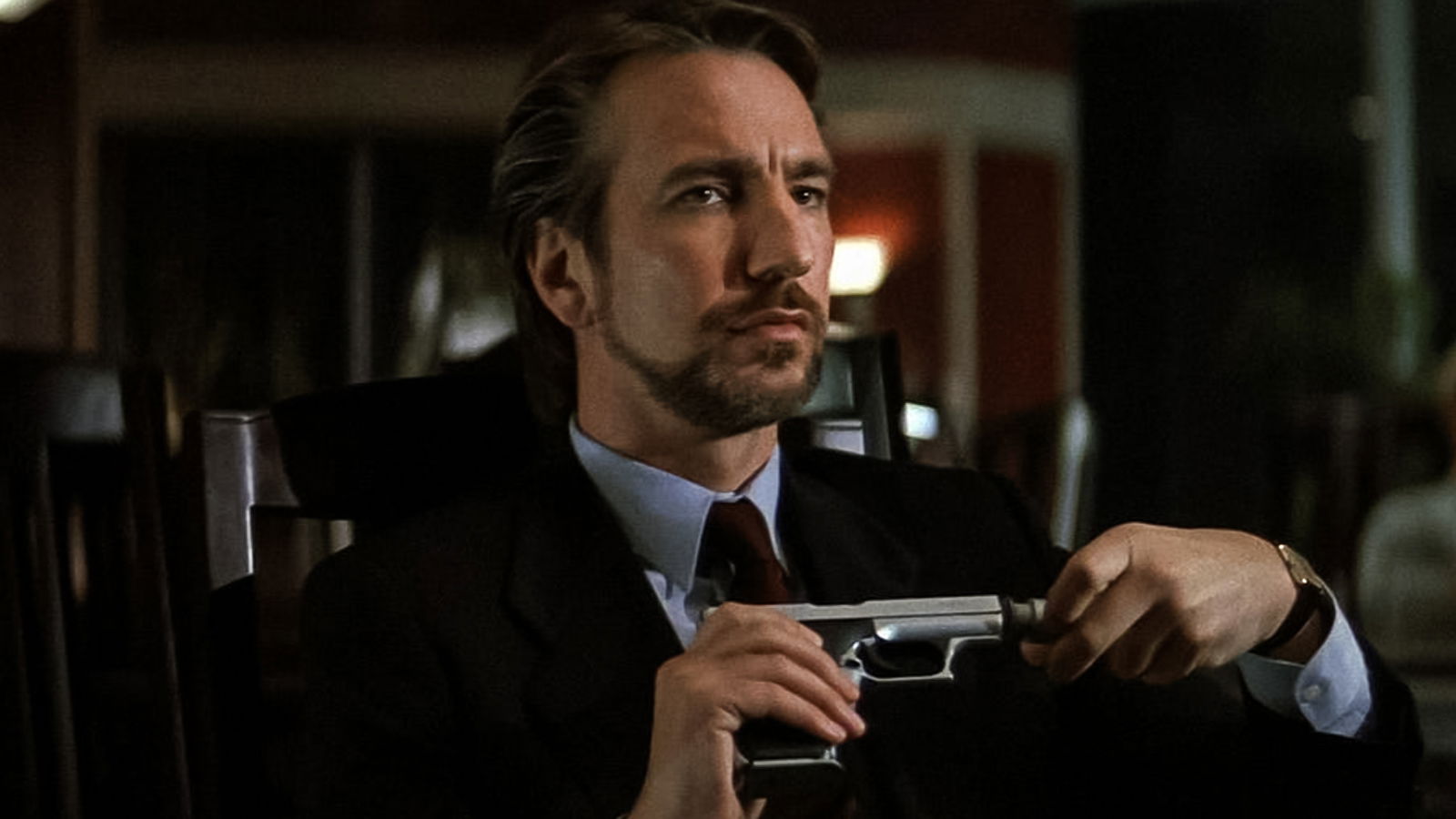
In 1988, Alan Rickman changed the landscape of action cinema with his portrayal of Hans Gruber in Die Hard. Wikipedia’s "Career" section details how Rickman was cast only two days after arriving in Los Angeles, largely due to his stage presence. Unlike the muscle-bound antagonists of the 1980s, Gruber was a "gentleman terrorist"—urbane, educated, and terrifyingly calm.
This role established the "Rickmanesque" character: a figure defined by an iconic voice and a languid delivery. However, the ultimate fan guide must look beyond the action roles. His work in the early 1990s showed immense range:
- Truly, Madly, Deeply (1990): As Jamie, a ghost returning to comfort his grieving partner, Rickman demonstrated a vulnerability that remains a fan favorite for its emotional depth.
- Robin Hood: Prince of Thieves (1991): His portrayal of the Sheriff of Nottingham earned him a BAFTA for Best Actor in a Supporting Role. This performance is often cited in film studies for Rickman’s ability to "steal" a movie through improvisation and comedic timing.
- Sense and Sensibility (1995): Playing Colonel Brandon, Rickman showcased his ability to be the romantic lead, a departure from his more aggressive roles, proving his versatility to a global audience.
The Harry Potter Phenomenon: Severus Snape and the "Always" Legacy
No discussion of Alan Rickman is complete without his decade-long tenure as Severus Snape in the Harry Potter film franchise (2001–2011). Wikipedia’s dedicated section on these films provides a factual overview, but the subtext of his performance is what fans treasure.
Rickman was famously one of the few people J.K. Rowling shared the character’s ultimate fate with before the final books were written. This "insider knowledge" allowed him to infuse his performance with subtle nuances that only made sense after the release of The Deathly Hallows. In 2026, a decade since his passing, fans still analyze his line delivery in the early films for hints of his hidden loyalty to Lily Potter. The word "Always" has become synonymous with his legacy, representing both the character’s devotion and the fans' enduring love for the actor.
The production history reveals that Rickman was protective of Snape. He would occasionally challenge directors if he felt a scene didn't align with the character’s secret internal logic. This commitment to character integrity is a hallmark of his professional reputation.
Rickman as Director and Mentor: The Winter Guest and A Little Chaos
Beyond acting, Rickman was a gifted director. His Wikipedia entry details two significant directorial efforts: The Winter Guest (1997) and A Little Chaos (2014). These films reflect his theatrical sensibilities—emphasizing character interaction, atmospheric settings, and patient pacing.
The Winter Guest, starring Phyllida Law and Emma Thompson, was adapted from a play he also directed. It highlights his interest in themes of grief and the passage of time. A Little Chaos, his final directorial work, reunited him with Kate Winslet. It is often noted by collaborators that Rickman the director was immensely supportive of his actors, drawing from his own experiences to create a collaborative environment. For the ultimate fan, viewing these films provides a window into Rickman’s own artistic tastes—often quiet, visual, and deeply human.
Comparative Overview of Major Works and Honors
The following table summarizes the pivotal moments in Rickman's career that defined his professional trajectory.
| Year | Project | Role | Primary Recognition |
|---|---|---|---|
| 1985 | Les Liaisons Dangereuses | Vicomte de Valmont | Tony Award Nomination |
| 1988 | Die Hard | Hans Gruber | AFI's 100 Years...100 Heroes & Villains |
| 1991 | Robin Hood: Prince of Thieves | Sheriff of Nottingham | BAFTA Award for Best Supporting Actor |
| 1995 | Sense and Sensibility | Colonel Brandon | Screen Actors Guild Nomination |
| 1996 | Rasputin: Dark Servant of Destiny | Grigori Rasputin | Emmy, Golden Globe, and SAG Award |
| 2001–11 | Harry Potter Series | Severus Snape | MTV Movie Award for Best Favorite Character |
| 2012 | Seminar | Leonard | Broadway.com Audience Choice Award |
Personal Life, Activism, and the "Madly, Deeply" Diaries
While Wikipedia provides the dry facts—born in Hammersmith, London; married Rima Horton in a private ceremony in 2012 after 40 years together; patron of the charity Saving Faces—the publication of his diaries in 2022, titled Madly, Deeply, added a new layer to his biography.
In 2026, these diaries are considered essential reading for any fan. They reveal a man who was deeply critical of his own work, intensely loyal to his friends, and politically engaged. His activism was not for the cameras; he quietly supported the Labour Party and various arts organizations. The diaries also clarify his feelings about the Harry Potter films, revealing his moments of doubt and his ultimate pride in the series. This posthumous transparency has only strengthened his connection with his audience, humanizing a man who often appeared enigmatic in public interviews.
Frequently Asked Questions
Did Alan Rickman have any formal vocal training?
Yes, Alan Rickman received extensive vocal training during his time at the Royal Academy of Dramatic Art (RADA). His unique voice, often described as a "rich languid baritone," was actually the result of a physiological trait—he was born with a tight jaw, which contributed to his distinctive, precise manner of speaking. In 2008, a linguistic study even identified his voice, combined with that of Jeremy Irons, as the "perfect male voice" based on tone, speed, and frequency.
What was Alan Rickman’s final film role?
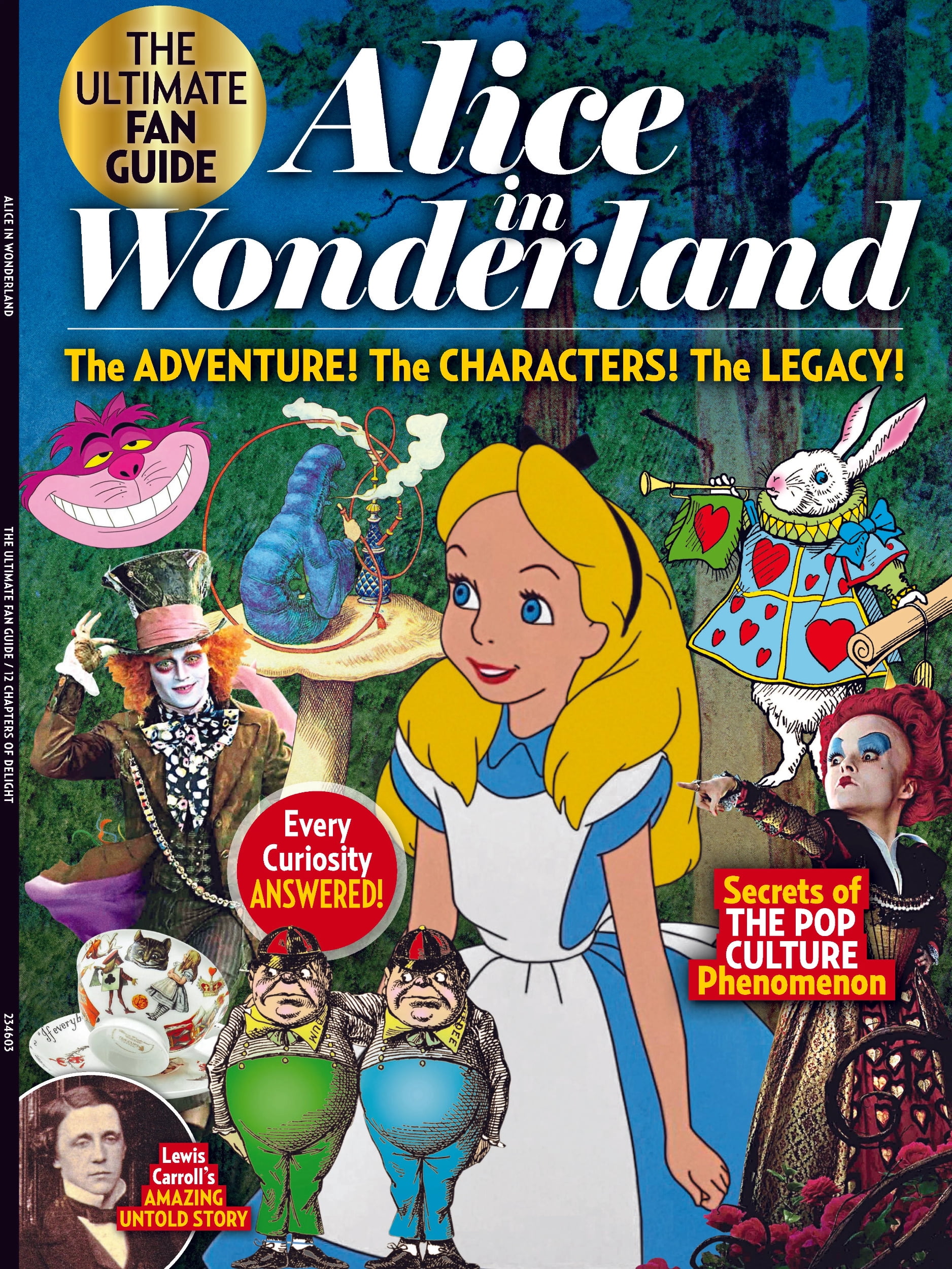
His final screen appearance was in the film Eye in the Sky (2015), where he played Lieutenant General Frank Benson. However, his final credited role was providing the voice for Absolem the Caterpillar in Alice Through the Looking Glass (2016), which was released posthumously. Both roles showcase his ability to command a scene through authority and voice alone.
How did Alan Rickman feel about being a "movie villain"?
Rickman was famously wary of the "villain" label. He often told interviewers that he didn't play villains, but rather "very interesting people." He preferred roles that offered emotional complexity. While he acknowledged that Die Hard and Robin Hood gave him the financial freedom to pursue theatre and independent film, he actively sought out roles like Colonel Brandon in Sense and Sensibility to avoid being pigeonholed by Hollywood.
Is there a memorial or permanent tribute to Alan Rickman?
While there is no single public monument, his legacy is preserved through the Alan Rickman Scholarship at RADA, which supports young actors from underprivileged backgrounds. Additionally, fans frequently leave tributes at Platform 9¾ at King's Cross Station in London, particularly on the anniversary of his passing. His Wikipedia page serves as the primary living archive of his professional achievements and honors.
Why is Alan Rickman’s Wikipedia page so highly moderated?
Due to his massive global fanbase, particularly from the Harry Potter community, his page is subject to high traffic and potential vandalism. Wikipedia editors maintain strict "Semi-Protection" on the page during anniversaries or major news events to ensure that biographical facts remain accurate and cited. This ensures the entry remains a reliable reference for historians and fans alike.
Deepen Your Appreciation: The Next Step for Fans
To truly move beyond the surface-level facts found on Wikipedia, fans should seek out the 2022 publication Madly, Deeply: The Diaries of Alan Rickman. While Wikipedia provides the "what" and "when" of his life, the diaries provide the "why." They offer an unfiltered look at the thoughts of a master craftsman as he moved through the world of high-stakes filmmaking and intimate theatre. For those in London, visiting the RADA archives or attending a screening at the British Film Institute (BFI), which frequently holds retrospectives of his work, provides a tangible connection to the man behind the iconic voice.