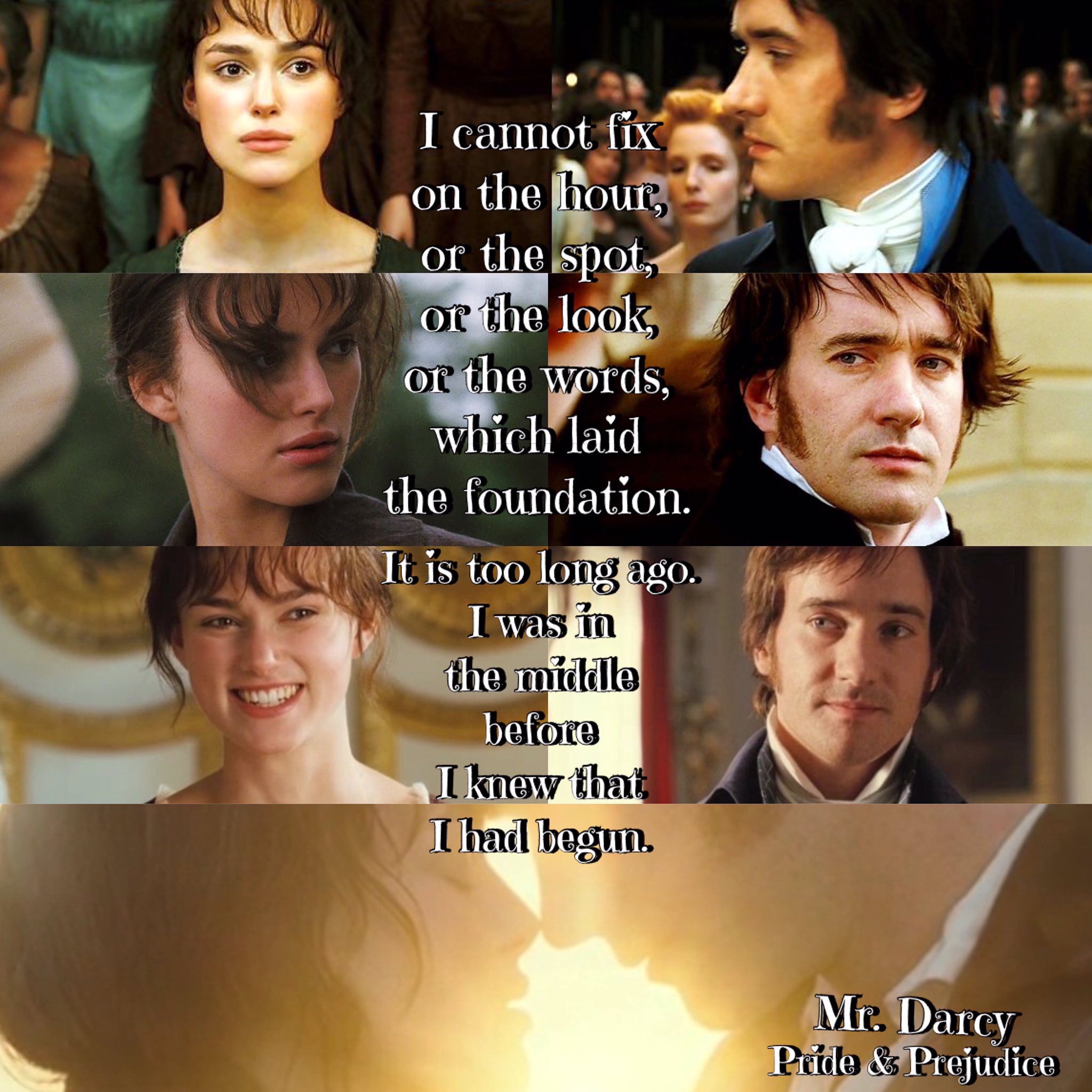
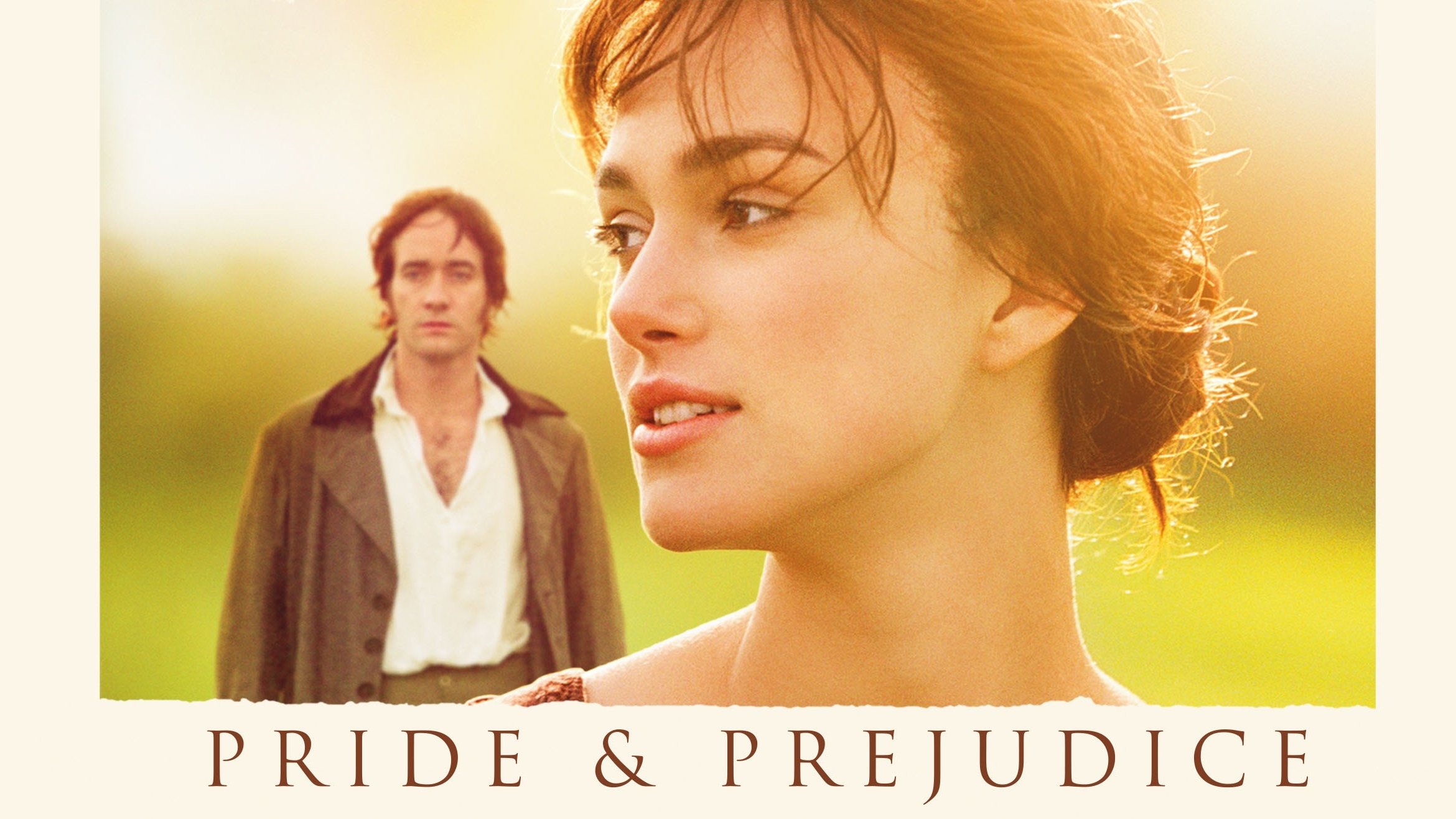
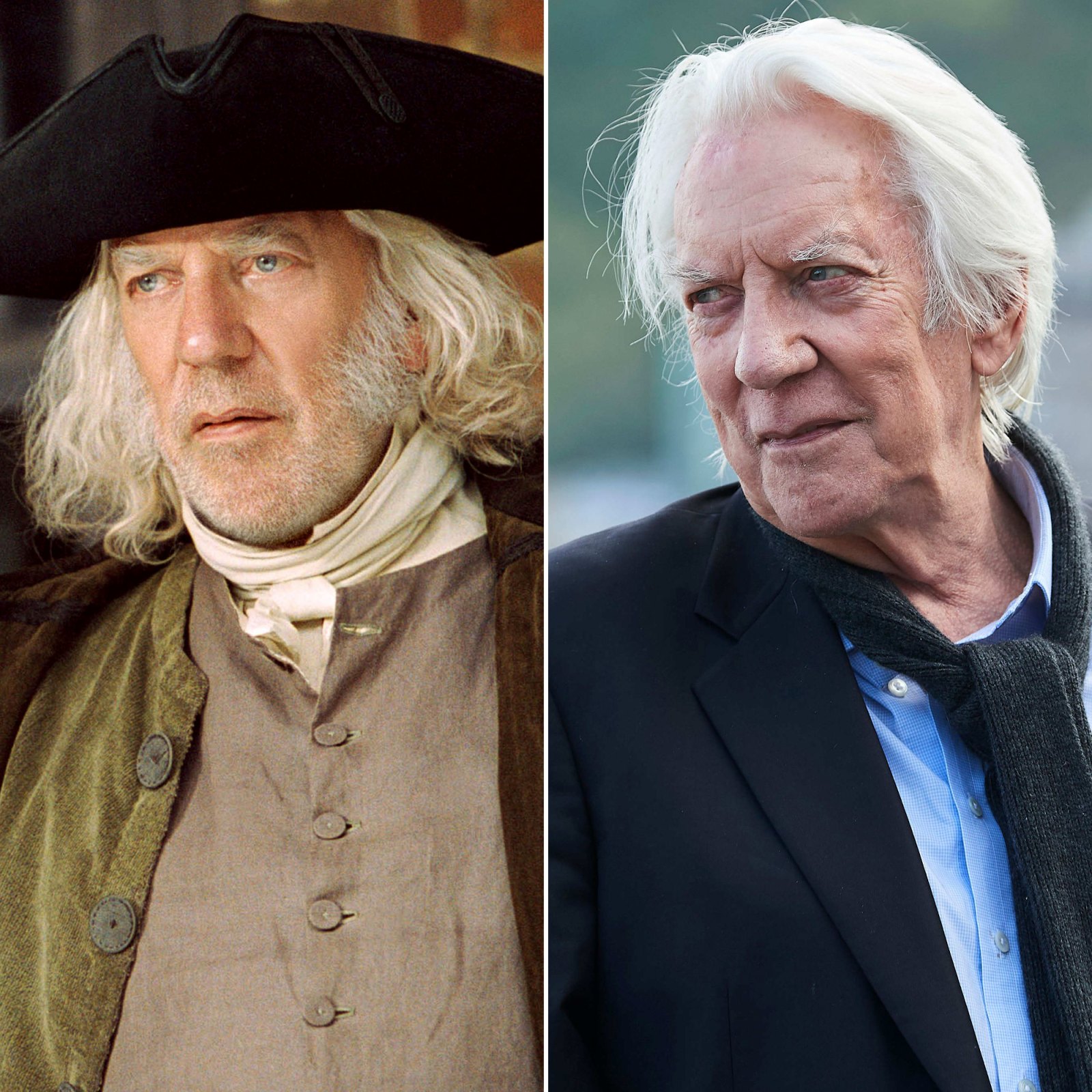
The "surprising connection" between Alan Rickman and Pride and Prejudice is not found in a single role, but rather through a sophisticated web of professional collaborations and thematic parallels. Most notably, Rickman directed Jennifer Ehle (the definitive 1995 Elizabeth Bennet) in his film A Little Chaos, and his portrayal of Colonel Brandon in Sense and Sensibility serves as the essential cinematic counterpoint to the "Darcy-mania" of the same era.
The Austen Renaissance: Sense and Sensibility and the 1995 Overlap
To understand Alan Rickman’s connection to Pride and Prejudice, one must look back at the "Austen Summer" of 1995. This was a pivotal year for British period drama, seeing the simultaneous production and release of the BBC’s Pride and Prejudice miniseries and the Columbia Pictures feature film Sense and Sensibility. While Rickman did not appear in the former, he was the emotional anchor of the latter, playing Colonel Brandon.
The connection here is one of cultural synergy. The two productions shared a target audience and a creative ethos that revitalized Jane Austen for a modern generation. Rickman’s Brandon was often analyzed by critics as the "mature" version of the Austen hero—a man who, like Fitzwilliam Darcy, suffers from a perceived coldness or reserve that masks a deeply passionate and loyal heart. In the mid-90s, Rickman and Colin Firth (who played Darcy) became the twin pillars of the Austen leading-man archetype, often appearing in the same media cycles and fan discussions, despite never sharing the screen in an Austen adaptation.
Furthermore, the success of both projects in 1995 created a "Heritage Film" movement that dominated the UK film industry for the following decade. This movement relied on a core group of classically trained British actors, often referred to as "British Acting Royalty," of which Rickman was a central figure. His work in Sense and Sensibility provided the template for how to play a restrained, brooding Regency gentleman—a template that every actor playing Darcy has had to contend with or subvert ever since.
The Directorial Link: Rickman Directing Jennifer Ehle
One of the most direct and least-discussed connections between Rickman and the world of Pride and Prejudice occurred behind the camera. In 2014, Alan Rickman directed his second and final feature film, A Little Chaos. For this period drama set in the court of Louis XIV, Rickman cast Jennifer Ehle in the role of Madame de Montespan.
Jennifer Ehle is, for many, the "forever" Elizabeth Bennet due to her performance in the 1995 BBC adaptation. Rickman’s choice to cast her was a deliberate nod to her status in the period drama genre. In A Little Chaos, Rickman (who also starred as King Louis XIV) worked closely with Ehle to craft a performance that was the antithesis of the witty, spirited Elizabeth Bennet. As Madame de Montespan, Ehle played a discarded mistress, showing a vulnerability and political calculation that contrasted sharply with her Austen roots.
This professional relationship serves as a bridge between two eras of British filmmaking. It demonstrated Rickman’s deep respect for the actors who defined the Austen revival of the 90s. For fans, seeing the "King" (Rickman) and "Elizabeth Bennet" (Ehle) collaborate decades after their respective Austen triumphs remains a significant, if niche, piece of cinematic history.
The Archetype Mirror: Colonel Brandon as the "Anti-Darcy"
While Mr. Darcy is characterized by his "Pride," Colonel Brandon is characterized by his "Constancy." However, the two characters occupy a similar space in the literary imagination, and Rickman’s performance bridged that gap. In the 1995 Sense and Sensibility, Rickman portrayed Brandon with a gravitas that many fans found more compelling than the traditional romantic lead.
The "surprising connection" lies in how Rickman’s Brandon influenced the audience's perception of Darcy. Before Rickman, Brandon was often seen as a dull, safe choice for Marianne Dashwood. Rickman infused the character with a "Byronic" quality—a sense of secret sorrow and quiet intensity—that mirrored the appeal of Darcy.
In the years following 1995, literary scholars have frequently compared the two characters. Darcy represents the hero who must be "tamed" or humbled by the heroine, while Brandon represents the hero who waits with silent endurance. Rickman’s ability to make the "silent" hero as attractive as the "arrogant" hero (Darcy) shifted the dynamics of how romantic leads were written and cast in period dramas for the next thirty years.
Professional Crossovers: The "British Acting Royalty" Network
The connection between Alan Rickman and Pride and Prejudice is further solidified by his extensive collaborations with the cast and crew of the various P&P adaptations. This network demonstrates how the British film industry operates as a close-knit community.
- Emma Thompson: Rickman’s closest professional friend wrote the screenplay for Sense and Sensibility and played Elinor Dashwood opposite him. In 2005, when Joe Wright was directing the new film version of Pride and Prejudice, Thompson performed an uncredited "script polish" on several scenes. Her influence on the dialogue in the 2005 film carries the DNA of her work with Rickman.
- Colin Firth: The most famous Mr. Darcy starred with Rickman in the 2003 hit Love Actually and the 2012 film Gambit. Their friendship and frequent pairings in "Best of British" lists created a permanent link between the two actors in the public consciousness.
- Judi Dench: Dame Judi Dench, who played the formidable Lady Catherine de Bourgh in the 2005 Pride and Prejudice, was a frequent collaborator and admirer of Rickman.
- The Harry Potter Connection: In the 2020s, many viewers began noticing the "Austen-Potter" crossover. Actors like Bill Nighy (Mr. Bennet 2005) appeared in the Harry Potter franchise alongside Rickman’s Severus Snape, further blending the two fanbases.
Comparison of Key Crossover Figures
The following table highlights the direct professional links between Alan Rickman's filmography and the major Pride and Prejudice productions.
| Actor/Entity | Pride & Prejudice Role | Rickman Connection |
|---|---|---|
| Jennifer Ehle | Elizabeth Bennet (1995) | Starred in Rickman's directed film A Little Chaos |
| Colin Firth | Fitzwilliam Darcy (1995) | Co-starred in Love Actually and Gambit |
| Emma Thompson | Script Consultant (2005) | Long-time collaborator/co-star (Sense and Sensibility) |
| Bill Nighy | Mr. Bennet (2005) | Co-starred in Love Actually and Harry Potter |
| Judi Dench | Lady Catherine (2005) | Peer and collaborator in various theatrical tributes |
| Imelda Staunton | Charlotte Palmer (S&S) | Co-starred as Dolores Umbridge in Harry Potter |
The Snape-Darcy Paradox: A Literary Comparison
In the realm of character analysis, one of the most intriguing connections is the frequent comparison between Rickman’s most famous role, Severus Snape, and Jane Austen’s Mr. Darcy. This comparison is a staple of literary and cinematic theory as of 2026.
Both characters are introduced as cold, aloof, and even antagonistic toward the protagonist. Both characters are initially misjudged by the audience based on their "pride" (Darcy) or their "prejudice" (Snape’s perceived bias). The turning point for both characters is the revelation of a hidden sacrifice—Darcy’s secret payment to Wickham and Snape’s lifelong protection of Harry Potter.
Rickman’s portrayal of Snape relied on a specific type of "period acting" technique—minimal movement, deliberate speech, and intense eye contact—that he mastered during his time in classical theatre and in Sense and Sensibility. By bringing these Regency-era sensibilities to a modern fantasy character, Rickman created a version of Snape that felt like an Austen hero gone wrong (or right, depending on the interpretation). This thematic bridge has led many Austen scholars to use Rickman’s Snape as a modern case study in the "Byronic Hero" tradition that Jane Austen both utilized and subverted.
Frequently Asked Questions
Did Alan Rickman ever play Mr. Darcy?
No, Alan Rickman never officially played the role of Fitzwilliam Darcy in a film or television adaptation of Pride and Prejudice. His most famous Jane Austen role was Colonel Brandon in the 1995 film Sense and Sensibility. However, his theatrical portrayal of Valmont in Les Liaisons Dangereuses is often compared to Darcy due to the similar period setting and the "brooding" nature of the character.
What is the specific "surprising connection" often mentioned by fans?
The "surprising connection" usually refers to the fact that Rickman directed Jennifer Ehle, the 1995 Elizabeth Bennet, in the film A Little Chaos. It is also a reference to the 1995 release of both Pride and Prejudice and Sense and Sensibility, which cemented Rickman and Colin Firth as the era's primary romantic leads in the Austen genre.
Were Alan Rickman and Colin Firth friends?
Yes, Alan Rickman and Colin Firth were professional colleagues and friends within the British acting community. They worked together on several projects, including the heist comedy Gambit (2012) and the ensemble classic Love Actually (2003). Their careers ran parallel for decades, often competing for similar leading man roles in period dramas.
Did Alan Rickman like Jane Austen's work?
Rickman had a deep appreciation for classical literature and theatre. His collaboration with Emma Thompson on the Sense and Sensibility screenplay was a project he took very seriously. He was known for his ability to translate the subtext and social nuances of 19th-century prose into physical performance, a skill essential for any actor working within the Austen canon.
How to Explore Rickman’s Period Drama Legacy
For those looking to experience the full breadth of Alan Rickman’s connection to the world of Pride and Prejudice and Jane Austen, a specific viewing order is recommended. Start with the 1995 Sense and Sensibility to see his direct contribution to the Austen genre. Follow this with A Little Chaos (2014) to see his directorial vision and his collaboration with Jennifer Ehle. Finally, viewing the 2005 Pride and Prejudice while keeping in mind Emma Thompson’s uncredited contributions provides a complete picture of this creative circle.
As of 2026, many of these films are available through major streaming platforms or as part of "British Heritage" collections at local libraries. Observing the subtle acting choices Rickman makes as Colonel Brandon—the pauses, the stillness, and the expressive glances—will reveal why he remains a central, if indirect, figure in the history of Pride and Prejudice on screen.