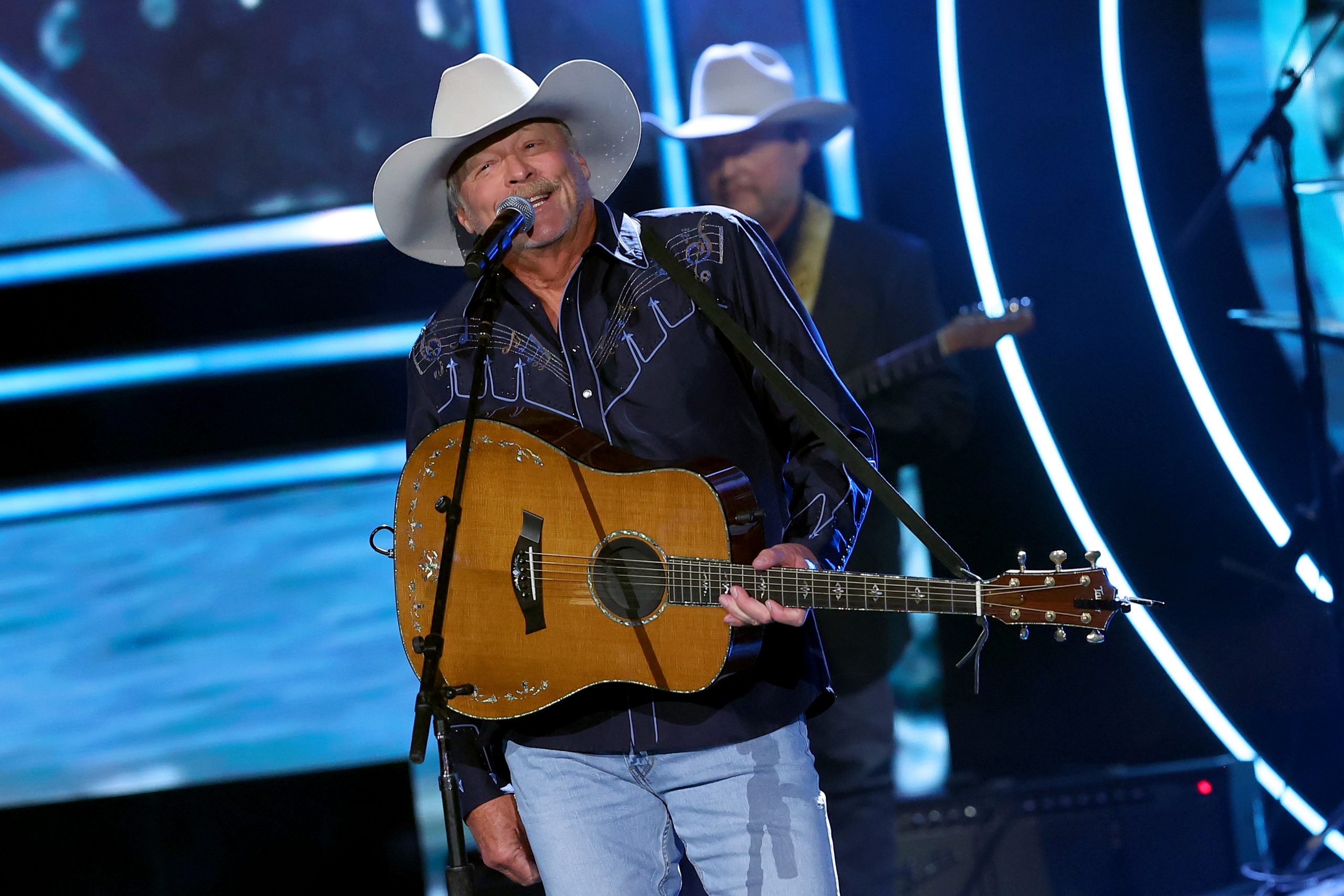
As of 2026, Alan Jackson’s net worth is estimated to be approximately $160 million. This substantial fortune is the result of a career spanning more than three decades, during which he sold over 80 million records, penned dozens of number-one hits, and strategically invested in high-end real estate and private business ventures.
Alan Jackson remains one of the most decorated and financially successful figures in the history of country music. While his active touring has slowed in recent years due to health considerations, his financial portfolio continues to grow through robust songwriting royalties, a massive back catalog, and savvy brand diversifications. To understand how the "Chattahoochee" singer built and maintains such a significant net worth, one must look at the intersection of his artistic integrity and his business acumen.
The Foundation of Wealth: Record Sales and Chart Dominance
The primary engine of Alan Jackson’s wealth is his staggering success in the recording industry. Since his debut in 1989 with Here in the Real World, Jackson has been a pillar of the "New Traditionalist" movement. Unlike many artists who see their earnings vanish through unfavorable label deals, Jackson’s longevity and consistent output allowed him to renegotiate terms that favored his long-term financial health.
With over 80 million records sold globally, the sheer volume of physical and digital sales provides a massive baseline for his net worth. In the 1990s and early 2000s—the peak of the CD era—Jackson released a string of multi-platinum albums, including A Lot About Livin' (And a Little 'bout Love) and The Greatest Hits Collection. During this era, top-tier artists could earn several dollars per unit sold, leading to massive liquid payouts.
In the modern streaming era, Jackson’s catalog remains a powerhouse. His music appeals to a multi-generational demographic that still consumes full albums while also performing exceptionally well on curated "Classic Country" playlists on platforms like Spotify and Apple Music. This "long-tail" revenue ensures that even without releasing new material every year, the singer generates millions in passive income annually.
The Songwriting Goldmine: Mechanical and Performance Royalties
Perhaps the most underrated component of Alan Jackson’s $160 million net worth is his role as a songwriter. In the music industry, there is a distinct financial advantage to being the person who writes the lyrics and melodies. While many country stars rely on outside writers, Jackson wrote or co-wrote the vast majority of his biggest hits, including "Chattahoochee," "Where Were You (When the World Stopped Turning)," and "Drive (For Daddy Gene)."
By owning the publishing rights or a significant portion of them, Jackson collects multiple streams of income:
- Mechanical Royalties: Paid for every physical or digital sale of a song.
- Performance Royalties: Paid whenever a song is played on the radio, in a restaurant, or on TV (managed through PROs like BMI).
- Sync Licenses: Fees paid to use his music in movies, commercials, or television shows.
Because Jackson’s hits are considered "standards" in the country genre, they receive heavy recurrent airplay on thousands of radio stations worldwide. This creates a "pension-style" income that is inflation-resistant and continues to appreciate as the cultural value of his catalog grows.
Real Estate Investments and Portfolio Management
Alan Jackson has long been known for his interest in high-end real estate, often buying, developing, and selling massive estates in Tennessee and Florida. His real estate transactions are not merely personal lifestyle choices; they have functioned as a sophisticated investment vehicle.
In 2010, Jackson made headlines when he sold his 135-acre estate, "Sweetbriar," in Franklin, Tennessee, for approximately $28 million. At the time, it was one of the largest residential sales in the state’s history. He followed this by developing other properties, including a custom-built hilltop mansion in Franklin that later sold for $19 million in 2020.
His strategy typically involves purchasing large tracts of land, building bespoke, luxury residences that appeal to high-net-worth buyers, and exiting the investment when the market peaks. In addition to his Tennessee holdings, Jackson has owned significant waterfront property in Jupiter, Florida, and the Florida Keys. These assets provide a "hard" value to his net worth that is independent of the fluctuations of the music industry.
Business Ventures: Silverbelly Whiskey and Beyond
In recent years, Jackson has followed the trend of successful celebrities diversifying into the spirits industry. In 2022, he launched Silverbelly Whiskey, named after the specific color of his iconic cowboy hat. This venture is more than a simple endorsement; Jackson is a partner in the brand, meaning he shares in the equity and long-term valuation of the company rather than just taking a flat fee.
By 2026, Silverbelly Whiskey has expanded its distribution significantly, capitalizing on Jackson's loyal fan base and the broader "celebrity spirit" boom. Success in the spirits industry can lead to massive exits—similar to George Clooney’s Casamigos or Ryan Reynolds’ Aviation Gin—which could potentially add tens of millions to Jackson’s net worth if the brand is eventually acquired by a global conglomerate like Diageo or Pernod Ricard.
Beyond spirits, Jackson has maintained long-standing partnerships with brands that align with his image. His partnership with Cracker Barrel Old Country Store, which included exclusive album releases and branded merchandise, served as a blueprint for how country artists could leverage retail partnerships to reach their core audience directly.
Impact of Health on Touring Revenue
In 2021, Alan Jackson revealed he had been diagnosed with Charcot-Marie-Tooth (CMT) disease, a genetic neurological condition that affects balance and muscle movement. While the condition is not life-threatening, it has impacted his ability to perform long, grueling tours.
Historically, touring is the most lucrative activity for a musician. However, by the time his diagnosis became public, Jackson had already amassed the bulk of his fortune. His "Last Call: One More for the Road" tour, which spanned 2024 and 2025, served as a strategic "victory lap." These shows were highly attended and commanded premium ticket prices, bolstered by the "farewell" nature of the events.
Even with a reduced touring schedule in 2026, Jackson’s net worth remains stable. He has shifted from the "active income" of touring to the "passive income" of his investments and royalties, a transition many artists struggle to make but one that Jackson navigated seamlessly.
Financial Summary and Career Milestones
The following table outlines the key financial pillars that contribute to Alan Jackson's current valuation.
| Revenue Stream | Estimated Contribution | Primary Driver |
|---|---|---|
| Music Sales & Streaming | $50 Million+ | 80 million albums sold; high streaming volume. |
| Songwriting & Publishing | $45 Million+ | Ownership of "Chattahoochee" and other hits. |
| Real Estate Divestment | $40 Million+ | Sale of Sweetbriar and Franklin estates. |
| Touring (Historical) | $20 Million+ | Decades of sold-out arena and stadium tours. |
| Business Ventures | $5 Million+ | Silverbelly Whiskey equity and endorsements. |
Comparison with Country Music Peers
To put Alan Jackson's $160 million net worth into perspective, it is helpful to compare him to his contemporaries. While he may not reach the billionaire status of Dolly Parton (who benefited from the Dollywood theme park) or the $400 million+ levels of Garth Brooks, he sits comfortably in the top tier of country earners.
- George Strait: Estimated at $300 million (higher volume of hits and consistent touring).
- Kenny Chesney: Estimated at $180 million (massive stadium tour revenue).
- Alan Jackson: $160 million (stronger focus on songwriting and real estate).
Jackson’s wealth is characterized by lower overhead and high-margin assets (like songwriting) compared to artists who maintain massive touring infrastructures year-round.
FAQs About Alan Jackson's Net Worth
Does Alan Jackson own the rights to all his songs?
Alan Jackson owns a significant portion of his publishing rights, though specific deals with Arista Nashville and Sony Music involve shared royalties. Because he wrote most of his 35 number-one hits himself, his share of the "writer's side" of royalties is much higher than the average performer.
How much does Alan Jackson make per year in 2026?
Even without active touring, it is estimated that Alan Jackson earns between $5 million and $10 million annually. This comes from a combination of streaming royalties, radio airplay, Silverbelly Whiskey profits, and investment returns from his diversified portfolio.
Did Alan Jackson sell his music catalog?
As of 2026, there have been no confirmed reports that Alan Jackson has sold his entire music catalog. Many legacy artists have sold their catalogs for 10x to 20x their annual royalty value (often fetching hundreds of millions). If Jackson were to sell his catalog today, his net worth could potentially double instantly.
How did CMT disease affect his finances?
While CMT disease limited his ability to perform 50+ dates a year, it did not negatively impact his overall net worth. The scarcity of his performances actually increased ticket demand and merchandise sales for his "Last Call" tour dates, maintaining high profitability per show.
What is Alan Jackson's most profitable song?
While "Chattahoochee" is his most famous "fun" song, "Where Were You (When the World Stopped Turning)" is likely his most profitable due to its massive cultural impact, frequent use in documentaries/tributes, and consistent radio play during national holidays and memorials.
The Future of the Jackson Estate
Looking ahead, the value of Alan Jackson's brand is likely to remain high. In the music industry, the "legend" status he has achieved ensures that his music will be treated as a classic asset, similar to the catalogs of Johnny Cash or Willie Nelson. For fans and investors alike, Jackson represents a model of how to manage a creative career with the discipline of a corporate executive.
His focus has clearly shifted toward legacy preservation. By 2026, his involvement in the Country Music Hall of Fame and various charitable efforts through his foundation shows a transition from wealth accumulation to wealth distribution and cultural stewardship. For those tracking the finances of country music icons, Alan Jackson remains a gold standard of stability and strategic growth.