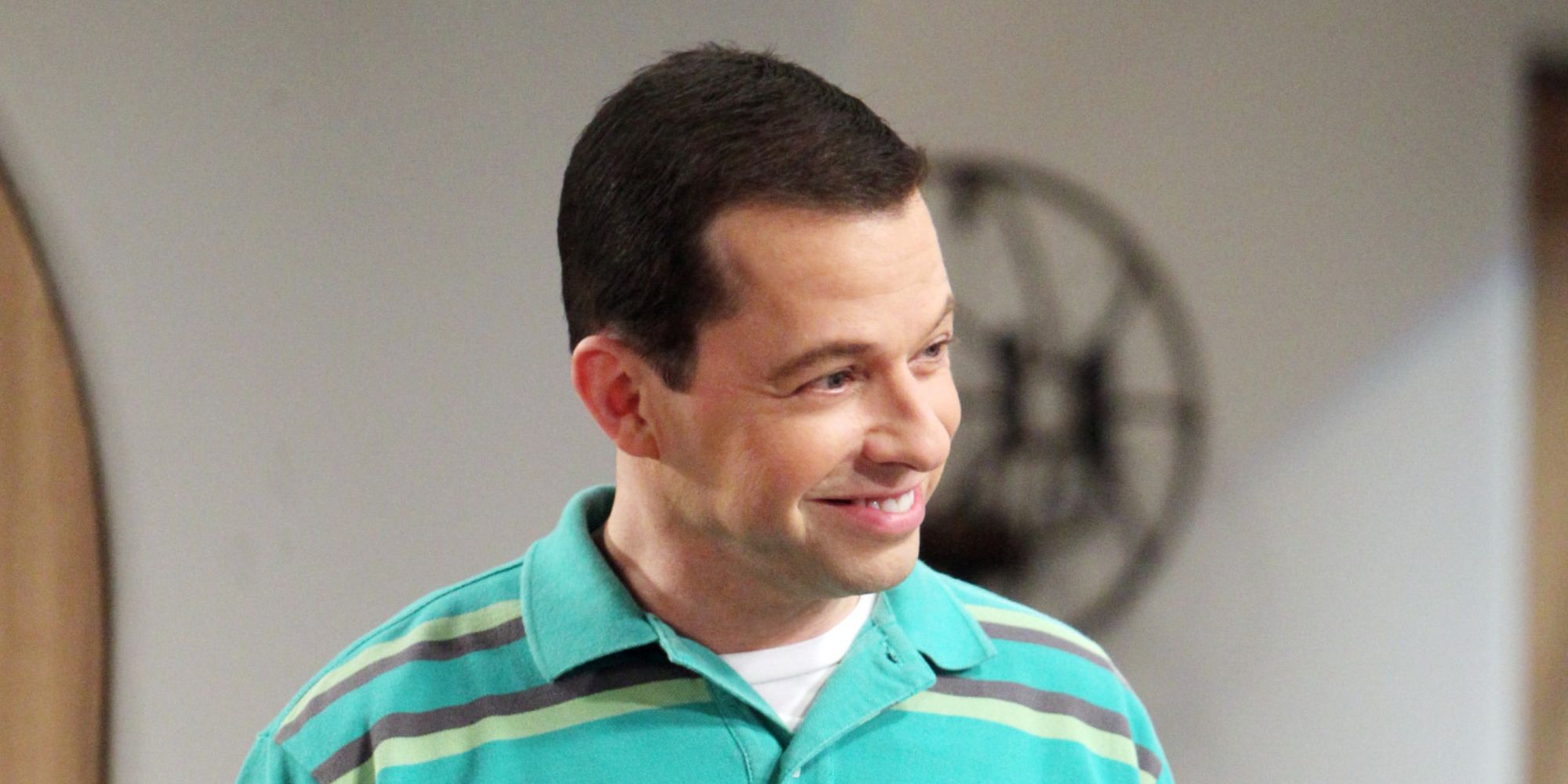
Alan Harper’s relationships are defined by a recurring cycle of financial desperation, emotional insecurity, and poor decision-making. Primarily characterized by his long-term animosity with his first ex-wife, Judith, and his volatile on-and-off saga with Lyndsey Mackelroy, Alan’s romantic life serves as a comedic cautionary tale about the intersection of self-worth and desperation.
Throughout the twelve-season run of Two and a Half Men, Alan Harper (portrayed by Jon Cryer) evolved from a sympathetic, newly divorced father into a professional "leech" whose romantic endeavors were frequently sabotaged by his own parsimony and lack of confidence. To understand the "Alan Harper relationship" dynamic, one must look past the superficial dates and examine the deep-seated psychological patterns that kept him in a state of perpetual romantic instability. As of 2026, the character remains one of the most studied archetypes in sitcom history regarding "nice guy" tropes and the reality of post-divorce life in a high-cost environment like Malibu.
The Foundation of Failure: Judith Harper-Melnick
The primary catalyst for Alan's trajectory is his marriage to Judith Harper (Marin Hinkle). The dissolution of this marriage in the pilot episode sets the stage for the next decade of Alan’s life. Unlike many sitcom divorces that eventually find a peaceful equilibrium, Alan and Judith’s relationship remained a source of intense friction, largely centered on alimony and the upbringing of their son, Jake.
Judith represented Alan’s greatest failure and his most significant financial burden. Because Alan was a chiropractor with a modest income, the alimony payments to Judith were a constant drain on his resources, forcing him to live in his brother Charlie’s beach house. This financial tethering meant that even when Alan was "free," he was never truly independent. Judith often used their son, Jake, as a tool for manipulation, though she would argue her actions were merely a response to Alan’s perceived inadequacies as a provider and a man.
The relationship took a complex turn when Judith married Dr. Herb Melnick. For a brief period, Alan was relieved of his alimony obligations, only for the marriage to fail and the cycle to potentially restart. The "Judith factor" is essential to any Alan Harper relationship analysis because her shadow loomed over every subsequent woman he dated. He was often looking for someone who was the "anti-Judith," yet he frequently gravitated toward women who would ultimately treat him with the same disdain.
The Kandi Arc: From One-Night Stand to Second Wife
Alan’s second marriage to Kandi (April Bowlby) is perhaps the most surreal chapter in his romantic history. Kandi was significantly younger, intellectually challenged, and originally introduced as one of Charlie’s many casual flings. Alan’s attraction to her was a mix of physical infatuation and a desperate need to feel superior—a rare sensation for him.
Their relationship progressed rapidly, culminating in a spontaneous Las Vegas wedding after Alan won a massive jackpot. However, the marriage was doomed by the same factors that plagued Alan’s life:
- Mismatched Goals: Kandi wanted a career in acting; Alan wanted a domestic life he could afford.
- Financial Imbalance: Once the gambling winnings ran out, the reality of supporting a second household became impossible.
- Intellectual Gap: While played for laughs, the massive gap in their maturity levels made a long-term partnership unsustainable.
When Kandi eventually landed a role on a television show, she became the "breadwinner," mirroring the power dynamic Alan had with Judith. Kandi ultimately divorced him, leading to yet another layer of alimony—though her career success eventually spared him the worst of the financial fallout. Kandi’s character represented the fleeting nature of Alan’s "wins"; even when he succeeded in landing a "trophy wife," he lacked the emotional or financial infrastructure to keep the relationship stable.
The Lyndsey Mackelroy Era: Toxic Co-Dependency
If Judith was the source of Alan’s trauma, Lyndsey Mackelroy (Courtney Thorne-Smith) was his greatest addiction. Introduced in later seasons, Lyndsey was a fellow single parent who initially seemed like a perfect match for Alan. She was grounded, successful, and genuinely interested in him despite his living situation.
However, the relationship quickly devolved into a cycle of "break up and make up." Lyndsey’s flaws began to surface, including her struggle with alcohol and her own deep-seated insecurities. The relationship survived multiple catastrophes, including:
- Alan accidentally burning down Lyndsey’s house.
- Lyndsey dating other men (like Larry) while Alan lurked in the background.
- Constant infidelity and lying from both parties.
The "Alan and Lyndsey" dynamic is a textbook example of co-dependency. Both characters felt they couldn't do better than each other, leading to a relationship built on convenience and shared misery rather than mutual growth. By 2026, many television critics view this relationship as the show's commentary on the "sunk cost fallacy"—Alan stayed because he had already invested so much time, even though the relationship made him objectively miserable.
The Psychology of the "Alan Harper Relationship"
To understand why Alan consistently failed, one must look at his behavioral traits. Alan suffered from what many psychologists call a "poverty mindset." Even when he had money, he acted as though he were on the brink of ruin. This manifested in his relationships as extreme cheapness, which acted as a major deterrent for high-quality partners.
Furthermore, Alan’s residency in Charlie’s (and later Walden’s) beach house created a permanent "guest" status. He was never the "man of the house," which undermined his confidence in every romantic pursuit. He was often caught between two worlds: wanting the respect of a traditional husband while actively avoiding the financial responsibilities that come with it.
Minor Relationships and Notable Flings
While Judith, Kandi, and Lyndsey were the "big three," Alan had several other relationships that highlighted different facets of his personality:
- Melissa (Kelly Stables): Alan’s receptionist. This relationship was defined by the power dynamic of the workplace and Melissa’s eventually justified rage at Alan’s spinelessness.
- Gretchen Sperlock (Kimberly Williams-Paisley): For a moment, Gretchen seemed like "the one." She was essentially a female version of Alan, sharing his neuroses. However, Alan’s inability to be honest about his living situation (pretending Walden’s house was his) inevitably destroyed the bond.
- Rose (Melanie Lynskey): Though primarily Charlie’s stalker, Alan had a brief, ill-advised romantic encounter with Rose. This highlighted his desperation; he was willing to date a known harasser simply because she was available and lived nearby.
Comparative Overview of Alan Harper’s Major Partners
The following table summarizes the most impactful relationships in Alan's life, illustrating the diversity of his failures.
| Partner | Relationship Status | Primary Conflict | Financial Impact |
|---|---|---|---|
| Judith Harper | First Wife | Mutual loathing, parenting Jake | High alimony; Alan became "poor." |
| Kandi | Second Wife | Age/Intellect gap, career success | Brief alimony; triggered Alan's mid-life crisis. |
| Lyndsey Mackelroy | Long-term Girlfriend | Co-dependency, infidelity, arson | Emotional exhaustion; "The Sunk Cost." |
| Melissa | Ex-Girlfriend | Professional boundaries, Alan's lies | Loss of staff loyalty; workplace tension. |
| Gretchen Sperlock | Ex-Girlfriend | Alan's dishonesty about his wealth | Minimal financial impact; high emotional regret. |
The Impact of Walden Schmidt on Alan's Dating Life
When Walden Schmidt (Ashton Kutcher) replaced Charlie Harper, the dynamic of Alan’s relationships shifted. Walden was a billionaire, which provided Alan with a different kind of safety net. However, it also highlighted Alan’s inadequacy. In the later seasons, Alan often used Walden’s wealth to attract women, further eroding his authenticity.
The show's finale saw Alan and Walden entering a "platonic marriage" to facilitate an adoption. This was perhaps the most successful "relationship" Alan ever had. It provided him with the stability, home, and companionship he had been seeking from women for over a decade. It suggested that Alan’s primary need wasn't necessarily romantic love, but the security of a home he didn't have to pay for.
Frequently Asked Questions
Why did Alan and Judith get a divorce?
The divorce was primarily driven by Judith's realization that she was no longer happy with Alan. She claimed that being around him "smothered" her, though the show frequently hinted that she may have been exploring her own identity or sexuality at the time. The divorce was the foundational trauma of the series for Alan.
Did Alan Harper ever get a "happy ending" romantically?
In the traditional sense, no. By the series finale, Alan was still entangled in complex dynamics. While he was technically "with" Lyndsey, the relationship remained volatile. His most stable domestic situation remained his residency in the beach house with Walden.
How much alimony did Alan really pay?
While specific total figures were rarely cited, the show established that Alan paid a significant portion of his chiropractic income to Judith. This was a "California-style" alimony arrangement that lasted until Judith remarried (and potentially resumed after her second marriage failed).
Did Alan ever date anyone who wasn't "broken"?
Most of Alan’s partners had significant emotional baggage. This was a deliberate writing choice to show that Alan’s low self-esteem drew him toward people with similar issues. Gretchen Sperlock was perhaps the most "compatible," but Alan’s own dishonesty ruined that potential.
Why did Lyndsey keep taking Alan back?
Lyndsey’s character was written as someone with her own set of deep insecurities and a history of bad choices in men. Despite Alan’s flaws, he was a "known quantity." For Lyndsey, the fear of being alone often outweighed the frustration of being with Alan.
Actionable Takeaways from Alan Harper’s Romantic History
Analyzing the "Alan Harper relationship" provides several real-world lessons in dating and personal development. For those looking to avoid the "Alan archetype," the following steps are crucial:
- Prioritize Financial Independence: Alan’s biggest hurdle was his inability to support himself. This created a power imbalance in every relationship. True romantic health starts with personal stability.
- Radical Honesty: Many of Alan’s relationships (specifically with Gretchen) failed because he was ashamed of his life. Honesty about one’s situation, even if it is a "living with a roommate" scenario, is essential for building trust.
- Break the Cycle of Co-dependency: If a relationship is defined by "breaking up and making up" like Alan and Lyndsey’s, it is likely toxic. Recognizing the "sunk cost" and moving on is healthier than staying in a cycle of misery.
- Self-Worth Beyond a Partner: Alan defined himself by who he was dating or who he was living with. Developing a sense of self that is independent of a relationship status prevents the kind of desperation that led Alan to date people like Rose.
As of 2026, Alan Harper remains a quintessential example of how not to handle post-divorce life. By examining his relationships, viewers can see the importance of self-respect, financial planning, and the courage to be alone rather than in bad company.