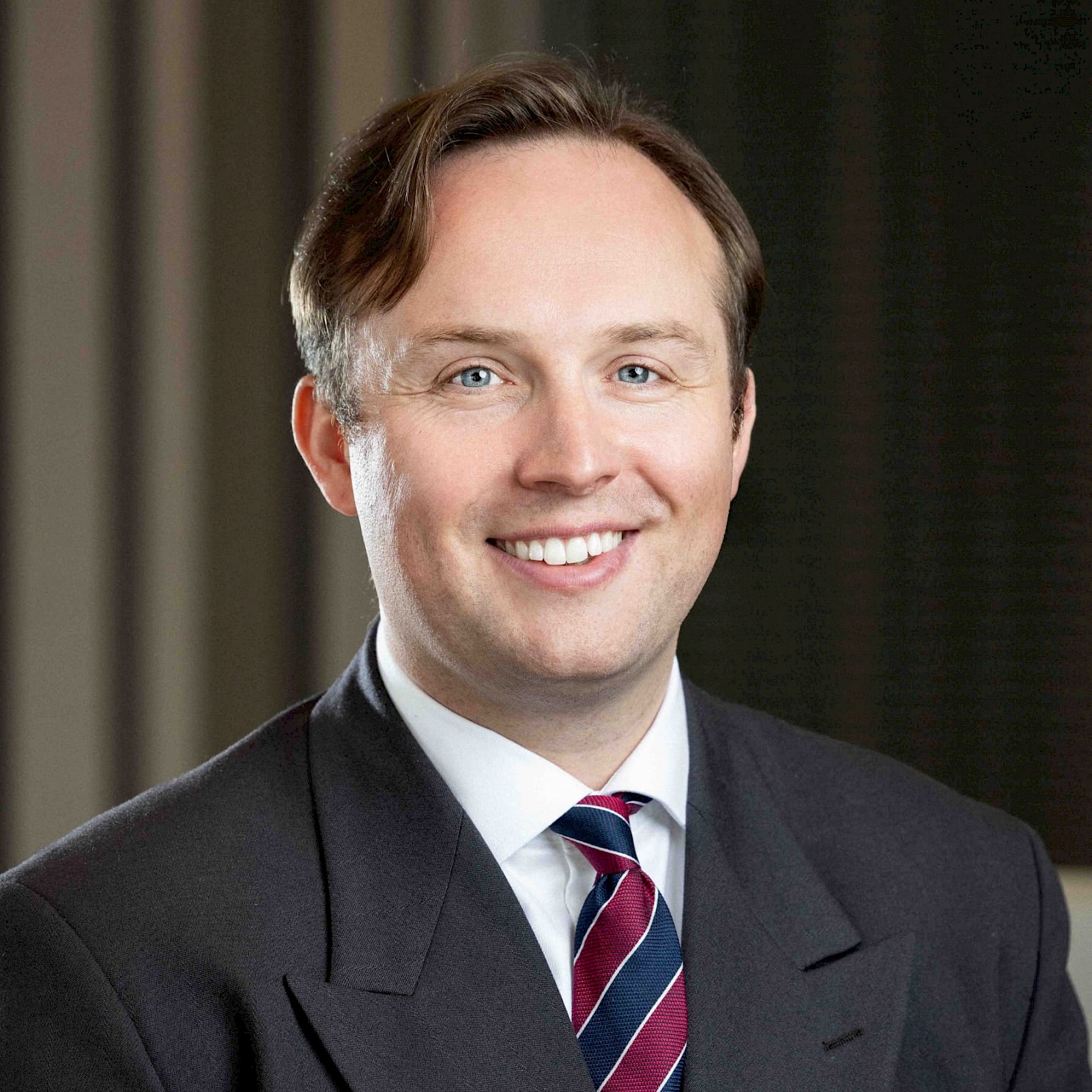
Alan Ferguson is a highly acclaimed American music video director and creative director known for his minimalist, symmetrical, and deeply cinematic visual style. He rose to global prominence through his award-winning collaborations with artists such as Solange Knowles, Beyoncé, and Janelle Monáe, ultimately winning a Grammy Award for Best Music Video in 2017.
Who is Alan Ferguson?
Born on August 5, 1963, Alan Gerard Ferguson has spent decades carving out a niche as one of the most respected visual storytellers in the music industry. Unlike many directors who seek the limelight, Ferguson has largely maintained a low-profile, preferring to let his work speak for itself. He is the son of Winifred and William Ferguson, and his upbringing in a household that valued artistic expression provided the foundation for his later career in film and media.
By the mid-2000s, Ferguson began establishing himself as a go-to director for artists looking to elevate their visual identity beyond standard industry tropes. His work is often characterized by a "tableau" style—static, carefully composed shots that resemble fine art paintings rather than traditional fast-cut music videos. This approach has made him a pivotal figure in the transition of the music video medium from pure promotion to a legitimate form of high-concept visual art.
As of 2026, Ferguson’s influence remains visible in the works of a younger generation of directors who prioritize color theory, architectural symmetry, and cultural symbolism over high-octane action. His ability to blend commercial appeal with avant-garde aesthetics has secured his place in the pantheon of great American music video directors.
The Evolution of Ferguson’s Visual Style
The "Alan Ferguson Look" is recognizable to many, even if they cannot immediately name the director behind the lens. His aesthetic is built on several key pillars: symmetry, minimalism, and a sophisticated use of color. While many music videos of the early 2000s relied on rapid-fire editing and flashy visual effects, Ferguson took a different path, drawing inspiration from mid-century modernism and the cinematic framing of directors like Wes Anderson, while grounding his work in the nuances of Black culture and identity.
Symmetry and Framing
Ferguson frequently utilizes centered, symmetrical framing that creates a sense of balance and calm. This technique forces the viewer to focus on the subject within the environment, often highlighting the relationship between the human form and the architecture surrounding it. In his most famous works, the background is never just a backdrop; it is an active participant in the narrative.
Color Palette and Texture
His use of color is deliberate and often monochromatic or complementary. Whether it is the earthy, muted tones found in the videos for A Seat at the Table or the vibrant, Afrofuturist pops of color in Janelle Monáe’s early projects, Ferguson uses palette to evoke specific emotional responses. By limiting the color range within a scene, he achieves a clean, sophisticated look that feels timeless.
Minimalist Movement
Rather than chaotic choreography, Ferguson often employs "living statues" or slow, deliberate movements. This minimalism allows for a deeper appreciation of the styling, the costume design, and the lyrical content of the song. It is a "less is more" philosophy that has defined his career for over twenty years.
Masterpieces and Key Collaborations
To understand Alan Ferguson’s impact, one must look at the specific projects that defined his career. While he has worked with a wide array of talent, his partnerships with Solange Knowles and Janelle Monáe are perhaps the most culturally significant.
The Solange Era: A Seat at the Table
Ferguson’s collaboration with his then-wife Solange Knowles on her 2016 album A Seat at the Table represents a high-water mark for music video history. He co-directed the videos for "Cranes in the Sky" and "Don't Touch My Hair," both of which became instant visual icons.
- "Cranes in the Sky": This video features breathtaking shots of Solange in various natural and architectural settings, emphasizing themes of isolation, beauty, and resilience. The use of vast landscapes compared against intimate close-ups created a visual language for the album that resonated globally.
- "Don't Touch My Hair": This work was a powerful statement on Black identity and agency. Ferguson’s direction highlighted the architectural beauty of hair and the grace of the Black body through rhythmic, synchronized movements and stark, beautiful lighting.
Janelle Monáe: The ArchAndroid and Beyond
Before his work with Solange, Ferguson was instrumental in crafting the visual world of Janelle Monáe. He directed "Many Moons" and "Tightrope," videos that helped establish Monáe’s unique "android" persona and her signature black-and-white tuxedo aesthetic. These videos were notable for their high energy, complex world-building, and seamless blend of vintage soul aesthetics with futuristic themes.
Diversifying the Portfolio
Ferguson has also lent his eye to pop and hip-hop giants, demonstrating a versatile range that extends beyond minimalism. He directed the video for Beyoncé’s "Party," which took a more vibrant, retro-summer approach, and Jay-Z’s "Feelin' It," which captured the raw, early-career energy of the rap mogul. He even ventured into the pop world with Katy Perry’s "Walking on Air," showing he could adapt his structured style to different musical genres.
Industry Recognition and Awards
Throughout his career, Ferguson has been recognized by his peers and major institutions for his contributions to the visual arts. His work on A Seat at the Table was particularly decorated, cementing his status as a top-tier director.
| Award Body | Category | Project | Status |
|---|---|---|---|
| Grammy Awards | Best Music Video | "Cranes in the Sky" | Winner |
| BET Awards | Video Director of the Year | Body of Work | Winner |
| MTV Video Music Awards | Best Art Direction | "Many Moons" | Nominee |
| Cannes Lions | Excellence in Music Video | "Don't Touch My Hair" | Gold Lion |
| Soul Train Music Awards | Video of the Year | "Cranes in the Sky" | Winner |
The 2017 Grammy win for "Cranes in the Sky" was a pivotal moment, as it recognized a video that broke many of the traditional "rules" of what a winning music video should look like. It favored slow-burn cinematography over spectacle, a testament to Ferguson’s vision.
Personal Life and Public Persona
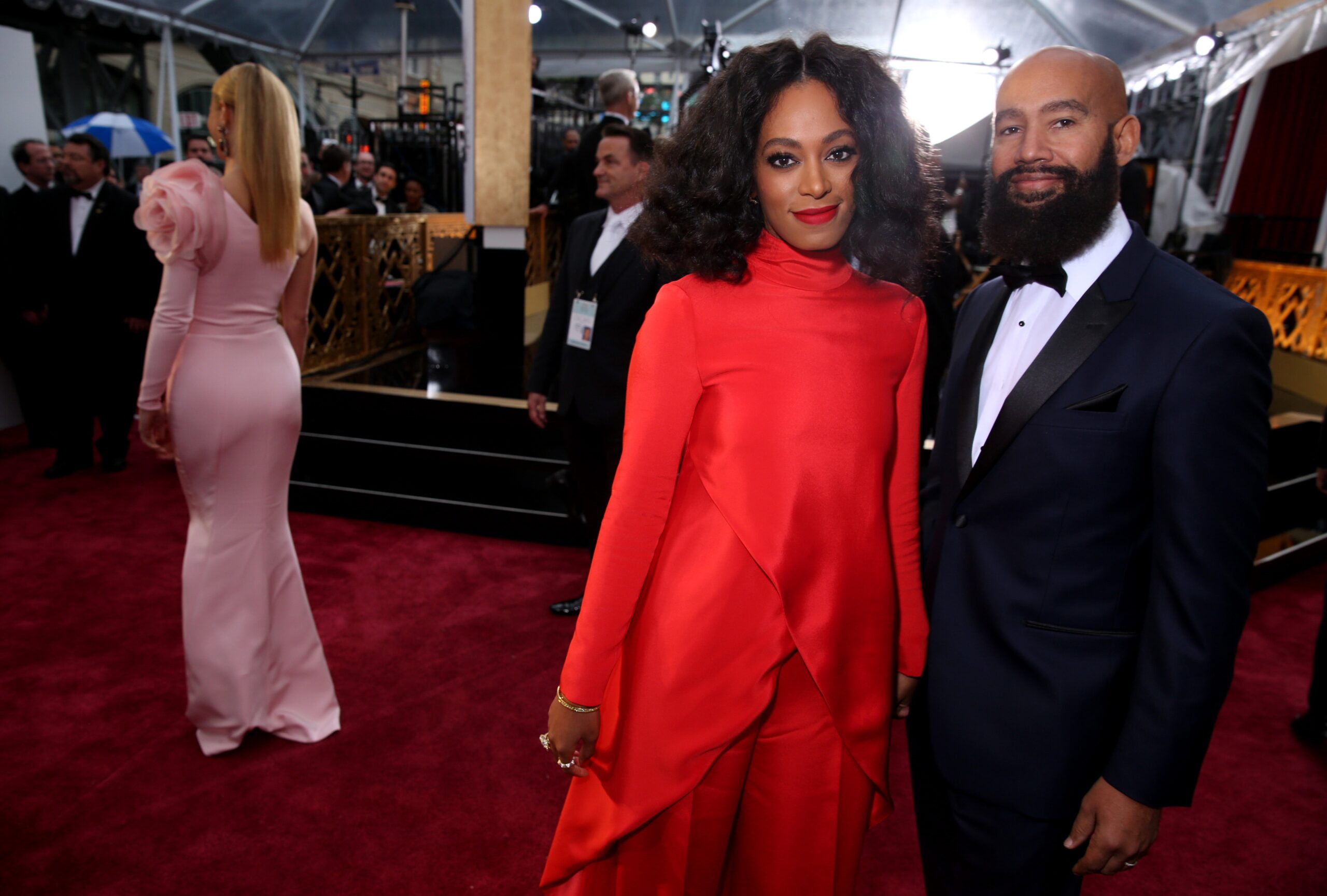
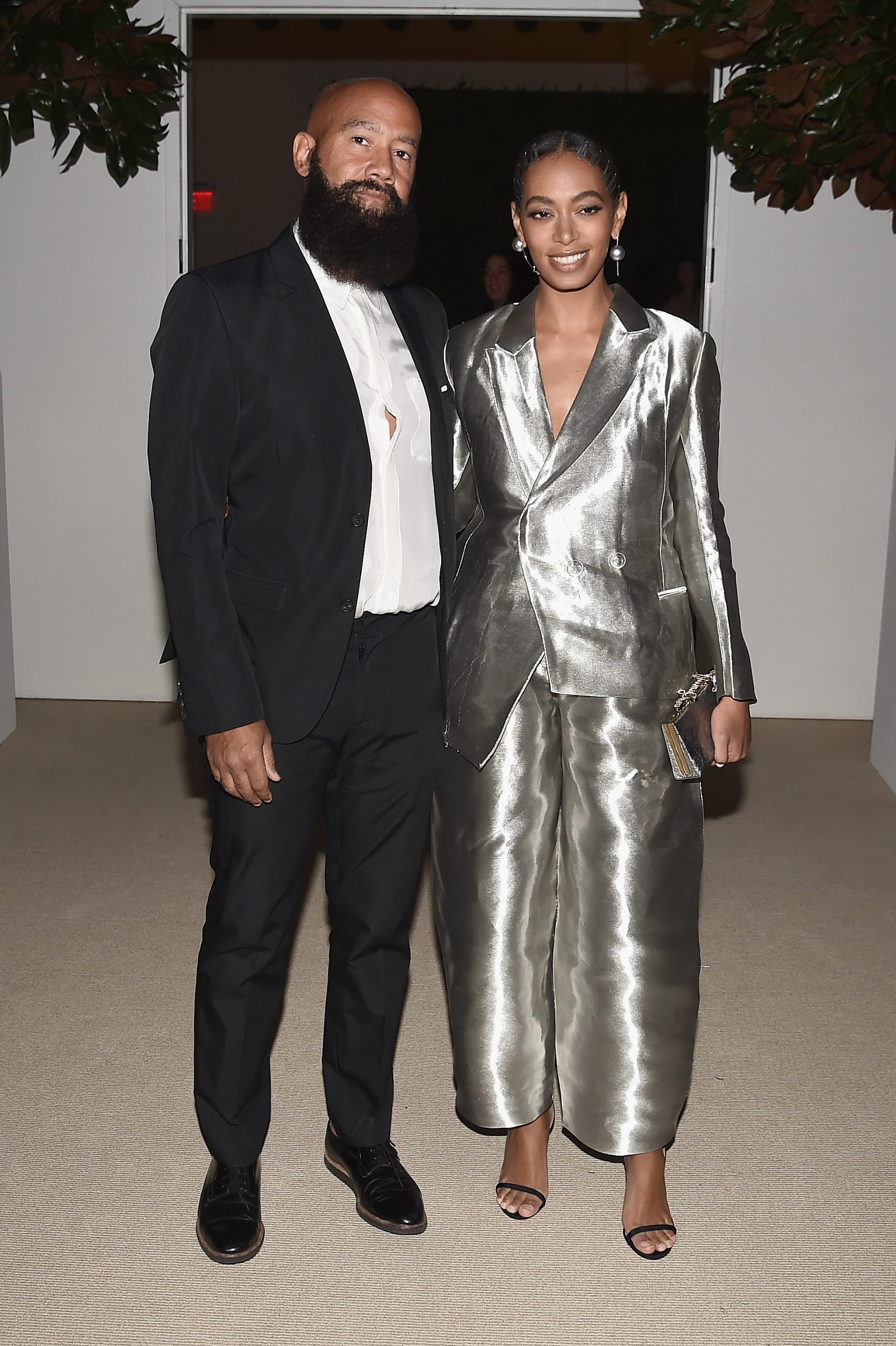
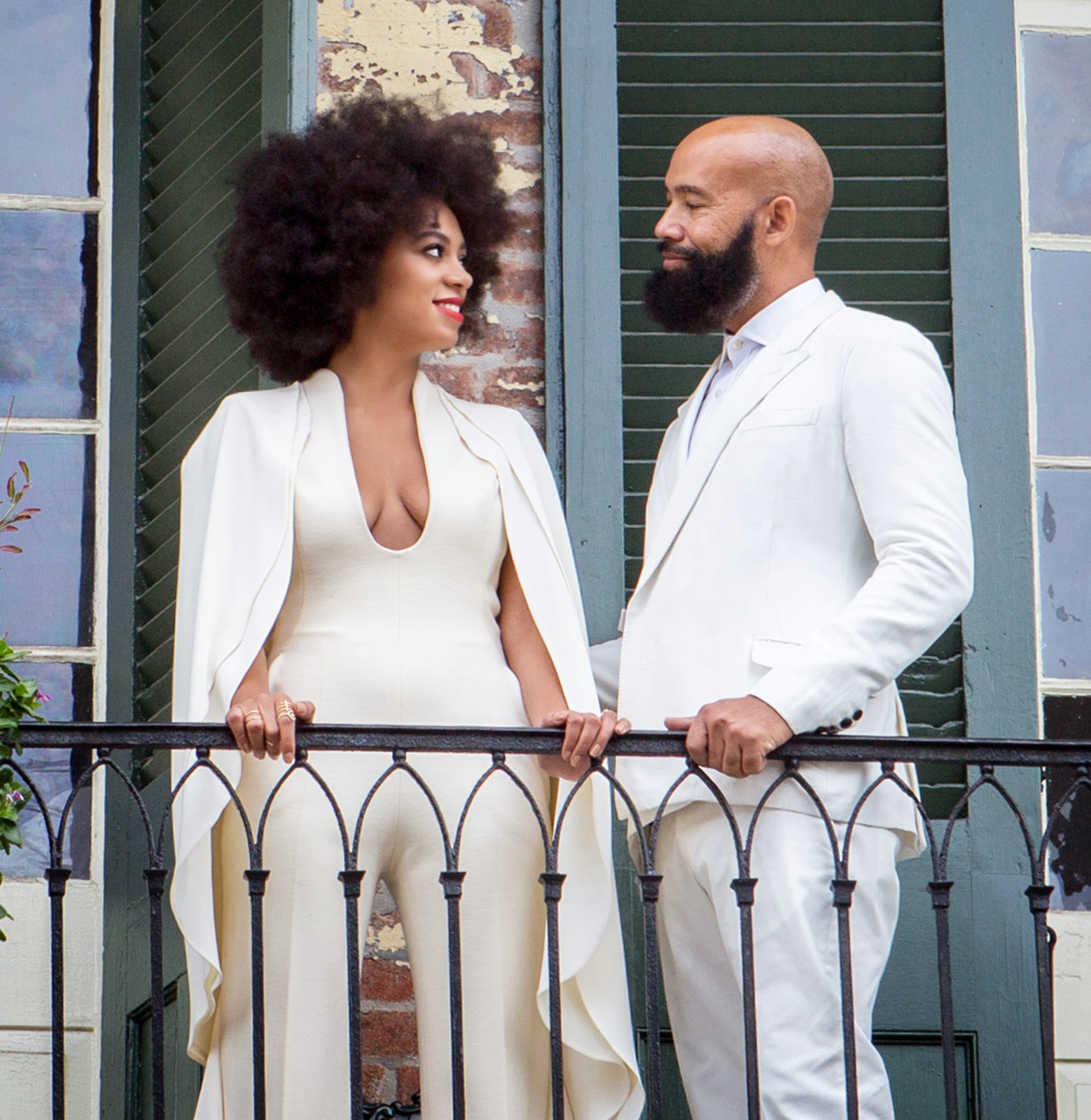
Alan Ferguson’s personal life became a subject of significant public interest when he began dating Solange Knowles. The couple married in a highly publicized and visually stunning wedding in New Orleans in November 2014. The wedding photos, featuring the couple and their wedding party in all-white attire against a minimalist backdrop, went viral and were praised for their artistic elegance—a clear reflection of Ferguson’s professional aesthetic.
However, after five years of marriage, Solange announced their separation in 2019. In a moving social media post, she described Ferguson as a "phenomenal man" who had changed her life. Despite the end of their romantic relationship, the creative legacy they built together remains one of the most influential periods in 21st-century music media.
Ferguson has remained largely private following the separation, continuing to work behind the scenes and focusing on his craft. In the current landscape of 2026, he is often cited in retrospectives regarding the "Visual Album" era, where he played a foundational role in proving that music videos could be high-art experiences.
The Technical Depth of Ferguson’s Work
For aspiring directors and film students, Ferguson’s work provides a masterclass in several technical areas. His mastery of the "locked-off" shot—where the camera remains stationary—allows the internal rhythm of the scene to dictate the energy. This requires immense precision in production design and lighting, as there is no camera movement to hide flaws.
Furthermore, his collaboration with costume designers is a critical component of his success. In Ferguson’s videos, clothing isn't just about fashion; it is about silhouette. He often uses garments that create stark shapes against the horizon or within a room, enhancing the geometric feel of his compositions. This holistic approach to directing—where sound, architecture, clothing, and human movement are treated with equal importance—is what sets him apart from directors who focus solely on the performance of the artist.
Common Mistakes Avoided by Ferguson
- Over-Editing: Ferguson avoids the "jittery" edit, allowing shots to breathe for several seconds.
- Visual Clutter: Every object in a Ferguson frame is placed with intent; if it doesn't serve the composition, it is removed.
- Inconsistent Lighting: He favors soft, naturalistic lighting or high-contrast shadows that define the subject's form clearly.
Frequently Asked Questions
What is Alan Ferguson's most famous music video?
His most famous work is widely considered to be "Cranes in the Sky" by Solange. The video is celebrated for its stunning cinematography and its role in defining the visual identity of the Grammy-winning album A Seat at the Table. It is frequently cited in film schools as a premier example of minimalist music video direction.
Did Alan Ferguson win a Grammy?
Yes, Alan Ferguson won a Grammy Award for Best Music Video in 2017 for "Cranes in the Sky." He shared the award with Solange Knowles, who co-directed the project. This win was a significant milestone in his career, validating his high-concept approach to music videos.
Who has Alan Ferguson directed videos for?
Ferguson has directed videos for a diverse list of high-profile artists, including Solange, Beyoncé, Janelle Monáe, Jay-Z, Katy Perry, Nelly, and The 1975. His ability to work across genres while maintaining his signature style has made him a versatile and sought-after director.
Is Alan Ferguson still active in the film industry in 2026?
Yes, as of 2026, Alan Ferguson continues to contribute to the industry, though he has shifted more toward creative direction and mentoring younger filmmakers. His influence is felt through his past body of work and his continued involvement in high-level visual consultations for major recording artists.
What is the "tableau style" associated with Alan Ferguson?
The tableau style refers to a method of directing where each shot is composed like a still photograph or a painting. The camera is usually stationary, and the subjects are arranged in a way that emphasizes balance, symmetry, and the relationship between the people and the environment. This style is the hallmark of Ferguson’s artistic identity.
Implementing the Ferguson Aesthetic in Modern Media
For creators looking to learn from Alan Ferguson’s success, the primary takeaway is the importance of intentionality. In an era of short-form vertical video and fleeting digital content, the "Ferguson approach" suggests that there is still immense power in stillness and deliberate composition.
To apply these principles, one should start by studying architectural photography and classical painting to understand how to lead a viewer's eye through a frame. Prioritizing the "empty space" in a shot as much as the subject can create the sense of sophisticated minimalism that Ferguson perfected. Whether you are a cinematographer, a creative director, or a digital artist, studying Alan Ferguson’s filmography provides a roadmap for creating timeless, culturally resonant visual content that survives the ever-changing trends of the media landscape.