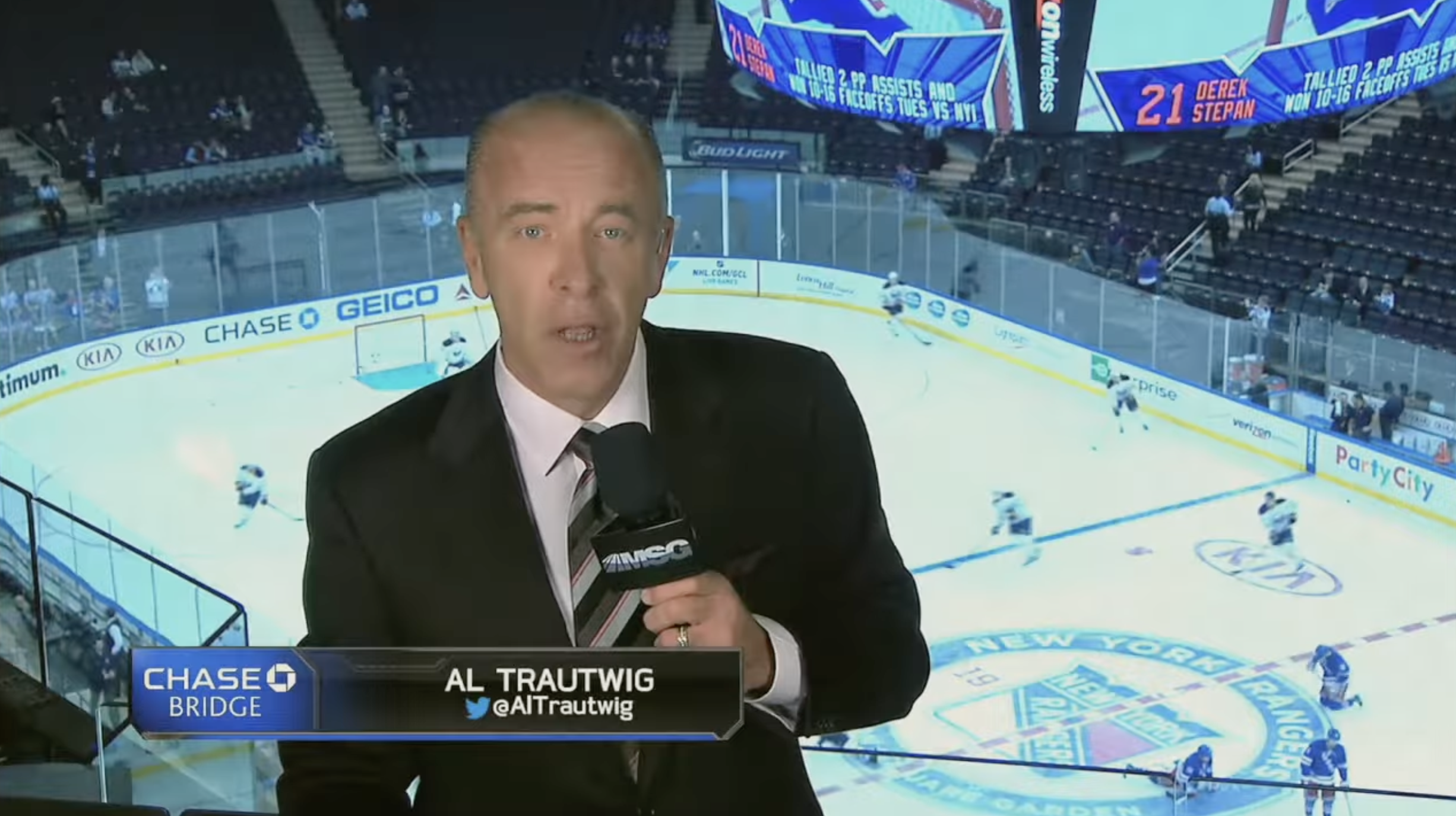
Al Trautwig is a widely recognized American sports broadcaster known for his extensive career covering major athletic events, including the Olympic Games, professional hockey, and soccer. Whenever public figures step away from the active spotlight or maintain a quieter public profile, rumors regarding their health, status, or life events frequently emerge across internet search trends and social media platforms. Clarifying these inquiries requires separating verified professional history from unverified speculation, ensuring that public records accurately reflect the broadcaster's life, career milestones, and enduring contributions to sports journalism.
Early Life and Rise in Sports Broadcasting
Al Trautwig established his foundation in sports media through a blend of local broadcasting assignments and an eventual breakthrough onto national networks. Born in New York City, Trautwig developed an early passion for athletics and media production, cultivating the vocal delivery and on-air presence that would later define his career. Entering the industry during an era when television sports coverage was rapidly expanding, he built a reputation for meticulous preparation, reliability, and versatility across a wide spectrum of sports disciplines.
Throughout the 1970s and 1980s, Trautwig honed his craft by covering regional sporting events before securing prominent roles with major national broadcasters. His ability to anchor studio coverage, conduct insightful athlete interviews, and deliver seamless play-by-play commentary made him a trusted face for viewers tuning in to high-stakes competitions. This foundational period laid the groundwork for his eventual transition into multi-sport broadcasting behemoths, positioning him as a fixture in American living rooms during landmark sporting moments.
Iconic Coverage of the Olympic Games
Arguably the most defining chapter of Al Trautwig’s professional career involves his extensive involvement with the Olympic Games. Over several decades, Trautwig covered numerous Summer and Winter Olympiads, serving in various capacities ranging from studio host to event-specific play-by-play announcer. His tenure with major networks allowed him to guide viewers through some of the most memorable triumphs and emotional upsets in modern Olympic history.
Trautwig’s broadcast style during the Olympics combined journalistic rigor with an appreciation for the human element behind athletic achievement. Whether he was narrating the intricate routines of gymnastics, the high-speed drama of speed skating, or the grueling endurance of track and field events, his commentary provided essential context for casual viewers and die-hard sports enthusiasts alike. This extensive body of work cemented his status as a recognizable anchor of international sports broadcasting, earning him industry respect and a dedicated viewership.
Signature Voice of Professional Hockey and Soccer
Beyond the Olympic arena, Al Trautwig became deeply embedded in the fabric of professional hockey and soccer broadcasting. His work with regional sports networks, particularly covering the New York Rangers and the National Hockey League, brought a steady, authoritative presence to the rink. Hockey fans grew accustomed to his distinctive delivery during tense playoff matchups, where his composure under pressure matched the high-speed intensity of the sport on ice.
Similarly, Trautwig played a vital role in elevating soccer coverage in the United States long before the sport achieved its modern domestic popularity. By anchoring early national broadcasts of major international tournaments and domestic league matches, he helped bridge the gap for American audiences learning the nuances of the game. The table below outlines key broadcast roles and sports categories associated with his professional portfolio:
| Sport / Discipline | Primary Broadcast Role | Key Networks & Associations | Approximate Active Era |
|---|---|---|---|
| Olympic Games | Studio Host / Play-by-Play | Major National Networks | 1980s – 2010s |
| National Hockey League | Play-by-Play / Studio Anchor | Regional Sports Networks (New York) | 1980s – 2010s |
| Professional Soccer | Match Commentator / Host | National Sports Broadcasters | 1980s – 2000s |
| Marathon & Track Events | Course Reporter / Host | Network Sports Divisions | 1980s – 2010s |
Addressing Public Inquiries and Online Misinformation
In the digital age, search queries regarding the mortality or health status of retired public figures frequently spike due to misinterpretations, internet hoaxes, or confusion with similarly named individuals. Regarding inquiries concerning Al Trautwig, no official, verified reports or credible news publications have substantiated claims regarding a fatality. Public records and professional archives continue to document his enduring legacy as a retired broadcasting professional rather than any untoward event.
Navigating online information requires a disciplined approach to source verification. When search algorithms surface sudden queries concerning a prominent figure's well-being, users should consult established journalistic outlets, official network statements, or reputable biographical databases. Speculative social media posts and automated content mills often generate false narratives to capture search traffic, making factual verification essential before accepting or sharing unverified rumors about public personalities.
Transition to Retirement and Professional Legacy
As the landscape of sports broadcasting evolved with the advent of digital streaming and changing network models, veterans of traditional television gradually transitioned into well-deserved retirement. Al Trautwig stepped back from active daily broadcasting after decades of continuous service, allowing a new generation of commentators and studio hosts to take the reins. Retirement for career journalists typically involves a quiet withdrawal from the public eye, prioritizing personal life and reflection away from the intense scrutiny of live television production.
The legacy Trautwig leaves behind is measured by the sheer volume of historical athletic moments he preserved for television audiences. From the defining races of the Winter Games to the electric atmosphere of Stanley Cup playoff races, his voice remains tied to a golden era of sports journalism. Younger broadcasters frequently study the pacing, professionalism, and composure demonstrated by veterans of his caliber as benchmarks for effective on-air communication.
Frequently Asked Questions
What are Al Trautwig's most notable broadcasting achievements?
Al Trautwig is best known for his extensive coverage of multiple Olympic Games, his long-running studio hosting and play-by-play work for National Hockey League broadcasts, and his pioneering role in presenting professional soccer to American television audiences throughout the late 20th and early 21st centuries.
Is Al Trautwig still active in sports media?
No, Al Trautwig is retired from active broadcasting. After decades of prominent service with major television networks covering diverse athletic disciplines, he stepped away from the public media landscape to enjoy his retirement.
Why do search queries often inquire about Al Trautwig's death?
Search queries regarding the mortality of retired public figures frequently surge due to internet hoaxes, unverified social media rumors, or confusion with other individuals. There are no credible, official reports supporting any such claims regarding Al Trautwig.
Which networks did Al Trautwig work with during his career?
Trautwig collaborated with several major American television networks and regional sports platforms throughout his career, most notably serving as a prominent face for Olympic coverage and regional NHL broadcasts in the New York metropolitan area.
How has sports broadcasting changed since Trautwig's active years?
The industry has transitioned from traditional studio-dominated, network-televised formats toward digital streaming platforms, multi-angle interactive coverage, and real-time social media integration, altering how commentators interact with audiences and cover live sports.