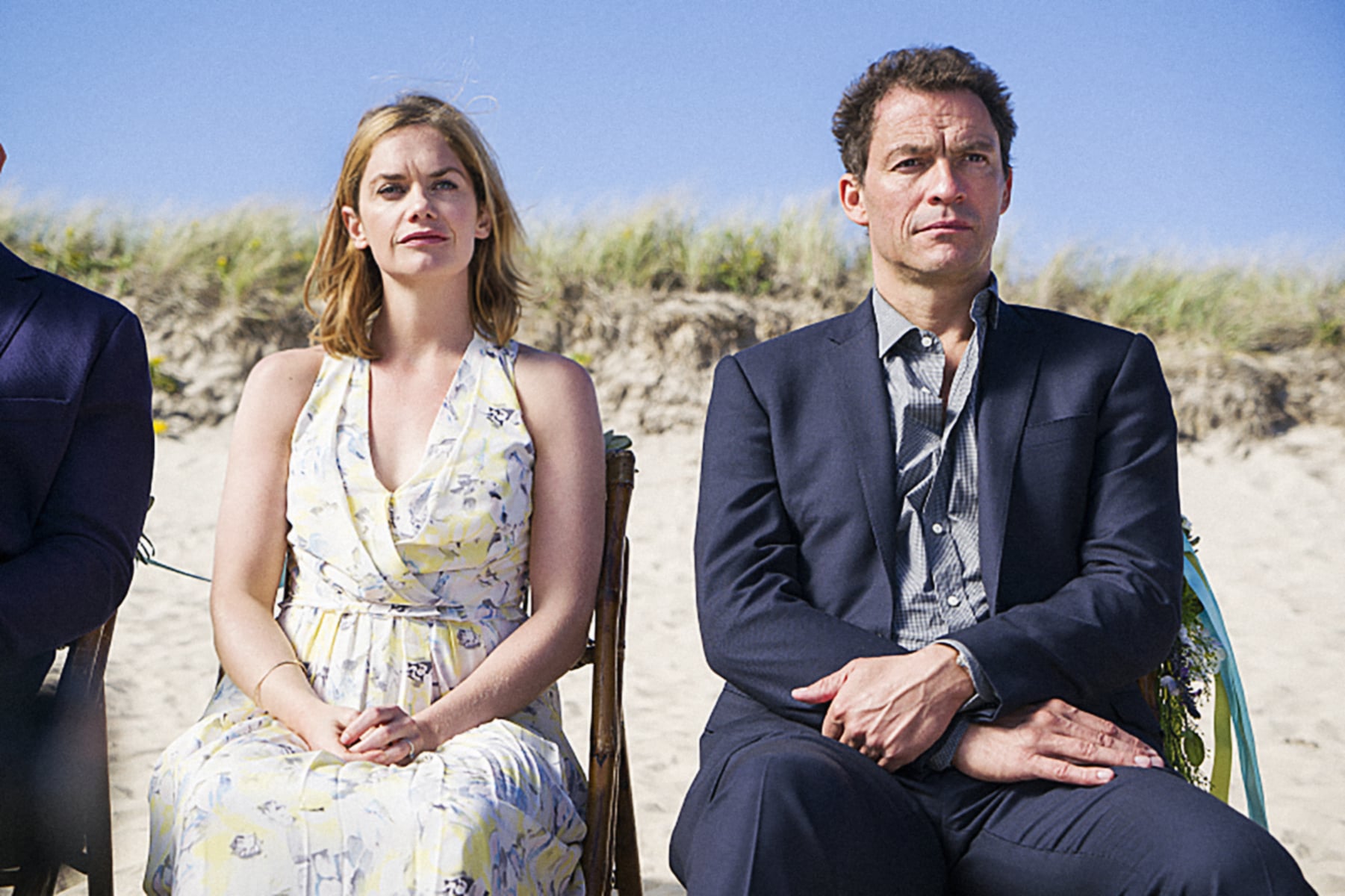
The "shocking story" of Alison Bailey in the Showtime series The Affair refers to the dual trauma of the character’s brutal on-screen death in Season 4 and the real-world controversy surrounding actress Ruth Wilson’s abrupt departure. While the plot concluded with Alison's murder by Ben Cruz, the off-screen scandal involved allegations of a toxic work environment and disputes over unsolicited nudity.
The Narrative Foundation of Alison Bailey
To understand the weight of the scandal that eventually engulfed the production, one must first look at the character of Alison Bailey herself. In the early seasons of The Affair, Alison was presented as the "other woman," a waitress in Montauk struggling with the overwhelming grief of losing her young son, Gabriel. The show’s unique narrative device—split perspectives that showed the same events through different eyes—often depicted Alison in contradictory ways. In Noah Solloway’s memory, she was frequently seen as a hyper-sexualized seductress; in her own perspective, she was a mourning mother barely holding her life together.
This narrative structure was central to the show’s success, but by 2026, critics and fans alike look back on it as a precursor to the real-world friction between Ruth Wilson and the show’s creators. The discrepancy between how Alison was perceived and how she actually felt became a meta-commentary on the actress’s own experience on set. Wilson’s performance earned her a Golden Globe, making her sudden exit in Season 4 a seismic event for the television industry.
The character's journey was always one of seeking agency in a world that sought to define her by her tragedies. Her affair with Noah was less about romance and more about an escape from a town and a marriage that served as a constant reminder of her dead child. As the series progressed, Alison moved toward a path of self-actualization, opening her own business and attempting to find a healthy relationship, which made her eventual end all the more devastating for the audience.
The Shocking Season 4 Exit: A Narrative Betrayal
The on-screen "scandal" reached its peak in the eighth and ninth episodes of Season 4. For weeks, the show had teased Alison’s disappearance, leading fans to believe she might have finally found peace or perhaps succumbed to her long-standing depression. However, the reality was much darker. The show presented two versions of her final encounter with Ben Cruz, a man she had been dating.
In the first version—Alison’s perspective—she confronts Ben about his hidden life and his lies. It is an empowering, if tense, moment where she stands her ground. In the second version—the "objective" or "Ben’s" perspective—the encounter turns violent. Ben throws Alison against a piece of furniture, knocking her unconscious, and then carries her into the ocean to drown her, making her death look like a suicide.
This plot twist was widely criticized at the time for being unnecessarily cruel to a character who had already endured a lifetime of suffering. From a 2026 retrospective, it remains one of the most controversial character deaths in prestige television. The decision to kill Alison off was not merely a creative choice but a functional one necessitated by the fact that Ruth Wilson refused to return to the show.
The Real-World Scandal: Why Ruth Wilson Left
The "shocking story behind the scandal" truly lies in the behind-the-scenes breakdown between Ruth Wilson and showrunner Sarah Treem. For years, the reasons for Wilson’s departure were shrouded in non-disclosure agreements and vague "creative differences." However, investigative reporting eventually pulled back the curtain on a deeply fractured production environment.
Wilson’s grievances reportedly centered on the frequency and nature of the show’s many sex scenes. Sources from the set alleged that there was significant pressure on Wilson to perform nude scenes that she felt were unnecessary for the character’s development or the plot. In an industry that had not yet standardized the use of intimacy coordinators, Wilson often found herself in the position of having to "negotiate" her own boundaries with a production team that was sometimes dismissive of her concerns.
The scandal escalated with reports of a "hostile work environment." It was alleged that Sarah Treem and other producers pushed for more provocative content than Wilson was comfortable with, leading to a breakdown in trust. Treem has historically defended her position, stating that the show was always intended to be an adult drama exploring the complexities of human desire and that she never intended to make anyone feel uncomfortable. Nevertheless, the friction led to a formal investigation by CBS (the parent company of Showtime at the time) regarding the set's culture.
Comparing the Narrative and Production Realities
The following table highlights the stark differences between the "official" narrative reasons for Alison’s exit and the documented real-world factors that led to the scandal.
| Aspect | In-Universe Plot (Season 4) | Real-World Production Reality |
|---|---|---|
| Primary Event | Alison is murdered by Ben Cruz. | Ruth Wilson requests to leave the show early. |
| Reason for Departure | Character arc concludes in tragedy/death. | Disputes over nudity and workplace culture. |
| Character Portrayal | Two subjective versions of her death. | Concerns over "gratuitous" sexualization of the actress. |
| Legal/Official Result | Inquest rules it a suicide (initially). | A formal HR investigation by the network. |
| Creator Stance | A tragic end to a cycle of trauma. | Claims of creative differences and specific tone. |
| Audience Reaction | Shock at the violence and perceived "fridging." | Support for Wilson’s stance on workplace safety. |
The Role of Sarah Treem and the Production Culture
The scandal cannot be fully explored without examining the role of showrunner Sarah Treem. Treem was the creative force behind The Affair, and her vision for the series was uncompromising. She argued that the show’s gritty, often uncomfortable look at infidelity required a high degree of vulnerability from its actors. However, this philosophy clashed with the evolving standards of the #MeToo era.
Reports suggested that Treem’s approach to directing and producing sometimes involved "cajoling" actors into scenes they were hesitant to film. While this was a common—albeit problematic—tactic in television for decades, by the late 2010s and early 2020s, it became a focal point for reform. The scandal surrounding The Affair became a textbook example of the power imbalance between showrunners and talent.
Ruth Wilson’s decision to walk away from a hit series and a lucrative contract at the height of her fame was a radical act of self-preservation. In later interviews, she hinted that the environment was "toxic" and that she "didn't feel safe." These words resonated deeply within the industry, leading to a broader conversation about how female characters are treated on screen and how female actors are treated on set.
The Industry Impact: The Rise of Intimacy Coordinators
One of the most significant outcomes of the "Alison in The Affair" scandal was its contribution to the mandatory adoption of intimacy coordinators in Hollywood. By 2026, the presence of an intimacy coordinator on any set involving simulated sex or nudity is a standard requirement, much like a stunt coordinator for action scenes.
The controversy highlighted that even seasoned, award-winning actresses like Ruth Wilson were vulnerable to pressure and lacked a formal mechanism to protect their boundaries. Had an intimacy coordinator been present during the filming of The Affair, the disputes over the necessity of specific nude scenes might have been mediated by a neutral third party, potentially saving the character—and the production—from its premature collapse.
The "shocking story" served as a wake-up call for networks. It proved that a toxic culture could not only damage the well-being of the cast but also compromise the artistic integrity of the show itself. When a lead actor leaves a series due to safety concerns, the narrative is forced to pivot in ways that often feel inorganic and jarring, as evidenced by the abrupt and violent end of Alison Bailey.
Investigating the Cantiere Report and Network Response
In the aftermath of Wilson's exit, details emerged regarding a specific incident involving a high-ranking producer and an environment that encouraged a "locker room" atmosphere. A report by The Hollywood Reporter detailed how Wilson had reached her breaking point after an encounter at a remote filming location.
The network’s response was initially defensive, citing the show’s success and the complexity of producing high-end drama. However, as more details leaked, the narrative shifted from "difficult actress" to "problematic production." The scandal forced Showtime and other major cable networks to re-evaluate their HR protocols. The "Alison" story became a catalyst for change, ensuring that future productions would have more robust oversight to prevent the kind of creative and personal breakdown that occurred on the set of The Affair.
Frequently Asked Questions
Did Ruth Wilson ever return for the series finale?
No, Ruth Wilson did not return for the series finale in Season 5. Because her character was killed off in Season 4, Alison only appeared in the final season through the perspective of her adult daughter, Joanie (played by Anna Paquin), in a futuristic timeline. This allowed the show to address Alison's legacy without requiring Wilson to return to the set she had permanently left.
Who killed Alison in The Affair?
In the show’s narrative, Alison was killed by Ben Cruz, a veteran she was dating. The show depicted this through two different lenses: one where the encounter was civil and another where Ben, in a fit of rage after being confronted about his lies, assaulted Alison and then drowned her in the ocean.
Why did the show wait so long to reveal the truth about her exit?
The delay in revealing the full story was largely due to non-disclosure agreements (NDAs) and the legal complexities of Ruth Wilson’s contract. Wilson herself often stated in interviews that she "wasn't allowed" to talk about the specifics. It took several years for investigative journalists to piece together the accounts from various staff members and for Wilson to feel comfortable speaking more openly about the general environment.
Was the showrunner Sarah Treem fired?
Sarah Treem was not fired; she remained the showrunner through the end of the series in Season 5. However, the controversy significantly impacted her reputation in the industry. She later wrote a public essay defending her actions, stating that her goal was always to empower women through complex storytelling, but the scandal remains a defining part of her professional biography.
How did the scandal affect the show's ratings?
While The Affair maintained a loyal fanbase, the departure of Ruth Wilson and the death of Alison Bailey led to a noticeable decline in viewership and critical acclaim during the final season. Many critics felt that the heart of the show—the chemistry and conflict between Alison and Noah—was gone, and the transition to a sci-fi-adjacent future timeline in Season 5 was seen as a desperate attempt to fill the void left by Alison.
Recommendations for Viewers and Researchers
For those looking to understand the full scope of the scandal, it is recommended to watch the first four seasons of The Affair with a critical eye toward the "subjective perspective" gimmick. Observing how Alison is portrayed differently in her own chapters versus Noah’s chapters provides a clear look at the "male gaze" issues that Ruth Wilson fought against in real life.
Furthermore, researchers should look into the development of the SAG-AFTRA standards for intimacy coordinators, which were heavily influenced by the public fallout of this case. The story of Alison Bailey is no longer just a piece of television history; it is a landmark case study in the evolution of workplace safety and artistic boundaries in the entertainment industry. For fans of the show, understanding the tragedy of Alison requires acknowledging both the fictional violence she endured and the real-world courage Ruth Wilson showed in walking away from it.