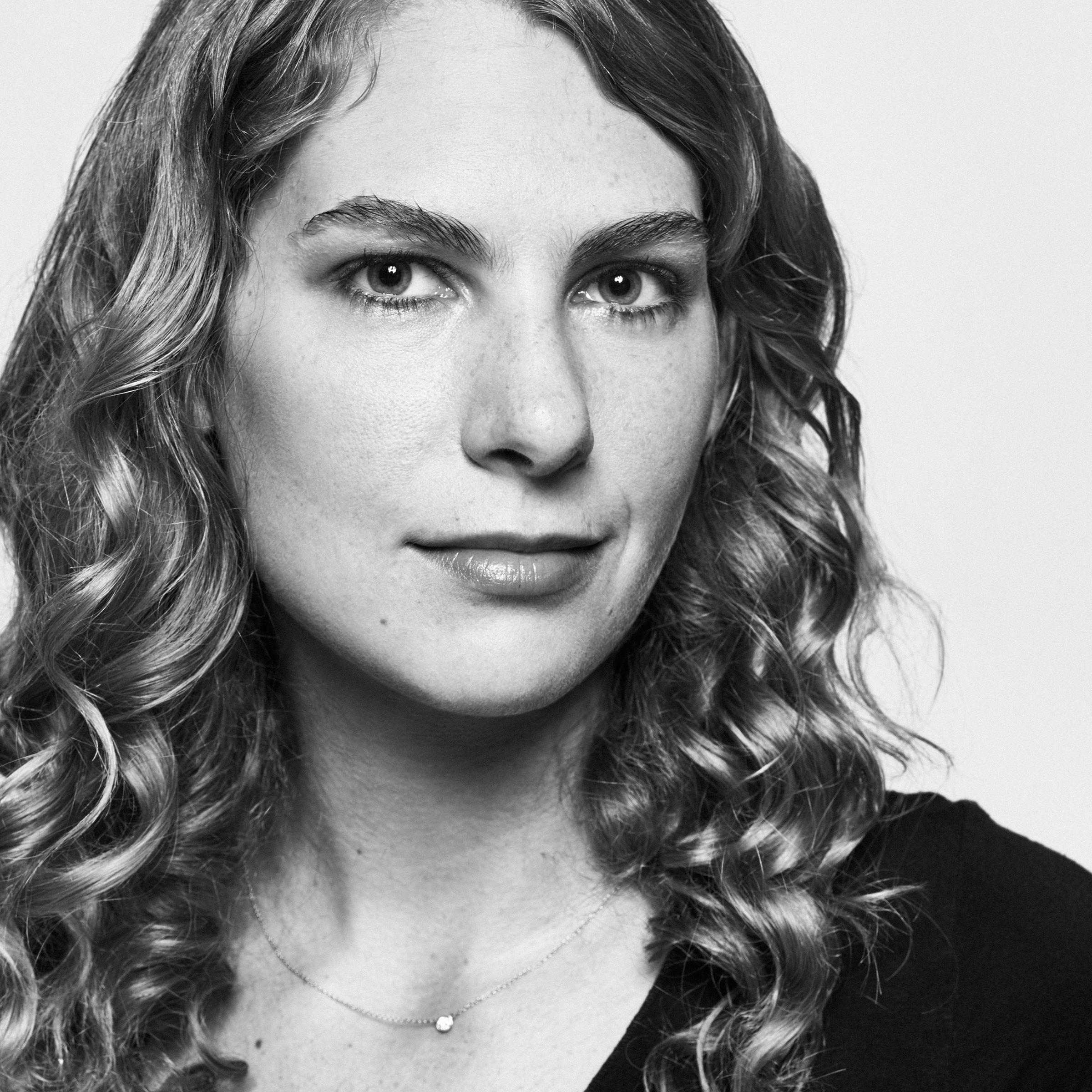
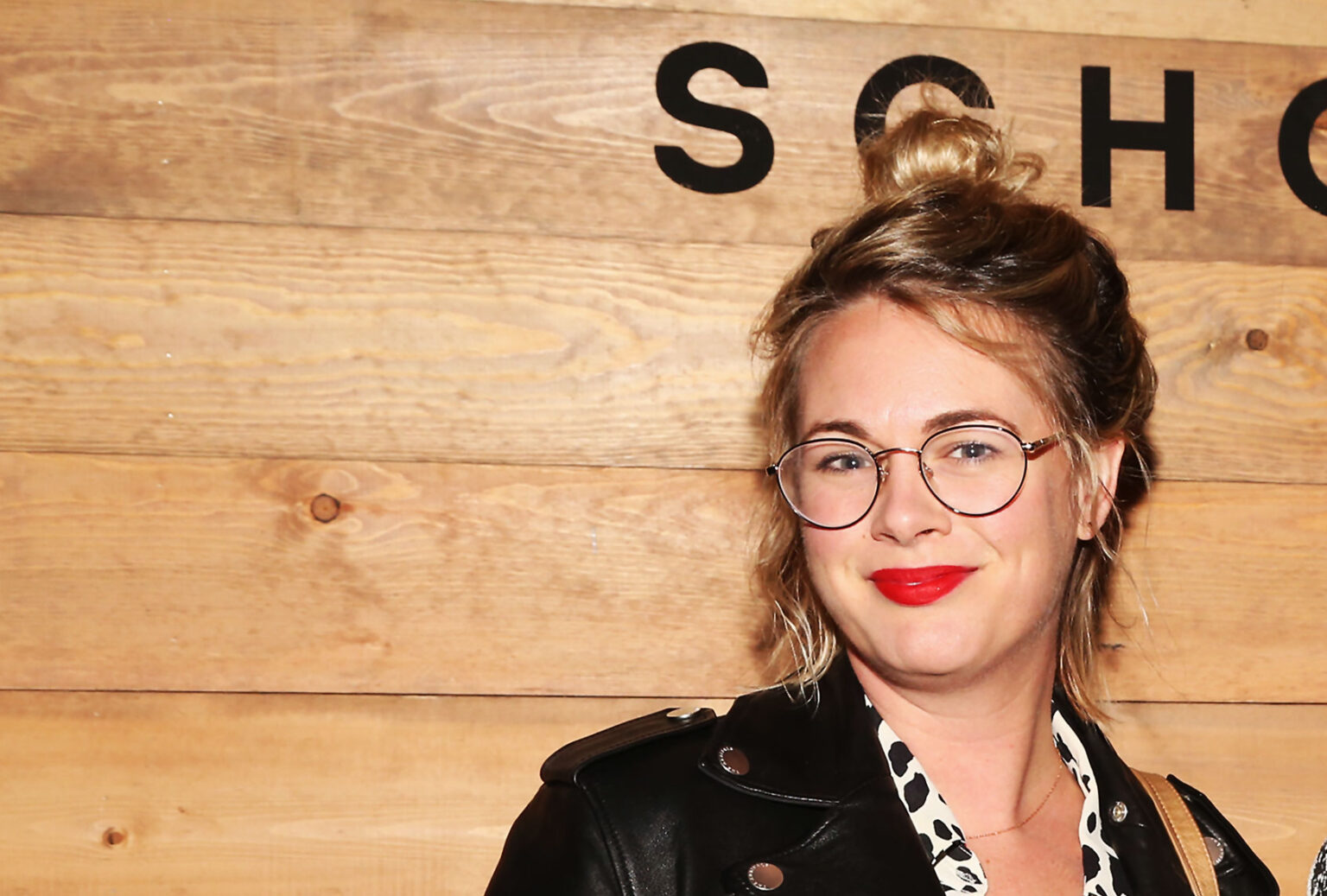
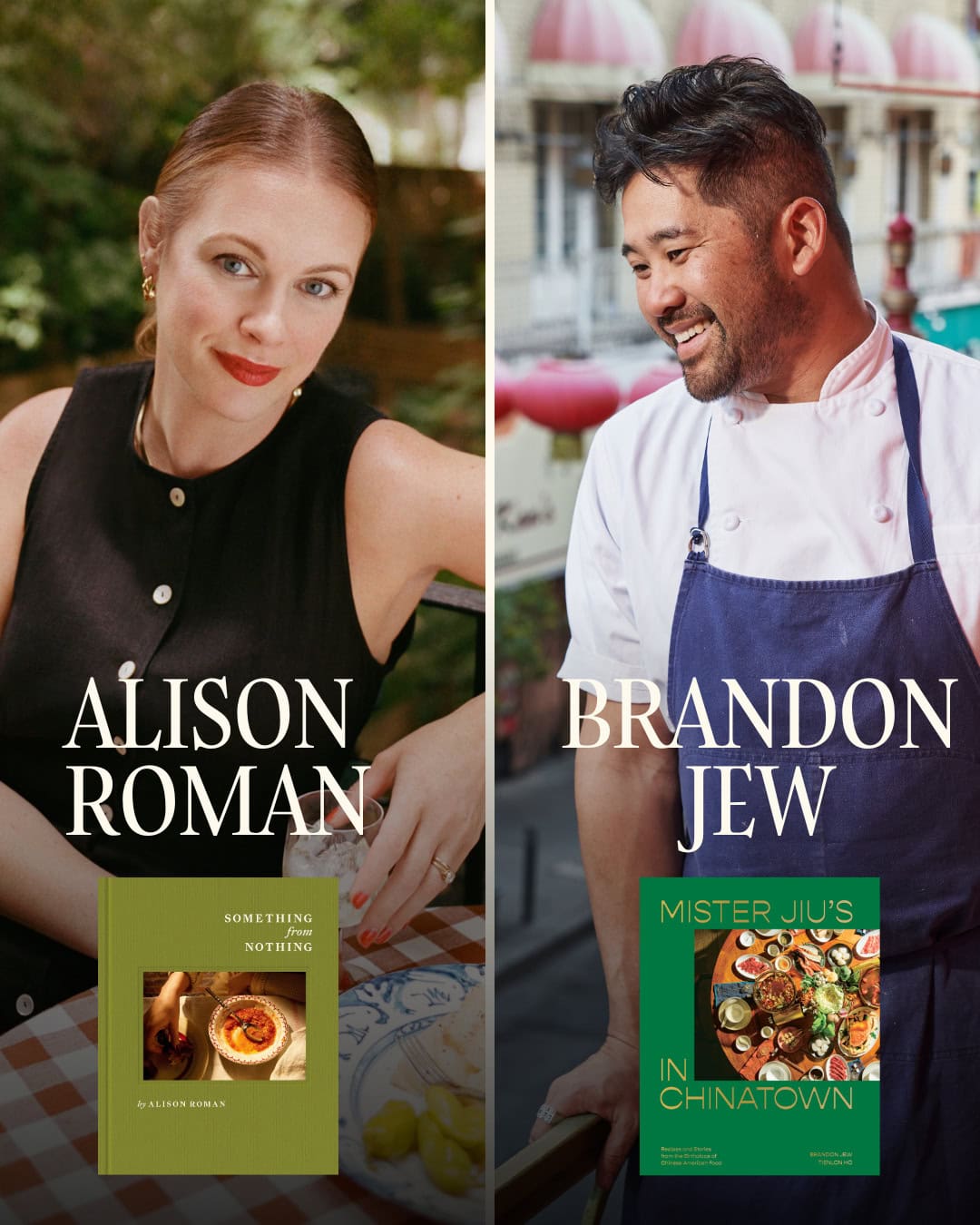
Alison Roman is a seminal American cook, author, and media personality who redefined modern home cooking through viral recipes like "The Stew" and "The Cookies." Rising through legacy media institutions like Bon Appétit and The New York Times, she transitioned into a self-published powerhouse, blending a distinct "unfussy" aesthetic with pantry-staple sophistication.
The Rise of a Culinary Tastemaker: From Pastry to Print
The trajectory of Alison Roman’s career reflects the broader shift in how the public consumes culinary content. Born in Los Angeles and later based in Brooklyn, Roman’s professional roots were firmly planted in high-end restaurant kitchens. She notably worked at Sona in Los Angeles and Quince in San Francisco before dropping out of college to pursue cooking full-time. Her move to New York City led her to Momofuku Milk Bar, where she worked under Christina Tosi, honing the technical precision that would later ground her seemingly casual recipes.
Roman’s transition from the "back of house" to the editorial world began at Bon Appétit. During her tenure as a senior food editor, she helped pioneer the magazine's shift toward personality-driven digital content. Her voice—acerbic, confident, and staunchly "anti-chef"—resonated with a generation of Millennials who felt alienated by the formal labor of traditional French cooking but were hungry for food that looked good on social media.
By the time she joined The New York Times as a columnist, Roman had already begun to cultivate a brand that prioritized flavor impact over technical complexity. Her approach centered on what she termed "unfussy" cooking: high-quality ingredients, minimal dishes, and a heavy reliance on "magic" ingredients like anchovies, shallots, and lemons. This philosophy bridged the gap between the professional kitchen and the cramped apartment kitchenettes of her primary audience.
The Viral Era: Understanding "The Stew" and "The Cookies"
If the 2010s were defined by the "Pinterest-perfect" meal, the late 2010s and early 2020s were defined by the Romanesque viral recipe. Roman’s ability to create dishes that were both delicious and visually iconic turned her into a cultural phenomenon. Two specific recipes serve as the pillars of this era:
The Salted Butter and Chocolate Chunk Shortbread ("The Cookies")
Released in her first cookbook, Dining In (2017), these cookies became a social media sensation. They were characterized by a high butter content, a coating of sparkling demerara sugar, and a photographic quality that made them ubiquitous on Instagram. They weren't just cookies; they were a status symbol of a certain lifestyle.
The Spiced Chickpea Stew with Coconut and Turmeric ("The Stew")
Published in The New York Times in 2018, "The Stew" achieved a level of fame rarely seen in the recipe world. It was affordable, vegetarian-friendly, and utilized pantry staples like canned chickpeas and coconut milk. Its bright yellow hue, provided by turmeric, made it instantly recognizable. The recipe sparked a global conversation about cultural appropriation—specifically how Western creators adapt flavors from the Global South—a conversation that would later become central to Roman’s career arc.
The success of these recipes was not accidental. Roman utilized a specific linguistic trick: she referred to them with the definite article ("The"). By branding her recipes as the definitive version of a dish, she created a sense of community and FOMO (fear of missing out) among her followers.
The "Cancellation" and the Pivot to New Media
In May 2020, Roman’s career hit a significant inflection point. In an interview with The New Look, she made disparaging comments regarding the commercial ventures of Marie Kondo and Chrissy Teigen. The remarks were widely criticized as being racially insensitive and reflecting a double standard regarding how women of color are perceived when building lifestyle brands.
The ensuing backlash led to a temporary suspension of her New York Times column and her eventual departure from the publication. However, rather than fading into obscurity, Roman navigated the "cancel culture" landscape by pivoting to a direct-to-consumer model. This era marked her transition from a legacy media employee to an independent media mogul.
- A Newsletter (Substack): Roman launched "A Newsletter" on Substack, which quickly became one of the platform’s most profitable food-related publications. By cutting out the editorial middleman, she could speak directly to her core audience, offering exclusive recipes and personal essays.
- Home Movies (YouTube): YouTube became her primary visual medium. Her series "Home Movies" features her cooking in her actual kitchen, often with messy counters and unedited mishaps. This "lo-fi" production style reinforced her "unfussy" brand and allowed her to maintain a high level of engagement without a television network's constraints.
- Independent Projects: By 2026, Roman has expanded her brand into physical goods, including high-quality pantry staples (like her signature anchovies) and limited-edition kitchenware, further solidifying her independence from traditional media gatekeepers.
A Comparative Analysis of Alison Roman’s Major Works
To understand Roman’s impact, one must examine her three primary cookbooks. Each represents a different stage of her culinary evolution and target audience needs.
| Feature | Dining In (2017) | Nothing Fancy (2019) | Sweet Enough (2023) |
|---|---|---|---|
| Core Theme | Highly seasoned, "restaurant-style" home cooking. | Impromptu hosting and "unfussy" dinner parties. | Effortless desserts for non-bakers. |
| Signature Vibe | Bold, salty, and acidic flavors. | Casual, communal, and low-stress. | Rustic, fruit-forward, and accessible. |
| Standout Ingredient | Anchovies and charred lemons. | Shallots and labneh. | Seasonal fruit and high-quality butter. |
| Key Recipe | The Salted Butter Chocolate Chunk Shortbread. | Caramelized Shallot Pasta. | Raspberries with Sour Cream. |
| Primary Audience | Aspiring cooks looking for "cool" food. | People who want to host without the stress. | Busy individuals who want a sweet treat. |
The Roman Aesthetic: Ingredients and Cultural Impact
The "Alison Roman style" is more than just a set of recipes; it is a visual and sensory language that has influenced an entire generation of food stylists and home cooks. Several key elements define this aesthetic:
The Flavor Profile
Roman’s recipes almost always lean heavily into acid and salt. She popularized the use of "the whole lemon"—pulp, juice, and zest—and advocated for the heavy use of flaky sea salt (specifically Maldon). Her insistence on anchovies as a "secret weapon" helped rebrand the ingredient from a divisive pizza topping to a sophisticated umami booster.
The Visual Language
Her food is rarely "neat." It is characterized by jagged edges, pools of olive oil, and herb garnishes that look scattered rather than placed. This "beautiful mess" aesthetic made her recipes approachable for people who lacked professional plating skills but wanted their food to look vibrant on social media.
The Cultural Critique
Roman’s influence also sparked necessary debates within the food industry. Her rise highlighted the "Brooklyn-centric" nature of food media and raised questions about whose recipes get to be called "modern" or "viral." While she faced criticism for her lack of attribution in early recipes, her later work showed an increased awareness of the origins of her ingredients, reflecting the evolving standards of the 2020s food landscape.
Frequently Asked Questions
Why is Alison Roman so famous?
Alison Roman gained fame for her ability to create "viral" recipes that captured the cultural zeitgeist of the late 2010s. Her recipes were designed to be shared on social media, using accessible ingredients to create sophisticated flavors. Her transition from legacy media to a successful independent brand through Substack and YouTube further cemented her status as a modern culinary icon.
What happened to Alison Roman at The New York Times?
Roman left The New York Times in 2020 following a controversy involving comments she made about Marie Kondo and Chrissy Teigen. While she initially apologized and took a leave of absence, she eventually decided to move on from the publication to focus on her own independent platforms, such as her Substack newsletter and YouTube channel.
Are Alison Roman's recipes suitable for beginners?
Yes, most of her recipes are designed with the home cook in mind. Her philosophy of "unfussy" cooking avoids complex techniques and specialized equipment. While her flavors are bold and sometimes unconventional, the actual steps required to produce the dishes are generally straightforward and well-explained for those with basic kitchen skills.
What are "The Cookies" everyone talks about?
"The Cookies" refers to Roman’s Salted Butter and Chocolate Chunk Shortbread. They became a viral sensation because of their unique texture—a cross between a classic chocolate chip cookie and a crumbly shortbread—and their signature coating of demerara sugar on the edges.
Where can I find Alison Roman’s content today?
As of 2026, Alison Roman primarily publishes through her Substack, "A Newsletter," and her YouTube channel, where she hosts the "Home Movies" series. She also continues to release cookbooks and occasionally collaborates with boutique kitchenware and food brands.
Starting Your Journey with Romanesque Cooking
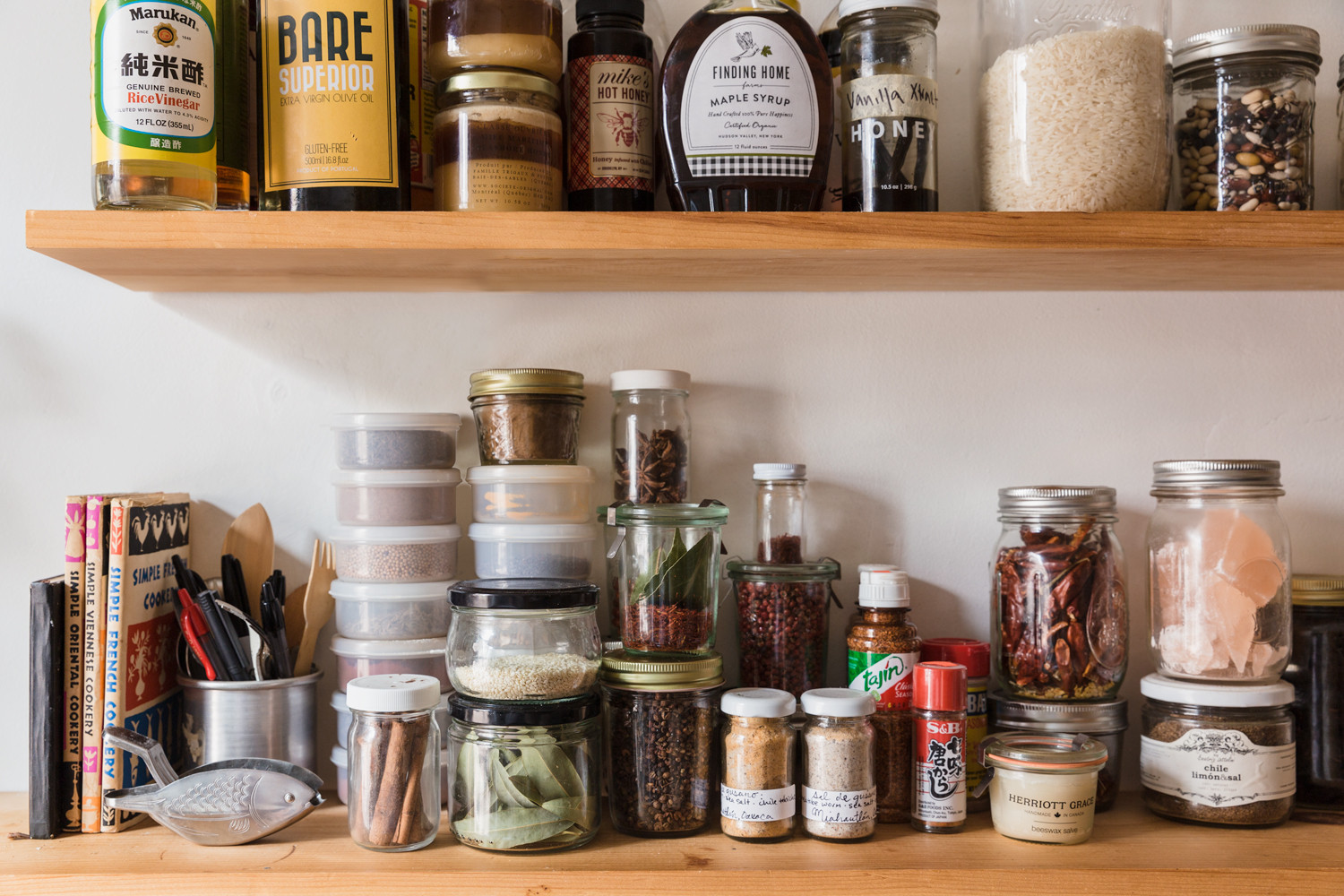
To adopt Alison Roman’s culinary style in 2026, the best approach is to focus on pantry building rather than mastering complex techniques. Roman’s cooking relies on having a few high-impact ingredients on hand at all times.
Begin by stocking your kitchen with high-quality olive oil, flaky sea salt, tinned anchovies, and fresh lemons. Her recipes often start with a slow-cooked base of aromatics—usually shallots or garlic—which provides a deep foundation of flavor. Instead of following strict measurements, she encourages cooks to "cook by feel," tasting as they go and adjusting the acidity and salt levels to their preference.
For those new to her work, starting with Nothing Fancy is recommended, as it encapsulates her philosophy of communal, low-stress eating. Focus on one of her foundational pasta dishes or a simple roasted vegetable recipe to understand how she uses heat and acid to transform basic ingredients. By embracing the "unfussy" mindset, you can move away from the pressure of perfection and toward a more intuitive, joyful relationship with home cooking.