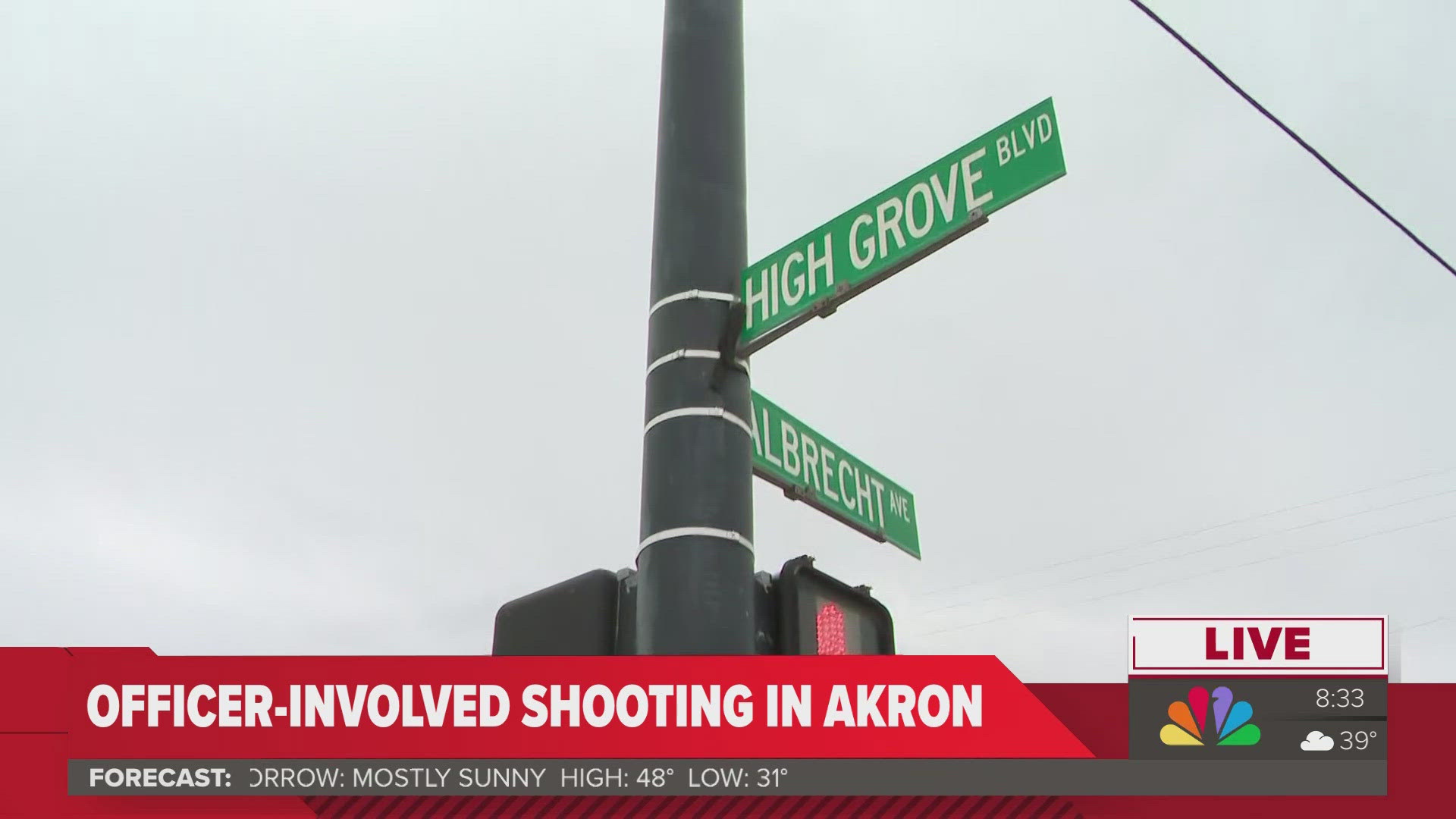
The term "Akron shooting" primarily refers to two high-profile incidents that have profoundly shaped the city's legal and social landscape: the 2022 police shooting of Jayland Walker and the June 2024 mass shooting at a neighborhood block party. As of 2026, these cases have moved through the judicial system, resulting in significant policy shifts regarding public gatherings, police accountability, and community violence intervention programs in Akron, Ohio.
The city of Akron has faced intense scrutiny and a period of deep reflection following multiple incidents of gun violence that captured national attention. While the term is often used to describe various localized events, the 2022 and 2024 shootings stand out due to their scale, the complexity of the subsequent investigations, and the long-term changes they prompted in municipal governance. Understanding the current status of these cases requires looking at the intersection of criminal justice, civil litigation, and community-led safety initiatives.
The June 2024 Mass Shooting: Investigation and Prosecution
On June 2, 2024, one of the most violent incidents in Akron’s history occurred during a block party near the intersection of Kelly Avenue and 8th Avenue. The shooting resulted in 27 victims, including one fatality, 27-year-old La’Precious Hill. The sheer number of casualties made it one of the largest mass casualty events in the region, prompting an immediate and massive federal and local response.
By 2026, the investigation into the 2024 mass shooting has transitioned from a search for suspects to a series of complex criminal trials. Initial difficulties in the case stemmed from a "wall of silence," where witnesses feared retaliation for coming forward. However, the utilization of the National Integrated Ballistic Information Network (NIBIN) and substantial rewards offered by the FBI and local authorities eventually led to the identification of several key individuals.
The prosecution focused on three primary areas:
- Direct Perpetrators: Individuals identified through forensic evidence and witness testimony as having discharged firearms into the crowd.
- Obstruction of Justice: Cases brought against those who allegedly tampered with evidence or provided false information to investigators during the critical first 48 hours.
- Illegal Firearm Possession: Federal charges were leveraged against individuals involved in the incident who were already prohibited from carrying weapons due to prior convictions.
The legal proceedings have highlighted the challenges of prosecuting "drive-by" or "ambush" style shootings where multiple weapons are used simultaneously, creating a chaotic forensic scene.
The Jayland Walker Case: Civil Rights Litigation and Policy Reform
The June 2022 shooting of Jayland Walker by Akron police officers remains a cornerstone of the city's ongoing debate over use-of-force policies. Walker, a 25-year-old Black man, was killed following a vehicle and foot pursuit during which officers fired dozens of rounds. Although an Ohio grand jury declined to bring criminal charges against the officers in April 2023, the civil fallout has extended well into 2026.
The federal civil rights lawsuit filed by the Walker family has served as a catalyst for reviewing the city's pursuit and use-of-force protocols. By 2026, the litigation has largely focused on the concept of "monell liability," which holds a municipality responsible if its policies or customs led to the constitutional violation.
Key Outcomes of the Walker Litigation
- Settlement and Oversight: Many such high-profile civil cases in 2026 result in court-mandated settlements that include not only financial compensation but also independent monitoring of the police department’s training programs.
- Body-Worn Camera (BWC) Mandates: The Walker case underscored the necessity of functioning cameras. In 2026, Akron has implemented stricter "fail-safe" BWC policies, requiring cameras to be activated the moment a pursuit begins or a weapon is unholstered.
- Pursuit Policy Changes: The Akron Police Department (APD) revised its vehicle pursuit policy to limit high-speed chases for minor equipment violations, a direct response to the origins of the Walker encounter.
Comparing Major Incidents and Their Societal Impact
To understand how these events differ in their legal and community impact, it is helpful to compare the core statistics and outcomes of the 2022 and 2024 shootings.
| Feature | Jayland Walker Shooting (2022) | June Block Party Shooting (2024) |
|---|---|---|
| Primary Actor | Law Enforcement Officers | Civilians/Suspected Gang Affiliates |
| Total Victims | 1 (Fatal) | 27 (1 Fatal, 26 Injured) |
| Criminal Charges | Grand Jury declined to indict officers | Multiple suspects charged with murder and assault |
| Civil Action | Ongoing Federal Civil Rights Lawsuit | Civil suits against property owners and organizers |
| Policy Impact | Use-of-force and pursuit policy overhaul | Regulation of large unpermitted public gatherings |
| Technological Role | Body camera footage analysis | NIBIN ballistic mapping and ShotSpotter data |
Legislative and Technological Responses to Gun Violence
In the wake of these shootings, Akron’s city council and the Mayor’s office have moved toward a data-driven approach to public safety. This transition in 2026 is characterized by the integration of advanced surveillance and community-based intervention.
Implementation of the "Peace Officers" Initiative
Following the 2024 shooting, Akron expanded its "violence interrupters" program. These are non-law enforcement individuals, often with deep roots in the community, who work to de-escalate conflicts before they turn into shootings. By 2026, these teams are stationed in neighborhoods with historically high rates of gun violence, working alongside the APD but maintaining a distinct, trust-based identity.
ShotSpotter and Real-Time Crime Centers
The city has invested heavily in acoustic gunshot detection technology. While controversial due to privacy concerns, the 2024 shooting accelerated the deployment of these sensors. In 2026, the data from these sensors is fed into a centralized Real-Time Crime Center (RTCC), allowing officers to respond to the exact coordinates of a shooting even if no 911 calls are placed. This has been credited with reducing response times in the Kelly Avenue corridor.
Regulation of Block Parties and Large Gatherings
The June 2024 incident occurred at an unpermitted event. In response, Akron updated its municipal code to require stricter permitting for any gathering exceeding a specific occupancy threshold on public property. The 2026 guidelines include:
- Mandatory Security Plans: Organizers must provide a vetted security plan for events over 100 people.
- Liability Insurance: Proof of insurance is required to protect the city and participants from the financial aftermath of violence.
- Enhanced Penalties: Fines and legal repercussions for organizing unpermitted "pop-up" parties that result in public safety hazards.
Community Healing and Victim Advocacy
The long-term effects of an "Akron shooting" extend beyond the courtrooms and police headquarters. The psychological toll on the victims of the 2024 mass shooting and the family of Jayland Walker has necessitated a robust advocacy network. In 2026, several organizations provide specialized support for gun violence survivors in Northeast Ohio.
Organizations like the Victim Assistance Program of Summit County have seen increased funding to provide trauma-informed care. These services include emergency financial assistance for funeral costs, long-term counseling for PTSD, and legal advocacy for victims navigating the witness testimony process.
Furthermore, the city has established a permanent memorial near the site of the 2024 shooting, intended not just to honor the deceased, but to serve as a call for non-violence. Community leaders emphasize that while policy and technology are necessary, true safety comes from addressing the root causes of violence, such as economic instability and the lack of youth engagement programs.
Frequently Asked Questions
What was the final outcome of the Jayland Walker criminal investigation?
The criminal investigation concluded in 2023 when a special grand jury convened by the Ohio Attorney General's Office declined to indict the eight officers involved. The grand jury determined that the officers were justified in their use of force under Ohio law. However, this did not end the legal saga, as the Walker family proceeded with a civil lawsuit in federal court which remains a significant legal focus in 2026.
Have the perpetrators of the June 2024 Akron mass shooting been convicted?
As of 2026, several individuals have undergone trial in connection with the June 2024 shooting. While some cases resulted in convictions for participating in a criminal gang and felonious assault, other cases are still in the appellate process or awaiting final sentencing. The complexity of the case, involving over two dozen victims and multiple shooters, has led to a protracted legal timeline.
How has Akron changed its policing policies since these shootings?
Akron has implemented several major reforms: a new vehicle pursuit policy that prioritizes public safety over the apprehension of low-level offenders, mandated body-camera activation protocols, and the establishment of a Citizens’ Police Oversight Board. The oversight board serves as an independent body to review internal investigations and provide recommendations on police conduct.
What resources are available for victims of gun violence in Akron?
Victims can access the Summit County Victim Assistance Program, which offers 24/7 crisis intervention, court accompaniment, and trauma counseling. Additionally, the city’s Office of Integrated Community Health provides mental health resources specifically tailored to neighborhoods affected by mass casualty events.
Is it safe to attend public events in Akron in 2026?
Public safety has been significantly bolstered through the implementation of the "Safe Gatherings" ordinance. Most large-scale events now require permits and professional security presence. While no city is immune to violence, the combination of technological monitoring and community-led violence interruption has led to a measurable decrease in large-scale shooting incidents compared to the 2022–2024 period.
Accessing Legal and Safety Information
If you are seeking specific case files or police reports related to these incidents, you should contact the Akron Police Department Records Room or the Summit County Clerk of Courts. For those looking to participate in community safety discussions, the Akron City Council holds regular public safety committee meetings where residents can voice concerns regarding neighborhood security and police transparency. Taking an active role in these forums is the most effective way for citizens to influence the future of public safety in the city.