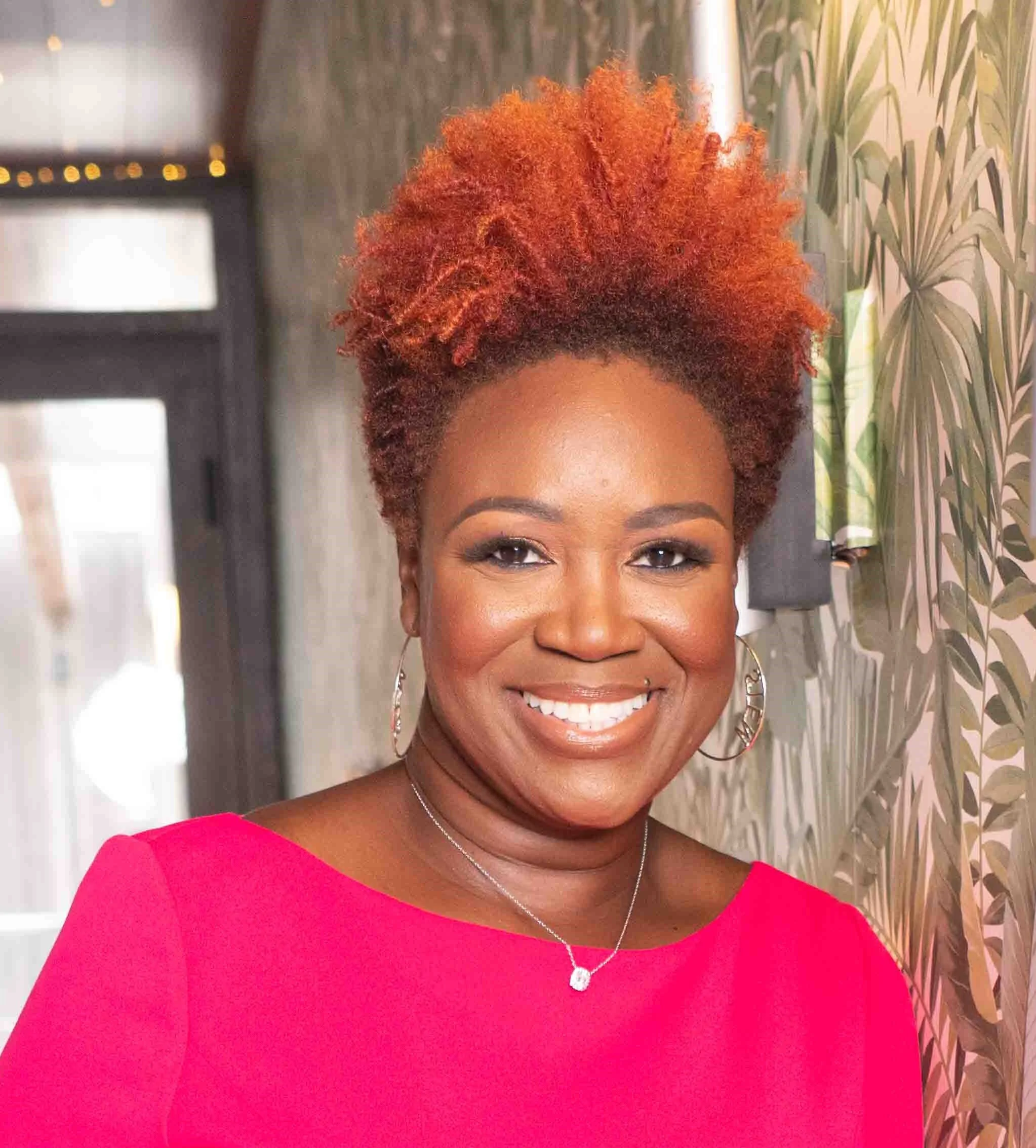
Aisha Morris is a recognized educational leader and administrator whose work focuses heavily on STEM education initiatives, particularly through prominent roles at the Science Museum in London and subsequent developments in secondary education. Her professional trajectory reflects a deep commitment to broadening participation in science and technology for underrepresented youth.
Early Life and Educational Background
The foundation of Aisha Morris's professional career lies in a strong academic background centered on scientific inquiry and education. Academic training in scientific disciplines provided her with the technical literacy required to interpret complex research and translate it into accessible public programs. This educational grounding enabled her to bridge the gap between academic institutions and public engagement spaces, ensuring that educational outreach remained scientifically rigorous while remaining engaging to diverse audiences.
During her formative academic years, Morris developed an early interest in how science is communicated outside traditional classroom environments. This interest guided her toward informal learning spaces, such as museums and science centers, which serve as critical nodes for community engagement. By studying how different demographics interact with exhibits and educational workshops, she gained valuable insights into the systemic barriers that often deter minority and low-income students from pursuing science, technology, engineering, and mathematics (STEM) fields.
Leadership at the Science Museum and STEM Outreach
Aisha Morris gained significant public and professional visibility during her tenure leading the STEM outreach initiatives at the Science Museum in London. In this capacity, she oversaw programs designed to inspire young people and support teachers in delivering high-quality science education. Her work directly addressed attainment gaps and participation disparities by implementing targeted interventions aimed at engaging girls and students from disadvantaged socioeconomic backgrounds.
Under her direction, museum programs shifted toward more inclusive methodologies, incorporating hands-on workshops, teacher professional development, and community partnerships. These initiatives were built on empirical research regarding youth engagement and identity formation in relation to science. Morris emphasized that inspiring future scientists requires more than occasional museum visits; it demands sustained engagement that connects scientific concepts to students' lived experiences and career aspirations.
| Initiative Type | Core Focus | Target Demographic | Primary Objective |
|---|---|---|---|
| Teacher Training | Pedagogy and inclusion | Secondary educators | Equip teachers with practical tools to engage diverse student bodies |
| Student Workshops | Hands-on STEM activities | Underrepresented youth | Foster early interest and confidence in scientific problem-solving |
| Community Partnerships | Local outreach | Families and community groups | Connect informal learning spaces with underserved neighborhoods |
Transition to Secondary Education and Classroom Practice
Following her impactful work in informal science education, Aisha Morris transitioned directly into formal secondary education. This move allowed her to experience the systemic challenges of science education from inside the classroom and school leadership structures. Serving as a science educator and leader within schools provided her with a granular understanding of curriculum constraints, standardized testing pressures, and the day-to-day realities faced by modern teachers.
This transition underscored her belief that systemic change in STEM education requires alignment between informal cultural institutions and formal school systems. By working inside secondary schools, Morris could apply the insights gathered at the Science Museum directly to curriculum design and student mentoring. Her dual experience across museums and schools positions her as a holistic educator capable of navigating both informal engagement and institutional academic frameworks.
Contributions to Curriculum Design and Educational Equity
A key aspect of Aisha Morris's professional legacy is her contribution to inclusive curriculum design. Educational equity remains a central theme across her publications, public speaking engagements, and administrative decisions. She has consistently argued that traditional science curricula often fail to reflect the diverse contributions of global scientists, which can alienate students who do not see themselves represented in the historical narrative of science.
To counter this, Morris has advocated for culturally responsive pedagogy. This educational approach integrates students' cultural backgrounds and personal experiences into the learning process, making abstract scientific principles more relatable and meaningful. Her frameworks encourage educators to critically examine their teaching materials, assessment methods, and classroom culture to identify and eliminate implicit biases that might hinder student progress.
Public Advocacy and Media Engagement
Beyond institutional walls, Aisha Morris has contributed to public discourse on science education and equity through media appearances, panel discussions, and advisory roles. She has frequently collaborated with broadcasting organizations and educational charities to highlight the importance of diversity in the STEM workforce. Her commentary often emphasizes that the lack of diversity in science is not just an equity issue, but an economic and innovative limitation that affects society as a whole.
Through these platforms, Morris has challenged institutional gatekeeping and called for structural reforms in how funding and resources are distributed to schools in economically deprived areas. Her advocacy combines data-driven arguments with compelling narratives from her own professional experiences, making complex educational policies understandable to policymakers, educators, and the general public alike.
Ongoing Legacy and Future Directions in STEM Leadership
Aisha Morris's ongoing contributions to education serve as a benchmark for modern STEM outreach and school leadership. Her career demonstrates the value of fluidity between informal educational institutions and formal school environments. As educational systems worldwide grapple with rapid technological advancements and persistent achievement gaps, the methodologies championed by Morris—focusing on inclusion, teacher empowerment, and culturally relevant curricula—remain highly relevant.
Future leaders in science education continue to draw upon her frameworks when designing outreach programs that seek to engage the next generation of innovators. By prioritizing accessibility and representation, Morris has helped shape a more inclusive landscape for science education, ensuring that pathways into STEM fields are open to all students regardless of their background.
Frequently Asked Questions
What are Aisha Morris's primary professional achievements?
Aisha Morris is best known for her leadership in STEM education outreach, notably at the Science Museum in London, and her subsequent work as a secondary school science educator and advocate for inclusive curricula.
How did Aisha Morris influence STEM outreach programs?
She shifted museum and outreach programming toward more inclusive, hands-on methodologies that specifically target underrepresented demographics, including girls and students from low-income backgrounds.
What is culturally responsive pedagogy in the context of her work?
It is an educational approach that integrates students' cultural backgrounds and lived experiences into the science curriculum to make abstract concepts more relatable and combat implicit bias in classrooms.
Why is representation considered important in Aisha Morris's educational framework?
Representation ensures that students see diverse contributors to science within their learning materials, which helps build their scientific identity and encourages long-term participation in STEM careers.
How does her experience span both informal and formal education?
Morris worked extensively within informal learning spaces like museums designing public outreach, and later transitioned into formal classrooms and school leadership to understand and influence daily teaching practices.
Next Steps for Engaging with Inclusive STEM Education
For educators, administrators, and policymakers looking to implement inclusive practices inspired by leaders like Aisha Morris, a structured approach is essential:
- Conduct an equity audit of current teaching materials, assessments, and extracurricular offerings to identify gaps in student engagement.
- Provide continuous professional development for staff focusing on culturally responsive pedagogy and recognizing implicit bias.
- Establish partnerships with local museums, universities, and industry partners to expand students' access to real-world science applications.