Airport security encompasses the multi-layered systems, technological screening architectures, and regulatory protocols designed to safeguard civil aviation infrastructure, aircraft, passengers, and crew against unlawful interference, terrorism, and criminal acts. Navigating this environment efficiently requires understanding screening technologies, regulatory compliance mandates, baggage preparation guidelines, and the administrative policies enforced by national and international aviation authorities.
The Evolution and Mandate of Modern Aviation Security
Modern aviation security represents a dynamic, threat-responsive framework administered by national agencies—such as the Transportation Security Administration (TSA) in the United States, the Civil Aviation Authority (CAA) in the United Kingdom, and the European Union Aviation Safety Agency (EASA) across member states—operating under standards set by the International Civil Aviation Organization (ICAO). The primary objective of these organizations is to intercept prohibited items, explosives, weapons, and unauthorized hazardous materials before they breach the secure airside boundary of an airport.
The security architecture operates on a principle of defense-in-depth. This philosophy deploys successive, overlapping security layers rather than relying on a single checkpoint. These layers begin long before a passenger arrives at the terminal, extending from intelligence gathering and secure identity verification to perimeter access controls, baggage reconciliation systems, and physical screening checkpoints. By decentralizing risk management, aviation authorities ensure that even if a vulnerability is exploited at one stage, subsequent protocols mitigate the overall risk to the aircraft and traveling public.
Furthermore, technological modernization has steadily replaced legacy manual inspections with automated, high-resolution diagnostic systems. Threat image projection, explosive trace detection, and advanced imaging technology have transformed the checkpoint from a basic visual scan into a sophisticated, data-driven security screening operation.
Navigating the Physical Screening Checkpoint
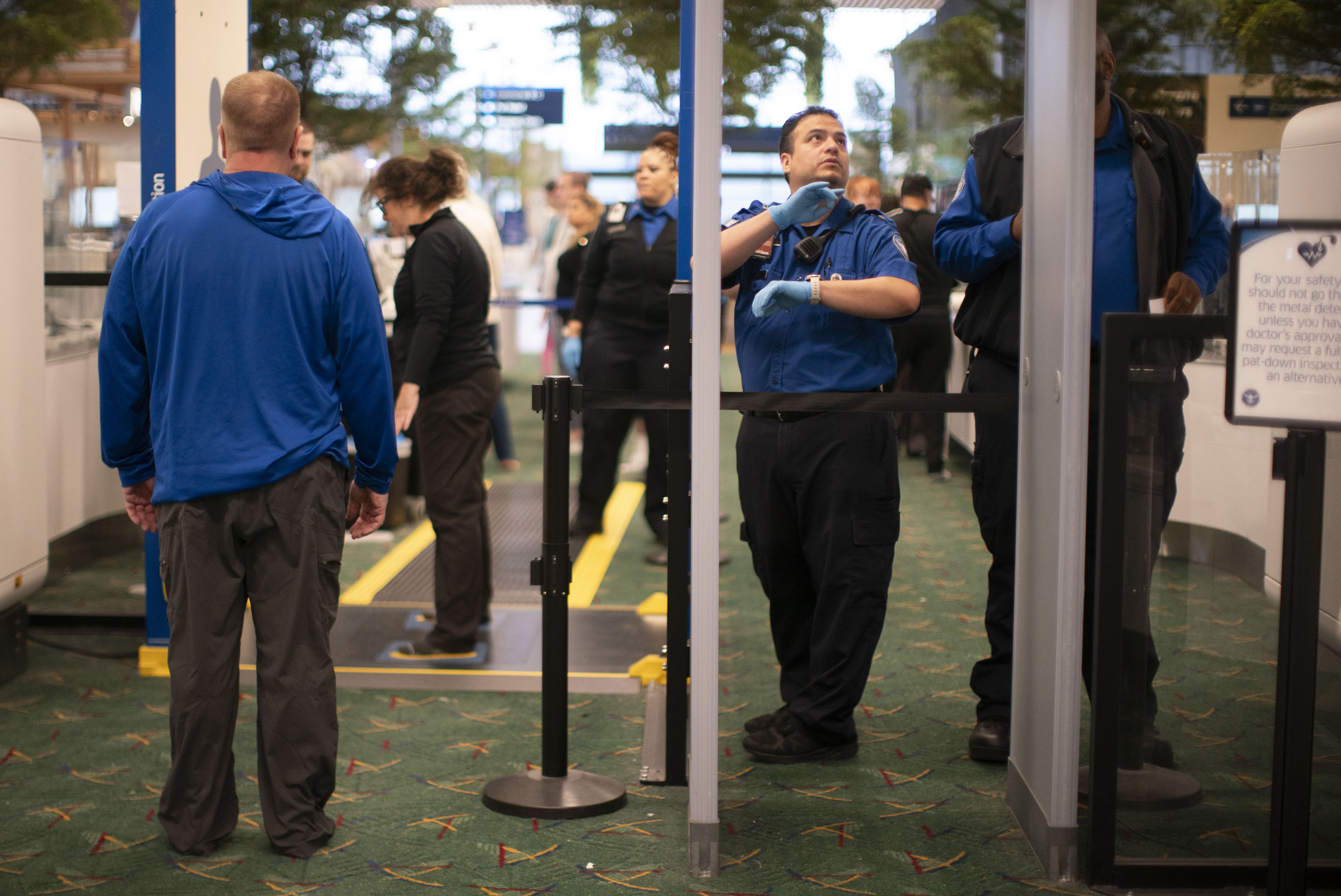
The physical checkpoint is the most visible point of interaction between passengers and aviation security personnel. Successfully navigating this environment requires strict adherence to standardized preparation protocols designed to expedite the screening of both individuals and their carry-on property.
Before approaching the belt queue, passengers must prepare their accessible property. Standard procedures dictate the separation of specific electronic devices and liquids from carry-on luggage. Laptops, tablets, e-readers, and large DSLR cameras generally must be removed from their protective sleeves and placed flat in a separate bin to allow unhindered X-ray penetration. Similarly, the 3-1-1 liquids rule traditionally mandates that all gels, aerosols, and liquids be placed in containers of 3.4 ounces (100 milliliters) or less, consolidated into a single, clear, quart-sized or liter-sized zip-top plastic bag, and presented separately for inspection. However, the deployment of advanced imaging systems at select international hubs is progressively modifying these liquid restrictions, allowing certain electronics and liquids to remain inside luggage during transit through advanced scanners.
| Screening Technology | Primary Function | Passenger Preparation Requirement |
|---|---|---|
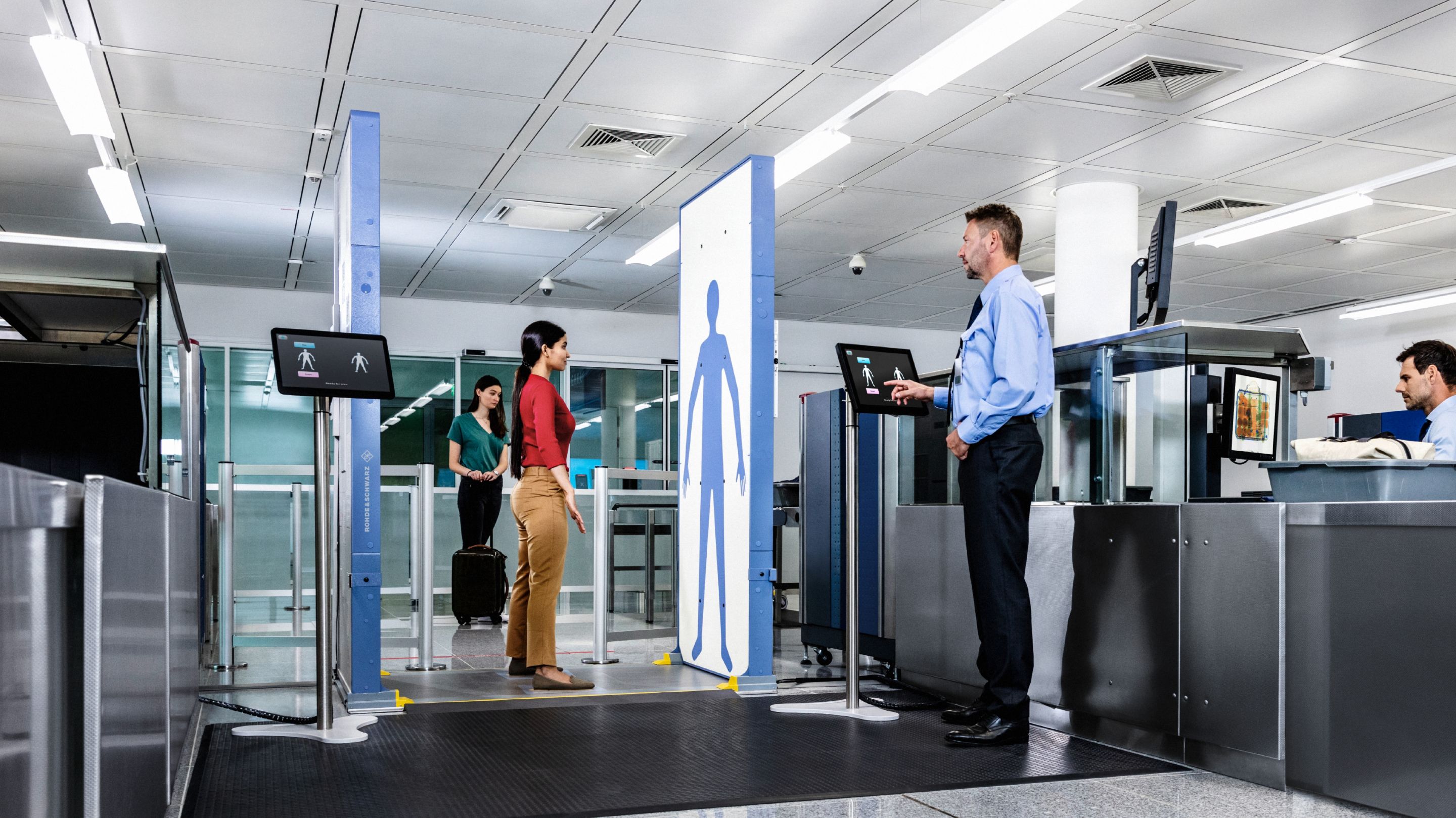
| Advanced Imaging Technology (AIT) | Detects metallic and non-metallic concealed threats on the body | Empty pockets, remove heavy outerwear, stand still in designated footprint |
| X-Ray and Computed Tomography (CT) | Generates cross-sectional or 2D images of carry-on property contents | Remove laptops and large electronics (unless utilizing next-gen CT scanners) |
| Walk-Through Metal Detector (WTMD) | Detects metallic weapons and contraband | Remove dense metallic items, belts, and large jewelry if requested |
| Explosive Trace Detection (ETD) | Analyzes microscopic particles for traces of explosive materials | Swabbing of hands, electronic devices, or luggage exteriors as directed |
Personal preparation is equally critical. Passengers should remove metal-heavy belts, steel-toed boots, bulky outer garments, and large jewelry items prior to reaching the metal detector or advanced imaging technology scanner. Compliance with officer instructions ensures rapid transit through the queue and minimizes the likelihood of secondary physical pat-downs or baggage hand-searches.
Carry-On Restrictions and Prohibited Items Management
Understanding what can and cannot be brought into the cabin of an aircraft is essential for preventing delays, confiscations, and potential legal penalties. Prohibited items are categorized strictly by their potential to compromise the physical safety of the flight.
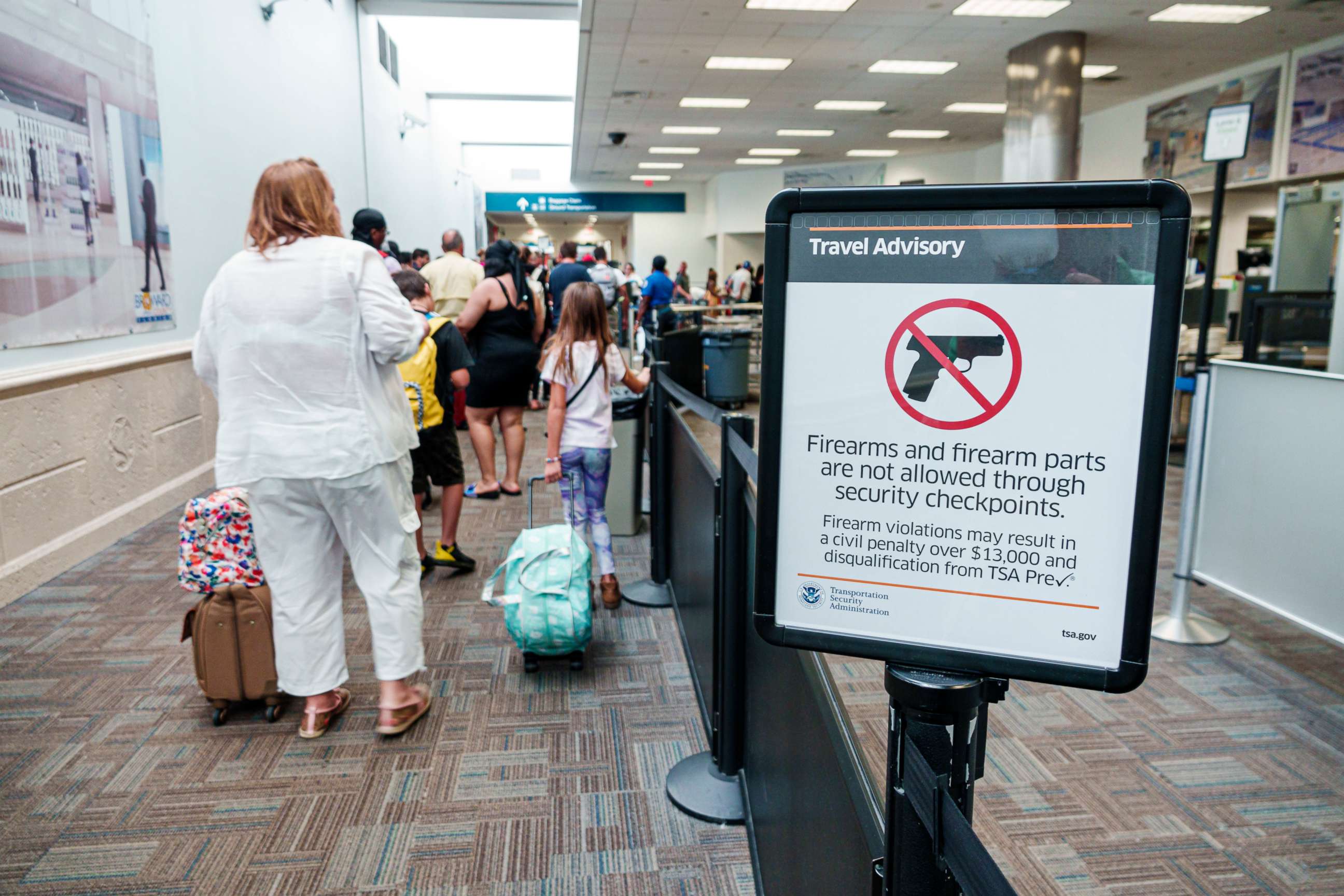
Sharp objects, including knives, box cutters, razor blades, and multi-tools, are strictly banned from carry-on luggage and must be safely stowed within checked baggage. Sporting goods that can be utilized as blunt force instruments—such as baseball bats, golf clubs, hockey sticks, and martial arts equipment—are similarly restricted to the cargo hold. Firearms, ammunition, and replica weapons are subject to rigorous regulatory controls; while firearms may be transported in checked luggage, they must be unloaded, locked in a hard-sided container, and declared to the airline during ticket counter check-in, adhering strictly to local and federal transport laws.
| Item Category | Carry-On Baggage Status | Checked Baggage Status | Special Conditions |
|---|---|---|---|
| Firearms and Ammunition | Prohibited | Allowed | Must be unloaded, locked in hard-sided case, and declared at check-in |
| Sharp Objects (Knives, Scissors) | Prohibited | Allowed | Must be securely wrapped or sheathed to prevent injury to baggage handlers |
| Liquids, Gels, and Aerosols | Restricted (3.4 oz / 100ml limit) | Allowed | Must fit in a single transparent, resealable bag (subject to local tech rules) |
| Lithium-ion Batteries | Restricted | Prohibited (Spare batteries) | Spare batteries must travel in carry-on; wattage limits apply |
Chemicals, flammable substances, and toxic materials—ranging from household bleach and spray paint to fireworks and tear gas—are universally banned from both carry-on and checked luggage due to their inherent volatility. Travelers uncertain about a specific item's classification should consult official regulatory databases or utilize mobile application search tools provided by aviation security authorities before packing.
Expedited Screening Programs and Trusted Traveler Initiatives
To manage high passenger volumes and optimize resource allocation, aviation authorities partner with government agencies to offer expedited screening programs for pre-vetted, low-risk travelers. These initiatives balance security rigor with operational efficiency by pre-screening applicants through background checks, fingerprinting, and fee-based enrollments.
In the United States, programs such as TSA PreCheck and Global Entry provide access to dedicated screening lanes where passengers generally do not need to remove shoes, belts, light outerwear, laptops, or compliant liquids from their carry-on bags. Internationally, comparable trusted traveler frameworks operate under different designations, such as NEXUS and CANPASS in North America, or registered traveler lanes managed by civil aviation authorities in Europe and Asia-Pacific hubs.
Enrollment typically requires an online application, an in-person interview, and a biometric data collection fee. Once approved, travelers receive a Known Traveler Number (KTN) that must be added to airline reservation profiles. While expedited programs significantly reduce queue times, members remain subject to random security selections and standard prohibited item regulations to maintain the integrity of the aviation network.
Checked Baggage Screening Protocols and Baggage Security
Security screening is not confined to the passenger terminal checkpoint; checked baggage undergoes an equally rigorous, automated multi-stage inspection process designed to detect explosives and contraband before luggage is loaded onto an aircraft.
When a passenger checks a bag, it enters a conveyor network equipped with inline explosive detection systems (EDS). These high-speed computed tomography systems analyze the density and chemical composition of bag contents without requiring manual intervention. If the system flags an anomaly or an obscured item, the bag is automatically diverted to a secondary resolution area where trained security personnel conduct targeted inspections, frequently utilizing explosive trace detection equipment or manual searches.
To facilitate efficient inspections without damaging private property, security agencies recommend that passengers leave checked bags unlocked or utilize locks recognized and accepted by security authorities, such as Travel Sentry approved locks. These specialty locks allow security personnel to open and relock bags using master keys without forcing or cutting the physical hardware. Passengers should also ensure that old barcode luggage tags from previous flights are fully removed to prevent routing errors and unnecessary screening delays.
Addressing Security Anomalies, Secondary Inspections, and Passenger Rights
Despite careful preparation, passengers may occasionally be selected for secondary screening or experience baggage resolution delays. Understanding the mechanics of these procedures helps travelers navigate unexpected scrutiny calmly and cooperatively.
Secondary screening can be triggered by random selection, automated alarm flags from imaging technology, anomalous X-ray signatures, or behavior-detection indicators. When selected for a pat-down or secondary baggage search, passengers have the right to request a private screening room and the presence of a witness, particularly when religious headwear, medical devices, or physical prosthetics require discrete verification.
Travelers carrying critical medical equipment, prescription medications, or mobility aids are protected by accessibility accommodations under national civil aviation laws. Medical liquids exceeding standard volume limits are permitted through checkpoints, provided they are declared to security officers prior to screening and subjected to specialized non-destructive testing methods. Passengers utilizing pacemakers or metallic medical implants should inform screening personnel before entering body scanners to avoid electromagnetic interference and bypass imaging systems safely via alternative screening protocols.
Practical Recommendations for Efficient Airport Transit
Arriving at the airport with a strategic operational plan minimizes stress and ensures seamless navigation of security infrastructure. Travelers should follow these essential steps:
- Verify Documentation Requirements: Ensure that government-issued photo identification, passports, and boarding passes are valid and easily accessible in an outer pocket rather than buried at the bottom of a bag.
- Pre-Sort Carry-On Items: Organize electronics, liquids, and outerwear in accessible compartments so they can be unzipped and deployed into screening bins instantly upon reaching the conveyor belt.
- Monitor Security Wait Times: Utilize real-time airport mobile applications or official authority websites to track checkpoint congestion and adjust arrival windows accordingly during peak travel periods.
- Comply Promptly with Directives: Follow instructions issued by security personnel explicitly. Cooperation expedites resolution when questions arise regarding specific packed items or procedural anomalies.