Airplane tech encompasses the complex suite of aerodynamic designs, propulsion systems, avionic architectures, and advanced materials that allow modern aircraft to operate safely, efficiently, and reliably. Understanding these systems requires examining how structural engineering, thermodynamic cycles, digital flight decks, and safety protocols converge to push the boundaries of global transportation.
The Evolution of Aerodynamic Design and Materials
Modern aircraft design relies on precise aerodynamic principles coupled with advanced metallurgy and composite manufacturing. The primary objective in structural engineering is to maximize lift while minimizing drag and structural weight. Traditional aluminum alloys have largely shared the stage with advanced carbon-fiber-reinforced polymers (CFRP). These composite materials offer superior strength-to-weight ratios, allowing engineers to craft thinner, highly optimized wing profiles that bend without sustaining permanent deformation.
The geometry of the wing itself has evolved through extensive computational fluid dynamics (CFD) modeling. Swept wings, tapered profiles, and specialized winglets reduce induced drag caused by wingtip vortices. Winglets, in particular, smooth the airflow over the end of the wing, decreasing fuel consumption on long-haul routes. Additionally, laminar flow control technologies aim to maintain smooth, non-turbulent airflow across a greater percentage of the wing surface, further optimizing aerodynamic efficiency.
Propulsion Systems: From Turbofans to Hybrid Innovations
Propulsion technology forms the beating heart of airplane tech, balancing raw thrust generation with strict environmental regulations and fuel economy targets. Modern commercial airliners predominantly use high-bypass turbofan engines. In these engines, a large front fan accelerates a massive volume of air around the core rather than through it, generating the majority of the thrust while significantly reducing noise and specific fuel consumption.
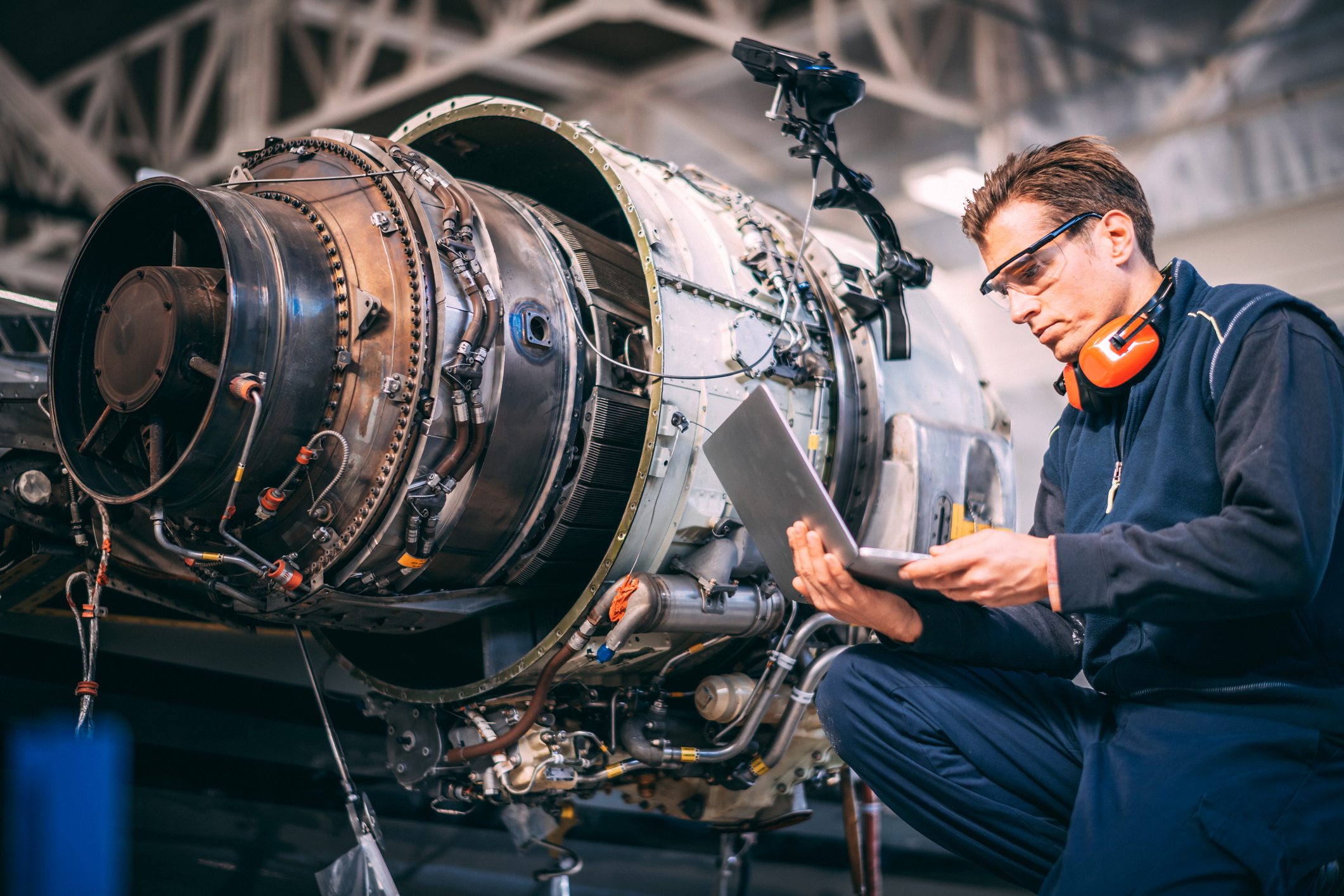
The internal workings of these engines involve multi-stage compressors, combustion chambers, and high-pressure turbines operating at extreme temperatures. Turbine blade cooling—achieved through intricate internal channels that bleed cooler air from the compressor—allows materials to withstand temperatures exceeding their melting points.
Looking forward, the propulsion sector is actively researching hybrid-electric and hydrogen-powered architectures. While fully electric commercial flight remains restricted by current battery energy densities, regional aircraft are testing hybrid systems that supplement traditional jet fuel with electric motors during taxiing, takeoff, and climb phases to curb emissions.
Avionic Architectures and Digital Flight Decks
The cockpit has transformed from an analog landscape of mechanical dials and gauges into a fully integrated digital environment known as the flight deck. Modern avionic systems rely on Electronic Flight Instrument Systems (EFIS) and modular avionics units that process vast streams of navigational, meteorological, and engine data in real time.
Flight Management Systems (FMS) serve as the brain of the aircraft, calculating optimal flight paths, fuel burn trajectories, and descent profiles. Pilots interact with these systems through multi-function displays and control display units, reducing workload and enhancing situational awareness. Fly-by-wire (FBW) technology replaces traditional mechanical control cables with electrical signals transmitted through computers. Flight control computers interpret pilot inputs and automatically apply precise deflections to ailerons, elevators, and rudders while enforcing safety flight envelopes to prevent stalls or structural overloads.
Comparing Aircraft Generations: Legacy vs. Modern Tech
| Technological Domain | Legacy Aircraft (Pre-2000s) | Modern Aircraft (Contemporary) |
|---|---|---|
| Primary Structural Materials | Aluminum alloys, steel, titanium rivets | Carbon-fiber composites, titanium matrix, bonded structures |
| Flight Control Systems | Mechanical linkages, cables, hydraulic assists | Digital Fly-By-Wire with envelope protection |
| Cockpit Instrumentation | Analog round dials, electromechanical gauges | Glass cockpit, HUDs, multi-function LCD displays |
| Engine Architecture | Low-bypass turbofans, mechanical fuel controls | High-bypass turbofans, FADEC (Full Authority Digital Engine Control) |
| Navigation & Communication | VOR, NDB, ADF, analog VHF radio | GPS/GNSS integration, RNP, CPDLC data link |
Safety Systems, Redundancy, and Environmental Controls
Safety in aviation is achieved through rigorous redundancy. Critical systems—including hydraulics, electrical generation, flight controls, and avionics—feature multiple independent backups. If a primary hydraulic pump fails, secondary and tertiary systems automatically assume the load without interrupting flight operations.
Environmental Control Systems (ECS) regulate cabin pressure, temperature, and air quality. Modern airliners utilize advanced bleed-air or electric compressor systems equipped with High-Efficiency Particulate Air (HEPA) filters. These filters capture bacteria, viruses, and particulate matter, ensuring cabin air is refreshed every few minutes and maintaining a safe, stable internal atmosphere while cruising at altitudes above 35,000 feet.
How to Evaluate Modern Aircraft Maintenance and Diagnostics
Maintaining sophisticated airplane tech requires advanced diagnostic tools and strict regulatory compliance overseen by aviation authorities such as the Federal Aviation Administration (FAA) or the European Union Aviation Safety Agency (EASA). Operators rely on automated built-in test equipment (BITE) and real-time satellite data links that transmit engine and system health metrics directly to ground engineering teams while the aircraft is still in flight.
- Review Continuous Airworthiness Maintenance Programs (CAMP): Ensure all scheduled maintenance intervals align with manufacturer master service bulletins and regulatory directives.
- Analyze Health and Usage Monitoring Systems (HUMS): Examine vibration, temperature, and stress data logs from critical rotating components to predict potential mechanical failures before they occur.
- Verify Avionics Database Currency: Check that flight management system navigation databases, terrain awareness systems, and traffic collision avoidance software are updated in accordance with current aeronautical information cycles.
- Inspect Structural Integrity Non-Destructively: Utilize ultrasonic testing, eddy current inspection, and thermography to detect micro-cracks or delamination in composite structures without causing physical damage.
Frequently Asked Questions
What is the purpose of fly-by-wire technology in modern aircraft?
Fly-by-wire technology replaces physical control cables with electronic signals processed by computers. This system reduces aircraft weight, improves response precision, and incorporates flight envelope protection software that prevents pilots from executing maneuvers that could exceed the structural limits of the airframe or cause an aerodynamic stall.
How do high-bypass turbofan engines improve fuel efficiency?
High-bypass turbofans route a large volume of air around the engine core using a wide front fan. Because this bypassed air accelerates at a lower velocity than the exhaust gas, it generates efficient thrust at subsonic speeds while consuming significantly less fuel per pound of thrust than older low-bypass designs.
Why are composite materials preferred over aluminum in new airplanes?
Composite materials, such as carbon-fiber-reinforced polymers, provide an exceptional strength-to-weight ratio. They allow engineers to build lighter airframes that require less fuel to fly, resist fatigue and corrosion better than traditional metals, and can be molded into aerodynamic shapes that are difficult to achieve with stamped aluminum sheets.
What role do Flight Management Systems play during a flight?
Flight Management Systems automate navigation, performance optimization, and fuel management tasks. By integrating GPS data, pre-programmed flight plans, and real-time weather inputs, the FMS calculates the most fuel-efficient vertical and lateral flight paths from takeoff to touchdown.
How do modern commercial airplanes maintain breathable air at high altitudes?
Cabin pressurization is maintained using compressed air bled from the engine compressors or dedicated electric compressors. This air is cooled, mixed with filtered recirculated air through HEPA filters, and regulated to maintain a comfortable cabin altitude pressure equivalent to roughly 6,000 to 8,000 feet above sea level.
Next Actions for Aviation Professionals and Enthusiasts
To deepen your understanding of airplane tech, review official airworthiness directives and technical documentation published by civil aviation authorities or aerospace manufacturers. For professionals entering the field, pursuing specialized certifications in avionics maintenance, composite repair, or systems engineering provides the practical foundation required to navigate rapidly evolving aerospace standards.