Navigating airline procedures requires understanding a standardized sequence of operational, safety, and regulatory steps enforced by commercial carriers and international aviation authorities. These protocols govern everything from ticket issuance and pre-flight security screening to onboard passenger management, baggage handling, and post-flight arrival protocols designed to ensure efficiency and regulatory compliance across global commercial aviation.
Understanding the Operational Framework of Commercial Aviation
Commercial air travel relies on a synchronized matrix of administrative, regulatory, and physical steps designed to move passengers safely and efficiently between destinations. These procedures are shaped by international bodies such as the International Civil Aviation Organization (ICAO) and the International Air Transport Association (IATA), alongside national regulators like the Federal Aviation Administration (FAA) in the United States or the European Union Aviation Safety Agency (EASA). Every phase of a journey—from initial ticket purchase to final baggage retrieval—is governed by specific operational thresholds that minimize risk, maintain security, and optimize airspace utilization.
The predictability of airline operations depends heavily on standardized terminology and uniform execution. When passengers understand the structural logic behind these workflows, they can anticipate requirements, reduce travel friction, and ensure compliance with security mandates. Airlines publish their specific conditions of carriage, which outline the legal and operational contract between the carrier and the traveler. Reviewing these documents prior to departure helps clarify liabilities, refund policies, and behavioral expectations during transit.
Pre-Flight Requirements, Documentation, and Ticketing
The journey begins long before arriving at the airport, starting with ticket procurement, fare class selection, and identity verification. Passengers must secure valid travel documentation that aligns with the destination country's entry requirements, which often include passports with a minimum validity of six months, verified visas, and digital authorization forms such as an Electronic System for Travel Authorization (ESTA) or an Electronic Travel Authorization (ETA).
Once documentation is verified, passengers complete online check-in, typically opening 24 to 48 hours prior to domestic or international departures. This digital step allows travelers to confirm seat assignments, pay for ancillary services such as checked luggage or priority boarding, and generate a boarding pass.
- Identity and Visa Verification: Ensure passports match the name on the ticket exactly and verify visa or transit entry mandates via official government portals like travel.state.gov or equivalent international authorities.
- Fare Class Selection: Review the baggage allowances, change fees, and seat selection rules associated with basic economy, premium economy, business, or first-class tickets.
- Digital Check-In: Access the airline's mobile application or website within the designated check-in window to secure boarding credentials and submit mandatory passenger information (APIS).
- Special Service Requests: Notify the carrier at least 48 hours in advance for dietary requirements, unaccompanied minor services, or mobility assistance.
Airport Processing: Check-In, Security Screening, and Boarding
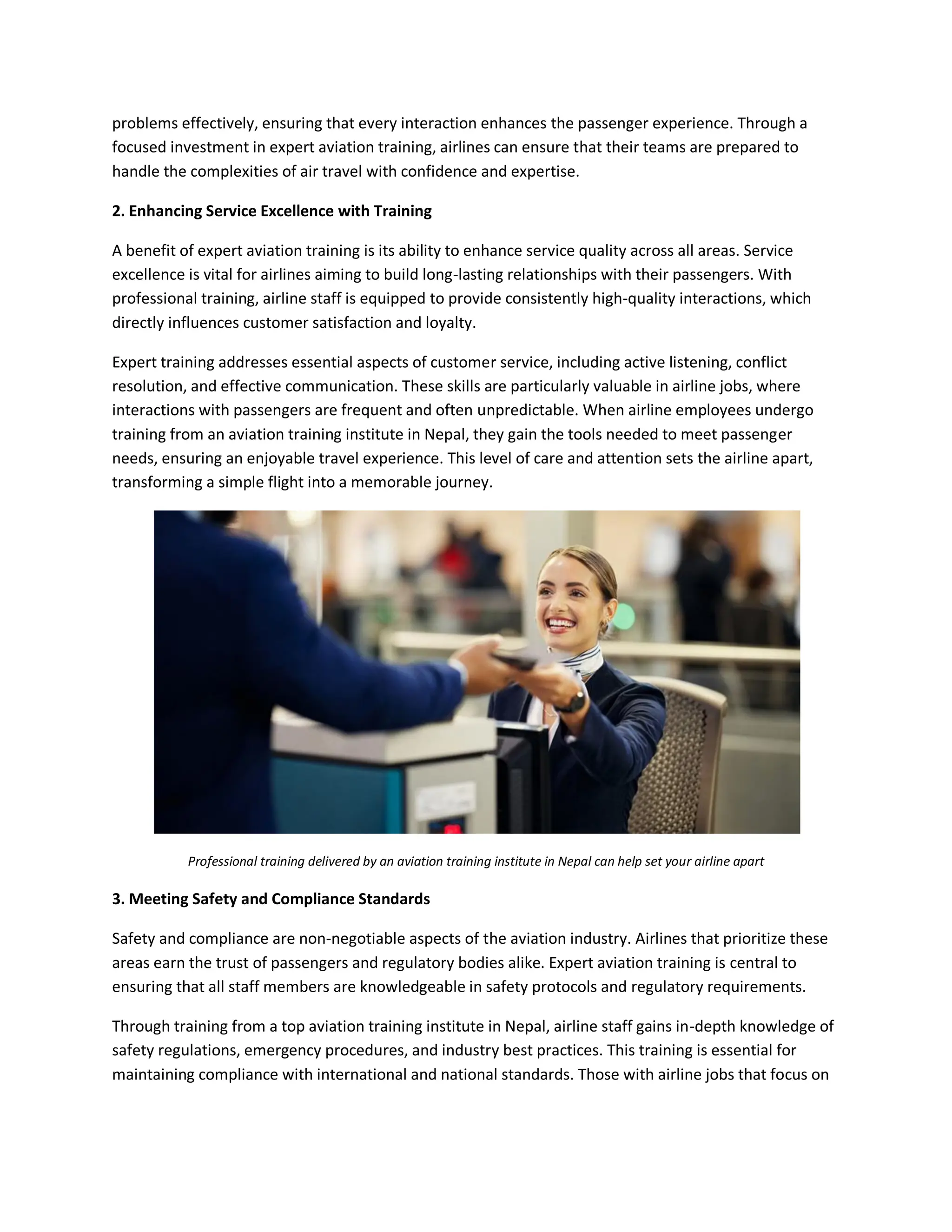
Arriving at the airport initiates the physical processing phase, where passengers transition from public zones to secure airside areas. For travelers with luggage to check, visiting the airline counter or self-service bag drop is the first mandatory stop. Airlines enforce strict weight and dimension limits for both carry-on and checked items to maintain aircraft weight and balance computations. Exceeding these limits typically incurs substantial excess baggage fees.
Following check-in, all passengers pass through security screening checkpoints managed by aviation security agencies such as the Transportation Security Administration (TSA) in the United States. This stage requires adherence to strict liquid restrictions (the 3-1-1 rule for carry-ons), the removal of electronic devices larger than a tablet from bags, and passing through millimeter-wave scanners or metal detectors.
| Travel Phase | Primary Responsibility | Common Documentation Needed | Typical Timeframe |
|---|---|---|---|
| Check-In & Bag Drop | Passenger / Agent | Passport, Booking Reference (PNR) | 2–3 hours before international flights |
| Security Screening | Security Agency | Boarding Pass, Government ID | 30–60 minutes post check-in |
| Boarding Gate | Gate Agents | Boarding Pass, Passport/ID | 30–45 minutes before departure |
| Baggage Claim | Ground Handling | Baggage Claim Check Receipt | Immediately upon arrival |
Boarding procedures follow a structured priority system to ensure cabin efficiency. Airlines generally board passengers requiring extra time (families with small children and individuals needing mobility assistance) first, followed by premium cabin passengers, elite frequent flyers, and finally general boarding groups organized by zone numbers printed on the boarding pass.
In-Flight Protocols, Safety Demonstrations, and Passenger Conduct
Once onboard, cabin crew manage passenger seating, luggage storage in overhead bins, and compliance with federal aviation regulations. Federal law mandates that all passengers pay attention to the pre-flight safety briefing, which is delivered either via video monitors or manually by flight attendants. This demonstration highlights the location of emergency exits, the operation of seatbelts, the deployment of oxygen masks, and the use of flotation devices.
During the flight, passengers must adhere to crew instructions regarding seatbelt signs, electronic device usage (which must be placed in airplane mode or powered off during taxi, takeoff, and landing), and restrictions on consuming personal alcoholic beverages. Non-compliance with crew instructions or federal regulations constitutes a serious offense, leading to potential fines, placement on airline no-fly lists, and law enforcement intervention upon landing.
Baggage Handling, Customs, and Arrival Procedures
The journey concludes with arrival processing, baggage retrieval, and, in the case of international flights, customs and border protection clearance. When an aircraft parks at the arrival gate, ground handlers offload checked luggage and transport it to the designated baggage carousel. Passengers should verify their luggage tags against the numbers on their baggage claim receipts to prevent misidentification.
For international arrivals, passengers must clear immigration and customs before exiting the secure terminal area. Travelers must declare certain agricultural products, currency exceeding statutory limits (such as $10,000 USD in the United States), and commercial goods. Failure to declare restricted items can result in confiscation, heavy fines, or secondary detention by border security personnel.
Frequently Asked Questions About Airline Procedures
What happens if I miss my flight due to security delays?
If you miss a flight due to circumstances within your control, such as late arrival at the airport, airlines typically apply their flat-tire rule or standard rebooking policies. Under the flat-tire rule, many carriers will stand you by for the next available flight without a heavy penalty if you arrive at the ticket counter within two hours of your missed departure. However, passengers with basic economy tickets may be required to purchase a completely new ticket.
How are checked baggage weight limits enforced?
Checked baggage limits are strictly enforced using industrial scales at the check-in counter and self-service kiosks. Standard international economy tickets usually cap checked bags at 23 kilograms (50 pounds), while business class allowances are often 32 kilograms (70 pounds). If a bag exceeds these thresholds, passengers must either pay overweight fees or redistribute items into carry-on luggage or other bags before acceptance.
Can I bring medical equipment through airport security?
Yes, essential medical equipment, mobility aids, and prescription medications are permitted through security checkpoints. Passengers should notify security officers of these items before screening. Liquid medications are exempt from the standard 3-1-1 rule limiting liquids to 3.4 ounces (100 milliliters), though they are subject to additional screening procedures, such as X-ray inspection or chemical residue testing.
What are my rights if my flight is delayed or canceled?
Passenger rights depend heavily on the jurisdiction of departure and the airline's specific conditions of carriage. In the European Union, Regulation (EC) No 261/2004 provides statutory compensation and care (meals, hotel accommodations) for cancellations and significant delays within the carrier's control. In the United States, airlines are legally required to provide cash refunds if a flight is canceled or significantly delayed and the passenger chooses not to travel, alongside meal vouchers and hotel accommodations for controllable airline disruptions.
How early should I arrive at the airport for a domestic flight versus an international flight?
Industry standard recommendations suggest arriving at least two hours before domestic flights and three hours before international departures. Peak travel seasons, major hub congestion, and complex passport control requirements for international journeys necessitate this buffer to ensure sufficient time for parking, check-in, security screening, and reaching the boarding gate before doors close.
Next Actions and Operational Preparation
To ensure a seamless travel experience, review your airline's digital application or website 24 hours before departure to monitor real-time schedule updates, confirm terminal assignments, and complete online check-in. Organize your travel documents in an easily accessible folder, weigh your luggage at home using a portable scale to verify compliance with weight limits, and monitor local traffic conditions to guarantee timely arrival at the airport terminal.