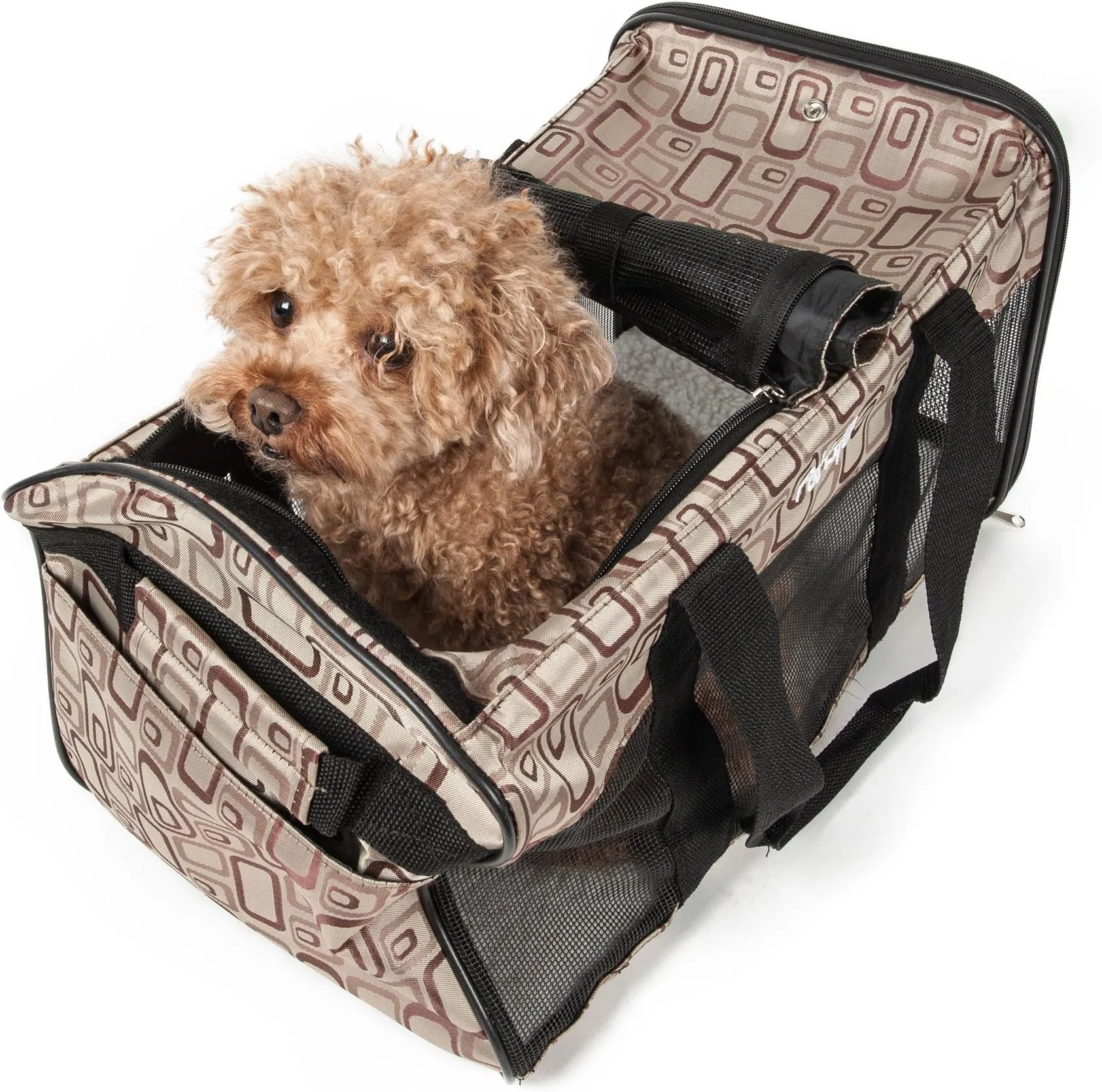
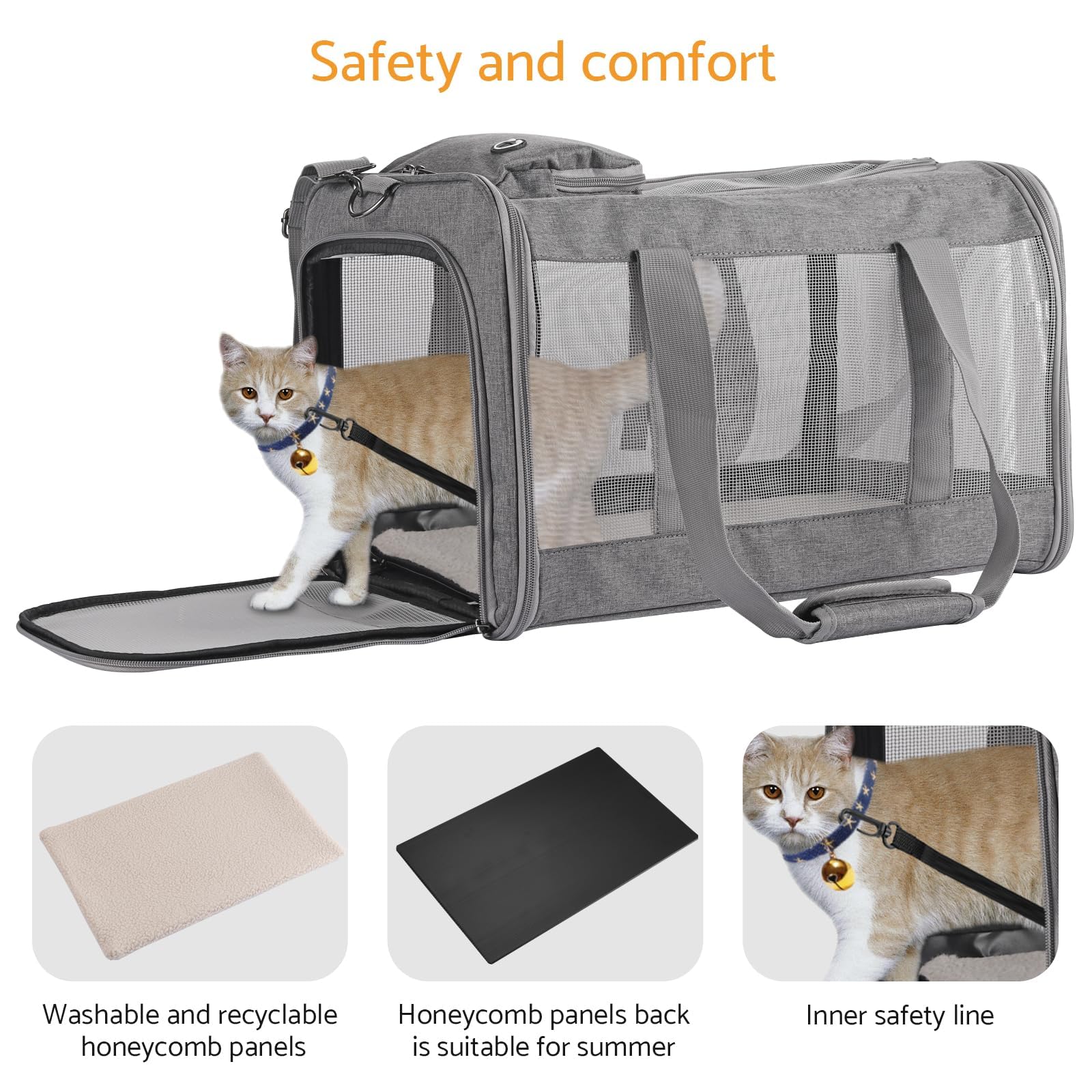
Traveling light with an airline approved pet carrier backpack allows you to navigate crowded airports, security checkpoints, and narrow aircraft aisles hands-free while keeping your animal safe and secure beneath the seat in front of you. Selecting the correct carrier requires balancing strict airline dimensions with structural durability, proper ventilation, and your pet's physical comfort during transit.
Understanding Airline Cabin Regulations and Carrier Dimensions
Before purchasing or packing any pet carrier backpack, you must verify the specific cabin rules of the airline operating your flight. Unlike cargo holds, cabin pet policies are governed by individual carrier restrictions rather than a single universal standard set by the Federal Aviation Administration (FAA) or international equivalents. Most major commercial carriers require soft-sided pet carriers to be slightly flexible so they can compress fractionally to fit under the seat ahead, but the rigid base must remain structurally sound to support your pet's weight.
Dimensions vary widely across carriers. Regional jets often feature tighter under-seat clearances than wide-body international aircraft. A backpack that easily slides under a Delta Air Lines or United Airlines seat might exceed the strict height or width limits enforced by ultra-low-cost carriers like Spirit or Frontier. Always check the exact length, width, and height limitations published on your airline's official pet travel policy page before your departure date.
Beyond exterior dimensions, airlines look closely at ventilation and security features. Regulations typically dictate that a pet carrier must have adequate mesh ventilation on at least two or three sides to ensure sufficient airflow. Furthermore, the zippers must feature self-locking mechanisms or external safety clips to prevent an enterprising cat or dog from pawing the enclosure open while stowed under a seat or carried through the terminal.
Key Structural Features of an Airline Approved Pet Carrier Backpack
A true airline approved pet carrier backpack must bridge two distinct worlds: it needs to function as an ergonomic, comfortable pack for the human handler while serving as a secure, den-like environment for the animal. Ergonomics matter significantly when you are walking long airport concourses. Look for wide, padded shoulder straps, an adjustable sternum strap, and a waist belt to distribute the load evenly across your torso rather than straining your lower back.
Ventilation and visibility dictate how well your pet handles the journey. High-grade rubberized mesh panels resist scratching from claws while promoting optimal cross-ventilation. Many modern backpacks feature expandable mesh sections that unzip to create a temporary playpen area once you reach your gate or a quiet airport corner, giving your pet extra space to stretch out during long layovers.
Internal safety tethers are another critical component. A built-in leash clip attaches directly to your pet's harness—never attach a tether to a standard collar, as sudden movements or turbulence could cause tracheal injury. Removable, washable faux-fleece base pads provide stability and comfort, absorbing minor accidents while keeping the backpack floor rigid so it does not sag awkwardly against your pet's body.
| Feature | Standard Soft-Sided Carrier | Airline Approved Backpack Carrier |
|---|---|---|
| Mobility | Hand-carried or shoulder strap; requires one hand. | Hands-free backpack design; ideal for luggage handling. |
| Under-Seat Fit | Usually rigid rectangular footprint; fits most standard spaces. | Flexible top/sides with rigid base; compresses to fit varying heights. |
| Ergonomics | Limited to basic shoulder straps prone to slipping. | Padded shoulder straps, sternum support, and lumbar panels. |
| Pet Interaction | Side-loading mesh windows; limited visibility forward. | Front or top loading with panoramic mesh viewing windows. |
Preparing Your Pet for Backpack Travel
Introducing your cat or dog to an airline approved pet carrier backpack requires patience and positive reinforcement well in advance of your travel day. Animals do not instinctively understand why they are being zipped into a confined enclosure, so rushing the process can trigger severe travel anxiety. Begin by placing the backpack open on the floor in your living room with all zippers fully unzipped or tied back, allowing your pet to explore the unfamiliar object at their own pace.
Encourage positive associations by placing favorite treats, familiar toys, or a worn piece of your clothing inside the pack. Once your pet enters voluntarily, offer praise and high-value treats. Over the course of several days, practice zipping the mesh flap closed for brief intervals—starting at ten seconds and gradually working up to several minutes.
Once your pet remains calm inside the closed backpack indoors, test the mobility aspect. Put the backpack on your shoulders and walk around your home or backyard for short periods. Pay close attention to how the pack shifts when you move, ensuring it does not sway excessively or block your pet's ability to lie down comfortably. Acclimatizing your animal to the motion and sounds of being carried prepares them for the sensory overload of a busy airport terminal.
Essential Packing Checklist for In-Flight Pet Travel
Traveling light with a pet carrier backpack means streamlining your gear so you stay within airline weight limits while ensuring you have all essentials required for a smooth journey. Most airlines count the pet carrier as your personal item or carry-on bag, meaning space is at an absolute premium.
Your checklist should balance animal welfare items with mandatory administrative paperwork. Keep the following items organized and easily accessible in the exterior pockets of your backpack:
- Health and Vaccination Records: Up-to-date rabies certificates and health certificates issued by a licensed veterinarian, especially if flying internationally or across certain state lines.
- Collapsible Travel Bowl: A flat silicone bowl for hydration during layovers. Pack a small bottle of bottled water separately.
- Absorbent Pee Pads: Line the removable base pad with a disposable puppy pad for easy cleanup in case of travel sickness or accidents.
- Waste Management Supplies: A roll of waste disposal bags and pet-safe disinfectant wipes.
- Calming Aids: If recommended by your veterinarian, natural calming treats or prescribed anxiety medication.
- ID Tags: Ensure your pet wears a collar with secure ID tags displaying your current mobile phone number.
Navigating Airport Security and Boarding Procedures
Clearing airport security with an airline approved pet carrier backpack demands a specific sequence of actions to keep both you and your animal moving smoothly. When you reach the Transportation Security Administration (TSA) checkpoint, you cannot send the pet through the X-ray machine while they are inside the backpack.
You must remove your pet from the backpack and hold them in your arms while walking through the metal detector or advanced imaging technology scanner. The empty backpack, along with all accessories, food containers, and leashes, goes through the X-ray belt just like standard luggage. To prevent a startled pet from bolting in a chaotic security area, many travelers utilize a secure slip leash or harness before unzipping the pack. Alternatively, you can request a private screening room if your cat or dog is prone to bolting when exposed to open, noisy terminal environments.
Once past security, find a quiet area near your departure gate to let your pet use a designated animal relief area. Boarding procedures vary by airline, but most carriers require your pet to remain fully enclosed within the zipped backpack from the moment you board the aircraft until you reach your destination. Place the backpack securely beneath the seat directly in front of you, ensuring no part of the animal's body extends into the aisleway during flight takeoff and landing.
Common Mistakes to Avoid When Flying with a Pet Backpack
Even experienced travelers make critical errors when transitioning from traditional hard crates to soft-sided backpack carriers. One of the most frequent missteps is ignoring the combined weight limit enforced by airlines. Many carriers stipulate that the total weight of the pet plus the carrier must not exceed 20 pounds, though exact limits vary. Exceeding this threshold can result in denied boarding at the gate, regardless of whether the carrier dimensions are compliant.
Another common oversight is failing to secure all exterior zippers properly. Standard zippers can easily slide open if a cat pushes against them with its nose or paws. Always ensure you loop zipper pulls together or utilize integrated locking clips before stowing the bag.
Finally, do not feed heavy meals immediately prior to departure. Air travel can induce motion sickness in animals just as it does in humans. Feed your pet a light meal at least four to six hours before your scheduled flight time to minimize digestive distress while maintaining their hydration levels during layovers.
Frequently Asked Questions
Will an airline approved pet carrier backpack fit under all airplane seats?
No. While these backpacks are engineered to comply with standard aircraft under-seat dimensions, exact clearances vary significantly by aircraft type and airline. Regional jets and budget carriers typically offer much tighter space than wide-body international aircraft, making pre-flight dimension verification essential.
Can my pet stick their head out of the backpack during the flight?
No. Commercial airline regulations strictly mandate that pets remain fully enclosed within their approved carrier at all times while inside the aircraft cabin, including during taxi, takeoff, and landing. Opening the carrier or letting your pet out mid-flight violates federal and airline safety policies.
Do airlines count a pet carrier backpack as my carry-on bag?
Yes, in most cases, airlines count the pet carrier as either your primary carry-on item or your personal item. This policy means you may be restricted to bringing only a single under-seat backpack or a small purse alongside your pet carrier, requiring you to pack exceptionally light.
How do I handle security screening with a pet backpack?
You must remove your pet from the backpack before approaching the TSA metal detectors. The empty backpack is placed on the conveyor belt for X-ray scanning, while you carry your pet through the body scanner in your arms or utilize a secondary pat-down screening process.
Are mesh windows durable enough to prevent claw damage?
Most high-quality airline approved backpacks use reinforced, tear-resistant vinyl-coated mesh designed specifically to withstand scratching from cat claws and dog nails. However, aggressive chewing or persistent scratching over extended periods can compromise lower-grade fabrics, making pre-trip familiarization crucial.
Selecting Your Travel Setup
Choosing the right airline approved pet carrier backpack ultimately hinges on matching your specific aircraft itinerary with your pet's physical dimensions and temperament. Prioritize verified cabin compliance, robust ventilation, and secure locking zippers over cosmetic styling or excess pockets. By methodically acclimatizing your animal to the enclosure and organizing your documentation ahead of time, you transform a potentially stressful logistical hurdle into a seamless, hands-free journey for both you and your furry companion.