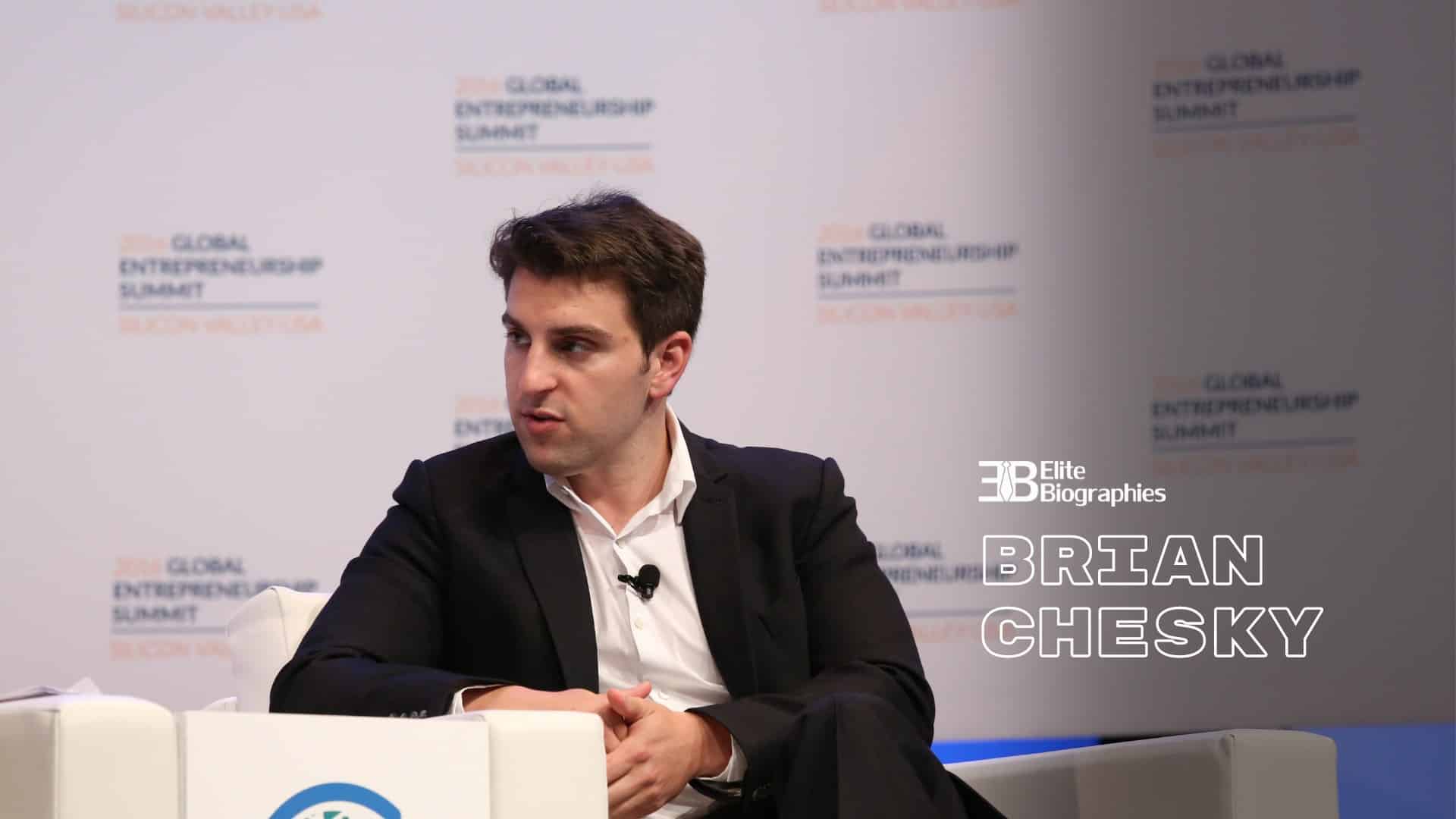
Brian Chesky’s net worth sits at approximately $10 billion, driven primarily by his substantial equity stake in Airbnb, the global accommodation and hospitality platform he co-founded in 2008. While media reports frequently fluctuate based on public market valuations and share price movements, his personal fortune is fundamentally tied to the corporate performance, stock valuation, and future outlook of the company he leads as Chief Executive Officer.
Evaluating the true financial standing of a prominent technology executive requires looking past headline-grabbing estimates and examining the structural composition of their wealth. For Chesky, this wealth is not stored in liquid cash or traditional savings; rather, it represents a complex portfolio of founder shares, restricted stock units, and broader technology market holdings. Understanding how this fortune is calculated provides deeper insight into modern startup economics and the financial realities of building a multi-billion-dollar enterprise.
The Foundations of Airbnb and Early Equity Distribution
The wealth accumulated by Brian Chesky originates from a modest apartment in San Francisco, where he and co-founders Joe Gebbia and Nathan Blecharczyk launched AirBed & Breakfast in 2008. During the early bootstrap phase, the founders faced severe financial pressure, famously selling novelty cereal boxes branded as "Obama O'Cain" and "Cap'n McCain's" during the 2008 Democratic National Convention to keep their fledgling project afloat. These initial struggles shaped an ownership structure where the founding team retained significant equity stakes long before institutional venture capital entered the picture.
As the company scaled through seed rounds led by Y Combinator and subsequent funding injections from prominent venture capital firms like Sequoia Capital and Andreessen Horowitz, the founders' equity percentages diluted, but the underlying absolute value of their shares multiplied exponentially. By maintaining a large portion of their initial holdings and receiving continuous equity incentives, the founders positioned themselves to capture the vast majority of the financial upside when the company transitioned from a private Silicon Valley disruptor to a publicly traded titan on the NASDAQ exchange under the ticker symbol ABNB in December 2020.
Analyzing the Components of Brian Chesky's Net Worth
Unlike traditional high-net-worth individuals whose wealth might be diversified across real estate portfolios, private equity, and fixed-income assets, Chesky's net worth is heavily concentrated in equity. This concentration introduces significant volatility into his estimated net worth, as day-to-day market fluctuations directly alter his paper wealth.
The primary components of his financial portfolio include:
- Founders' Common Stock: The foundational shares acquired during the inception and early operating phases of the company.
- Executive Compensation Packages: Periodic grants of Restricted Stock Units (RSUs) and performance-based stock options tied to long-term corporate milestones and shareholder return metrics.
- Secondary Market Transactions: Prior to the initial public offering (IPO), Chesky, like other early executives, occasionally participated in structured secondary share sales, allowing him to diversify a minor fraction of his holdings into liquid capital.
- Venture Investments and Philanthropy: Smaller, private angel investments in emerging technology startups and commitments to various philanthropic initiatives, though these represent a marginal percentage compared to his core Airbnb holdings.
Public Market Volatility and Net Worth Fluctuations
Financial publications such as Forbes and Bloomberg track billionaire net worths using real-time stock data, which means Chesky's official valuation changes continuously. When macroeconomic conditions favor growth stocks and travel sector demand surges—such as the post-pandemic travel rebound—Airbnb's share price climbs, pushing his net worth toward the higher end of historical estimates. Conversely, during periods of tech sector contraction, rising interest rates, or dampened consumer travel spending, the stock price adjusts downward, compressing his net worth accordingly.
It is critical to distinguish between paper wealth and liquid assets. When a media outlet reports a billionaire's net worth, it rarely implies that the individual possesses that exact amount in bank accounts. Selling large blocks of insider shares is subject to strict regulatory oversight, including SEC Rule 10b5-1 trading plans, which dictate predetermined schedules for executive stock sales to prevent insider trading and market manipulation. Consequently, Chesky cannot simply liquidate his entire position at will without severely impacting the company's stock price and market confidence.
| Valuation Metric | Details & Context |
|---|---|
| Estimated Net Worth | Approximately $10 billion (subject to daily public market fluctuations). |
| Primary Wealth Source | Equity ownership in Airbnb, Inc. (NASDAQ: ABNB). |
| Executive Role | Co-Founder and Chief Executive Officer (CEO). |
| Asset Liquidity | Highly illiquid; majority locked in insider stock holdings and restricted equity. |
| Diversification | Low; heavily concentrated in travel technology sector equity. |
Leadership, Compensation, and Corporate Governance
As CEO, Chesky’s compensation structure reflects modern Silicon Valley practices, where base salaries are frequently symbolic—often set at nominal figures like $1 per year—while executive compensation packages rely almost entirely on long-term equity incentives. This alignment ensures that his personal financial success remains directly tied to the long-term appreciation of shareholder value rather than short-term cash bonuses.
Corporate governance frameworks at Airbnb also grant Chesky significant voting power through dual-class share structures, a common mechanism among major technology firms that allows founders to maintain strategic control over corporate vision and product direction regardless of shifting public market sentiments. This governance model protects the company from hostile takeovers and short-term activist investor pressure, allowing management to prioritize multi-year strategic bets over quarterly earnings volatility.
Common Misconceptions About Tech Founder Wealth
Public fascination with billionaire net worths often leads to widespread misunderstandings regarding how ultra-wealthy individuals manage and access their money. One frequent misconception is that net worth equals cash in hand. In reality, liquid cash reserves represent a minuscule fraction of a founder's overall net worth.
Another common assumption is that fluctuations in net worth directly impact an executive's daily lifestyle or corporate decision-making. While a plunging stock price reduces paper wealth, it rarely alters the operational capabilities of a profitable technology platform. Furthermore, philanthropic pledges, such as Chesky's participation in various charitable commitments and community support programs, are typically fulfilled through gifts of appreciated stock rather than cash transfers, offering tax efficiencies while directly funding civic and humanitarian causes.
Frequently Asked Questions
How much is Brian Chesky actually worth?
Brian Chesky has an estimated net worth of around $10 billion. This figure fluctuates daily based on the live trading price of Airbnb stock, as the vast majority of his wealth consists of equity shares in the company he co-founded.
What is the main source of Brian Chesky's wealth?
His wealth comes almost entirely from his co-founder equity stake, stock options, and executive compensation packages tied to Airbnb, Inc. He holds a significant percentage of insider shares that he acquired when launching the company in 2008 and scaling it to a publicly traded enterprise.
Does Brian Chesky receive a traditional salary?
Like many prominent tech founders and CEOs, Chesky has historically accepted minimal base salaries—often symbolic amounts like $1 annually—relying instead on equity grants and long-term stock performance incentives for his compensation.
Can Brian Chesky cash out his entire net worth immediately?
No. Executive shares are subject to strict regulatory rules, SEC reporting requirements, and structured trading plans (such as Rule 10b5-1). Selling large volumes of stock all at once is legally restricted and would cause significant market disruption, meaning his wealth remains largely illiquid.
How do public market changes affect his net worth?
Because his fortune is tied to Airbnb stock, any macroeconomic shift, change in travel industry demand, or broader tech sector downturn directly impacts the company's share price, causing his estimated net worth to rise or fall in real time.
Navigating Financial Estimates and Market Realities
When evaluating the financial standing of technology executives like Brian Chesky, observers must look beyond sensational headlines and examine the underlying mechanics of public equity. Wealth built through startup creation and stock market appreciation is inherently dynamic, tied to corporate execution, consumer trends, and global economic health. For those tracking technology sector fortunes, recognizing the distinction between paper wealth and liquid assets provides a clearer, more accurate picture of modern executive compensation and corporate ownership.