Air travel disruptions—including delays, cancellations, and missed connections—trigger specific statutory rights and airline obligations depending on jurisdiction and operational cause. Passengers facing disruptions are entitled to duty of care, rebooking, or cash refunds, alongside potential financial compensation when delays fall under carrier control rather than extraordinary circumstances.
Decoding Causes: Controllable vs. Uncontrollable Air Travel Disruptions
Understanding the root cause of an air travel disruption is the single most critical factor in determining whether an airline owes financial compensation or basic amenities. Global aviation authorities draw a strict legal distinction between carrier-controllable events and extraordinary circumstances (uncontrollable events).
- Air Travel Disruption
- Controllable Events (Airline Responsibility)
- Mechanical Failure
- Crew Scheduling & Fatigue
- Maintenance Delays
- Airline IT Outages
- Statutory Rights:
- Rebooking / Full Refund
- Duty of Care (Food/Hotel)
- Mandatory Cash Compensation
- Uncontrollable Events (Extraordinary Circumstances)
- Severe Weather & De-icing
- Air Traffic Control (ATC) Stops
- Security Risks & Strikes (3rd-party)
- Medical Emergencies En Route
- Statutory Rights:
- Rebooking / Full Refund
- Duty of Care (Food/Hotel)*
- NO Cash Compensation
- Controllable Events (Airline Responsibility)
Carrier-Controllable Disruptions
Controllable disruptions stem directly from an airline's internal operations, management decisions, or maintenance oversights. When a flight is delayed or cancelled due to a controllable event, regulations in most major jurisdictions mandate both basic duty of care and cash compensation. Common controllable events include:
- Scheduled Aircraft Maintenance Issues: Mechanical faults discovered during routine pre-flight inspections or turnaround procedures.
- Crew Time-Outs and Staffing Shortages: Flight crews reaching their legally mandated maximum duty hours (Flight Time Limitations) without backup crew scheduled by the carrier.
- Internal IT Outages: System failures affecting airline check-in portals, dispatch systems, or weight-and-balance calculation software.
- Commercial Consolidation: Cancelling low-load flights to merge passengers onto later services for operational efficiency.
Uncontrollable Events (Extraordinary Circumstances)
Extraordinary circumstances refer to events outside the airline’s reasonable control that could not have been avoided even if all reasonable measures had been taken. While airlines remain obligated to rebook passengers or refund unused tickets during these events, statutory cash compensation is legally exempted. Key extraordinary circumstances include:
- Severe Weather and Natural Disasters: Dense fog, blizzards, tropical storms, volcanic ash clouds, or severe lightning that degrades runway visual range (RVR) or air safety.
- Air Traffic Control (ATC) Restrictions: Ground delay programs, slot restrictions, or airspace closures issued by national civil aviation authorities (such as the FAA or Eurocontrol).
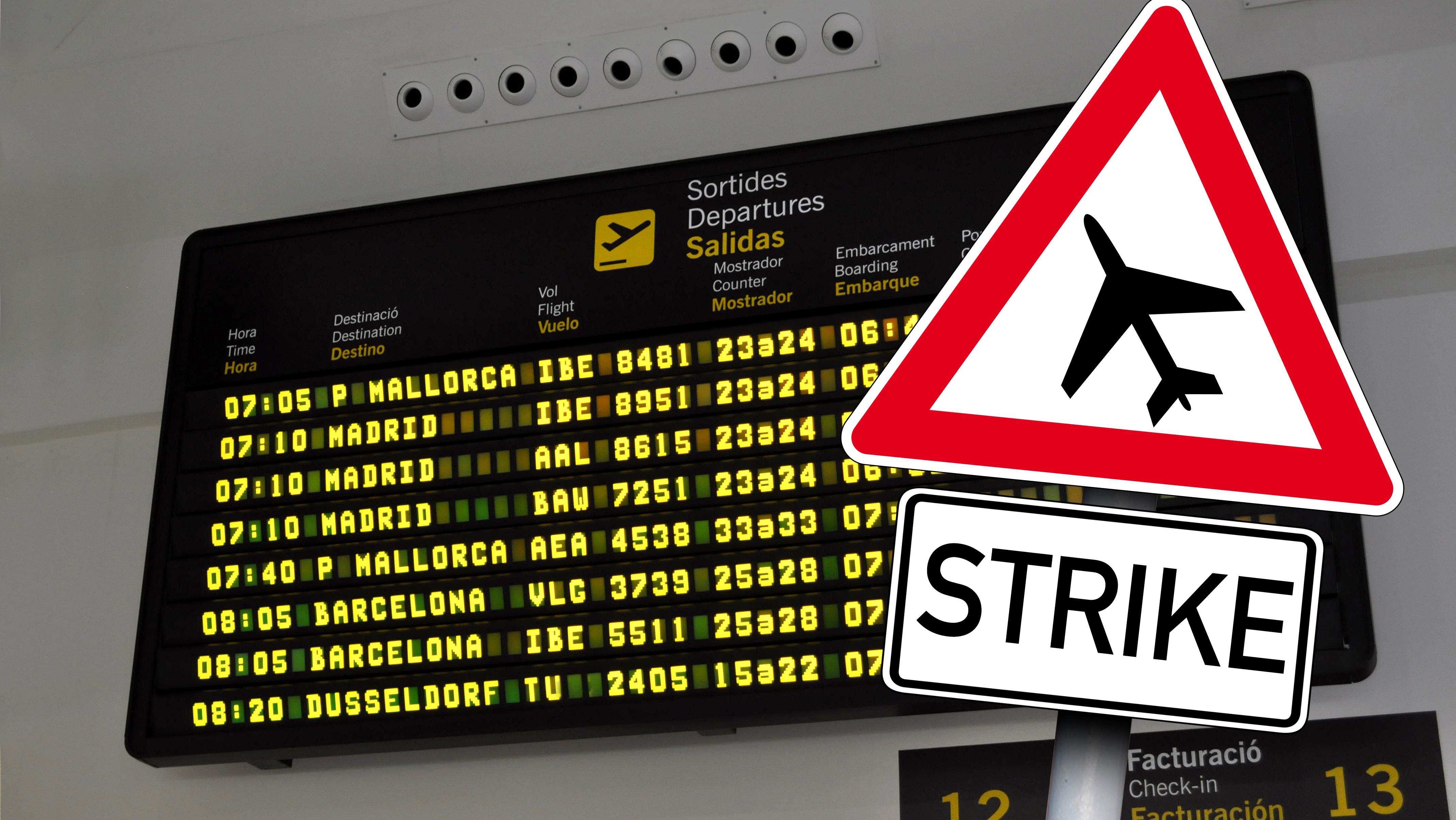
- Third-Party Industrial Action: Strikes conducted by airport security personnel, border control officers, or air traffic controllers (though wildcat strikes by the airline’s own staff are often categorized as controllable under European jurisprudence).
- Security and Medical Emergencies: Unruly passenger disruptions, security breaches requiring terminal evacuations, or mid-flight medical diversions.
Global Passenger Rights: Regulations by Region
Passenger entitlements during air travel disruptions are governed by international treaties and national statutory frameworks. Eligibility depends primarily on the point of departure, the destination, and the operating carrier's flag state.
European Union & United Kingdom (EU 261 / UK 261)
The strongest passenger protections worldwide exist under EU Regulation 261/2004 and its retained equivalent in the UK (UK 261). These regulations apply to:
- All flights departing from an airport located within an EU member state or the UK (regardless of the operating airline).
- All flights arriving at an EU or UK airport when operated by an EU or UK-registered carrier.
Under EU/UK 261, if a flight arrives at its final destination 3 hours or more late due to a controllable delay, passengers are entitled to fixed cash compensation ranging between €250 (£220) and €600 (£520), based on flight distance:
- Short Haul (up to 1,500 km): €250 / £220
- Medium Haul (1,500 km to 3,500 km, or intra-EU over 1,500 km): €400 / £350
- Long Haul (over 3,500 km): €600 / £520
Additionally, airlines must provide Duty of Care (free meals, refreshments, two phone calls, and hotel accommodation for overnight delays) regardless of whether the disruption was caused by extraordinary circumstances.
United States (US Department of Transportation Rules)
In the United States, passenger protections are overseen by the US Department of Transportation (DOT). Under DOT rules, if an airline cancels a flight or makes a significant schedule change, passengers are entitled to a full cash refund (including taxes and ancillary fees) if they choose not to travel on the offered alternative.
Unlike European law, US statutory regulations do not automatically mandate fixed cash compensation for domestic flight delays. However, major US carriers maintain enforceable commitments listed on the DOT Dashboard. For carrier-controllable delays of 3 hours or more, major US airlines commit to providing meal vouchers, while overnight controllable delays obligate carriers to provide complimentary hotel accommodations and airport transfers.
Canada (Air Passenger Protection Regulations - APPR)
Canada’s Air Passenger Protection Regulations (APPR), enforced by the Canadian Transportation Agency (CTA), categorize disruptions into three distinct tiers:
- Controllable by the airline.
- Controllable, but required for safety (e.g., unexpected mechanical repairs).
- Uncontrollable (e.g., weather, ATC instructions).
For delays within carrier control (and not safety-related), large Canadian airlines must pay cash compensation up to CAD $1,000 for delays exceeding 9 hours at the destination. If the delay is safety-related or uncontrollable, compensation is not required, but duty of care and prompt rebooking standards still apply.
International Journeys: The Montreal Convention
For international flights between treaty member countries, Article 19 of the Montreal Convention (1999) establishes carrier liability for damages caused by delay. Passengers can claim up to 5,346 Special Drawing Rights (SDRs)—equivalent to roughly $7,000 USD—for proven economic losses (such as prepaid hotel nights or lost wages) caused by an international flight delay, unless the airline proves it took all measures that could reasonably be required to avoid the damage.
Statutory Passenger Rights and Compensation Matrix
The table below summarizes statutory compensation, duty of care thresholds, and refund rights across major regulatory jurisdictions.
| Jurisdiction / Framework | Applicable Flights | Cash Compensation Trigger (Controllable) | Compensation Amount Range | Duty of Care Requirement | Automatic Refund Eligibility |
|---|---|---|---|---|---|
| EU 261 / UK 261 | Departures from EU/UK; Arrivals into EU/UK on EU/UK carriers | 3+ hours delay at final destination | €250 – €600 (£220 – £520) | 2–4 hours delay (depends on distance) | Delay exceeding 5 hours (if passenger abandons trip) |
| US DOT Rules | All domestic US flights & foreign flights to/from US | No mandatory fixed cash delay pay | Airline commitments apply (voucher/hotel) | Voluntary airline commitment for 3+ hour delay | Any cancellation or significant schedule change |
| Canada (APPR) | All flights to, from, and within Canada (including connecting flights) | 3+ hours delay at destination (Non-safety controllable) | CAD $400 – CAD $1,000 (Large carriers) | 2 hours delay at departure | Delay exceeding 3 hours if rebooking is unsuitable |
| Montreal Convention | International flights between participating treaty states | Proven damages resulting from delay | Up to 5,346 SDRs ($7,000 USD max claim) | Varies by country enforcement | Based on contract of carriage / domestic rules |
Action Protocol: What to Do During an Active Disruption
When an air travel disruption occurs, fast and organized execution improves your chances of obtaining alternate routing and reimbursement.
- Disruption Detected
- Document Proof
- Take photo of departure board
- Save SMS/email alerts
- Retain original boarding pass
- Execute Parallel Rebooking
- Open carrier mobile app
- Call international helpline
- Queue at customer service gate
- Claim Duty of Care
- Request meal/hotel vouchers
- Keep itemized receipts
- Avoid luxury spend limits
- Document Proof
1. Document Everything Immediately
Build an evidentiary trail before leaving the gate:
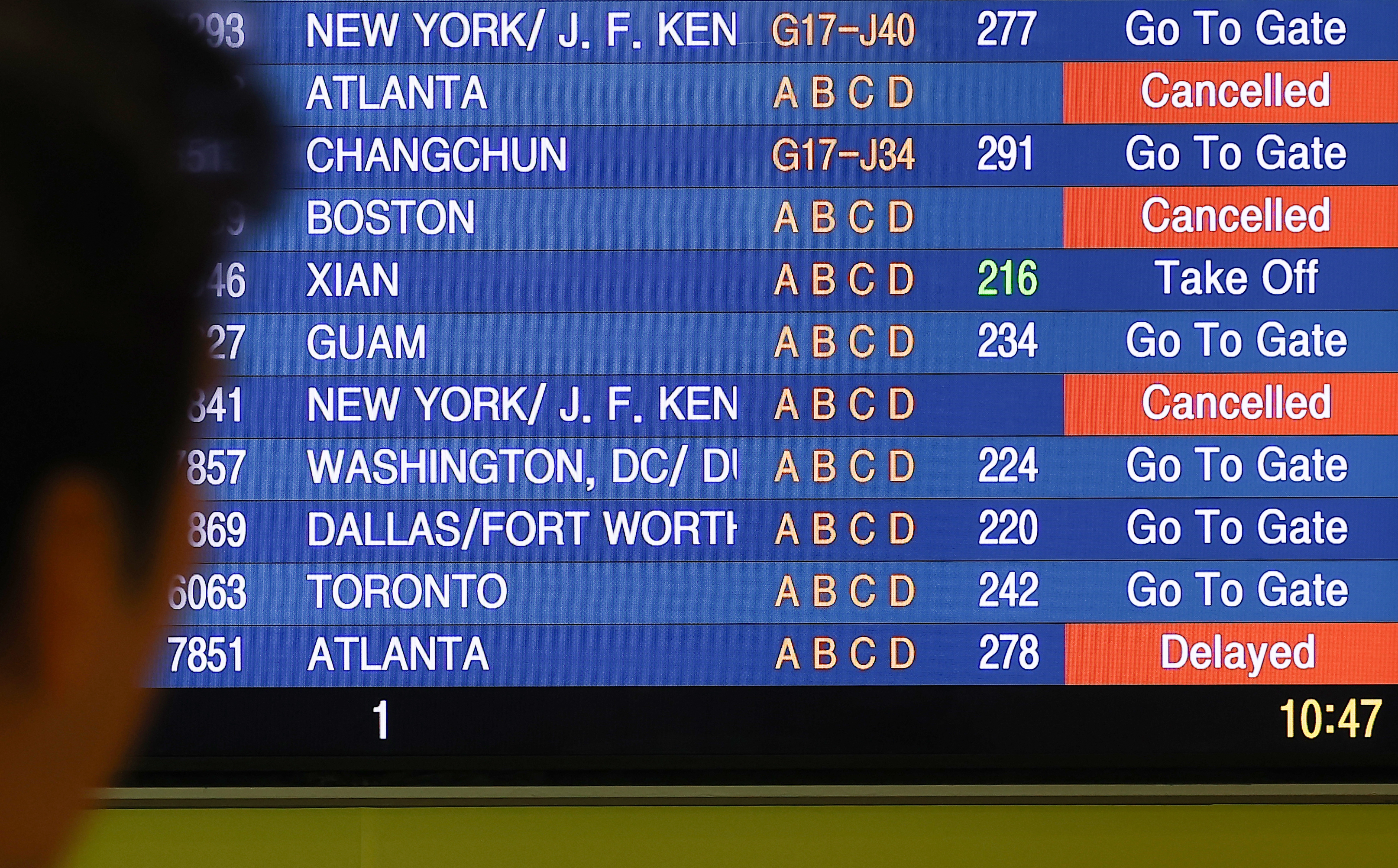
- Take a clear photograph of the airport departure board showing your flight status, time stamp, and gate assignment.
- Save all SMS text notifications, email alerts, and push notifications from the airline app stating the reason for the delay or cancellation.
- Retain all physical and digital boarding passes, baggage tag receipts, and original itinerary receipts.
2. Execute Parallel Rebooking Communications
Do not stand in a single airport line waiting for an agent while seat availability vanishes. Employ a multi-channel rebooking approach:
- Mobile Application: Attempt to rebook directly through the airline’s self-service app or automated kiosk.
- Phone Customer Service: Call the airline's customer service phone line immediately while standing in line at the airport counter.
- International Support Lines: If domestic phone lines are overwhelmed, call the airline's English-speaking customer service number in an international region (such as Canada, the UK, or Australia) using a VoIP service to reach an agent faster.
- Social Media Desks: Contact the carrier’s customer service team on official social media platforms (such as X/Twitter or WhatsApp), including your record locator (PNR) and desired alternate flights.
3. Claim Duty of Care Services or Track Expenses
If your delay exceeds the statutory threshold (2 hours in Canada/EU short-haul, 3 hours in the US), request duty of care vouchers directly from gate agents.
- If agents are unable to issue physical vouchers due to high volume, purchase necessary meals, non-alcoholic beverages, and modest hotel accommodations yourself.
- Maintain Itemized Receipts: Retain detailed, itemized store and restaurant receipts. Credit card statements alone are often rejected by claims departments because they do not itemize items purchased.
- Stay Within Reasonable Limits: Standard policies cover baseline accommodations and transport (e.g., standard hotel room, taxi/rideshare to hotel, basic meals). Luxury dining or alcohol purchases will not be reimbursed.
Financial Recovery: Travel Insurance vs. Airline Obligations
Securing full financial compensation after an air travel disruption often requires navigating both airline statutory liabilities and independent insurance coverage.
- Financial Recovery Pathway
- Airline Claims Desk (Statutory Obligations)
- EU261/UK261 Delay Compensation
- Out-of-pocket Duty of Care Reimbursement
- Ticket Refunds (Cancellations)
- Travel Insurance / Credit Card (Secondary Coverage)
- Trip Interruption Benefits
- Unused Non-refundable Costs
- Excess Delay Expenses
- Airline Claims Desk (Statutory Obligations)
When to Claim from the Airline
Claim directly from the airline when the disruption is carrier-controllable or subject to legal mandates:
- Statutory Cash Compensation: EU 261, UK 261, or Canadian APPR claims must be submitted directly through the operating airline's official online compensation portal.
- Unused Ticket Refunds: If your flight is cancelled or delayed beyond the statutory threshold and you decline alternate transport, the operating airline owes a direct cash refund to the original form of payment.
- Direct Out-of-Pocket Duty of Care: Expenses incurred during delays (meals, hotels, ground transport) must first be submitted to the airline's customer relations department.
When to Utilize Travel Insurance or Credit Card Coverage
Many premium credit cards offer built-in Trip Delay and Trip Interruption insurance, while comprehensive policy additions provide standalone coverage. Turn to insurance when airline coverage falls short:
- Uncontrollable Delays: Insurance covers hot-meal and hotel expenses when severe weather or air traffic control grounds flights, even when the airline is legally exempt from paying cash compensation.
- Prepaid, Non-Refundable Expense Loss: If an air travel disruption causes you to miss non-refundable hotel bookings, cruise departures, tour tickets, or rental cars, private travel insurance covers these secondary losses.
- Baggage Delay Expense Allowances: When checked luggage is delayed by more than 4 to 6 hours, travel insurance policies provide daily stipends ($100–$250 per day) for essential toiletries and clothing purchases while waiting for your bags to arrive.
Frequently Asked Questions
What is the difference between a flight refund and flight delay compensation?
A flight refund returns the unearned fare you paid for a flight that was cancelled or significantly altered when you elect not to travel. Flight compensation is a statutory financial penalty paid by the airline to make up for lost time and inconvenience caused by a controllable delay or cancellation. Depending on the situation and jurisdiction, you may be legally entitled to both.
Am I entitled to a hotel room if my flight is delayed overnight due to bad weather?
Under EU 261, UK 261, and Canadian APPR, airlines are legally required to provide hotel accommodations and transfers for overnight delays, even if the delay is caused by bad weather. In the United States, federal law does not mandate overnight hotel accommodations for weather delays; however, some carriers offer discounted hotel rates or vouchers as a courtesy.
Can airlines force me to accept flight vouchers instead of cash compensation or refunds?
No. Under US DOT rules, EU 261/UK 261, and Canadian regulations, passengers have the legal right to receive cash, bank transfers, or refunds back to their original form of payment. While airlines may offer travel vouchers or frequent flyer miles as an alternative, you are under no obligation to accept them and can explicitly demand cash or monetary reimbursement.
How long do I have to file a claim for a delayed or cancelled flight?
Time limits for filing claims depend on the governing jurisdiction. Under EU 261 and UK 261, national statutes of limitations apply (ranging from 1 year in Belgium to 2 years in Germany/Canada, and up to 6 years in England and Wales). Under the Montreal Convention, international claims must be filed within 2 years of arrival. Submit your claim as soon as possible after the event to prevent administrative rejection.
What rights do I have if my baggage is delayed or lost during an air travel disruption?
For international flights, baggage delays and damage are governed by the Montreal Convention, which caps carrier liability at approximately 1,288 SDRs (around $1,700 USD) per passenger. Airlines must reimburse reasonable expenses for essential items (clothing, toiletries) purchased while awaiting delayed bags. If luggage is unrecovered after 21 days, it is officially classified as lost, and the carrier must pay for the depreciated value of its contents up to the maximum liability limit.
Proactive Strategies to Minimize Disruption Impact
While passengers cannot control weather or air traffic control, adopting strategic booking and travel protocols significantly mitigates exposure to air travel disruptions:
- Book First-Flight-of-the-Day Options: Select morning flights departing between 6:00 AM and 8:00 AM. Aircraft are typically parked at the gate overnight, and air traffic control queues are minimal, lowering the risk of cascading delays.
- Avoid Short Connection Windows: Avoid domestic layovers under 60 minutes and international layovers under 120 minutes. If an initial flight experiences even a minor 20-minute delay, short connection windows frequently lead to missed flights and lost luggage.
- Fly Direct and Avoid Vulnerable Hubs: Minimize total flight legs whenever possible. When connections are necessary, choose secondary hubs with favorable weather track records rather than high-density airports prone to severe weather ground stops.
- Monitor Airspace and Aircraft Movement: Use flight tracking tools (such as Flightradar24 or FlightAware) to track your incoming aircraft hours before departure. If your inbound aircraft is delayed at a prior origin airport, line up alternate rebooking options long before the airline issues an official gate cancellation.
- Pay via Premium Credit Cards with Travel Protection: Purchase passenger tickets using credit cards that feature built-in trip delay, cancellation, and lost luggage insurance to guarantee automatic policy protection without buying separate travel insurance plans.