Air medical transport integrates specialized pre-hospital emergency medicine with aviation, delivering rapid clinical interventions and critical care transport to patients who require advanced medical management or rapid geographic relocation beyond the capabilities of standard ground ambulances.
Defining Air Medical Transport and Its Core Objectives
Air medical services encompass the utilization of specially equipped fixed-wing aircraft and rotor-wing helicopters to deliver emergency medical care and transportation. The primary objective is to bridge the time-distance gap between remote locations or accident scenes and definitive tertiary care facilities. By minimizing transport time, these services mitigate the physiological impact of critical illness and traumatic injury, adhering strictly to the foundational medical concept of the golden hour.
The deployment of air medical assets is driven by specific clinical and logistical criteria rather than mere convenience or speed. Ground ambulances remain the standard for the vast majority of medical emergencies; however, aeromedical resources are mobilized when a patient's condition demands immediate, specialized intervention that cannot be sustained during a prolonged ground transit, or when the geographic terrain precludes timely vehicular access.
Rotor-Wing Versus Fixed-Wing Operations
Selecting the appropriate aircraft type is a foundational decision in air medical logistics, dictated by transport distance, clinical acuity, landing zone availability, and meteorological conditions. Understanding the operational capabilities of both rotor-wing and fixed-wing platforms ensures optimal resource utilization.
Rotor-Wing Aircraft (Helicopters)
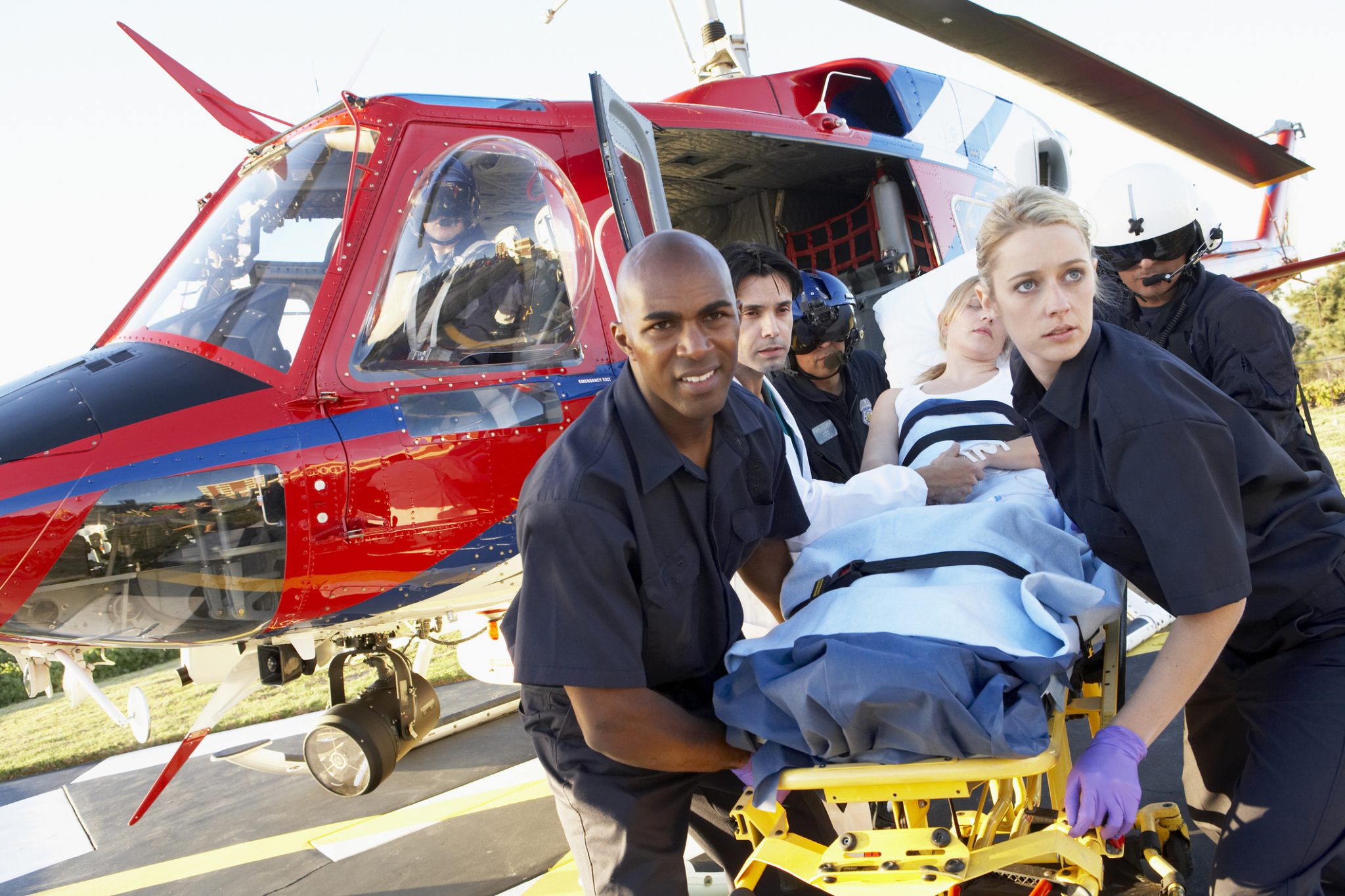
Helicopters serve primarily as scene-response units and short-range transport vehicles. Their defining operational characteristic is vertical takeoff and landing capability, which allows them to land directly at accident sites, rural highways, or community hospitals lacking dedicated airstrips.
- Operational Range: Typically effective for distances under 150 nautical miles.
- Clinical Environment: Cabin spaces are notoriously constrained, which limits patient accessibility and the volume of specialized equipment that can be carried simultaneously.
- Vulnerability: Highly susceptible to adverse weather conditions, low visibility, icing, and high winds, which can frequently ground fleets.
Fixed-Wing Aircraft (Airplanes)
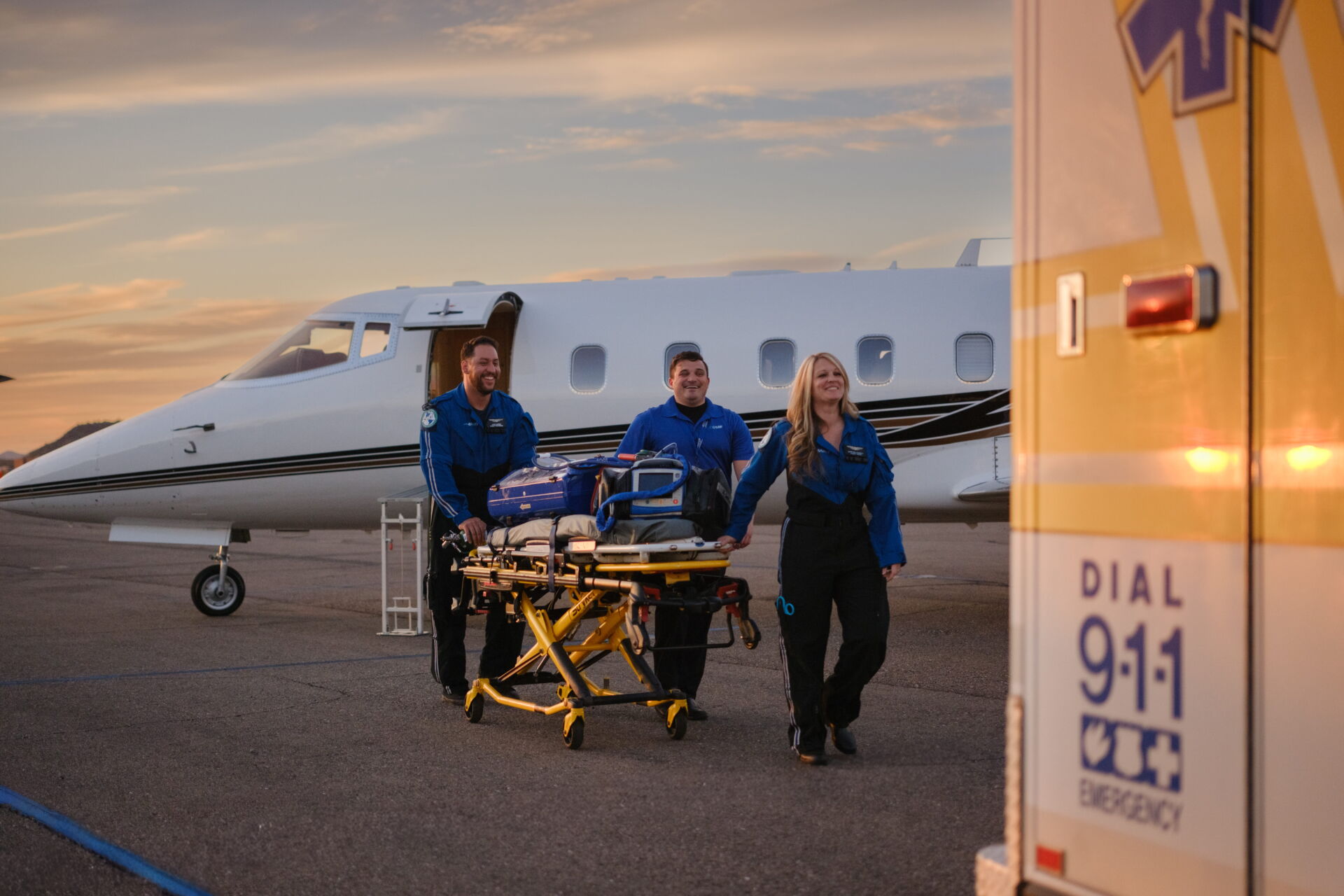
Fixed-wing aircraft are deployed for long-range inter-facility transports, international medical repatriations, and missions where distance precludes the economical or safe use of helicopters. These aircraft require designated runways for takeoff and landing, necessitating a coordinated ground ambulance link at both the origin and destination airports.
- Operational Range: Spans hundreds to thousands of miles, enabling cross-country and transoceanic patient transfers.
- Clinical Environment: Cabins are generally pressurized and offer significantly more space, allowing for multi-patient configurations, specialized neonatal incubators, and comprehensive critical care setups.
- Performance: Cruising speeds are substantially higher than helicopters, and fixed-wing platforms often exhibit greater resilience against various weather phenomena, though severe storms still pose operational challenges.
Clinical Staffing Models and Advanced Capabilities
The quality of care delivered during an air medical transport matches or exceeds that of a traditional hospital emergency department or intensive care unit. Staffing models vary based on regional regulations, service provider structure, and the specific clinical needs of the patient, but standard configurations rely on highly trained multidisciplinary teams.
- Dispatch / Triage
- Clinical Assessment
- Aviation Route Planning
- En Route Critical Care
- Receiving Facility Handover
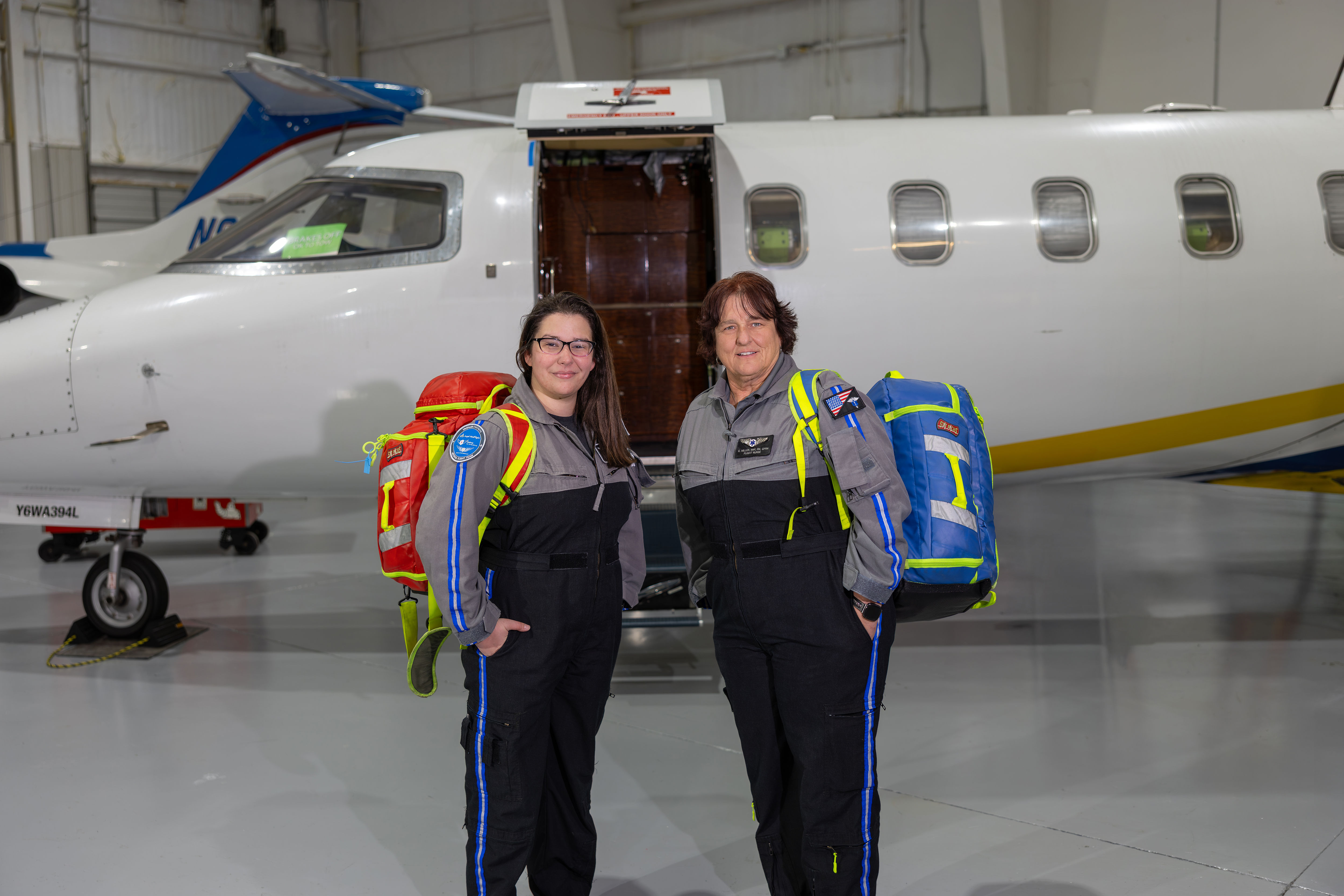
A standard critical care flight configuration typically pairs a flight paramedic with a flight nurse. Both clinicians possess advanced certifications beyond standard paramedic licensure, such as Certified Flight Registered Nurse (CFRN) or Flight Paramedic-Certified (FP-C), alongside advanced trauma life support, pediatric advanced life support, and critical care transport endorsements. For highly specialized pediatric, neonatal, or cardiac cases, perfusionists, respiratory therapists, or specialized critical care physicians may join the flight crew.
The onboard medical equipment mirrors that of a mobile ICU. Aircraft are routinely outfitted with advanced mechanical ventilators, invasive hemodynamic monitoring systems, infusion pumps, blood and plasma products for pre-hospital transfusion, and point-of-care diagnostic ultrasound units. This level of resourcing enables continuous stabilization and active intervention throughout the duration of the flight.
Regulatory Standards, Safety, and Operational Governance
Operating aircraft in adverse weather, low-altitude environments, and high-stress scenarios demands rigorous regulatory oversight and adherence to aviation safety protocols. In the United States, air medical providers are governed by the Federal Aviation Administration (FAA), specifically operating under Federal Aviation Regulations Part 135 for commercial air carrier operations.
To ensure clinical and operational excellence, reputable providers seek accreditation from independent bodies such as the Commission on Accreditation of Medical Transport Systems (CAMTS). CAMTS evaluation criteria encompass patient care standards, communication center operations, aircraft safety maintenance schedules, and comprehensive initial and recurrent crew training programs.
Risk management frameworks, such as Operational Risk Management (ORM) and Instrument Flight Rules (IFR) certification for aircraft, are standard industry practices. Crew Resource Management (CRM) principles are heavily emphasized, ensuring open communication between the pilot and medical crew regarding weather assessments, fuel limits, and go/no-go flight decisions.
Financial Considerations and Insurance Coverage
The economics of air medical transport are complex, reflecting the high capital costs of advanced aircraft, specialized medical equipment, 24/7 staffing, and aviation fuel. Understanding how these services are billed and structured helps patients and families navigate potential financial liabilities.
| Transport Type | Primary Use Case | Average Distance | Typical Staffing | Key Operational Limitation |
|---|---|---|---|---|
| Rotor-Wing (Helicopter) | Scene response, trauma, rapid rural transfer | 0 – 150 miles | Flight Nurse / Flight Paramedic | Weather dependent, limited cabin space |
| Fixed-Wing (Airplane) | Inter-facility transfer, repatriation | 150+ miles | Critical Care Nurse / Medic / Physician | Requires runway access at both ends |
Billing practices involve facility fees, mileage charges, and specialized care surcharges. While health insurance policies—including Medicare and Medicaid—frequently cover medically necessary air ambulance transports, coverage caps, network status discrepancies, and out-of-pocket deductibles can result in substantial balance billing. Many patients explore supplemental air medical membership programs, which cover out-of-pocket costs associated with a member's transport by a specific provider network, subject to the terms and conditions of the respective agreements.
Frequently Asked Questions
What criteria determine whether a patient needs air medical transport?
Medical necessity is established when a patient's condition is life-threatening or time-critical, requiring specialized interventions available only at a distant tertiary care center, and ground transport would pose an unacceptable risk due to traffic, distance, or the need for continuous intensive care monitoring.
How is an air medical flight requested during an emergency?
Scene responses are typically initiated by 911 dispatchers, emergency medical services (EMS) incident commanders, or law enforcement officers on site. Inter-facility transfers are coordinated directly between the attending physician at the sending hospital and the communication center of the air medical provider.
Are family members allowed to fly with the patient?
Due to strict weight and balance calculations, limited cabin space, and the continuous need to access the patient for medical interventions, family members are rarely permitted on rotor-wing scene flights. On fixed-wing inter-facility transports, a single family member may sometimes be accommodated, subject to the pilot's final approval and clinical stability of the patient.
What is the difference between an air ambulance and commercial medical escort?
An air ambulance is a dedicated medical aircraft configured specifically for critical care transport with specialized medical staff and equipment. A commercial medical escort involves a medical professional traveling with a patient on a standard commercial airline flight, which is suitable only for stable patients who require minor assistance, medication management, or oxygen during routine travel.
How do weather conditions affect air medical operations?
Aviation safety regulations prohibit flight in conditions that fall below established visibility and ceiling minimums, or in the presence of severe icing and extreme turbulence. If weather prevents safe flight, dispatchers will immediately coordinate alternative ground transport or alternative routing to ensure patient safety.
Navigating Transport Coordination and Verification
When facing an emergent medical situation requiring specialized transport, families and healthcare providers should immediately confirm that the dispatching service operates under accredited guidelines (such as CAMTS) and maintains transparent billing policies. Verify that the receiving facility is adequately prepared to accept the patient’s specific clinical presentation before authorizing departure. For planned non-emergent transfers or international repatriations, consult directly with the patient's insurance provider to clarify coverage parameters and secure pre-authorization documentation well in advance of departure.