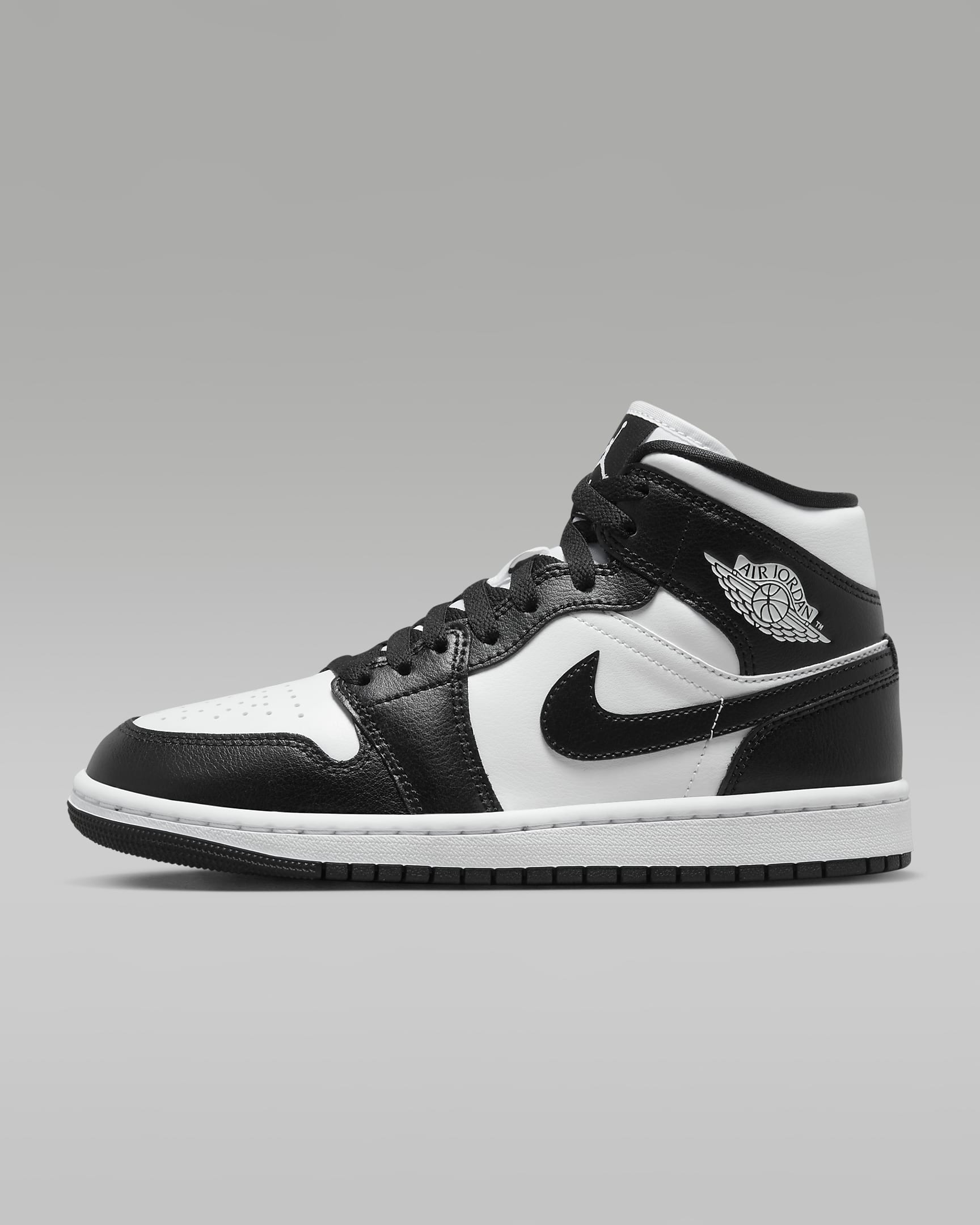
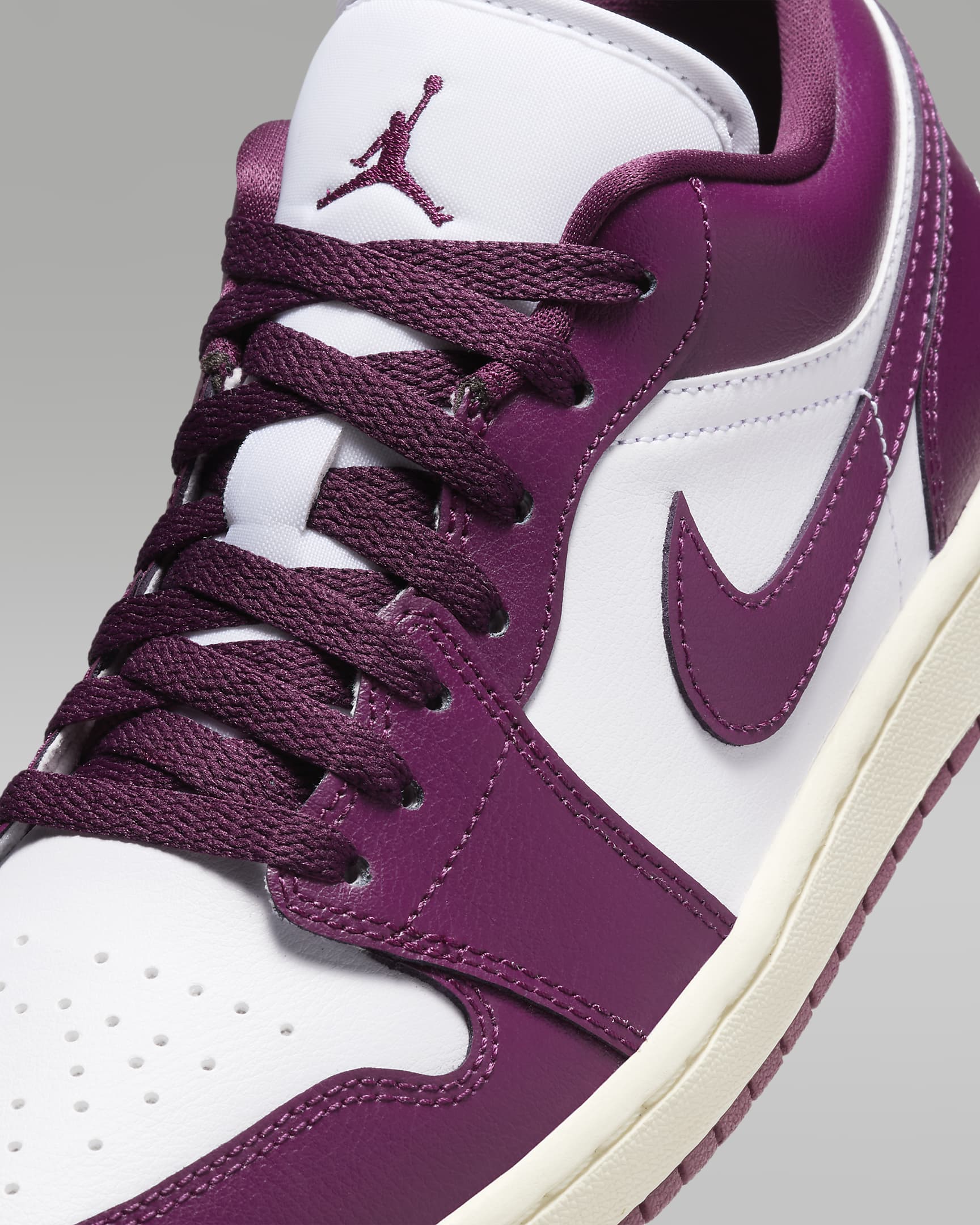
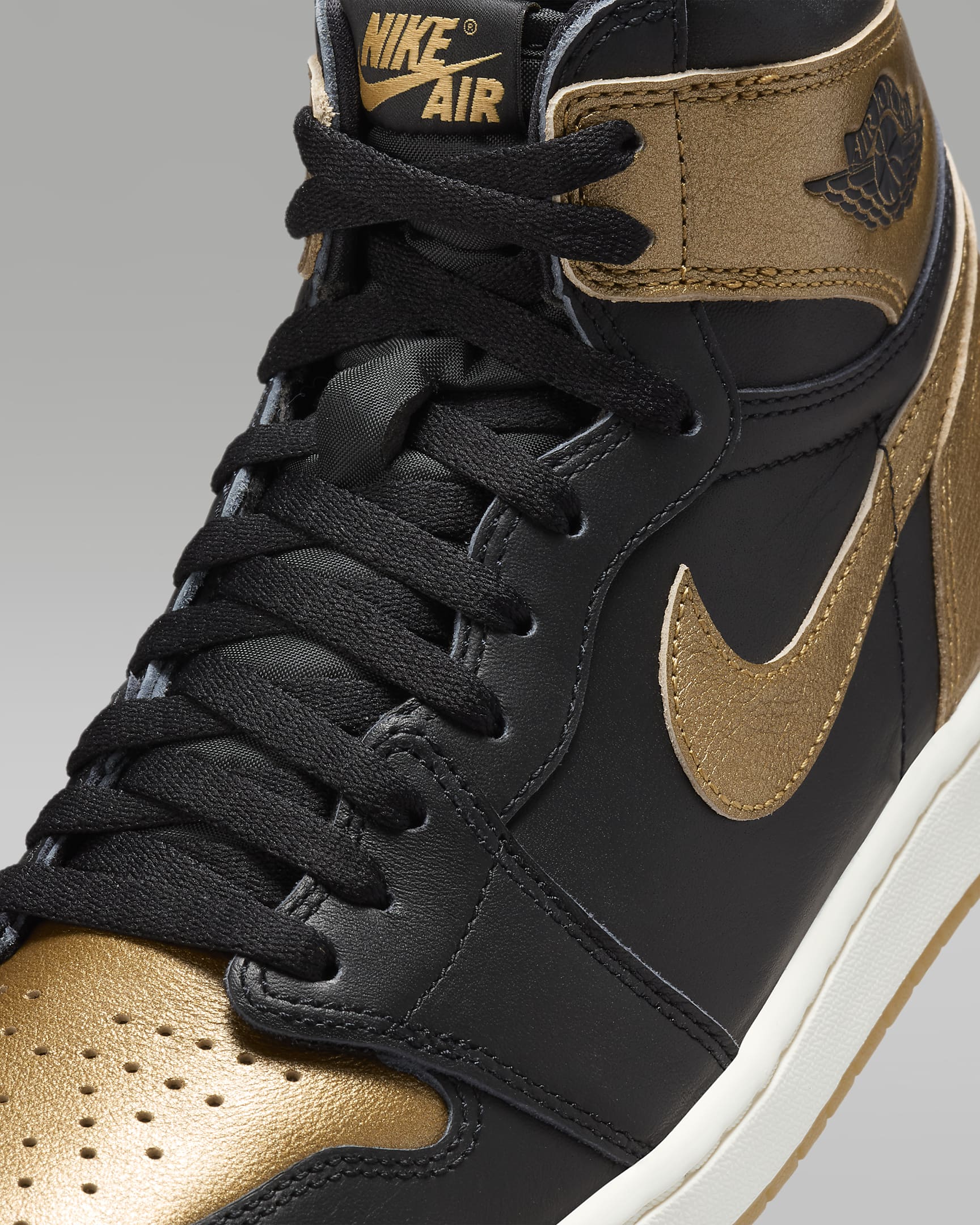
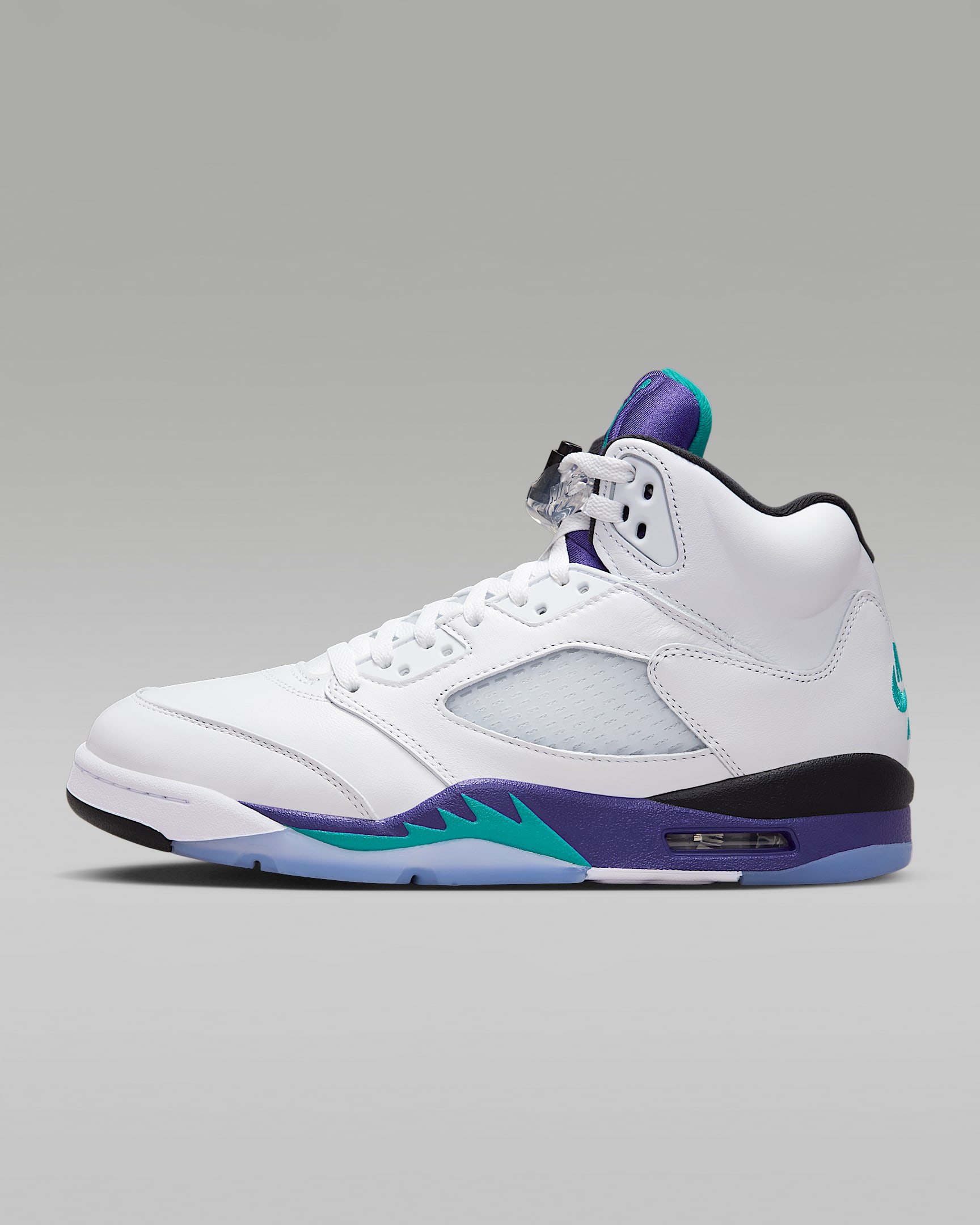
Air Jordan is a premium brand of basketball footwear and athletic apparel produced by Nike, Inc., originally created for Hall of Fame player Michael Jordan in 1984. Since its public release in 1985, the line has transformed from a performance-oriented sports shoe into a multi-billion-dollar global cultural phenomenon, defining the modern sneaker resale market and streetwear fashion.
The Origin Story: Breaking Rules and Building a Brand
The Air Jordan legacy began with a risk that changed the sports marketing landscape forever. In 1984, Michael Jordan was a promising rookie out of the University of North Carolina. While he initially preferred Adidas, Nike executive Sonny Vaccaro and designer Peter Moore convinced him to sign a five-year deal worth $500,000 per year—an unprecedented sum at the time.
The first model, the Air Jordan I, was released in the "Bred" (Black and Red) colorway. Legend states that the NBA fined Jordan $5,000 every time he wore them on court because they violated the league’s "51% white" uniform rule. Nike famously paid the fines and used the "Banned" narrative in their marketing, creating an aura of rebellion and exclusivity. While historical research suggests the shoe actually banned was the Nike Air Ship, the marketing campaign solidified the Air Jordan I as a symbol of defiance. This strategy transformed a basketball shoe into a must-have item for the youth of the 1980s, bridging the gap between professional sports and urban lifestyle.
By 2026, the Air Jordan I remains one of the most sought-after silhouettes in history. Its high-top construction, leather overlays, and encapsulated Air-Sole unit set the standard for what a signature shoe could be. The "Chicago," "Bred," and "Royal" colorways are considered the foundation of any serious sneaker collection, frequently re-released (or "Retroed") to massive commercial success.
The Tinker Hatfield Era: Defining the Visual Language
The trajectory of the brand changed significantly with the introduction of the Air Jordan III in 1988. Following the departure of the original designers, Michael Jordan was reportedly considering leaving Nike. Architect-turned-designer Tinker Hatfield stepped in, collaborating closely with Jordan to understand his specific needs.
Hatfield introduced several revolutionary elements with the AJ III:
- The Jumpman Logo: Replacing the "Wings" logo, the Jumpman became the brand's permanent identity.
- Visible Air: For the first time, the Air-cushioning unit in the heel was visible through a window in the midsole.
- Elephant Print: A unique textured leather that added a luxury aesthetic to a performance shoe.
- Mid-Cut Silhouette: Offering more freedom of movement than the high-tops of the era.
This partnership continued through the Air Jordan XV, producing some of the most iconic designs in footwear history. Models like the Air Jordan IV brought global expansion through collaborations with film director Spike Lee, while the Air Jordan XI introduced patent leather and carbon fiber plates to the hardwood, proving that a basketball shoe could be worn with a tuxedo.
Technological Innovations and Performance Engineering
While often viewed through a lifestyle lens today, the Air Jordan line has always been a laboratory for Nike’s most advanced footwear technology. The primary goal of each flagship model is to provide the support, cushioning, and traction required for elite-level play.
Cushioning Systems
The brand has evolved from basic Encapsulated Air to Zoom Air, which utilizes tightly stretched fibers inside a pressurized Air unit to provide explosive energy return. In more recent models, such as the Air Jordan 38 and 39, Nike has implemented Formula 23 foam and full-length Zoom Air Strobel units. These technologies are designed to reduce impact stress on the joints while maintaining a low-to-the-ground feel for quick lateral movements.
Structural Integrity
To handle the immense torque generated by professional athletes, Jordan Brand utilizes various "Flight Plates" and "Eclipse Plates." These TPU (thermoplastic polyurethane) structures are sandwiched between the cushioning units to distribute weight more evenly and provide torsional rigidity. This prevents the shoe from twisting uncomfortably during sharp cuts, a common cause of foot and ankle injuries.
Materials and Breathability
From the premium leathers and nubucks of the 1990s to the engineered Flyweave and Leno-weave of the 2020s, the materials used in Air Jordans are selected for a balance of durability and weight. Modern performance models prioritize lightweight synthetic meshes that allow for maximum airflow, preventing heat buildup during high-intensity games.
Comparative Analysis of Iconic Air Jordan Silhouettes
Choosing an Air Jordan often depends on whether the user prioritizes historical significance, street style, or on-court performance. The following table compares four of the most influential models in the lineup.
| Model | Original Release | Primary Designer | Key Feature | Best For |
|---|---|---|---|---|
| Air Jordan I | 1985 | Peter Moore | High-top leather, Wings logo | Casual wear, Streetwear foundation |
| Air Jordan III | 1988 | Tinker Hatfield | Visible Air, Elephant print | All-day comfort, Lifestyle |
| Air Jordan XI | 1995 | Tinker Hatfield | Patent leather, Carbon fiber | Fashion, Semi-formal events |
| Air Jordan XXXVIII | 2023 | Nike Design Team | X-Plate technology, Leno-weave | Professional basketball performance |
Navigating the Air Jordan Marketplace in 2026
As of 2026, the marketplace for Air Jordans is divided into two distinct sectors: the retail market and the secondary (resale) market. Understanding how to navigate these is essential for any prospective buyer.
The Retail Experience
Nike releases new colorways and "Retros" through its SNKRS App and select boutique retailers. High-demand releases often utilize a "Draw" or "Raffle" system to manage traffic and combat automated buying scripts (bots). Retail prices for standard Retros typically range from $180 to $225, while collaborative pairs (such as those with Travis Scott or luxury fashion houses) can retail for $250 or more.
The Resale Market
Because demand often outstrips supply, many Air Jordans appreciate in value immediately after selling out. Platforms like StockX, GOAT, and eBay have established standardized authentication processes to ensure buyers receive genuine products. In 2026, the "Air Jordan 1 High OG" and "Air Jordan 4" remain the strongest performers in terms of resale value, with rare colorways often commanding prices five to ten times their original retail value.
Determining Authenticity: Protecting Your Investment
The prevalence of high-quality counterfeits ("reps") makes authentication a critical skill for collectors. When inspecting a pair of Air Jordans, pay close attention to the following details:
- Stitching Consistency: Genuine Jordans feature uniform, high-stitch-count construction. Look for "widow's peaks" (small triangular bits of leather) or frayed threads, which are common indicators of a fake.
- The Smell Test: Authentic Nikes have a distinct "factory scent" resulting from the specific glues and materials used. Counterfeits often have a harsh, chemical smell or a scent reminiscent of cheap plastic.
- Box Label and Fonts: Check the "Style Code" (usually a 6-digit number followed by a 3-digit number) against official Nike databases. The fonts on the size tag and box should be crisp and correctly aligned.
- Material Quality: Premium Retros use high-grade leather that should feel supple, not stiff or overly shiny. On models with "Elephant Print," the pattern should be etched into the leather, not just printed on the surface.
Care and Maintenance: Preserving Value
Whether you wear your Jordans or keep them as an investment, proper maintenance is vital. For leather models, a simple solution of warm water and mild soap is usually sufficient. Specialized sneaker cleaning kits are recommended for suede or nubuck to avoid damaging the "nap" of the material.
To prevent the dreaded "yellowing" of clear outsoles (common on the AJ V, VI, and XI), store shoes in a cool, dry place away from direct sunlight. Using cedar shoe trees can help maintain the shape of the toe box and absorb moisture after wear. For long-term storage, many collectors use shrink-wrap or vacuum-sealed bags with silica gel packets to prevent oxidation of the midsole foams.
Common Questions About Air Jordans
Are Air Jordans comfortable for everyday wear?
Most Air Jordan models from the "Retro" era (AJ 1 through AJ 14) are comfortable for casual walking, but they lack the advanced ergonomics of modern walking shoes. The Air Jordan 1 has a very flat sole, which some users find tiring over long periods. Models like the Air Jordan 3, 11, and 13 offer better cushioning due to the inclusion of polyurethane midsoles and larger Air units.
How do Air Jordans fit?
Generally, most Air Jordan models fit "true to size" (TTS). However, the Air Jordan 1 can be slightly narrow, leading some people with wide feet to go up half a size. Conversely, the Air Jordan 6 is known to run slightly large. It is always recommended to check specific model reviews or try them on at a local retailer if possible before committing to a purchase.
Why are some Jordans so expensive?
The price of Air Jordans is driven by a combination of historical significance, limited production numbers, and cultural demand. Collaborations with celebrities or high-end designers create a sense of exclusivity. Additionally, the "Retro" cycle ensures that certain styles are only available once every few years, fueling a robust secondary market where prices are determined by supply and demand.
Can I play basketball in Retro Jordans?
While Retros were originally performance shoes, they use technology that is now decades old. They are generally heavier and less breathable than modern footwear. If you are a serious player, it is better to use the current year's signature model (e.g., the AJ 38 or 39) for organized play, as they offer superior impact protection and traction designed for the modern game.
What is the difference between "OG," "Retro," and "SE"?
"OG" refers to "Original," typically signifying a colorway that Michael Jordan actually wore during his playing career or a release that matches the original 1980s/90s specifications. "Retro" refers to any re-release of a past model. "SE" stands for "Special Edition," which often features unique materials or thematic designs that were not part of the original lineup.
Selecting Your First Pair of Air Jordans
If you are beginning a collection in 2026, the best approach is to identify your primary goal: style, investment, or performance. For a versatile daily wearer that matches almost any outfit, the Air Jordan 1 Low or Air Jordan 3 are the most practical entries. They offer a classic aesthetic without the bulk of the higher-collared models.
For those interested in the history of the game, focus on the "Big Four": the AJ 1, 3, 4, and 11. These models represent the pinnacle of the brand's design language and hold their value best over time. Always purchase from reputable sources such as official Nike channels or authenticated secondary platforms to ensure you are receiving a genuine piece of sporting history.