Air freight is the process of transporting goods via aircraft, offering the fastest transit times in the global supply chain. In 2026, it remains the primary choice for high-value, time-sensitive, or perishable items, utilizing both dedicated cargo planes and the belly hold of passenger aircraft to connect global markets within hours.
Understanding the Role of Air Freight in Global Logistics
Air freight represents a critical pillar of international trade, accounting for approximately 35% of global trade by value despite carrying less than 1% of total trade by volume. This disparity highlights its primary function: the movement of high-stakes cargo where the cost of transport is justified by the speed or security of the delivery. In 2026, the industry is defined by a sophisticated integration of technology and physical infrastructure, ensuring that goods move seamlessly across borders.
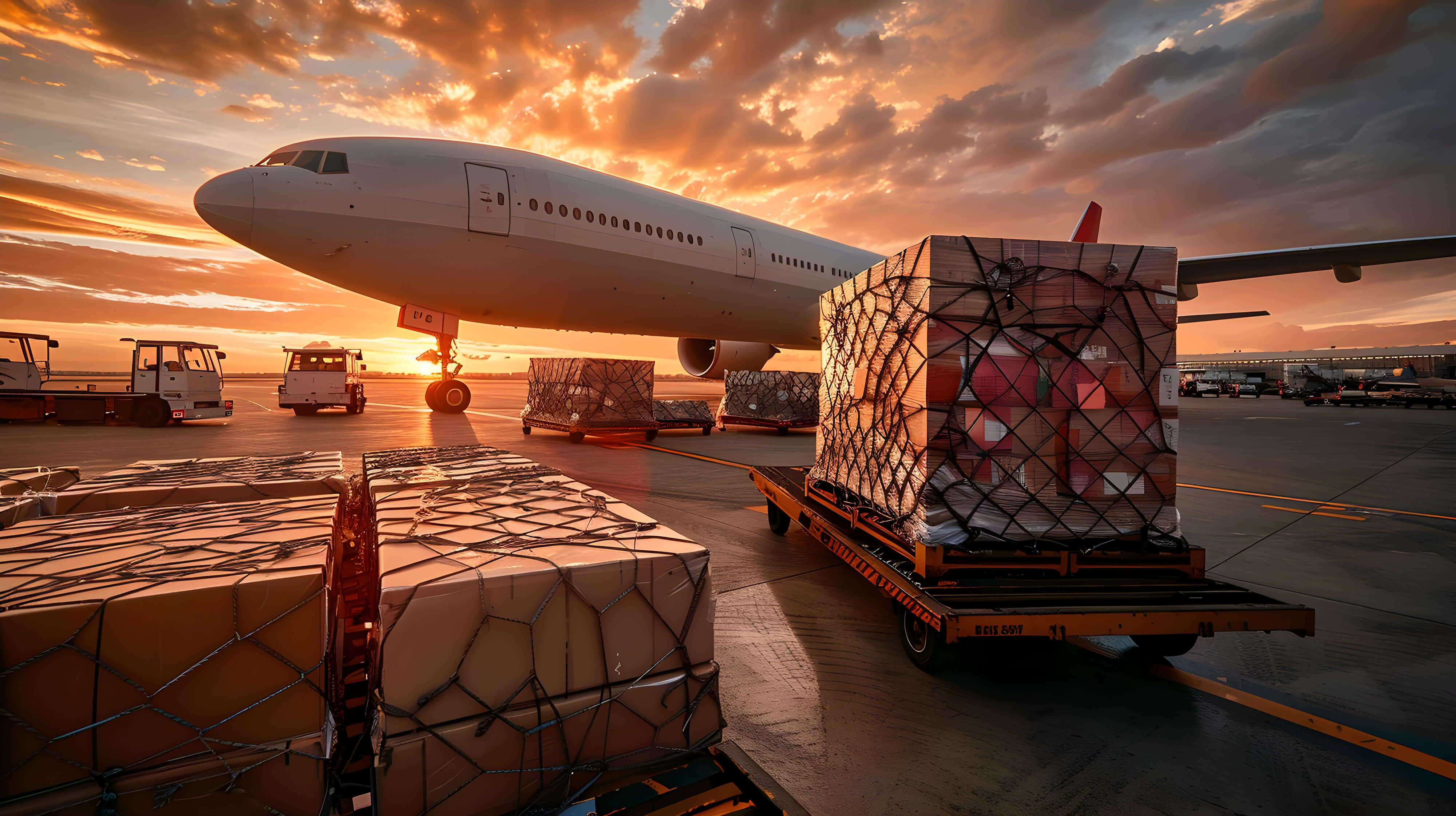
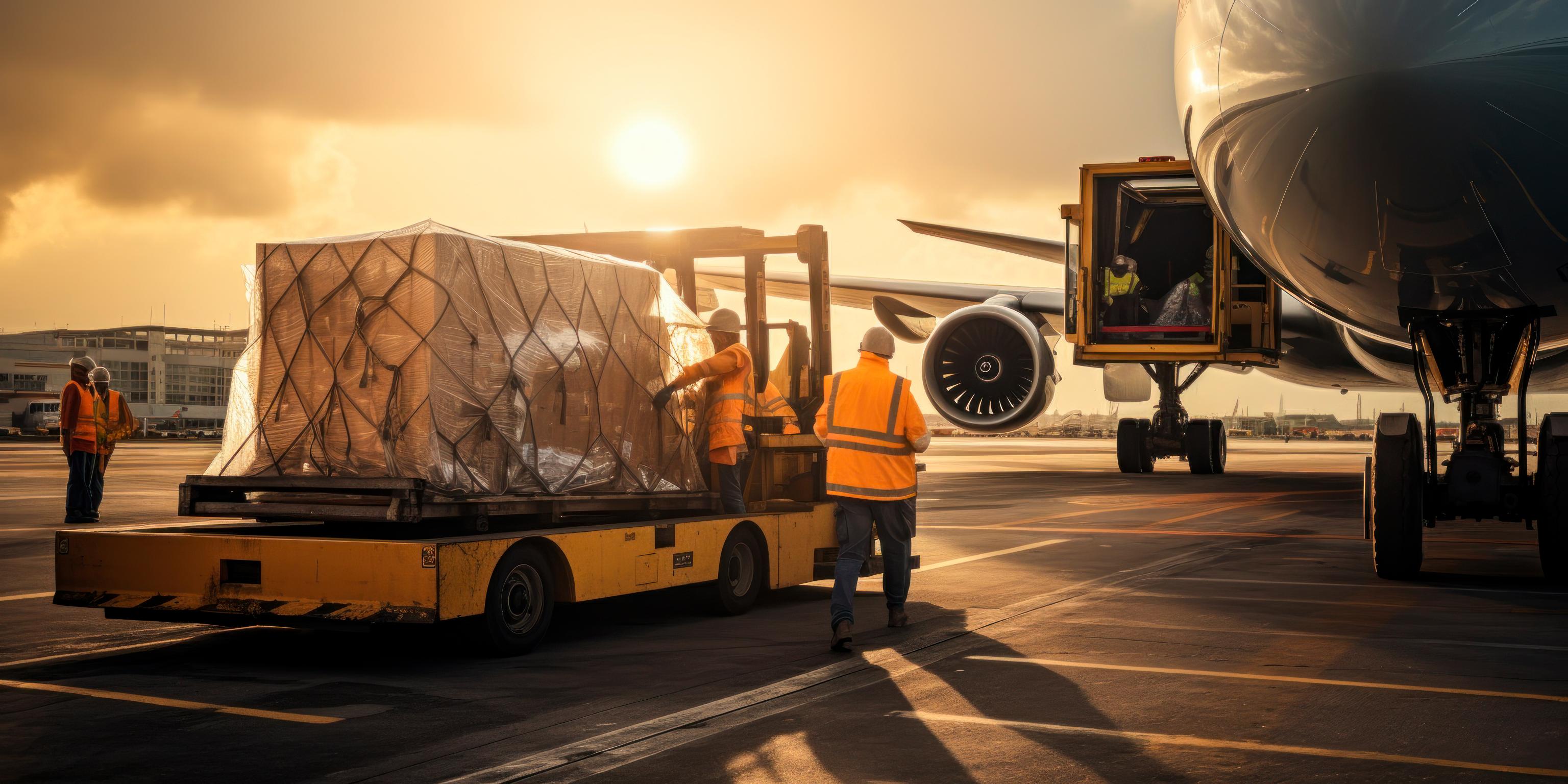
The logistics of air freight involve a coordinated effort between various entities. Shippers (the originators of the cargo) usually work with freight forwarders, who act as intermediaries. These forwarders book space with air carriers, manage documentation, and often arrange for "last-mile" delivery via trucking. Ground handling agents at airports facilitate the physical loading and unloading of Unit Load Devices (ULDs)—the specialized containers and pallets used in aviation.
Unlike sea or rail transport, air freight is governed by strict safety and weight limitations. Every kilogram and cubic centimeter on an aircraft is premium real estate. Consequently, the industry utilizes standardized procedures set by the International Air Transport Association (IATA) to maintain safety and efficiency. These standards cover everything from the way lithium batteries are packaged to the digital formats used for messaging between stakeholders.
Primary Types of Air Freight Services
Depending on the urgency, budget, and nature of the cargo, businesses choose from several distinct service levels. Each serves a specific market need and involves different operational workflows.
General Cargo and Consolidated Shipping
General cargo refers to items that do not require special handling, such as textiles, hardware, or electronics. Most general cargo is "consolidated." In this model, a freight forwarder combines smaller shipments from multiple customers into a single large shipment to fill a ULD. This allows smaller businesses to benefit from the lower rates associated with high-volume shipping.
Special Cargo: Perishables, Dangerous Goods, and High-Value Items
Special cargo requires specific conditions, specialized packaging, or heightened security.
- Perishables: This includes fresh produce, seafood, and flowers. These shipments rely on "cold chain" logistics, utilizing temperature-controlled ULDs and specialized airport storage facilities.
- Dangerous Goods (DG): Items such as chemicals, gases, and flammable liquids are strictly regulated. Shippers must adhere to the IATA Dangerous Goods Regulations (DGR) to ensure items do not pose a risk to the aircraft or crew.
- Pharmaceuticals: In 2026, the transport of biologics and vaccines remains a high-priority segment, often requiring end-to-end temperature monitoring and rapid customs clearance.
Express and Charter Services
Express air freight is typically handled by integrated carriers (integrators) who own their entire fleet and ground network. This service is designed for door-to-door delivery with guaranteed timeframes. Air charter, conversely, involves hiring an entire aircraft. This is usually reserved for oversized industrial equipment, emergency humanitarian aid, or massive product launches where scheduled flights lack the necessary capacity.
The Air Freight Cost Structure: Gross vs. Volumetric Weight
One of the most complex aspects for new shippers is understanding how air freight is priced. Airlines use a concept called "chargeable weight" to ensure they are compensated for both the weight and the space a shipment occupies.
Calculating Chargeable Weight
Airlines compare the actual gross weight of the shipment against its volumetric (or dimensional) weight. The greater of the two becomes the chargeable weight. In 2026, the standard volumetric factor for most international air freight remains 1:6000 (though some express carriers use 1:5000).
To calculate volumetric weight in kilograms:
- Measure the Length, Width, and Height of the package in centimeters.
- Multiply these dimensions (L x W x H) to find the volume in cubic centimeters.
- Divide the total volume by 6,000.
For example, a large box of pillows might weigh only 10kg (gross weight) but have dimensions of 100cm x 100cm x 60cm. The volumetric weight would be (600,000 / 6,000) = 100kg. In this case, the shipper is billed for 100kg, not 10kg.
Surcharges and Ancillary Fees
Beyond the base rate per kilogram, several surcharges typically apply:
- Fuel Surcharge (FSC): Adjusted periodically based on global oil and sustainable aviation fuel (SAF) prices.
- Security Surcharge (SSC): Covers the cost of mandatory X-ray screening and explosive trace detection.
- War Risk Surcharge: Applicable when flying over or into geologically unstable regions.
- Terminal Handling Charges (THC): Fees paid to the ground handling agent for moving cargo at the airport.
Key Documentation and Regulatory Requirements
Compliance is the cornerstone of air freight. Missing or incorrect paperwork can lead to significant delays, fines, or the seizure of goods by customs authorities.
- Air Waybill (AWB): This is the most important document. It serves as a contract of carriage between the shipper and the carrier, a receipt for the goods, and a guide for handling and delivery. Unlike a Bill of Lading in ocean freight, an AWB is non-negotiable.
- Commercial Invoice: This provides the value of the goods, which customs officials use to assess duties and taxes. It must include the Harmonized System (HS) code for accurate classification.
- Packing List: A detailed breakdown of the contents, dimensions, and weight of each package within the shipment.
- Certificate of Origin: A document certifying the country where the goods were manufactured, often required to claim benefits under free trade agreements.
- Shipper’s Letter of Instruction (SLI): A letter from the exporter to the freight forwarder providing specific instructions on how the shipment should be handled and where it should be sent.
In 2026, many of these processes are handled through the "e-AWB," a digital standard that eliminates the need for paper documents, reducing errors and accelerating the data flow between airlines and customs.
Comparing Air Freight to Other Modes of Transport
Choosing between air, sea, rail, or road depends on a balance of cost, speed, and the nature of the goods. The following table provides a comparison based on standard 2026 logistics metrics.
| Feature | Air Freight | Ocean Freight | Rail Freight (Intercontinental) |
|---|---|---|---|
| Speed | 1–5 Days | 20–45 Days | 12–20 Days |
| Cost | Highest | Lowest | Moderate |
| Reliability | Very High (Strict schedules) | Moderate (Port congestion) | High |
| Carbon Footprint | High (Improving with SAF) | Lowest per ton/km | Low |
| Best For | High-value, urgent, perishables | Bulk goods, non-urgent inventory | Mid-value goods, e-commerce |
| Security | Highest (Strict airport control) | Moderate | Moderate |
Technological and Sustainability Trends in 2026
The air freight landscape in 2026 is significantly influenced by two major factors: digitalization and the push for net-zero emissions.
Sustainable Aviation Fuel (SAF) and Decarbonization
Under the International Civil Aviation Organization (ICAO) framework, airlines are increasingly integrating SAF into their operations. While SAF is more expensive than traditional kerosene, many corporate shippers now opt for "book-and-claim" systems where they pay a premium to ensure their cargo is attributed to SAF-powered flights to meet their internal ESG (Environmental, Social, and Governance) goals.
Artificial Intelligence and Real-Time Tracking
The "black hole" of cargo visibility has largely been solved by 2026. IoT (Internet of Things) sensors are now frequently embedded in ULDs or individual high-value pallets. These sensors provide real-time data on location, temperature, humidity, and even shock. AI-driven platforms analyze this data to predict potential delays due to weather or airport congestion, allowing forwarders to reroute shipments proactively.
Autonomous Cargo Drones
While long-haul air freight still relies on massive Boeing 777Fs and Airbus A350Fs, the "middle mile" has seen an uptick in autonomous cargo drones. These are used primarily for regional hops between smaller hubs or to deliver essential supplies to remote areas, bypassing traditional road congestion.
Common Mistakes to Avoid in Air Freight
Navigating the complexities of air cargo requires attention to detail. Even experienced shippers can encounter pitfalls that lead to increased costs.
- Inaccurate Dimension Reporting: As discussed in the weight section, even a few centimeters can change the chargeable weight. Always measure the outermost points of the pallet, including any overhang or wrapping.
- Inadequate Packaging: Air cargo undergoes significant stress during takeoff, landing, and turbulence. Using subpar pallets or insufficient cushioning can lead to damage. Furthermore, aircraft holds have height restrictions; exceeding these may require the shipment to be broken down, incurring labor fees.
- Mislabeling Dangerous Goods: Incorrectly labeling lithium batteries or perfumes (which contain alcohol) is a serious safety violation. It can result in heavy fines and the blacklisting of the shipper by the airline.
- Ignoring Incoterms: International Commercial Terms (Incoterms) define who is responsible for costs and risks at each stage of the journey. Failing to clearly define these in the contract can lead to disputes over who pays for local terminal fees or customs duties.
How do I track my air freight shipment?
Most air freight can be tracked using the 11-digit Air Waybill (AWB) number. The first three digits identify the airline (e.g., 020 for Lufthansa, 160 for Cathay Pacific), and the remaining eight digits are the unique shipment identifier. You can enter this number on the carrier’s website or a consolidated tracking portal.
Why is air freight more expensive than ocean freight?
The high cost is due to the operational expenses of aircraft, including fuel consumption, maintenance, and flight crew salaries. Additionally, aircraft have much lower volume capacity than container ships; a large freighter might carry 100 tons, whereas a modern container ship can carry over 200,000 tons.
What are the weight and size limits for air freight?
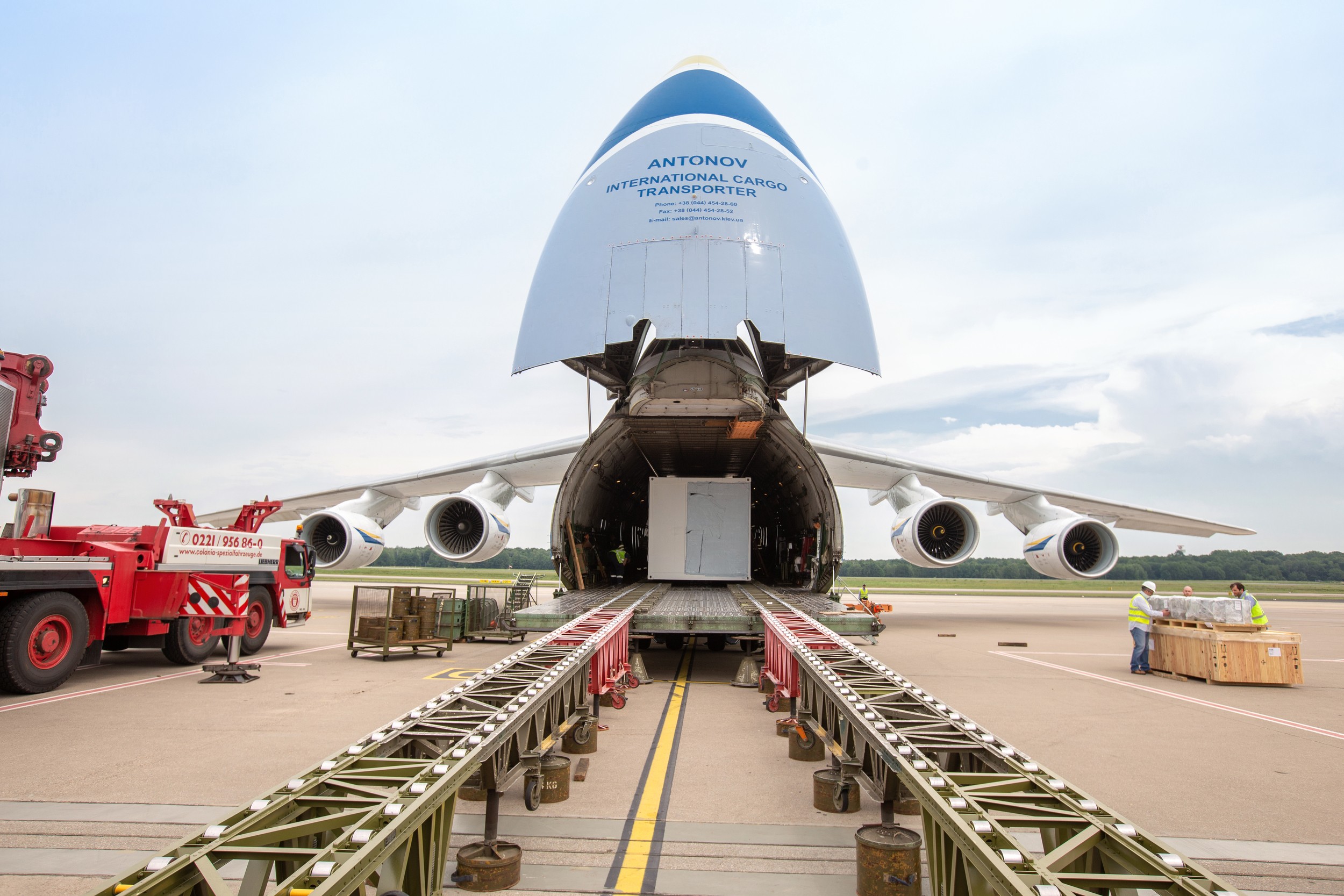
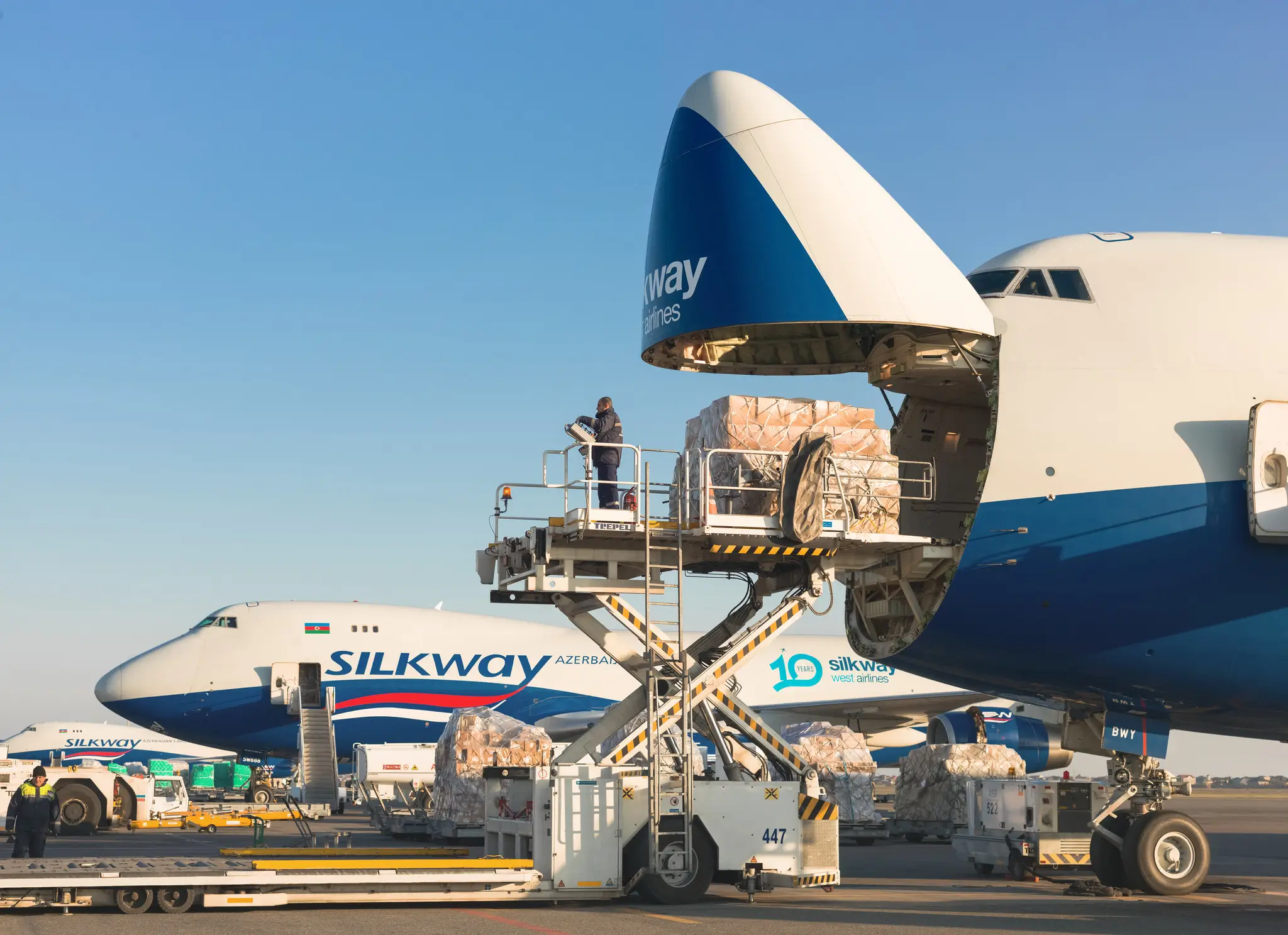
Limits depend on the aircraft type. Narrow-body passenger planes have small holds with height limits of around 80–110 cm. Large "nose-loading" freighters can accommodate oversized cargo up to 12 meters in length and 3 meters in height. Always check with your forwarder if your cargo is "out-of-gauge."
Can I ship liquids or batteries via air freight?
Yes, but they are classified as Dangerous Goods (DG). They must be packaged, labeled, and documented according to IATA DGR standards. Some items are prohibited on passenger aircraft and must be flown on "Cargo Aircraft Only" (CAO) flights.
How is air freight insurance calculated?
Insurance is usually based on the "Declared Value for Carriage." It is highly recommended because carrier liability under international conventions (like the Montreal Convention) is often limited to a specific amount per kilogram, which may be far less than the actual value of your goods.
Selecting an Air Freight Partner
To ensure a smooth shipping experience, businesses should evaluate potential freight forwarders based on their network and specialization. A forwarder with strong relationships at major hubs like Hong Kong (HKG), Memphis (MEM), or Dubai (DWC) can often secure space during peak seasons when capacity is tight.
Verify that your partner is IATA-certified and, if shipping sensitive items, holds relevant certifications such as CEIV Pharma. In the 2026 market, prioritize providers who offer transparent digital platforms for real-time quoting and tracking. Your next step should be to conduct a "landed cost" analysis, comparing the speed benefits of air freight against the total cost of transport, including duties and insurance, to determine if air is the most viable path for your specific inventory.