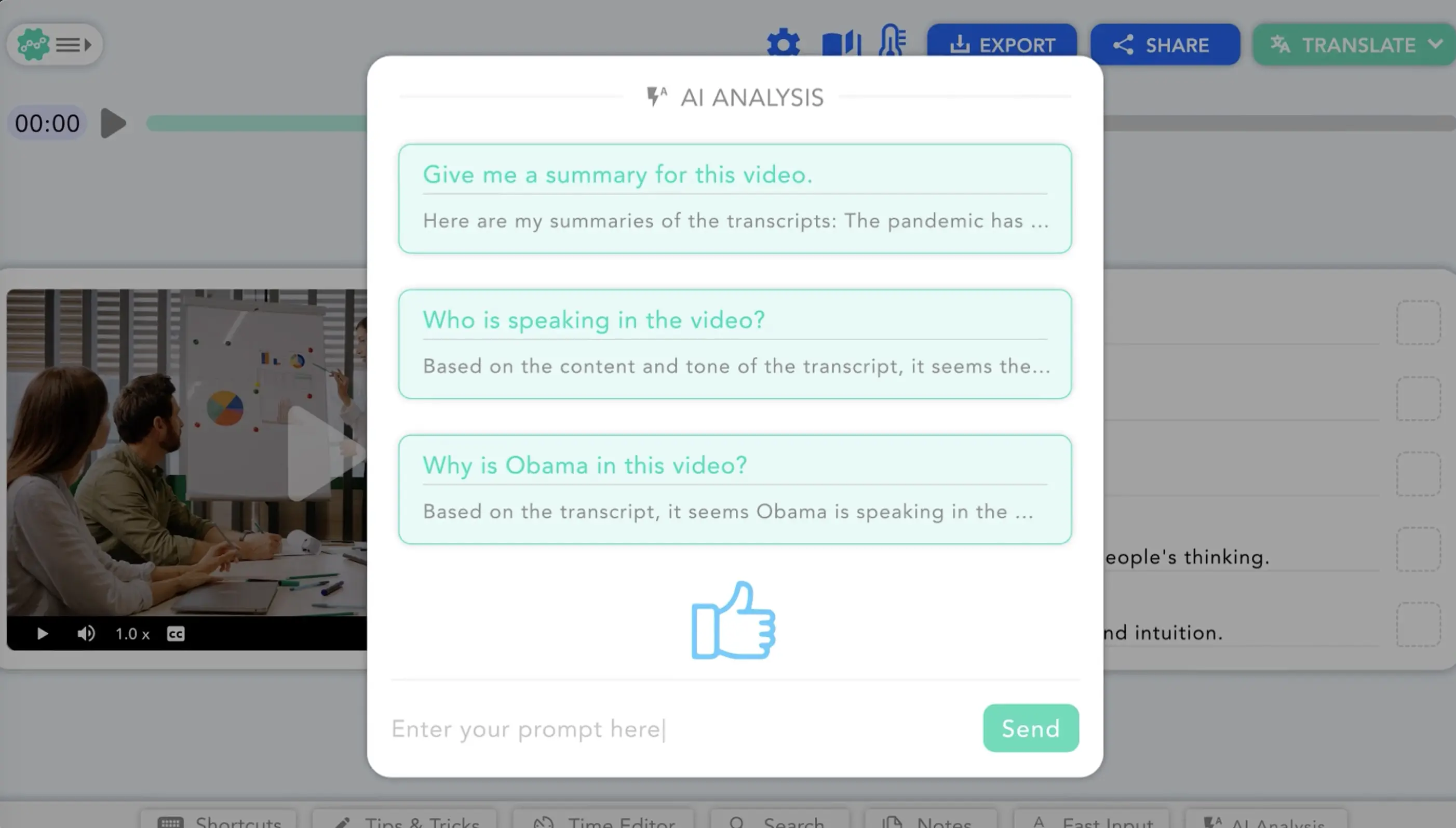
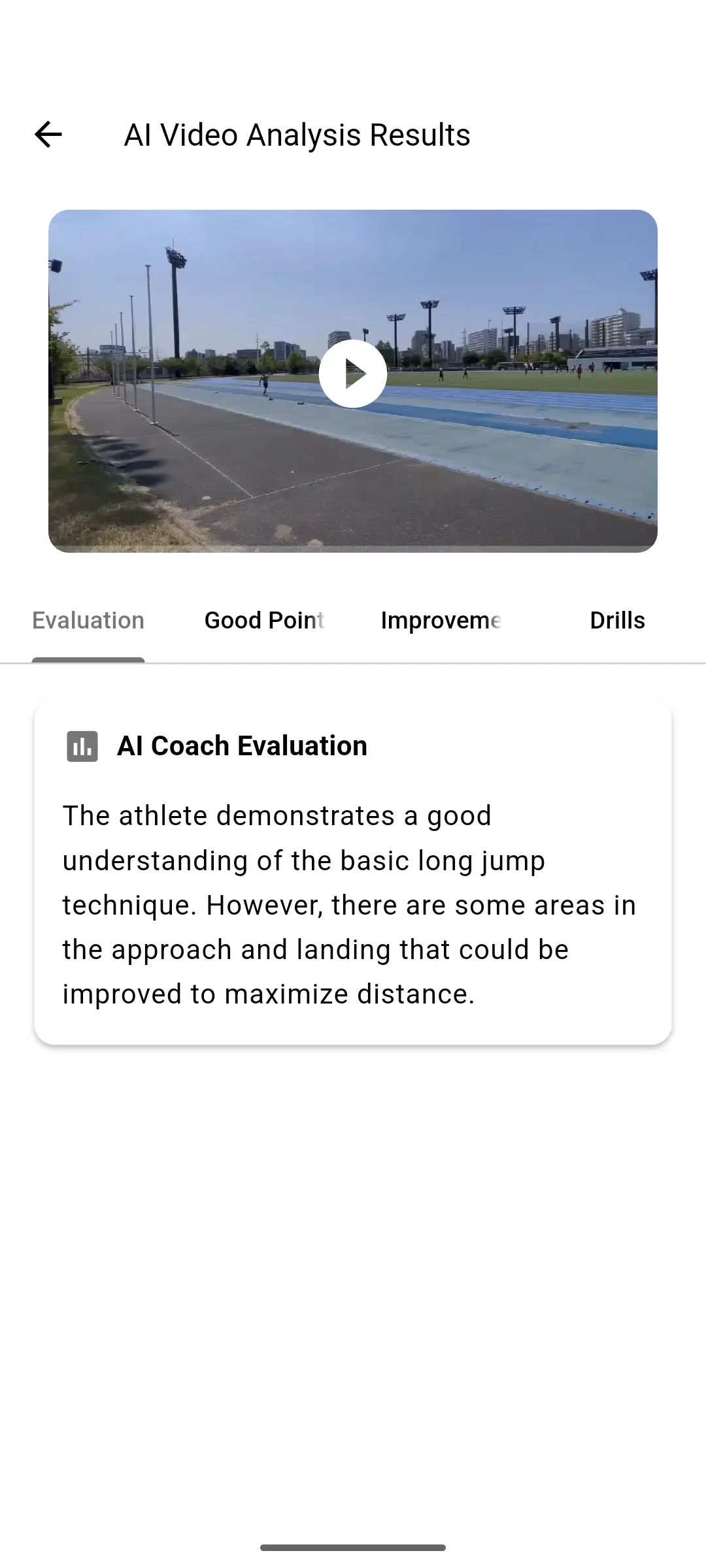
AI video analysis automates the extraction of actionable insights from digital footage by combining machine learning, computer vision, and neural networks to recognize patterns, track movements, and interpret complex visual contexts without manual intervention.
The proliferation of digital cameras, security systems, and content generation platforms has created an overwhelming volume of visual data. Historically, extracting actionable intelligence from this footage required manual review, a labor-intensive and error-prone process. Today, artificial intelligence has transformed visual data processing, turning passive recordings into searchable, structured, and analytically rich datasets. This technological shift impacts multiple industries, redefining operational efficiency, safety protocols, and consumer experiences.
The Core Technologies Driving Video Intelligence
Modern video analysis relies on a sophisticated stack of deep learning architectures and computer vision algorithms. At the foundational level, convolutional neural networks (CNNs) process individual spatial frames, identifying static elements such as objects, text, and facial features. To capture temporal dynamics—the movement of subjects over time—systems integrate recurrent neural networks (RNNs) or 3D CNNs. These architectures enable models to understand not just what is in a single frame, but how objects interact, change speed, and alter trajectories across a sequence.
Object detection and tracking form the backbone of most analytical pipelines. Bounding box algorithms locate items within a frame, while multi-object tracking (MOT) algorithms assign persistent identification numbers to subjects as they move across camera angles or experience temporary occlusion. Instance segmentation takes this a step further by outlining the exact pixel boundaries of objects, allowing for precise measurements of shape, size, and deformation.
Key Industry Applications and Use Cases
Different sectors leverage computer vision to solve specific operational challenges. In retail environments, systems analyze customer foot traffic, dwell times, and queue lengths to optimize store layouts and staffing levels. Heatmapping features highlight high-engagement zones, while demographic estimation tools help marketers understand audience composition without compromising individual privacy.
In the security and surveillance domain, automated threat detection models monitor feeds for unauthorized access, abandoned packages, or erratic behavior patterns. Instead of requiring human operators to watch dozens of monitors simultaneously, systems trigger automated alerts only when predetermined behavioral thresholds or anomalies are detected.
Manufacturing and industrial sectors deploy visual intelligence for automated quality control and predictive maintenance. High-speed cameras capture assembly line processes, allowing machine learning models to detect micro-defects, misalignments, or structural anomalies at speeds impossible for human inspectors. Furthermore, monitoring thermal and mechanical stress on heavy machinery helps facility managers predict component failures before they cause operational downtime.
Technical Architecture and Deployment Options
Deploying a visual intelligence pipeline requires careful consideration of hardware infrastructure, bandwidth constraints, and latency requirements. Organizations must choose between edge computing and cloud-based processing, or implement a hybrid architecture that balances the strengths of both models.
Edge computing involves processing video feeds locally on hardware installed near the capture device, such as smart cameras or dedicated local NVR (Network Video Recorder) appliances. This approach minimizes latency, reduces bandwidth consumption by transmitting only metadata rather than raw video streams, and enhances privacy. However, edge devices are constrained by processing power, limiting the complexity of the neural networks they can execute locally.
Cloud computing, conversely, routes video streams to centralized server farms equipped with high-performance GPUs and TPUs. This infrastructure supports massive, highly complex models capable of deep behavioral analysis and multi-source correlation. The trade-off involves higher bandwidth costs, potential latency issues, and strict adherence to data privacy regulations regarding cloud data storage.
| Deployment Model | Primary Advantage | Primary Limitation | Ideal Use Case |
|---|---|---|---|
| Edge Processing | Low latency and reduced bandwidth requirements | Limited hardware processing capacity | Real-time security alerts and local access control |
| Cloud Processing | Access to massive GPU clusters for complex models | Higher latency and continuous bandwidth costs | Deep historical data mining and cross-camera analytics |
| Hybrid Architecture | Balances local immediacy with centralized depth | Higher initial integration and management complexity | Enterprise-wide multi-site retail and industrial monitoring |
Operational Challenges and Privacy Considerations
Despite its rapid advancement, implementing automated visual processing introduces significant technical and ethical challenges. Environmental factors such as lighting variations, weather conditions, lens obstructions, and low-resolution capture can severely degrade model accuracy, leading to false positives or missed detections. Ensuring model robustness requires diverse training datasets that account for real-world visual imperfections.
Privacy compliance represents a critical hurdle, particularly in jurisdictions governed by stringent regulations like the European Union's General Data Protection Regulation (GDPR) or various regional biometric privacy laws. Processing identifiable human faces or body shapes requires explicit consent or strict anonymization protocols. Developers must implement robust privacy-preserving techniques, such as automated face blurring, edge-based pseudonymization, and secure data governance frameworks, to prevent unauthorized surveillance and data misuse.
How to Evaluate and Select an Intelligence Platform
Organizations seeking to implement visual data processing must systematically evaluate software vendors and internal engineering requirements. Selecting the right platform involves assessing data compatibility, model customizability, scalability, and integration capabilities with existing enterprise software.
- Define Business Objectives: Establish specific key performance indicators, such as reducing incident response time, automating quality control metrics, or measuring retail conversion rates.
- Audit Infrastructure: Review existing camera hardware, network bandwidth limits, and storage capacities to determine whether edge devices or cloud infrastructure must be upgraded.
- Assess Model Accuracy: Request benchmark performance metrics on datasets similar to your operational environment, focusing on precision, recall, and processing latency.
- Verify Compliance: Ensure the platform adheres to relevant data protection standards, including encryption protocols, access controls, and data retention policies.
- Test Integration: Conduct a controlled pilot project to measure how seamlessly the platform integrates with existing video management systems (VMS) and alerting workflows.
Frequently Asked Questions
What hardware is required to run real-time video intelligence models?
Real-time processing typically demands dedicated hardware accelerators, such as Graphics Processing Units (GPUs) or Tensor Processing Units (TPUs). While lightweight models can run on specialized edge chips or modern CPU architectures, high-frame-rate, multi-channel analysis requires robust server-grade GPUs to maintain acceptable processing latency.
How does lighting and weather affect system accuracy?
Environmental factors directly influence pixel clarity and feature extraction. Extreme glare, heavy rain, snow, or total darkness can obscure objects and disrupt tracking algorithms. Modern systems mitigate these issues by incorporating infrared imaging, thermal sensors, and domain-adaptation training techniques that expose models to diverse weather scenarios.
Can legacy security cameras be upgraded with smart processing capabilities?
Yes, legacy analog or digital cameras can be upgraded by routing their video feeds through external edge appliances, network video recorders, or gateways equipped with machine learning chips. This approach avoids the high capital expense of replacing entire camera arrays while introducing advanced analytical functions.
How are data privacy regulations enforced in visual data platforms?
Regulatory compliance is maintained through privacy-by-design principles, which include automated redaction features like real-time facial blurring and license plate masking. Systems are often configured to process video streams in transient memory without storing raw personally identifiable information unless a specific security threshold or authorized event occurs.
What is the difference between object detection and facial recognition?
Object detection identifies and classifies a wide variety of entities within a frame, such as vehicles, animals, backpacks, or general human shapes, without identifying specific individuals. Facial recognition is a specialized sub-discipline focused explicitly on mapping facial geometry to verify or identify the specific identity of a person against a reference database.
How do systems handle moving cameras like PTZ units?
Pan-Tilt-Zoom (PTZ) cameras present a distinct challenge because camera movement alters the background coordinates of every frame. Specialized algorithms combine inertial sensor data or optical flow estimation to compensate for camera motion, allowing tracking models to maintain persistent identification of subjects even while the lens is actively moving.
Strategic Implementation and Future Direction
Implementing visual data intelligence requires an iterative approach, beginning with tightly defined pilot projects and scaling only after validation of accuracy and utility. Organizations must align technical capabilities with clear governance policies to balance operational gains against privacy obligations. As neural network architectures become more efficient, the boundary between edge capability and cloud depth will continue to blur, enabling broader adoption across diverse commercial and industrial sectors.