Artificial intelligence in toys transforms passive playthings into interactive, responsive companions capable of natural language processing, adaptive learning, and real-time sensory perception. These connected devices blend embedded microprocessors, cloud-based machine learning models, and computer vision to create personalized experiences, while simultaneously raising critical questions regarding data privacy, cybersecurity, and child development.
The Technical Evolution of Smart Playthings
The integration of artificial intelligence into the toy industry represents a significant shift from pre-programmed robotic responses to dynamic, context-aware interactions. Early electronic toys relied on rigid finite-state machines, executing fixed audio-visual loops triggered by physical buttons or simple sound sensors. Modern smart toys, by contrast, leverage edge computing and cloud connectivity to process complex inputs, allowing children to engage in open-ended conversations and experience adaptive gameplay that evolves over time.
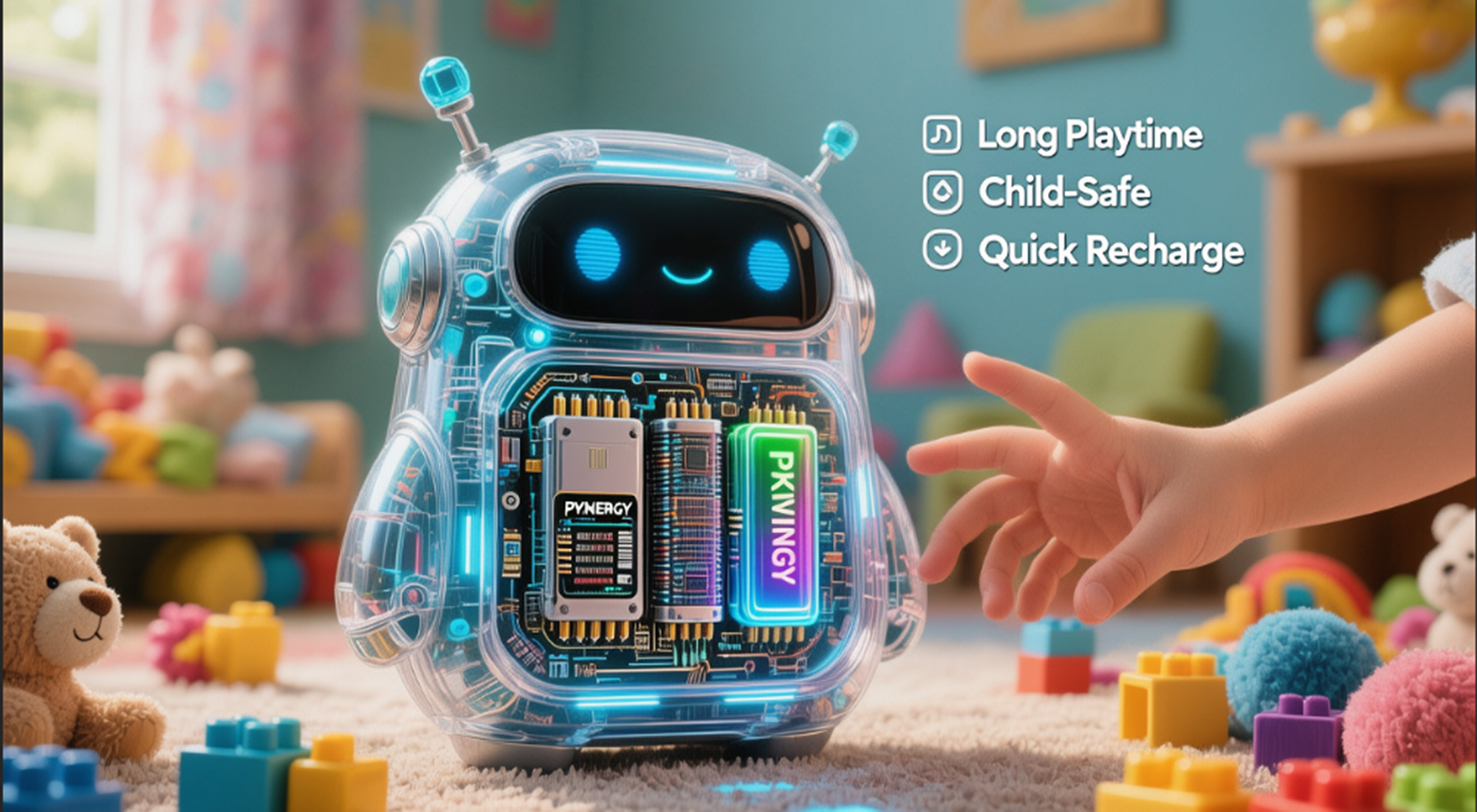
At the hardware level, contemporary AI toys incorporate miniaturized system-on-chip (SoC) architectures, high-sensitivity microphone arrays, specialized neural processing units (NPUs), and low-power Wi-Fi or Bluetooth modules. These components enable the toy to capture environmental audio and visual data, execute lightweight onboard algorithms for voice activation, or securely transmit encrypted data streams to remote servers for advanced natural language understanding. This hybrid architecture balances the need for immediate, latency-free feedback with the heavy computational requirements of generative AI and deep learning models.
The software layer often utilizes localized speech-to-text engines alongside sophisticated cloud-hosted large language models (LLMs) specifically fine-tuned for pediatric engagement. These models are engineered to maintain safe conversational boundaries, filter out inappropriate content, and tailor their vocabulary and tone to match the developmental stage of the user. Consequently, the toy functions not merely as an output device, but as an interactive agent that constructs a personalized narrative based on previous play sessions, user preferences, and behavioral cues.
Core Categories and Functional Capabilities
Artificial intelligence applications in the toy market generally span several distinct categories, each characterized by specific technical implementations and play methodologies. Understanding these categories helps parents, educators, and developers evaluate the functional depth and educational value of modern smart products.
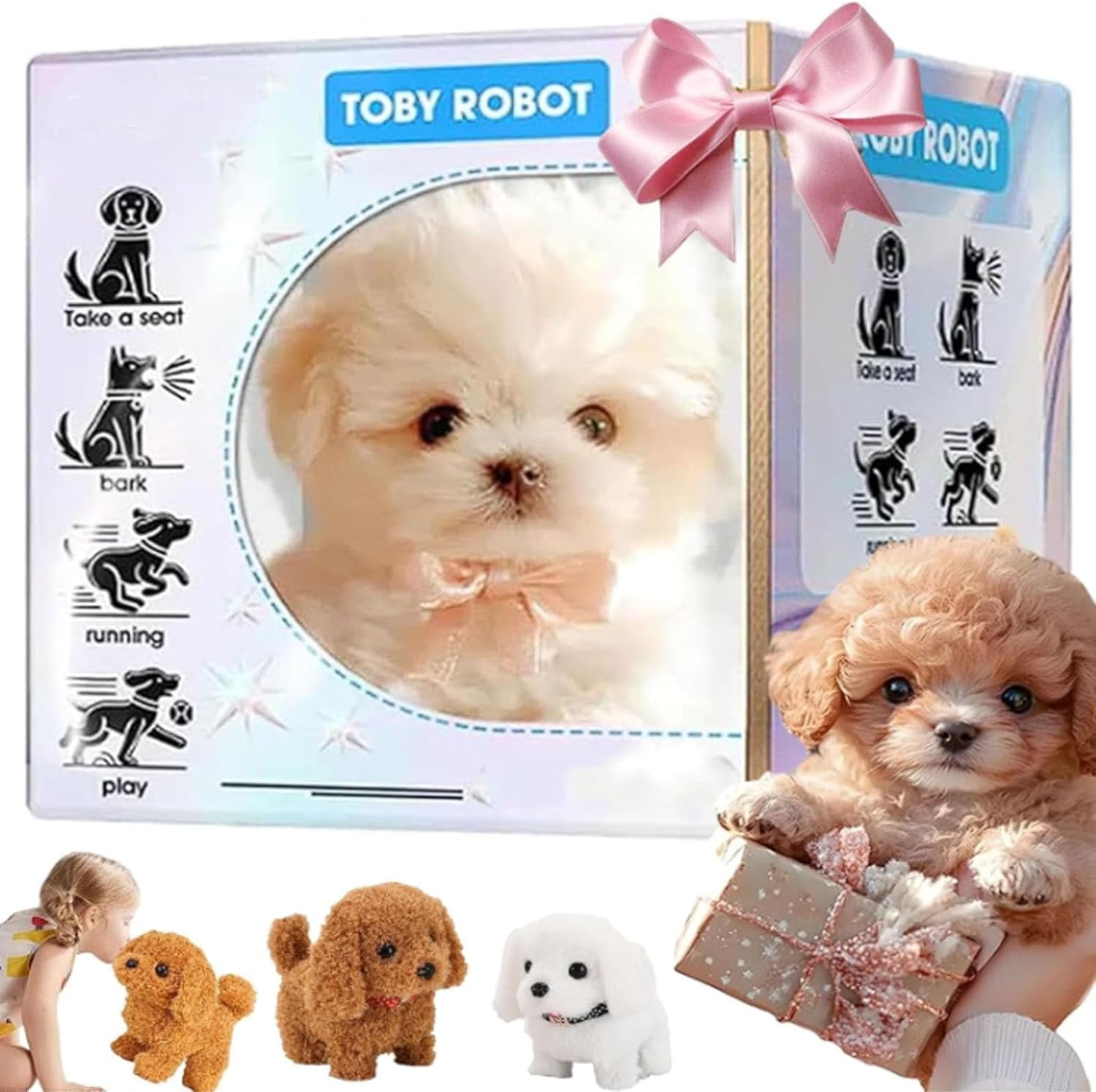
- Conversational Companions: Interactive plush toys and robotic figures that utilize natural language processing to hold bidirectional dialogues, tell dynamic stories, and respond emotionally to a child's verbal prompts.
- Adaptive Learning Robots: STEM-oriented kits and programmable droids that adjust their difficulty curves, coding challenges, and puzzle logic based on the user's demonstrated proficiency and past performance history.
- Computer Vision Play-Sets: Board games, building block systems, and action figures equipped with optical sensors or cameras that recognize physical pieces, track spatial coordinates, and alter digital or physical gameplay outcomes dynamically.
- Augmented Reality (AR) Hybrids: Physical toys that integrate with smartphone or tablet applications, using spatial mapping to project digital characters and interactive environments onto the child's immediate physical surroundings.
| Toy Category | Primary AI Technology | Core Interaction Model | Typical Data Requirement |
|---|---|---|---|
| Conversational Companions | Cloud LLMs, Voice Recognition | Spoken dialogue, emotional output | Continuous audio streaming |
| Adaptive Learning Robots | Reinforcement Learning, Onboard SoCs | Step-by-step logic puzzles, movement | Local telemetry, low cloud sync |
| Computer Vision Play-Sets | Object Recognition, Spatial Mapping | Physical-digital asset integration | Image capture, local processing |
| AR Hybrid Systems | Markerless Tracking, SLAM | Screen-mediated interactive overlays | Camera feed, spatial coordinates |
Data Privacy, Cybersecurity, and Regulatory Compliance
The inclusion of internet connectivity and ambient sensors in children's products introduces unique vulnerabilities regarding data collection, storage, and transmission. Smart toys frequently gather sensitive information, including voice recordings, biometric identifiers, conversational transcripts, and household spatial data. This reality has driven regulatory bodies and privacy advocates to enforce stringent compliance frameworks to protect minor consumers from commercial exploitation and malicious security breaches.
In the United States, the Children's Online Privacy Protection Act (COPPA) imposes strict requirements on operators of websites or online services directed to children under 13, mandating verifiable parental consent before collecting personal information. Similarly, the European Union's General Data Protection Regulation (GDPR) establishes heightened protections for minors, restricting profiling and automated decision-making involving children's data. Toy manufacturers must implement robust technical safeguards, such as end-to-end encryption for data in transit, secure hashing for data at rest, and zero-retention policies for raw audio logs, to comply with these legal mandates.
Security vulnerabilities in connected toys often stem from weak authentication protocols, unencrypted local storage, or default administrative credentials. Cybersecurity researchers have previously demonstrated proof-of-concept exploits where unsecured Bluetooth or Wi-Fi interfaces allowed unauthorized third parties to intercept audio streams or communicate directly with children through the toy's speaker system. Addressing these risks requires manufacturers to adopt secure software development life cycles (SSDLC), perform routine penetration testing, and provide transparent over-the-air firmware updates to patch newly discovered vulnerabilities throughout the product's lifecycle.
Evaluating Educational Value Versus Commercial Distraction
As the market expands, educators and developmental psychologists continue to analyze the cognitive trade-offs associated with artificial intelligence in play. Proponents argue that well-designed AI toys foster critical thinking, language acquisition, and computational literacy by offering personalized scaffolding that adapts to an individual child's pace. For instance, an adaptive coding robot can introduce algorithmic concepts incrementally, providing tailored hints that encourage problem-solving without inducing frustration.
Conversely, critics express concern over the potential displacement of imaginative, self-directed play by algorithmic stimulation. When a toy dictates the narrative trajectory or provides constant, automated validation, it may diminish a child's capacity for independent creativity and symbolic thought. Furthermore, commercially driven AI toys frequently incorporate algorithmic nudges designed to encourage extended screen time or upsell additional digital content, raising ethical concerns regarding commercial influence over minor audiences.
Balancing these competing factors involves critical evaluation by purchasers, who must distinguish between superficial novelty features and genuinely enriching interactive experiences. Effective smart toys prioritize open-ended exploration, allowing the child to remain the primary driver of the play narrative while utilizing technology to support, rather than dictate, the learning process.
Selecting and Managing Smart Playthings Safely
For consumers navigating the marketplace, selecting an appropriate AI-enabled toy requires careful examination of technical specifications, privacy policies, and operational controls. Implementing best practices during setup and ongoing use helps mitigate privacy risks while maximizing the constructive utility of the device.
- Review the Privacy Policy: Examine how the manufacturer collects, stores, and shares data. Verify whether audio recordings are permanently stored on cloud servers or processed ephemerally and deleted immediately.
- Inspect Network Security: Connect the toy to a dedicated, isolated guest Wi-Fi network if the router permits, limiting potential lateral access to other sensitive household devices and personal computers.
- Configure Parental Controls: Utilize companion smartphone applications to establish usage time limits, disable microphone or camera functions when not actively in use, and restrict external cloud communication where possible.
- Perform Regular Updates: Enable automatic firmware updates or check the manufacturer's portal periodically to ensure critical security patches are installed promptly.
- Monitor Interaction Quality: Observe how the child interacts with the device, ensuring the toy complements rather than replaces unstructured physical play and human socialization.
Frequently Asked Questions
Do smart AI toys record conversations continuously?
Most AI toys do not record continuously; instead, they operate on a local hardware trigger word or physical button press. Once activated, the device captures the immediate voice prompt and transmits it to the cloud for processing, though users should review individual privacy disclosures to confirm whether passive ambient listening features are enabled.
Are children's voice recordings sold to third-party advertisers?
Under major privacy laws such as COPPA and GDPR, collecting and monetizing children's personal data for targeted advertising without verifiable parental consent is illegal. Reputable toy manufacturers explicitly prohibit the commercial sale of voice data, utilizing collected metrics solely for speech recognition improvement and core functionality.
Can AI toys operate completely offline without an internet connection?
Some AI toys utilize edge computing with onboard processors to handle basic voice commands and localized logic without internet access. However, advanced conversational capabilities powered by large language models typically require an active cloud connection to process complex natural language queries.
What security risks are most common in connected playthings?
Common vulnerabilities include unencrypted Bluetooth or Wi-Fi communication channels, weak default passwords, lack of secure boot processes, and insecure cloud API endpoints that could potentially allow unauthorized access to device controls or user telemetry data.
How do adaptive learning toys measure a child's progress?
Adaptive toys track performance metrics such as response times, error rates, and completion sequences during gameplay. The onboard software or cloud algorithm analyzes these metrics to dynamically adjust difficulty parameters, presenting more advanced challenges as competency increases.
Ensuring Responsible Integration in Modern Play
Successfully incorporating artificial intelligence into play environments requires a collaborative commitment from manufacturers, regulators, and consumers to prioritize child safety, data transparency, and developmental suitability. By demanding rigorous security standards, exercising diligent privacy hygiene, and maintaining a balanced approach to screen-based interactivity, caregivers can harness the genuine computational benefits of smart toys while safeguarding children's digital well-being.