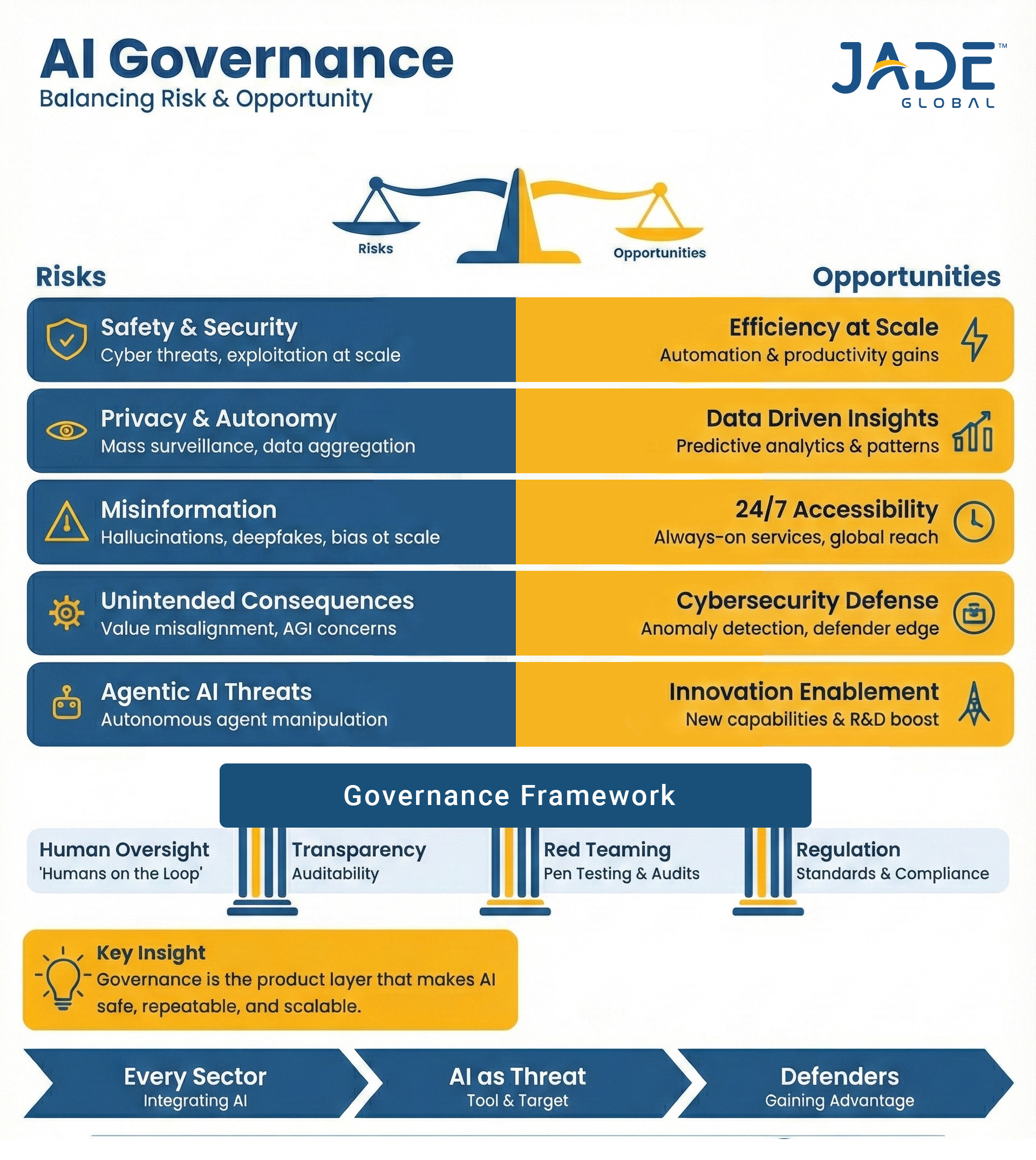
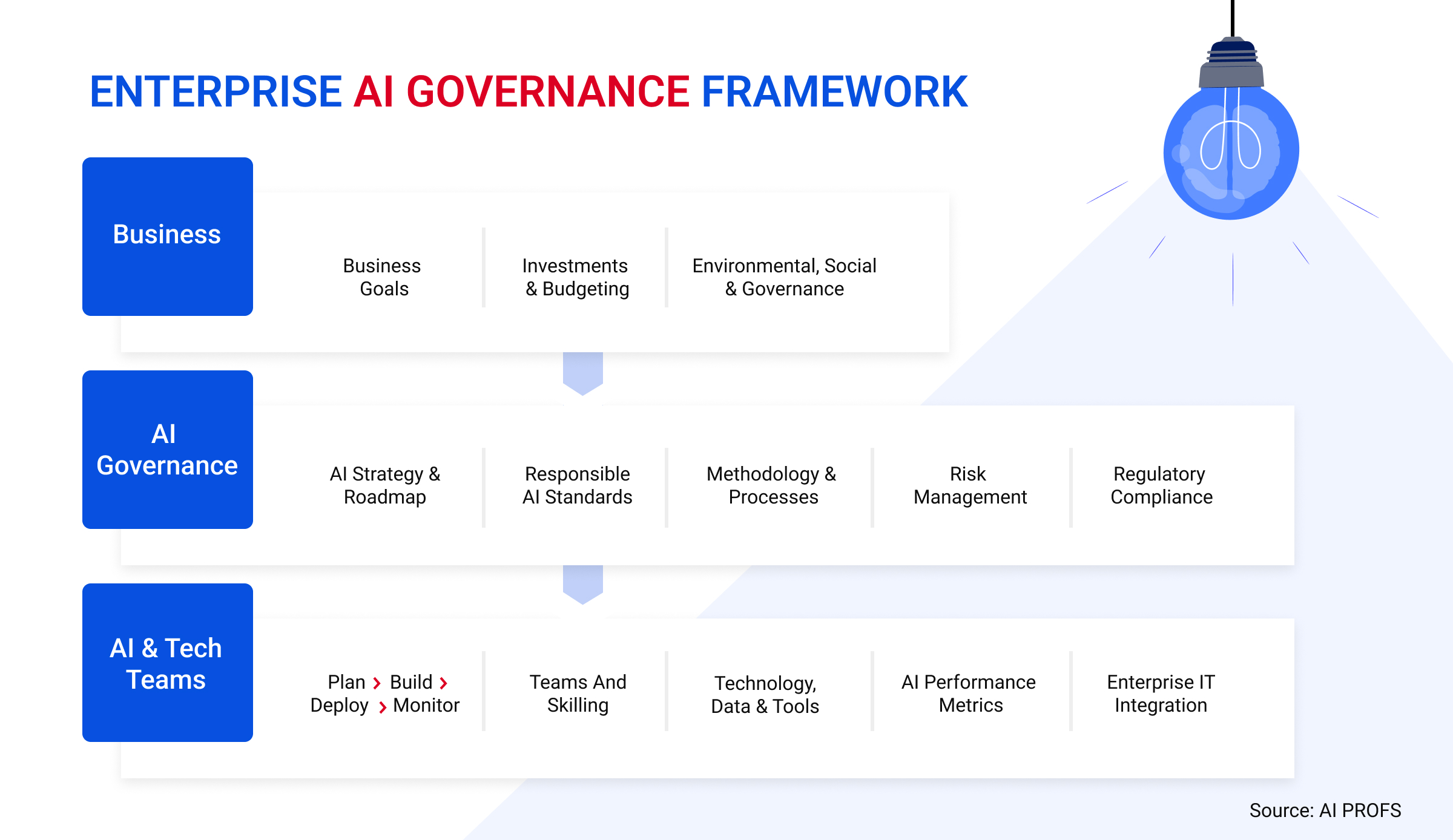
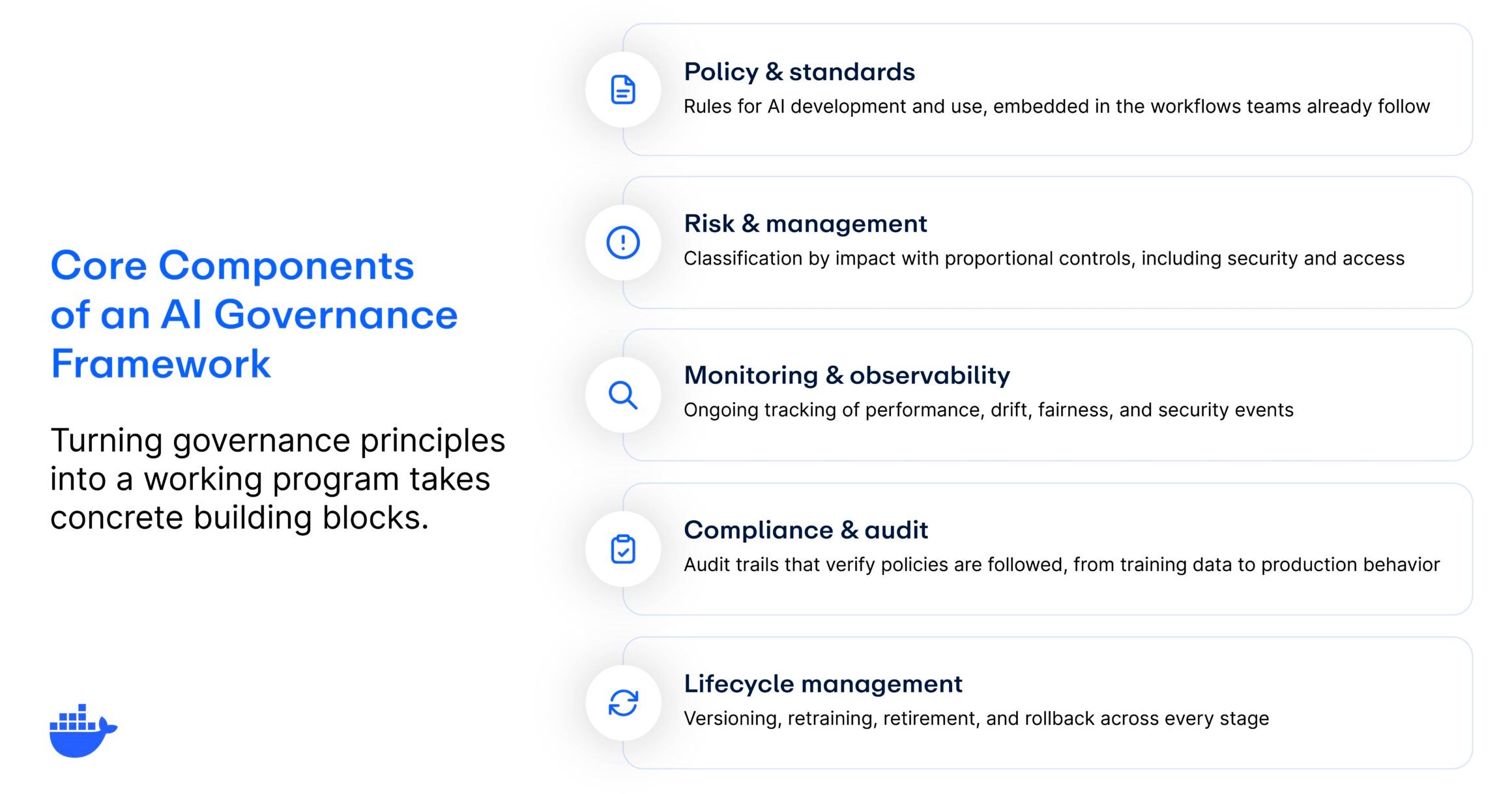
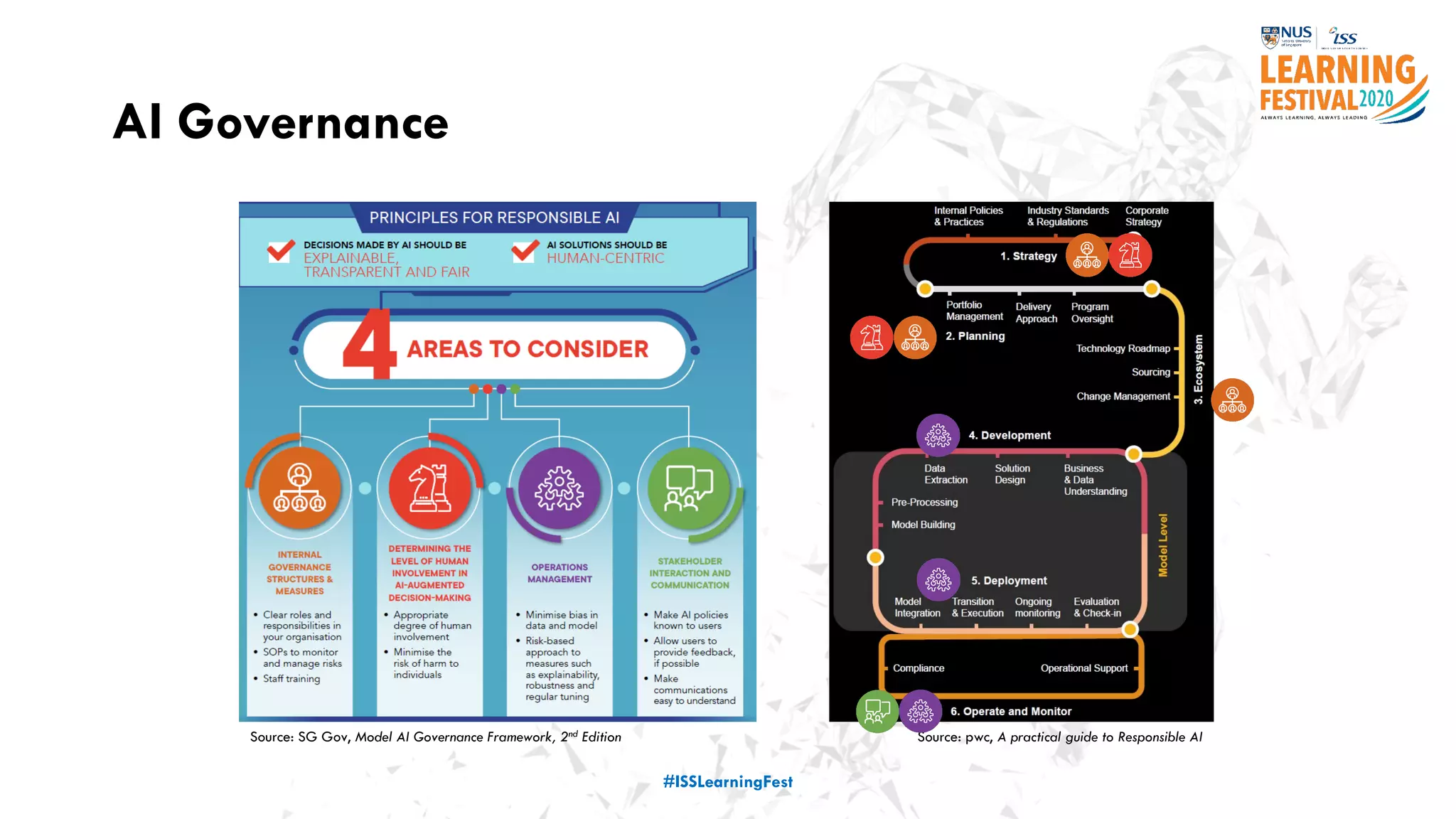
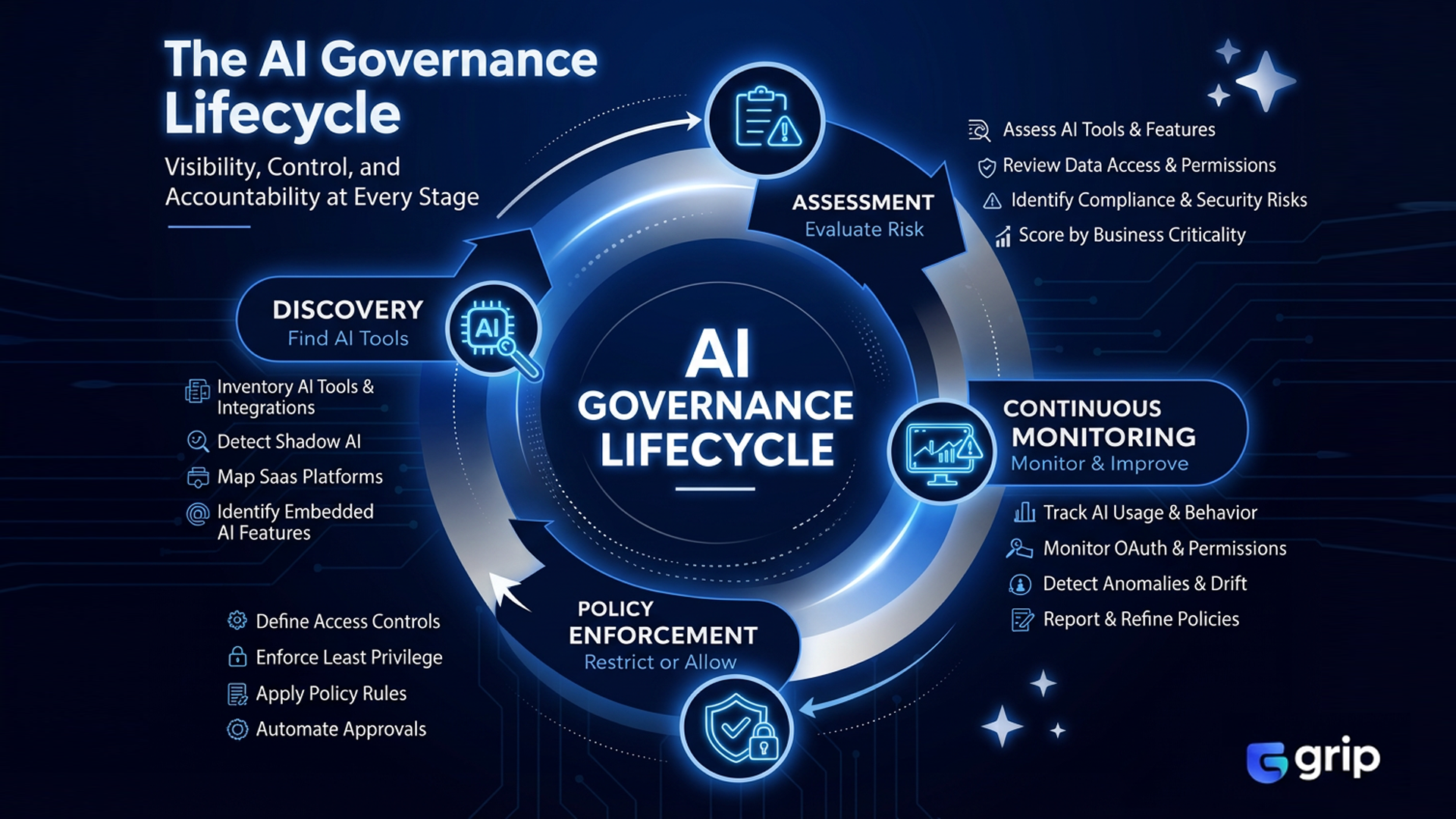
AI governance provides the structural framework, policies, and accountability mechanisms necessary to direct organizational artificial intelligence deployment safely, ethically, and in alignment with legal standards. By establishing rigorous oversight protocols, businesses can systematically mitigate algorithmic bias, data privacy risks, and operational vulnerabilities before they impact stakeholders.
Organizations face mounting pressures to implement robust oversight systems as regulatory frameworks evolve globally. Effective governance establishes clear lines of responsibility, standardized documentation procedures, and continuous monitoring protocols that bridge the gap between high-level ethical principles and technical execution. Whether an enterprise is deploying proprietary machine learning models or integrating third-party generative solutions, a well-defined governance structure prevents costly compliance failures and preserves institutional trust.
Core Pillars of an Effective Framework
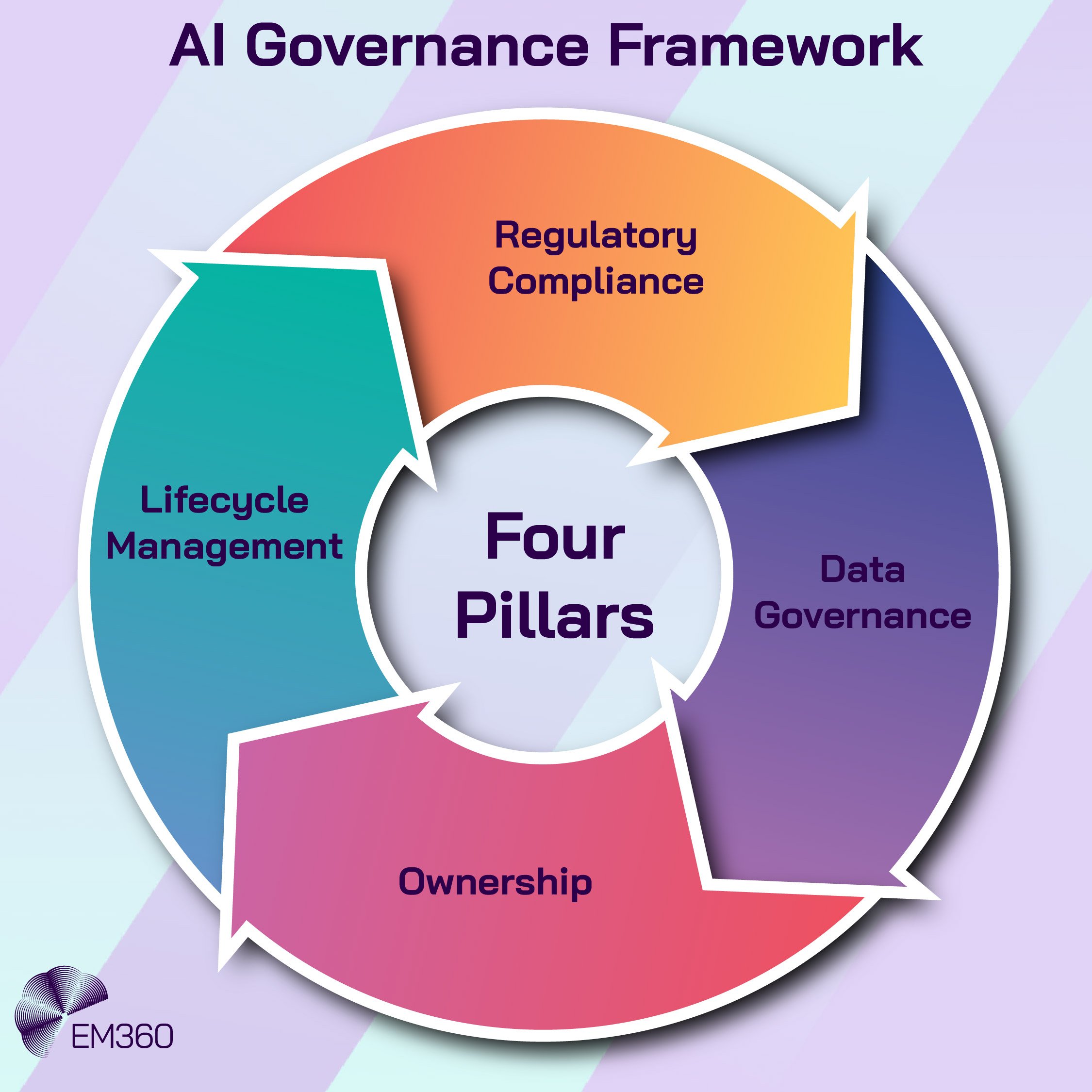
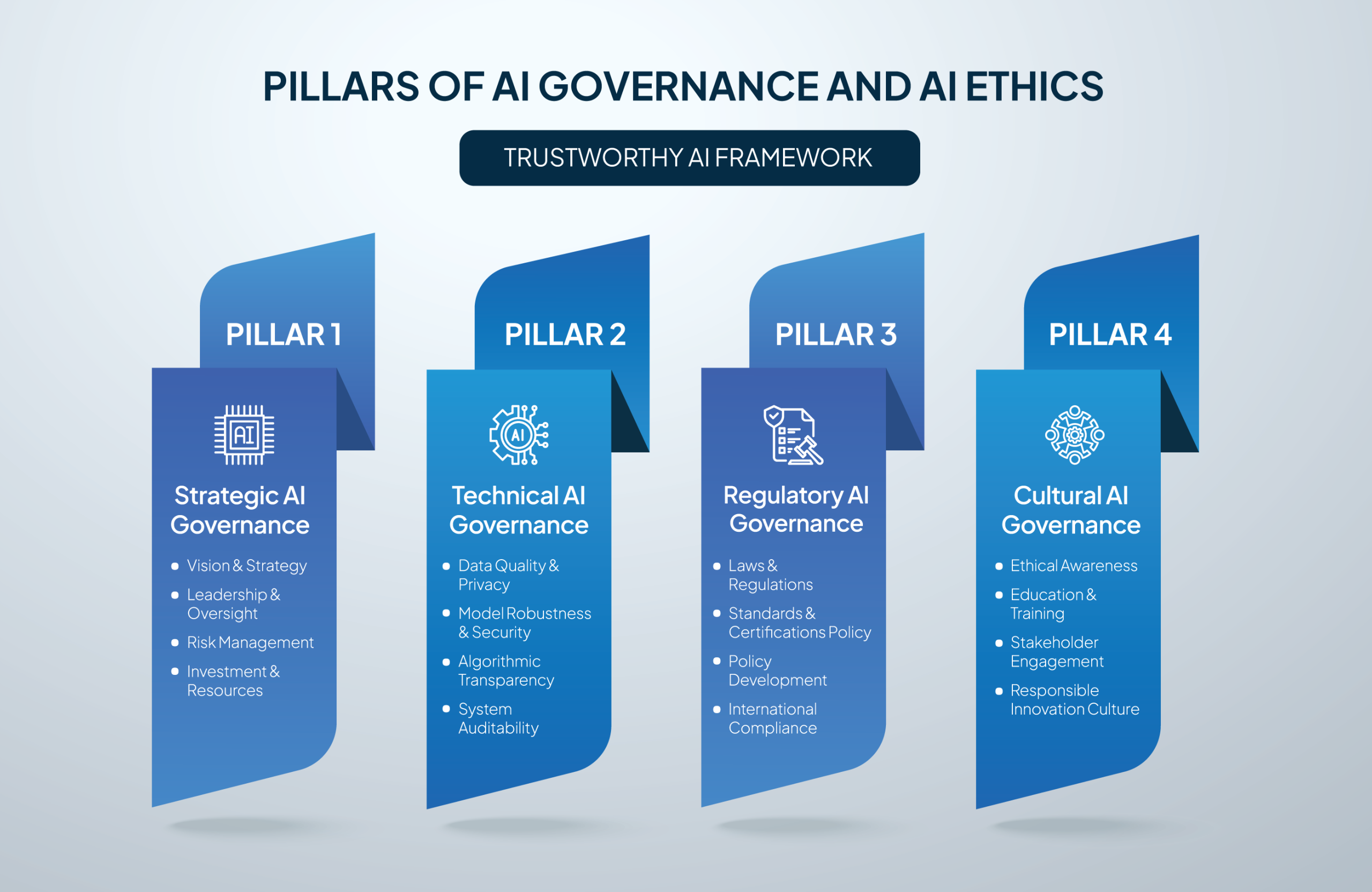
Establishing a comprehensive oversight structure requires building upon several foundational pillars that address the unique risks associated with machine learning and automated decision-making systems. Traditional corporate governance models often fall short when applied to dynamic computational algorithms that learn, adapt, and shift behavior over time. Consequently, modern frameworks must integrate technical transparency with organizational accountability.
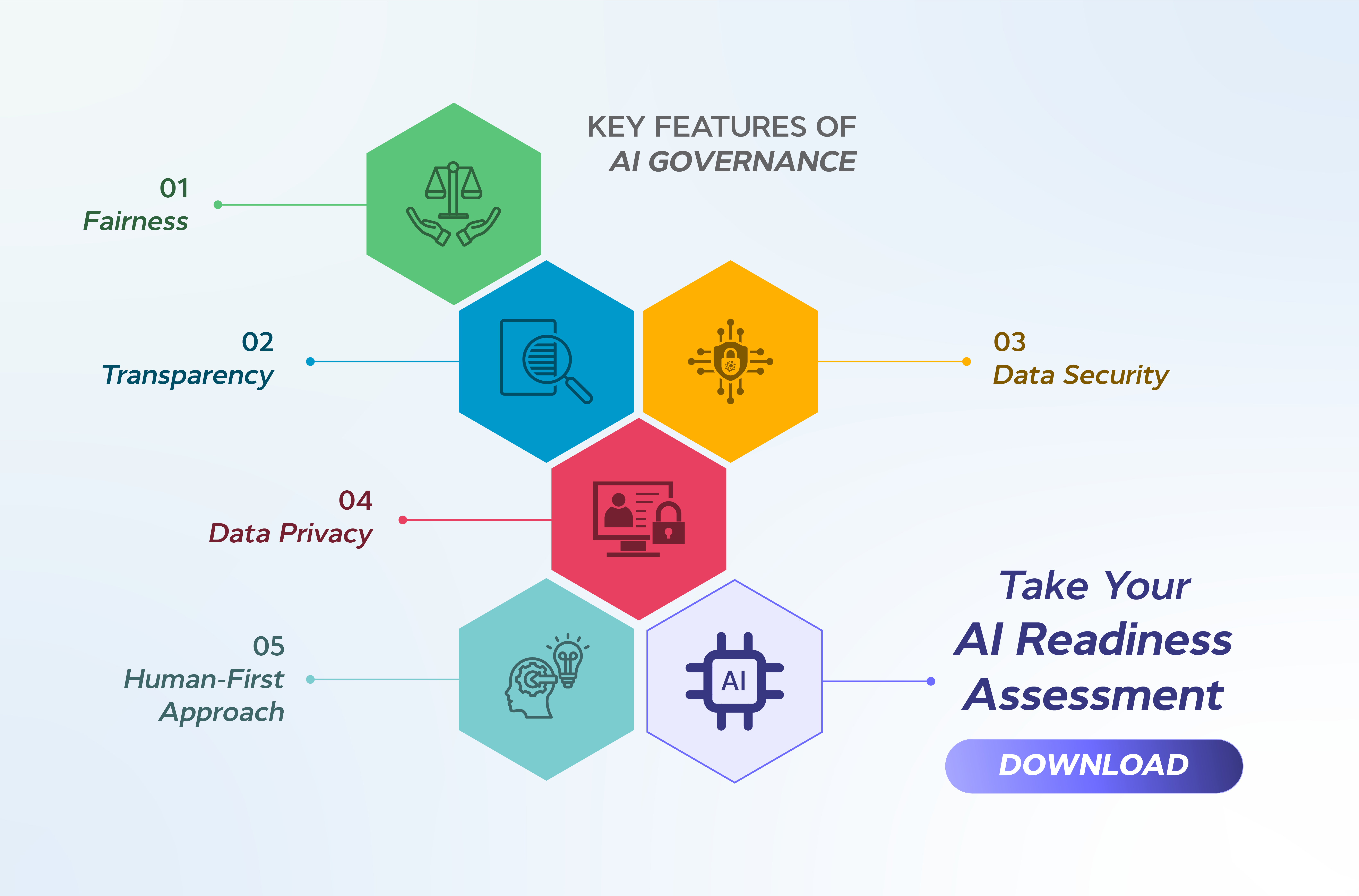
Data integrity forms the first critical pillar. Algorithmic systems are only as reliable as the information used to train and test them. Governance models must mandate strict data provenance tracking, ensuring that training datasets are audited for bias, representative of target populations, and secured against unauthorized alteration or extraction. Furthermore, data minimization principles must be enforced to limit collection to strictly necessary inputs, reducing privacy liabilities under frameworks such as the European Union General Data Protection Regulation.
Model transparency and explainability constitute the second pillar. Black-box models—where the internal mechanics of a decision cannot be easily interpreted—pose severe regulatory and ethical hurdles, particularly in high-stakes domains like healthcare, credit scoring, and criminal justice. Governance frameworks must require teams to select model architectures that offer adequate explainability or deploy supplementary interpretation tools that translate complex mathematical outputs into human-understandable rationales.
Accountability and human oversight round out the structural core. Automated systems should support, rather than entirely replace, human judgment in decisions that significantly affect individual rights or financial standing. Establishing clear escalation paths, defining human-in-the-loop triggers, and assigning executive responsibility for algorithmic outcomes ensure that organizations maintain ultimate control over their technical deployments.
Regulatory Landscape and Compliance Requirements
The regulatory environment governing artificial intelligence has transitioned rapidly from voluntary ethical guidelines to binding legal obligations. Organizations operating across multiple jurisdictions must navigate a complex mosaic of statutory requirements that impose strict penalties for non-compliance, data misuse, and algorithmic discrimination.
The European Union Artificial Intelligence Act represents the most prominent comprehensive legislative effort, categorizing AI applications by risk tier and imposing stringent testing, documentation, and human-oversight mandates on high-risk systems. While comprehensive omnibus legislation continues to develop in other major markets, sector-specific regulators in finance, healthcare, and employment are actively enforcing existing statutory powers through the lens of algorithmic accountability.
| Regulation / Standard | Primary Scope | Key Compliance Mandates | Enforcement Mechanism |
|---|---|---|---|
| EU Artificial Intelligence Act | Transnational (EU market impact) | Risk categorization, mandatory impact assessments, technical documentation, human oversight. | Substantial financial penalties up to a percentage of global annual turnover. |
| NIST AI Risk Management Framework | United States (Federal and voluntary adoption) | Map, measure, manage, and govern operational AI risks through structured rubrics. | Federal procurement standards, industry benchmarking, and sector agency guidance. |
| ISO/IEC 42001 | International Management Standard | Establishment of an Artificial Intelligence Management System (AIMS), internal auditing, and continual improvement. | Independent third-party certification and audits. |
| Sector-Specific Guidelines (e.g., SEC, FDA) | Regulated industries (Finance, Healthcare) | Algorithmic fairness, model validation, post-market surveillance, and transparent disclosures. | Regulatory enforcement actions, licensing restrictions, and operational fines. |
Organizations cannot rely on a one-size-fits-all compliance checklist. Instead, legal and technical teams must collaborate to map existing software inventories against emerging statutory definitions, ensuring that continuous auditing processes capture updates or drift in deployed models.
Operationalizing Risk Management and Mitigation
Moving from policy documents to day-to-day operational execution requires embedding risk management checkpoints directly into the software development lifecycle. Waiting until a model is fully trained and deployed to evaluate its safety and fairness is inefficient and exposes the enterprise to severe reputational damage.
The risk management process begins at the ideation and scoping phase. Before a single line of code is written or a dataset is licensed, multidisciplinary teams must conduct algorithmic impact assessments to evaluate whether the intended use case is ethically sound and legally permissible. This initial screening helps determine if the potential benefits of the deployment outweigh the risks of disparate impact or privacy infringement.
During the development and training phase, engineers must implement continuous testing methodologies. These include adversarial robustness testing to identify vulnerabilities to prompt injection or data poisoning, as well as fairness audits that measure performance parity across demographic subgroups.
- Ideation & Scoping
- Algorithmic Impact Assessment
- Model Development & Bias Testing
- Pre-Deployment Independent Audit
- Continuous Post-Market Monitoring
Post-deployment monitoring ensures that models do not degrade over time due to shifting real-world conditions, a phenomenon known as concept drift. Automated logging systems should track input distributions, error rates, and output anomalies, triggering immediate reviews if performance metrics cross predetermined tolerance thresholds.
Assigning Organizational Roles and Responsibilities
A successful oversight program requires clear structural distribution of authority across the enterprise. Without designated ownership, compliance efforts frequently stall between IT development teams, legal counsel, and executive leadership.
An enterprise AI ethics board or governance committee typically sits at the top of this organizational structure, comprising representatives from legal, compliance, engineering, security, and business units. This body reviews high-risk deployment proposals, resolves cross-departmental disputes regarding risk tolerance, and sets overarching organizational strategy.
Directly below the committee, designated AI compliance officers or risk managers oversee day-to-day execution. These professionals maintain the organization’s model inventory, coordinate external audits, and serve as the primary liaison between technical development squads and regulatory bodies.
Engineering teams retain responsibility for embedding technical guardrails, maintaining reproducible training pipelines, and ensuring that models comply with documented specifications. Clear RACI matrices (Responsible, Accountable, Consulted, Informed) help eliminate ambiguity, ensuring that every participant understands their specific contribution to the oversight ecosystem.
Overcoming Implementation Challenges and Common Mistakes
Deploying a structured oversight initiative frequently encounters internal resistance, technical bottlenecks, and cultural hurdles. Recognizing these common pitfalls allows leadership teams to preemptively adjust their strategies and foster smoother adoption.
One frequent mistake is treating oversight as a one-time compliance audit rather than an ongoing operational discipline. Machine learning models evolve dynamically as they ingest new data and adapt to changing environments; consequently, static reviews quickly become obsolete. Organizations must build dynamic monitoring loops that treat model validation as a continuous, iterative requirement.
Another major challenge is the friction between innovation speed and compliance rigor. Development teams often perceive governance frameworks as bureaucratic roadblocks designed to stifle creativity and delay product launches. To counteract this perception, governance structures must be integrated directly into development workflows as automated guardrails rather than manual paper-pushing exercises. Utilizing automated testing tools for bias detection and documentation generation helps streamline compliance without sacrificing delivery velocity.
Finally, organizations often struggle with siloed communication between technical specialists and legal advisors. Data scientists may lack the regulatory fluency to interpret complex statutory mandates, while compliance officers may not grasp the mathematical limitations of machine learning architectures. Bridging this gap requires specialized training programs and cross-functional working groups that establish a shared operational vocabulary.
Frequently Asked Questions
What is the primary purpose of an artificial intelligence governance framework?
The primary purpose is to establish systematic accountability, risk mitigation, and compliance controls for machine learning systems. It ensures that technical deployments remain safe, ethical, aligned with legal mandates, and transparent to affected stakeholders.
How does the EU AI Act impact international businesses?
The EU AI Act applies extraterritorially to any organization that places artificial intelligence systems on the EU market or whose outputs are used within the European Union. Non-compliant organizations face substantial financial penalties based on global turnover, regardless of their physical headquarters location.
What is model drift and why does it matter for compliance?
Model drift refers to the degradation of a machine learning model's predictive accuracy over time due to changes in real-world environments and data distributions. It matters for compliance because an accurate model at launch can become biased or unreliable over time, creating unforeseen legal and operational liabilities.
Who should be included on an enterprise AI governance committee?
An effective committee should include cross-functional representation from executive leadership, legal counsel, risk management, data science, cybersecurity, and relevant business units to ensure comprehensive evaluation of technical and operational impacts.
What is the difference between model transparency and explainability?
Transparency refers to having full visibility into how a model was trained, including data sources and architectural choices. Explainability refers to the ability to interpret and articulate the specific mathematical reasoning behind an individual model output or prediction.
Strategic Next Steps for Implementation
Organizations seeking to establish or refine their oversight mechanisms should begin by conducting a comprehensive inventory of all existing and planned algorithmic deployments. Cataloging these assets allows leadership to prioritize high-risk systems, allocate resources effectively, and apply targeted compliance controls where vulnerabilities are most acute.
Next, establish a cross-functional working group to draft baseline policies tailored to your industry's specific regulatory environment. Leverage established reference standards, such as the NIST AI Risk Management Framework or ISO/IEC 42001, to accelerate policy development rather than building a framework from scratch. By integrating these controls into the early stages of software development, enterprises can foster innovation while maintaining rigorous safety and accountability standards.