Artificial intelligence has fundamentally altered how audio content is created, distributed, and consumed across major streaming platforms, positioning AI generated music on Spotify at the center of a modern sonic revolution. Rather than existing as an isolated technical novelty, algorithmic composition now interacts directly with traditional copyright frameworks, royalty collection systems, and listener recommendation loops. This convergence of machine learning models and global distribution infrastructure invites a rigorous examination of how automated tracks enter the streaming ecosystem, how platform curators handle synthetic audio, and what listeners experience when pressing play.
Understanding the Rise of Algorithmic Composition on Streaming Platforms
The integration of artificial intelligence into music production represents a paradigm shift from traditional digital audio workstations to prompt-based generation and neural audio synthesis. Producers and developers utilize machine learning architectures trained on vast corpuses of historical recordings to generate original melodies, harmonies, and vocal tracks within seconds. These systems rely on transformer models and diffusion techniques, translating textual descriptors or stylistic parameters into fully mastered audio files.
Within the context of digital service providers, this technological leap creates both unprecedented creative opportunities and severe logistical challenges. Millions of independent creators now possess the tools to generate studio-quality tracks without playing an instrument or hiring session musicians. Consequently, the volume of daily submissions to platforms has expanded exponentially. Because ingestion pipelines are designed to handle high-throughput delivery through aggregated distributors, synthetic tracks flow into global catalogs alongside human-composed art, making structural identification a critical operational priority for curators and rights organizations.
How Platforms and Distributors Process Synthetic Audio
Distributing AI generated music on Spotify requires navigating a complex pipeline managed by digital aggregators such as DistroKid, TuneCore, and CD Baby. These intermediaries enforce content policies set by streaming platforms, ensuring that uploaded audio files comply with copyright laws and platform terms of service. When a track is generated entirely by an algorithm, creators must correctly attribute the authorship metadata to prevent automated fraud flags or copyright infringement claims.
Streaming platforms employ sophisticated audio fingerprinting and machine learning detectors to monitor incoming catalogs. These internal systems scan for structural anomalies, unauthorized sample usage, and known neural synthesis signatures. While generating music via AI is permitted under specific conditions, platforms prohibit the impersonation of real artists or the use of stolen vocal likenesses without explicit consent.
| Feature Category | Human-Composed Music | Fully AI-Generated Music | Hybrid AI-Assisted Music |
|---|---|---|---|
| Creation Process | Traditional instrumentation, vocal performance, and DAW arrangement. | Text-to-audio prompts executed via neural networks and diffusion models. | Human songwriting combined with AI-generated stems or vocal synthesis. |
| Copyright Status | Readily eligible for standard copyright protection and mechanical licensing. | Generally ineligible for standalone copyright in many global jurisdictions due to lack of human authorship. | Partially copyrightable based on the extent of human creative contribution and arrangement. |
| Metadata Attribution | Credited to human songwriters, producers, and performing artists. | Credited to the tool creator, prompt engineer, or designated AI persona. | Credited to human creators with specific disclosure of automated assistance. |
| Platform Distribution | Standard aggregation via major and independent digital distributors. | Requires compliance with platform-specific synthetic media disclosure policies. | Processed through standard distribution channels with transparent labeling. |
Copyright, Licensing, and Legal Realities
The legal landscape surrounding synthetic audio remains unsettled, particularly regarding copyrightability and royalty distribution. Jurisdictions such as the United States Copyright Office have maintained that works produced entirely by a machine without creative human intervention lack the human authorship required to secure copyright registration. This legal nuance directly impacts how AI generated music on Spotify is monetized, licensed, and protected against unauthorized commercial use.
When a track contains no protectable human authorship, it enters the public domain regarding exclusive copyright ownership, even if it is monetized on a streaming platform. This creates unique dynamics for collection societies, mechanical licensing collectives, and publishing administrators. Furthermore, legal disputes persist concerning training datasets. Creators of original human music argue that unauthorized ingestion of copyrighted catalogs into machine learning models constitutes infringement, leading to ongoing litigation that may reshape how generative audio models are trained and deployed.
Listener Discovery and Algorithmic Recommendation
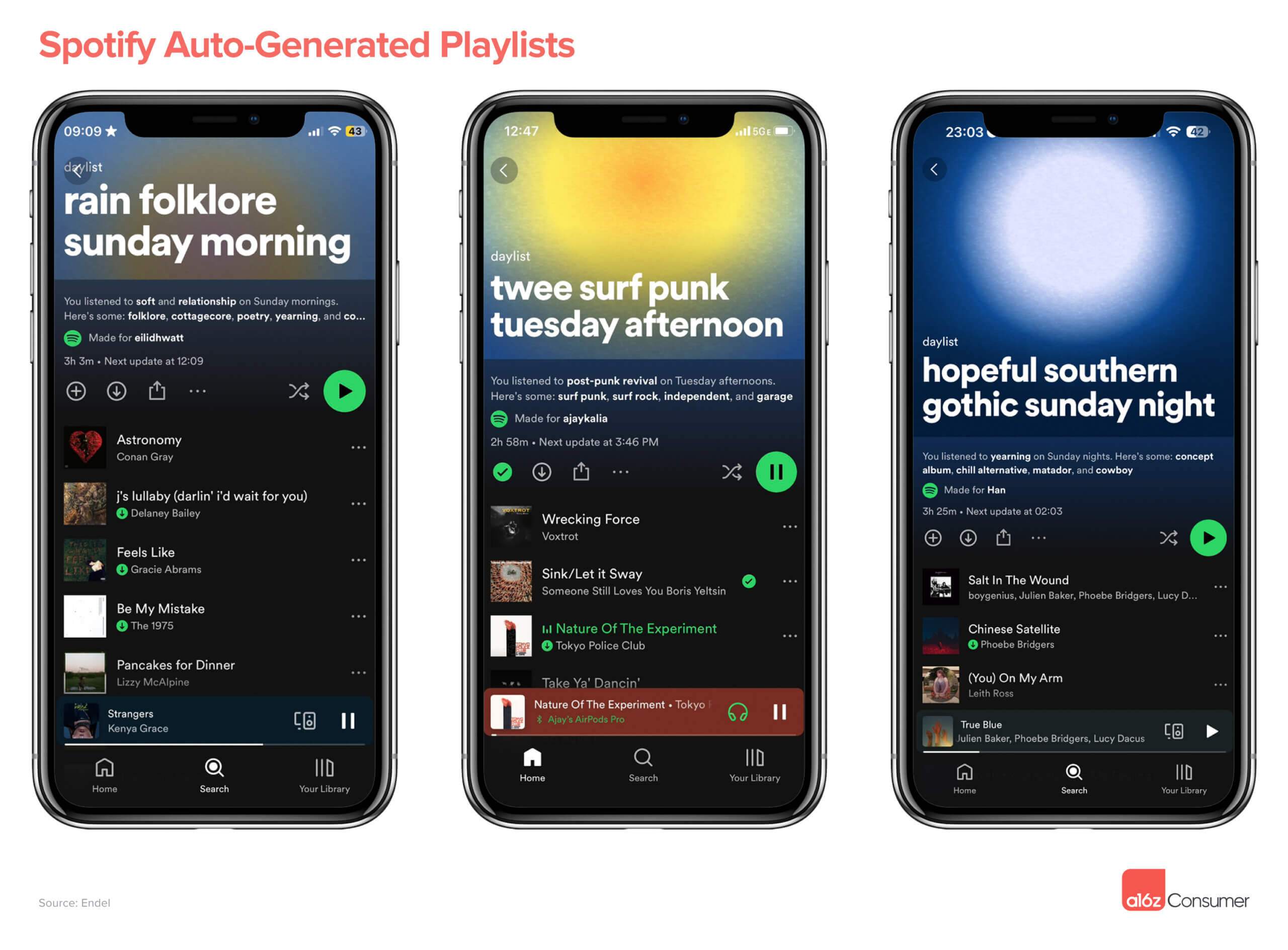
Discovery mechanisms on major streaming services are driven by collaborative filtering, natural language processing of playlist descriptions, and deep audio analysis models. When synthetic tracks enter these recommendation loops, the algorithm evaluates listener behavior—such as skip rates, completion percentages, and playlist additions—rather than the origin of the audio file. Consequently, well-produced algorithmic tracks that match a listener's acoustic preferences can achieve high placement in algorithmic playlists like Discover Weekly or Release Radar.
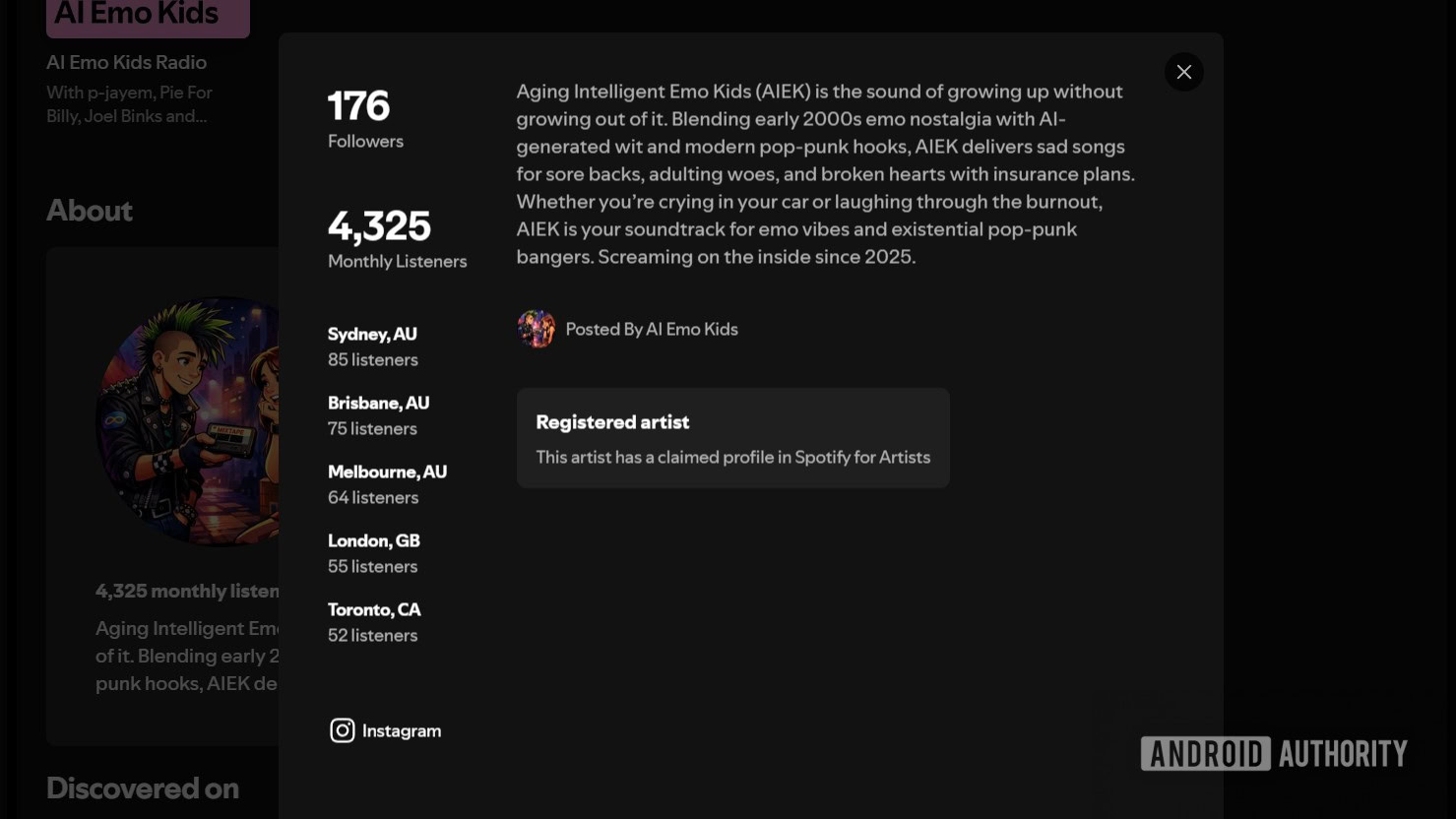
Listeners often engage with AI generated music on Spotify without realizing its non-human origin, as modern neural synthesis achieves high fidelity and emotional resonance. However, this transparency gap has sparked demand for explicit labeling and genre categorization. Audiophiles and casual consumers alike seek clear signposting to distinguish between human-crafted compositions and automated soundscapes, prompting discussions within the industry regarding mandatory metadata tags for synthetic creations.
Common Misconceptions About Automated Audio Production
Several persistent myths surround the deployment of generative audio tools within commercial streaming environments. A primary misunderstanding is that platforms automatically ban all tracks created with artificial intelligence. In practice, platforms regulate the misuse of AI—such as voice cloning, impersonation, and fraudulent streaming manipulation—rather than the underlying technology itself.
Another widespread misconception is that prompt engineering requires no skill or artistic intent. While basic generation is accessible to anyone, producing cohesive, professionally mixed albums through iterative prompting, stem separation, and post-production editing demands specialized knowledge of audio engineering principles. Creators must curate outputs, correct phase issues, and master tracks to meet commercial loudness standards before submitting them to digital distribution networks.
Frequently Asked Questions
Can I monetize AI-generated music on streaming platforms?
Yes, creators can monetize synthetic tracks provided they own the rights to the underlying prompts, model outputs, and any incorporated human elements, and as long as the distribution complies with platform terms of service and does not infringe on existing trademarks or vocal likenesses.
How do streaming services detect synthetic audio?
Platforms utilize automated audio analysis tools, content moderation algorithms, and metadata cross-referencing to identify patterns indicative of neural synthesis, unauthorized sampling, or automated stream manipulation.
Is AI-generated music protected by copyright?
In many jurisdictions, works created entirely by artificial intelligence without creative human intervention cannot be copyrighted because they lack human authorship, placing them outside the scope of traditional intellectual property protection.
Do I need to disclose if a song was made with AI?
Streaming services and digital aggregators increasingly require creators to disclose the use of synthetic media, particularly when tracks replicate real human voices or draw heavily from protected stylistic catalogs.
Will AI replace human musicians on global charts?
While generative tools lower production barriers and populate niche background genres, human performance, live tour engagement, and authentic storytelling continue to drive mainstream cultural connection and fan loyalty.
Strategic Next Actions for Creators and Rights Holders
Navigating the intersection of machine learning and digital distribution requires vigilance regarding evolving platform guidelines and copyright rulings. Creators intending to publish synthetic audio should verify their aggregator's specific terms regarding automated content, maintain transparent metadata attribution, and monitor legal developments across international intellectual property offices. By balancing technological adoption with rigorous compliance, artists and producers can responsibly leverage generative audio tools within the modern streaming economy.