Artificial intelligence in aviation encompasses the integration of machine learning algorithms, computer vision, natural language processing, and advanced neural networks into flight deck operations, airline logistics, air traffic management, and predictive maintenance systems to optimize performance, enhance safety margins, and reduce operational expenditures.
The integration of artificial intelligence (AI) into the aviation sector represents one of the most profound technological shifts since the introduction of the jet engine. Long characterized by conservative safety margins, rigorous certification protocols, and meticulous human oversight, the aviation industry now leverages machine learning and neural networks to handle complex, data-heavy tasks that previously required continuous manual intervention. From optimizing flight trajectories to save millions of gallons of fuel to providing real-time cockpit assistance, artificial intelligence is reshaping how aircraft are designed, maintained, and operated across commercial, cargo, and defense domains.
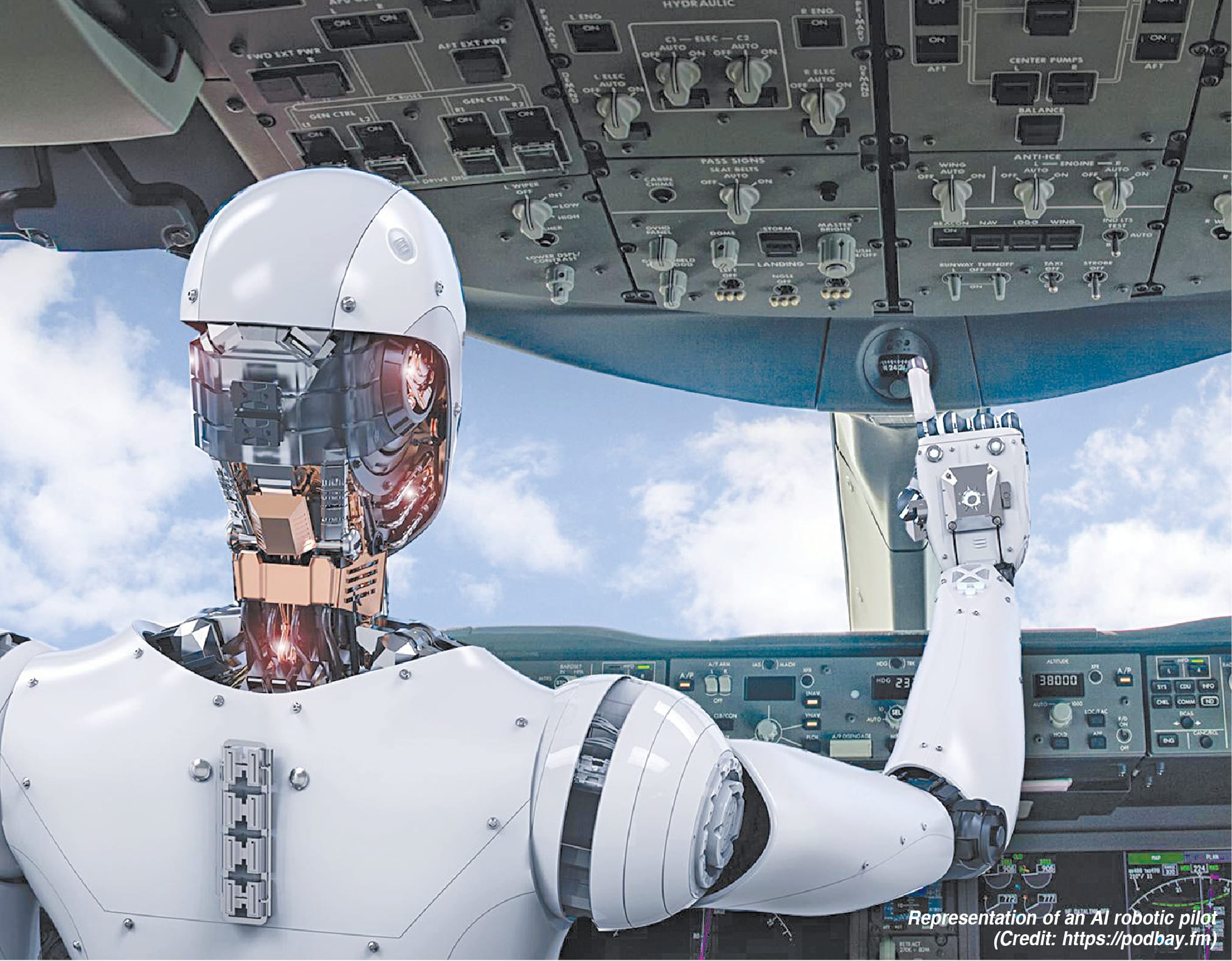
Understanding this transformation requires examining the operational layers where AI operates. It is not merely about autonomous flight decks—which remain largely experimental for commercial passenger jets—but about an entire ecosystem of data processing. Airlines and aerospace manufacturers deploy algorithms to parse terabytes of sensor data, predict mechanical anomalies before they lead to inflight failures, and streamline congested airspaces. As global air traffic volumes rebound and grow, adopting these computational tools has evolved from a competitive advantage into an operational necessity.
Core Pillars of AI Integration in Commercial Flight Operations
Flight operations represent the most visible intersection of human expertise and machine capability. Modern commercial aircraft are effectively flying data centers, generating gigabytes of telemetry per flight hour from engines, control surfaces, and navigation suites. AI algorithms analyze these streams to assist pilots, automate routine flight phases, and enhance situational awareness during critical maneuvers like takeoff and landing.
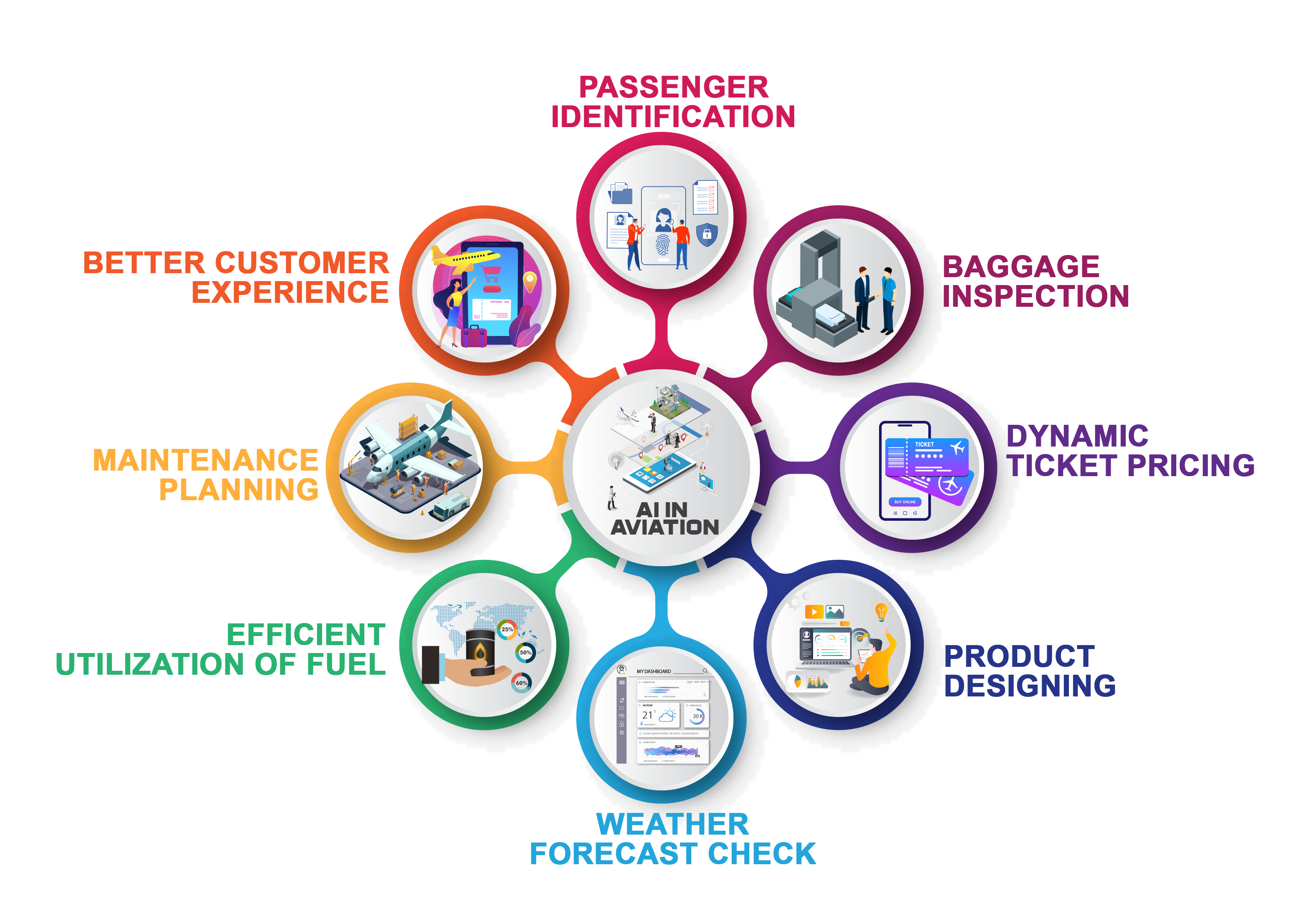
Flight path optimization stands out as an immediate beneficiary of machine learning. Traditional flight planning relies on static weather forecasts and predetermined waypoints. Advanced AI systems ingest real-time meteorological data, upper-wind patterns, and historical traffic densities to dynamically compute optimal trajectories. These dynamic adjustments help airlines bypass turbulence, reduce fuel burn, and lower carbon emissions.
Furthermore, computer vision and sensor fusion technologies enhance cockpit safety. Systems equipped with optical and infrared sensors can track runway conditions, detect foreign object debris (FOD) during taxiing, and monitor pilot alertness through gaze tracking and biometric telemetry. While human pilots retain ultimate authority and control, these computational aids act as an infallible co-pilot, mitigating the risks associated with fatigue, distraction, and perceptual illusions.
Predictive Maintenance and Fleet Reliability
Maintenance, repair, and overhaul (MRO) operations generate substantial overhead for commercial airlines. Traditional maintenance schedules are strictly calendar- or flight-hour-based, meaning components are frequently serviced or replaced before the end of their actual operational lifespan. AI-driven predictive maintenance shifts this paradigm from reactive and scheduled interventions to condition-based prognostics.
| Maintenance Approach | Operational Basis | Cost Efficiency | Unplanned Downtime Risk |
|---|---|---|---|
| Reactive Maintenance | Fix after failure occurs | Lowest | Highest |
| Scheduled Maintenance | Fixed hours or calendar intervals | Moderate | Low |
| Predictive Maintenance | Real-time sensor telemetry and ML | Highest | Minimal |
By continuously monitoring thousands of parameters from engine vibration sensors, hydraulic pressures, and thermal signatures, machine learning models establish baseline operational profiles for every aircraft component. When a minute deviation occurs—often imperceptible to human technicians—the algorithm flags the anomaly and predicts the remaining useful life of the part. Airlines can then schedule targeted repairs during routine overnight stops, preventing costly flight cancellations and mid-journey diversions.
Engine manufacturers like General Electric, Rolls-Royce, and Pratt & Whitney utilize digital twins—virtual replicas of physical engines powered by operational data and AI—to simulate wear and tear under various environmental conditions. These digital twins allow engineers to test hypotheses, optimize maintenance intervals, and design more resilient turbine blades without risking physical assets.
Transforming Air Traffic Management and Airspace Capacity
Air traffic management (ATM) systems globally face unprecedented congestion. Traditional ground-based radar and voice communication protocols struggle to manage the dense matrix of commercial airliners, regional jets, cargo carriers, and emerging uncrewed aerial systems (UAS). Artificial intelligence provides the computational muscle required to transition global airspace toward trajectory-based operations.
Air navigation service providers (ANSPs) employ machine learning to predict sector congestion, optimize arrival and departure sequencing, and manage terminal maneuvering areas (TMAs) more efficiently. By analyzing historical flight tracks, weather patterns, and airport gate availability, AI algorithms can calculate precise landing times hours before an aircraft descends. This capability, known as Time-Based Separation (TBS), allows aircraft to line up closer together safely, increasing runway throughput without compromising safety separation standards.
| Air Traffic Metric | Traditional Management | AI-Enhanced Management |
|---|---|---|
| Sequencing Horizon | Minutes before arrival | Hours before departure |
| Sector Capacity | Conservative fixed limits | Dynamic density calculation |
| Conflict Detection | Tactical vectoring | Predictive trajectory resolution |
| Rerouting Speed | Manual voice coordination | Automated multi-aircraft optimization |
In addition to terminal airspace, AI supports autonomous air traffic control tower operations at secondary airports. Computer vision systems monitor runway incursions and alert controllers instantly, reducing the reliance on direct visual line-of-sight during periods of low visibility or heavy fog.
Regulatory Frameworks, Certification, and Safety Assurance
Deploying artificial intelligence in a safety-critical industry like aviation requires navigating rigorous certification standards established by regulatory bodies such as the Federal Aviation Administration (FAA) and the European Union Aviation Safety Agency (EASA). Unlike traditional software, which operates on deterministic rule sets where every input produces a predictable, programmed output, machine learning models are probabilistic. They learn from data, and their internal decision paths—often referred to as the "black box" problem—can be difficult for human engineers to fully audit.
To address this challenge, regulatory bodies and industry consortia are developing new compliance frameworks. EASA published its Artificial Intelligence Roadmap, outlining principles for trustworthy AI, including human-centric design, technical robustness, safety, transparency, and accountability. Certification standards now focus on verifying the quality and bias-free nature of the training data, establishing boundaries within which the AI model must operate, and ensuring fail-safe mechanisms transfer control back to human operators instantly if the system encounters an out-of-distribution scenario.
| Regulatory Body | Key AI Framework / Document | Primary Focus Area |
|---|---|---|
| EASA | Artificial Intelligence Roadmap (v2.0) | Trustworthiness, human oversight, learning assurance |
| FAA | AI Strategy / Special Conditions | Airworthiness certification, machine learning integration |
| ICAO | Global Air Navigation Plan (GANP) | Interoperability, digital transformation, safety standards |
Manufacturers must prove that their AI systems are not only accurate under standard operating conditions but also resilient against adversarial attacks, sensor tampering, and edge-case operational failures. This rigorous verification process ensures that the introduction of advanced computation never compromises aviation's unyielding safety record.
Passenger Experience and Airline Commercial Optimization
Beyond the flight deck and maintenance hangar, artificial intelligence fundamentally reshapes the passenger journey and airline business models. Commercial aviation operates on notoriously thin profit margins, making operational efficiency in ticket pricing, seating configurations, and ground logistics vital for economic viability.
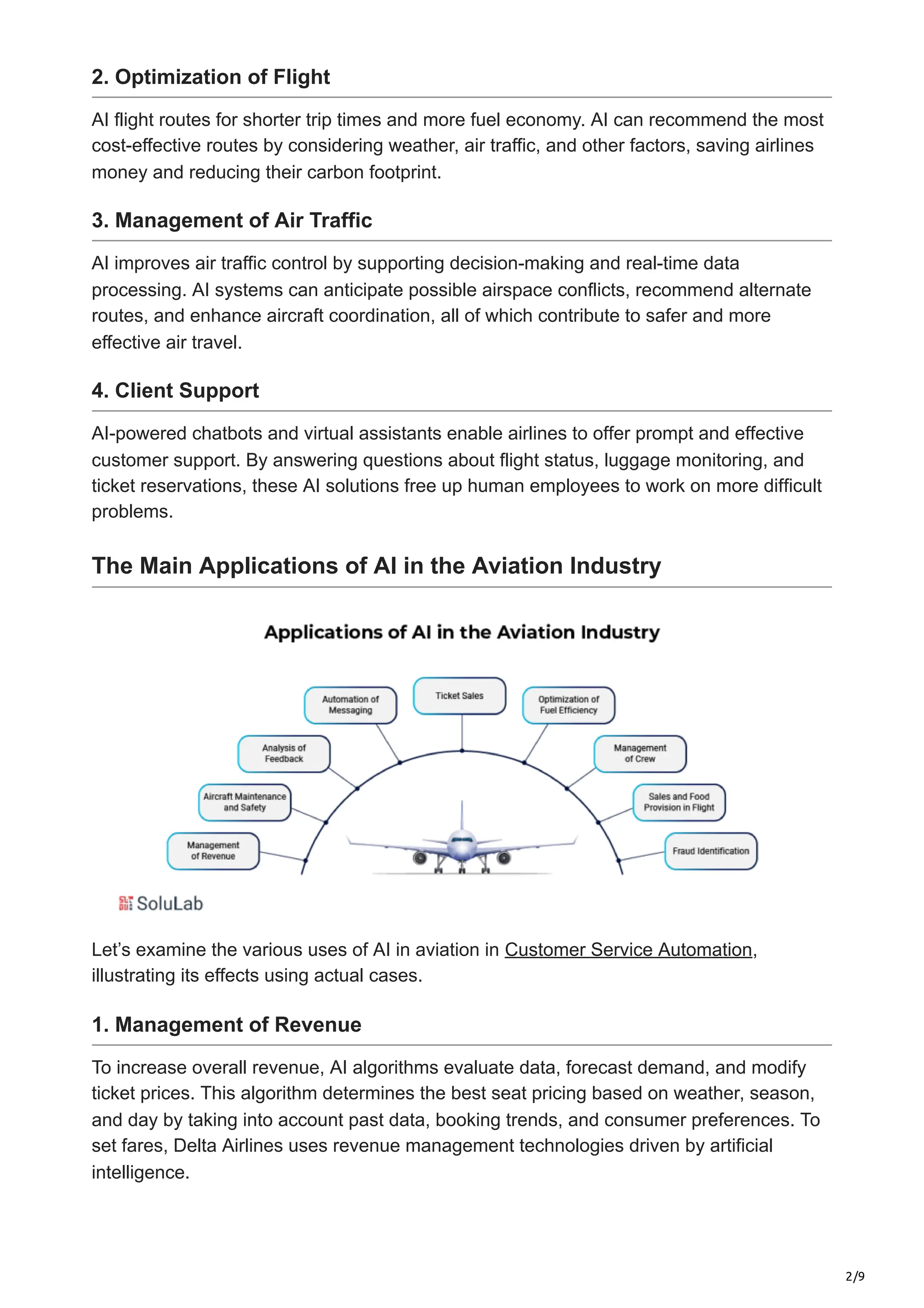
Dynamic pricing engines driven by machine learning analyze real-time market demand, competitor pricing, seasonal trends, and individual booking habits to optimize fare structures. Concurrently, natural language processing powers customer service virtual assistants and chatbots capable of handling complex rebooking procedures during weather disruptions, instantly processing thousands of passenger queries without human agent bottlenecks.
Inside the terminal and onboard the aircraft, biometric identification powered by facial recognition streamlines baggage drop, security screening, and boarding gates, reducing dwell times and congestion. Airlines also deploy predictive catering algorithms to minimize food waste by accurately forecasting meal preferences based on route demographics, class of service, and historical consumption data.
Common Implementation Challenges and Operational Risks
Despite its transformative potential, adopting artificial intelligence in aviation introduces distinct engineering and operational hurdles that organizations must manage carefully.
- Data Silos and Quality: Aviation data is frequently fragmented across legacy maintenance systems, proprietary manufacturer databases, and disparate airline IT infrastructures. Cleaning, standardizing, and unifying this data for machine learning ingestion requires substantial capital investment.
- Explainability Deficit: Deep learning models often lack transparent reasoning steps. Pilots and air traffic controllers must understand why a system recommends a specific maneuver or course correction; opaque recommendations erode operational trust.
- Cybersecurity Vulnerabilities: As aircraft and air traffic networks become increasingly connected and software-driven, the attack surface expands. Protecting telemetry streams, ground stations, and onboard networks from sophisticated cyber threats is an ongoing engineering priority.
- Integration Costs: Retrofitting legacy fleets with modern sensor suites, high-bandwidth communication links, and certified edge-computing hardware involves significant downtime and capital expenditure for commercial carriers.
What Are the Next Steps for Implementing Aviation AI?
Aviation professionals, airline executives, and aerospace engineers planning to integrate artificial intelligence must adopt a phased, risk-mitigated approach. Begin by auditing current data infrastructure to identify silos and ensure data integrity across maintenance and flight operations. Prioritize use cases with high ROI and low regulatory friction, such as predictive maintenance for auxiliary power units (APUs) or ground logistics optimization, before tackling safety-critical flight deck applications. Engage early with regulatory bodies like the FAA or EASA to align software assurance methodologies with emerging AI certification guidelines, ensuring that innovation proceeds hand-in-hand with uncompromising safety standards.