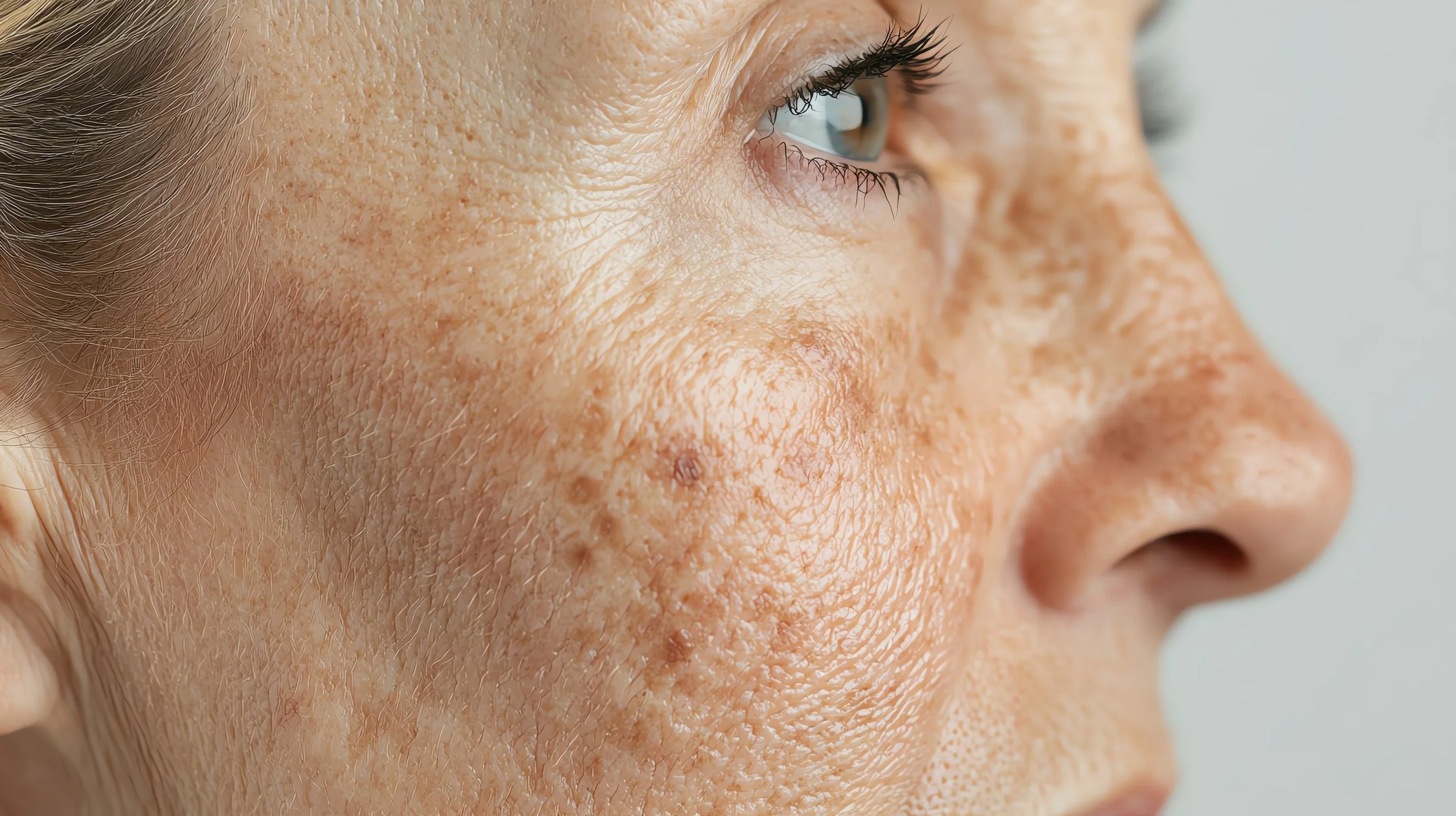
Visible changes in skin tone and texture are hallmark signs of aging, often manifesting as a combination of fine lines, loss of elasticity, and uneven pigmentation. These pigmentary shifts, frequently referred to as hyperpigmentation or solar lentigines, occur when localized clusters of melanin—the pigment responsible for skin color—accumulate due to environmental exposure and internal biological processes. Addressing these concerns requires a strategic approach that balances protective measures, topical interventions, and professional procedures tailored to individual skin needs.
Understanding the Biological Mechanisms of Skin Aging
Skin aging is categorized into two distinct processes: intrinsic and extrinsic. Intrinsic aging, or chronological aging, is a genetically determined process that occurs gradually over time. It is characterized by thinner skin, reduced collagen production, and a decrease in the regenerative capacity of cells. As the skin thins, underlying structures become more visible, and the barrier function weakens.
Extrinsic aging, primarily driven by environmental factors, significantly accelerates the degradation of skin integrity. The most potent factor is ultraviolet (UV) radiation from sunlight. UV exposure triggers a defensive response in melanocytes—the pigment-producing cells in the epidermis—causing them to produce excess melanin. Over years of cumulative exposure, this distribution becomes uneven, leading to dark patches known as sun spots or age spots. In 2026, dermatology research emphasizes that while intrinsic aging is inevitable, extrinsic aging is highly manageable through targeted intervention and rigorous photoprotection.
Common Types of Pigmentation Disorders
Pigmentation issues often appear as distinct patterns depending on their cause. Distinguishing between these types is essential for selecting appropriate treatment paths.
- Solar Lentigines: Often called "age spots" or "liver spots," these are the direct result of long-term sun exposure. They typically appear on the face, hands, and décolletage—areas most frequently exposed to the sun.
- Melasma: This condition presents as symmetrical, patchy brown discoloration. It is strongly linked to hormonal fluctuations, such as those caused by pregnancy, oral contraceptives, or hormone replacement therapy, and is frequently exacerbated by heat and light.
- Post-Inflammatory Hyperpigmentation (PIH): This occurs following skin trauma or inflammation, such as acne, eczema, or aggressive cosmetic procedures. The skin overproduces melanin as part of its healing response.
- Seborrheic Keratoses: While often mistaken for pigmentation, these are benign skin growths. They may appear waxy or raised and can darken over time. Unlike simple hyperpigmentation, these involve a proliferation of keratinocytes rather than just pigment accumulation.
The Role of Photoprotection in Pigmentation Management
The primary strategy for preventing the worsening of existing pigmentation and the development of new spots is strict sun avoidance and protection. UV radiation stimulates the enzymatic activity of tyrosinase, the catalyst for melanin production. Using a broad-spectrum sunscreen with a Sun Protection Factor (SPF) of at least 30 is the minimum requirement for daily maintenance.
In 2026, the standard of care for patients with significant pigmentation concerns includes "physical" barriers in addition to chemical ones. This involves wearing wide-brimmed hats and UPF-rated clothing, as well as seeking shade during peak ultraviolet index hours. For those prone to melasma, research indicates that visible light (specifically high-energy visible or HEV light) can also contribute to pigmentation, making tinted sunscreens containing iron oxides particularly effective, as these can physically block a wider spectrum of light than traditional transparent filters.
Topical Ingredients and Clinical Interventions
Effective management of aging and pigmentation often involves a dual-track approach: slowing down new pigment production while fading existing deposits.
Topical Maintenance
Active ingredients are selected based on their mechanism of action. Vitamin C is a staple for its antioxidant properties, which help neutralize free radicals generated by UV exposure. Retinoids, including retinol and prescription-strength tretinoin, are essential for accelerating cellular turnover, which helps shed pigmented cells more quickly and stimulates collagen production. Hydroquinone remains a gold-standard treatment for stubborn pigmentation, though its use is often restricted to short-term cycles under medical supervision to avoid side effects like exogenous ochronosis (a blue-black skin discoloration).
Professional Procedures
When topical treatments are insufficient, clinical procedures offer deeper, more targeted results. These include chemical peels, which exfoliate the superficial layers of the skin, and laser therapies. Q-switched lasers and picosecond lasers are designed to target and shatter melanin deposits without damaging the surrounding tissue. It is critical to note that professional procedures for pigmentation carry a higher risk of PIH, especially for skin tones that are higher on the Fitzpatrick scale. Therefore, consultation with a board-certified dermatologist is required to evaluate the risk-to-benefit ratio.
Comparison of Pigmentation Management Strategies
| Method | Primary Goal | Typical Downtime | Best For |
|---|---|---|---|
| Topical Retinoids | Cell turnover / Collagen | Minimal (redness) | Fine lines & mild spots |
| Chemical Peels | Exfoliation | 3–7 Days | Surface discoloration |
| Laser Therapy | Pigment disruption | 5–14 Days | Deep-set age spots |
| Daily SPF 30+ | Prevention | None | All skin types/ages |
Troubleshooting Common Treatment Failures
Treatment failure in pigmentation management is often attributed to inconsistent adherence or unrealistic expectations. A common error is the abrupt cessation of a skincare regimen once initial results are observed. Because the biological mechanisms causing pigment remain active, discontinuation of active ingredients often leads to a rapid recurrence of spots.
Another frequent issue is the use of irritants on sensitive, hyperpigmentation-prone skin. Inflammation is a known trigger for PIH; therefore, if a treatment routine causes burning or prolonged redness, the skin’s natural response may actually darken the affected area. If a patient experiences significant irritation, the appropriate action is to temporarily scale back the concentration of active ingredients and focus on barrier repair using products containing ceramides and hyaluronic acid before reintroducing potent lighteners.
Frequently Asked Questions
Can I remove age spots permanently?
While treatments can significantly lighten or remove existing solar lentigines, they cannot prevent future ones from forming. Permanent removal is rarely achievable without ongoing maintenance, as the skin continues to interact with environmental factors like UV light that trigger new pigment development.
Is it safe to treat pigmentation during the summer months?
It is generally discouraged to perform aggressive procedures like deep chemical peels or certain laser treatments during peak summer due to the high risk of post-inflammatory hyperpigmentation. Sun exposure immediately following these procedures can cause permanent darkening, which is often harder to treat than the original condition.
How long does it take to see results from topical treatments?
Most depigmenting agents require a minimum of 8 to 12 weeks of consistent, daily application to show visible improvement. The skin’s natural cycle of regeneration means that fading is a gradual process rather than an immediate result.
Does diet play a role in skin aging and pigmentation?
While no specific "anti-pigment" diet exists, a diet rich in antioxidants—specifically vitamins A, C, and E—supports the skin's defense against oxidative stress. Systemic health, including hydration and blood sugar stability, contributes to overall skin resilience, though diet alone will not replace the need for sun protection.
Are at-home microneedling devices recommended for pigmentation?
Most dermatological authorities advise caution with at-home devices. The lack of professional-grade sterilization and the risk of applying incorrect pressure can lead to micro-tears or skin inflammation, which often worsens pigmentation rather than resolving it.
Recommendation for Next Steps
To begin addressing aging and pigmentation, start by establishing a foundational routine focused on the "three pillars": strict daily sun protection, a gentle cleanser, and a targeted night serum containing either a retinoid or an antioxidant. Document your baseline with high-quality, evenly lit photographs. If after three months of consistent use you do not see the desired improvement, schedule a consultation with a board-certified dermatologist. Provide them with your full list of current products to identify potential conflicts or areas where professional-grade intervention, such as a specialized laser consultation or prescription-strength topical, may be safely integrated.