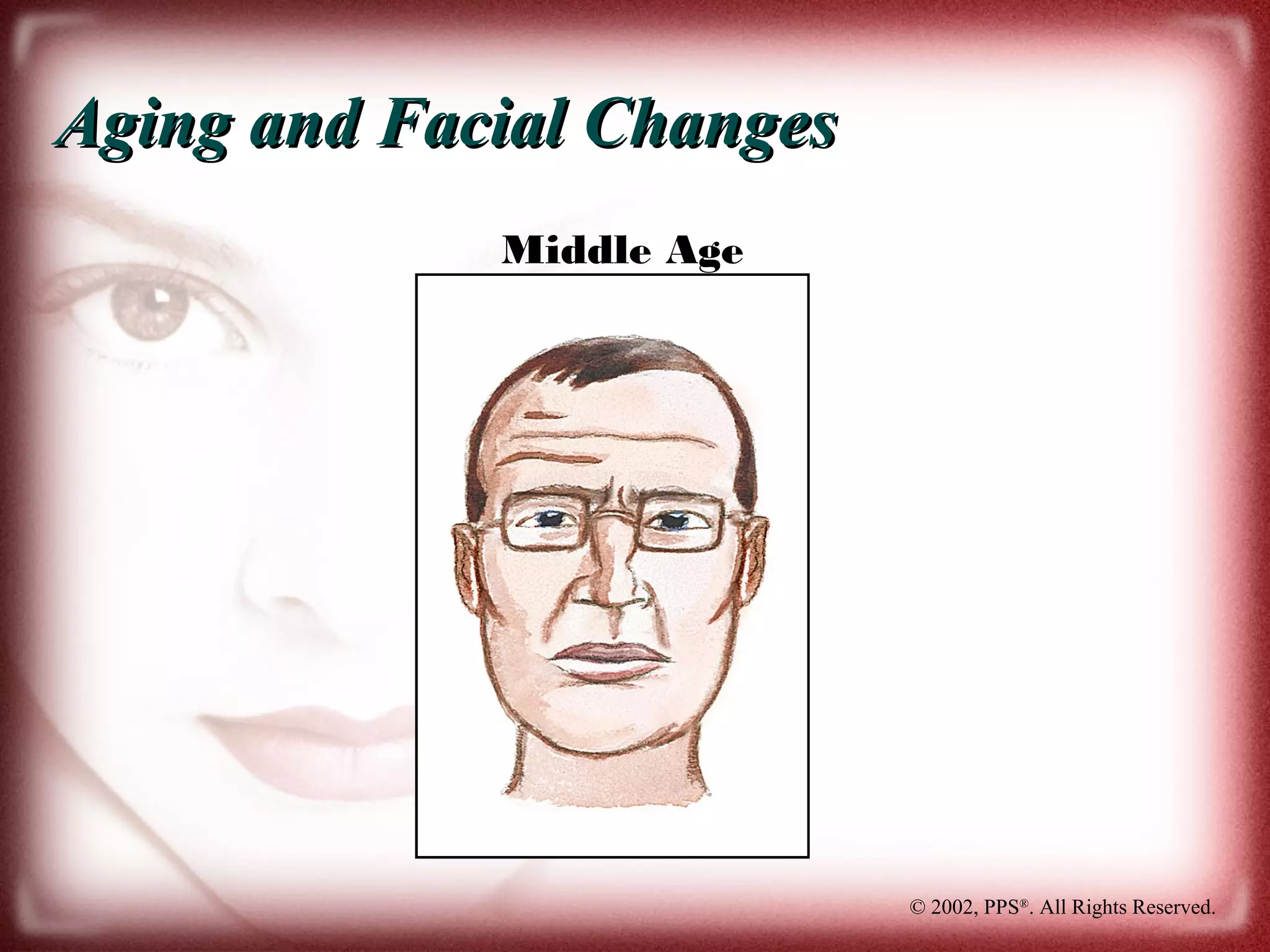
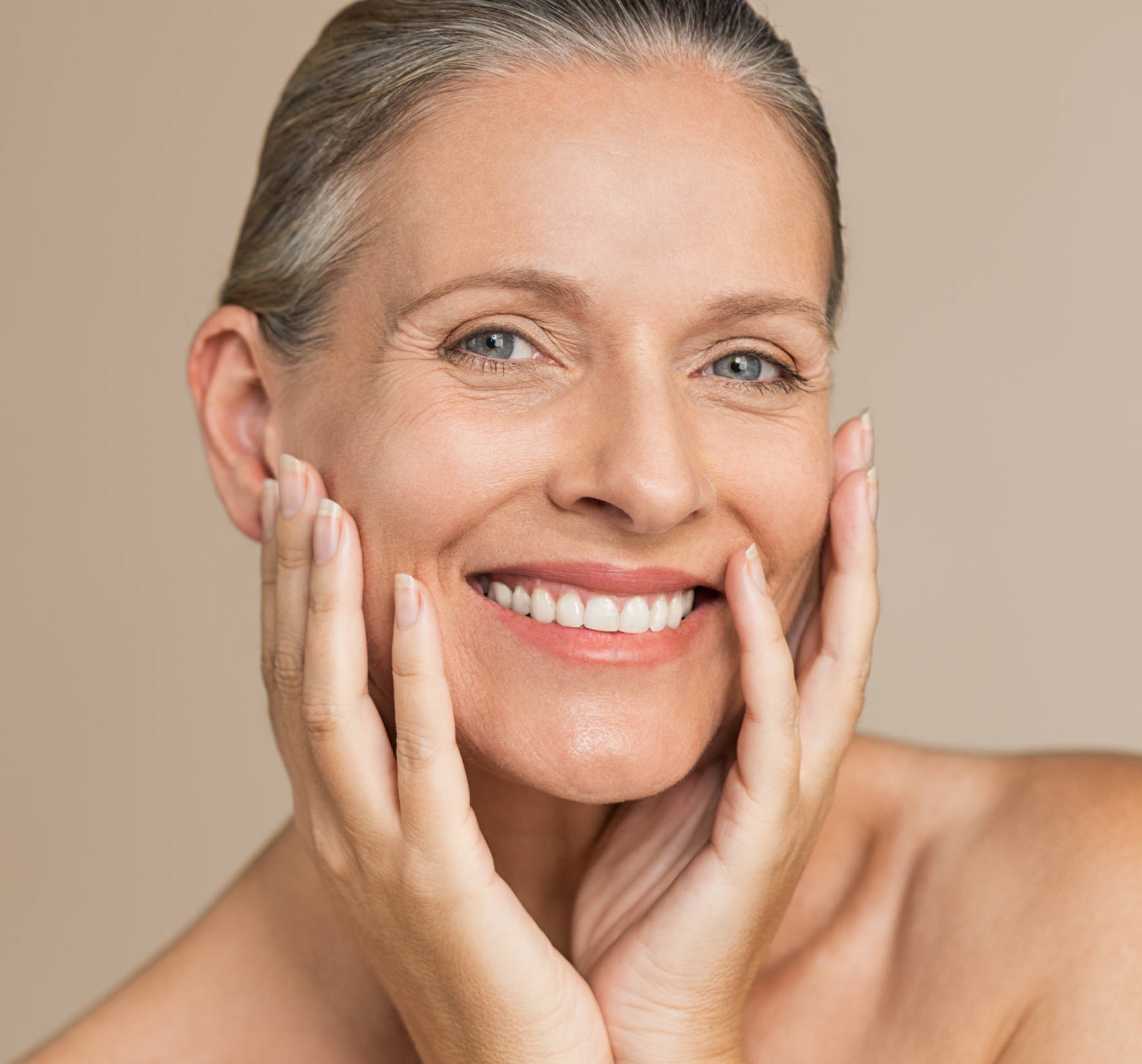
An aging face is characterized by a complex interplay of intrinsic biological senescence and extrinsic environmental factors, resulting in the loss of structural support, redistribution of subcutaneous fat, and cumulative photodamage. Addressing these changes requires a multifaceted approach involving dermatological maintenance, structural support, and an understanding of individual skin anatomy.
The Biological Mechanisms of Facial Aging
The transformation of the face over time is not a singular event but a cascading process occurring across all layers of the tissue. At the deepest level, the facial skeleton undergoes bone resorption, particularly in the maxilla and the mandible. As bone density decreases and the orbital apertures widen, the structural scaffolding that supports the soft tissues diminishes. This recession contributes to the flattening of the cheeks and a loss of support for the overlying musculature.
Overlying the bone, the facial fat compartments begin to shift and atrophy. During youth, these fat pads are cohesive and voluminous, providing a smooth, continuous surface. As the septa—the fibrous bands that hold fat in place—loosen, these pads descend due to gravity. The loss of volume in the mid-face is often perceived as the development of jowls or the deepening of nasolabial folds. Simultaneously, the skin’s extracellular matrix, primarily composed of collagen and elastin, loses its structural integrity. Fibroblasts, the cells responsible for producing these proteins, become less active, and existing fibers undergo degradation due to matrix metalloproteinases.
Extrinsic Factors and Environmental Impact
While genetics dictate the baseline rate of biological aging, extrinsic factors significantly accelerate the visible manifestations. Chronic exposure to ultraviolet (UV) radiation is the primary driver of extrinsic aging, often referred to as photoaging. UV exposure triggers the production of reactive oxygen species, which damage DNA and degrade collagen. This manifests clinically as actinic lentigines (age spots), telangiectasias (spider veins), and a leathery skin texture.
Environmental pollution, tobacco smoke, and high-glycemic diets also contribute to a process known as glycation. During glycation, sugar molecules bond to proteins in a non-enzymatic reaction, forming Advanced Glycation End-products (AGEs). These molecules cross-link with collagen and elastin, making them rigid and brittle, which reduces the skin’s resilience and ability to "snap back" after facial expressions.
Clinical Assessment and Aesthetic Categories
Evaluating the aging face requires a systematic approach to determine which layers of the tissue require intervention. Practitioners typically assess patients based on the volume loss, texture, and structural displacement. Understanding these distinctions is essential for choosing appropriate interventions, ranging from topical treatments to corrective procedures.
| Category | Primary Manifestation | Underlying Cause | Typical Strategy |
|---|---|---|---|
| Texture | Fine lines, roughness | Surface collagen loss, hydration | Topical retinoids, peels |
| Volume | Hollow temples, mid-face dip | Fat pad atrophy/descent | Dermal fillers, fat grafting |
| Structural | Sagging, jowls | Ligament laxity, bone resorption | Surgical lift, energy devices |
| Pigmentation | Sun spots, uneven tone | Chronic UV exposure | Laser therapy, tyrosinase inhibitors |
Preventive Maintenance and Topical Intervention
Effective management of the aging face begins with rigorous photoprotection. The application of broad-spectrum sunscreen with an SPF of 30 or higher remains the most effective clinical intervention for preventing further photoaging. In addition to protection, topical retinoids—such as tretinoin—are considered the gold standard for clinical improvement. Retinoids work by binding to retinoic acid receptors in the skin, which modulates gene expression to increase collagen synthesis and normalize keratinocyte differentiation.
Beyond retinoids, evidence-based skincare includes the use of antioxidants like Vitamin C (L-ascorbic acid) to neutralize free radicals, and humectants like hyaluronic acid to maintain the barrier function of the stratum corneum. In 2026, the focus in clinical dermatology remains on barrier repair and the use of growth factors to stimulate cellular turnover, moving away from overly abrasive physical exfoliation which can compromise the skin’s protective lipid layer.
Professional Interventions and Surgical Considerations
When topical treatments no longer suffice, patients often seek professional interventions to restore lost volume or tighten lax tissues. Dermal fillers, primarily composed of hyaluronic acid, provide immediate volume restoration by attracting water to the site of injection. Calcium hydroxylapatite and poly-L-lactic acid are also utilized as biostimulatory agents that encourage the body to produce its own collagen over several months.
Energy-based devices, including radiofrequency (RF) and high-intensity focused ultrasound (HIFU), target the deeper dermis and superficial musculoaponeurotic system (SMAS) to induce thermal injury, which triggers a wound-healing response and eventual collagen remodeling. For advanced structural aging, surgical procedures such as a rhytidectomy (facelift) remain the definitive method for addressing redundant skin and repositioning the SMAS layer. These procedures require an evaluation of the patient’s health, bone structure, and expected recovery timeframe.
Common Myths and Misconceptions
A prevalent misconception is that facial aging can be reversed through massage, "face yoga," or electrical stimulation devices intended to "tone" facial muscles. While these methods may temporarily increase blood flow, there is no clinical evidence to suggest they can arrest bone resorption, replace lost adipose tissue, or repair cross-linked collagen fibers. Relying on these techniques to the exclusion of evidence-based dermatological care often leads to a failure to address the physiological reality of the aging process.
Another error is the "over-correction" of volume. Because of the way fat pads move in the aging face, replacing volume in the wrong anatomical location can result in an unnatural, distorted appearance. Expert practitioners emphasize the importance of subtle, tiered treatments that address the underlying structure rather than merely filling in lines.
Frequently Asked Questions
Can facial exercises stop the aging process?
No. Facial exercises primarily target the musculature, but the signs of an aging face are caused by changes in bone, deep fat pads, and the dermal matrix. While muscle contraction is a part of facial function, it does not prevent the structural collapse associated with chronological aging.
When should one start using anti-aging skincare products?
Preventive dermatological care, such as consistent sun protection and the use of antioxidants, should begin in childhood or early adulthood. Active ingredients like retinoids are often introduced in the mid-twenties to early thirties to support ongoing collagen production before visible signs of degradation appear.
What is the most effective way to address deep jowls?
Deep jowls are generally caused by the descent of the mid-face fat pads and the loss of ligamentous support. While fillers can provide temporary camouflage, surgical intervention that involves lifting the SMAS layer is typically the only way to achieve long-term repositioning of the tissues.
Are all dermal fillers the same?
No. Dermal fillers are composed of various materials with different physical properties. Some are formulated for surface-level hydration and fine lines, while others are "high-G prime" (denser) products designed to mimic bone and provide structural lift in the cheekbones or jawline.
How do hormones affect facial aging?
Hormonal shifts, particularly the decline in estrogen during menopause, have a documented impact on skin health. Estrogen is linked to skin thickness, hydration, and collagen production. The loss of systemic estrogen can lead to accelerated thinning of the skin and increased dryness, necessitating adjustments in topical skincare and hydration strategies.
Next Steps for Personal Management
To manage the trajectory of your aging face, first establish a foundation of skin health. Begin by identifying your specific skin type and current needs through a consultation with a board-certified dermatologist. Focus your resources on proven, consistent photoprotection and a retinoid regimen before considering elective aesthetic procedures. If you are considering volume restoration or structural correction, prioritize practitioners who provide detailed anatomical assessments rather than those who offer "one-size-fits-all" injection patterns. Documentation, such as high-resolution "before" photographs, can help you and your provider track the success of your interventions objectively over time.