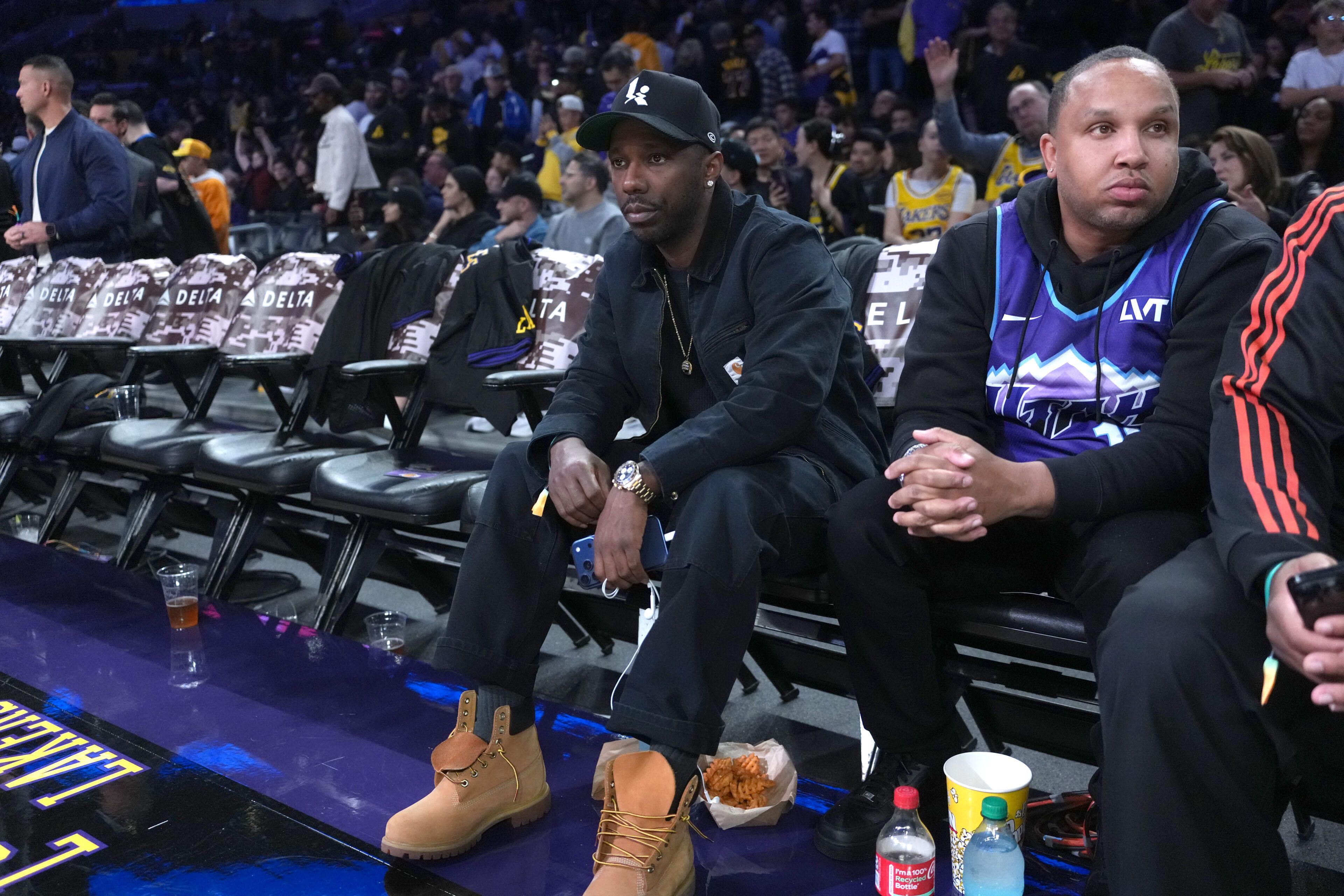
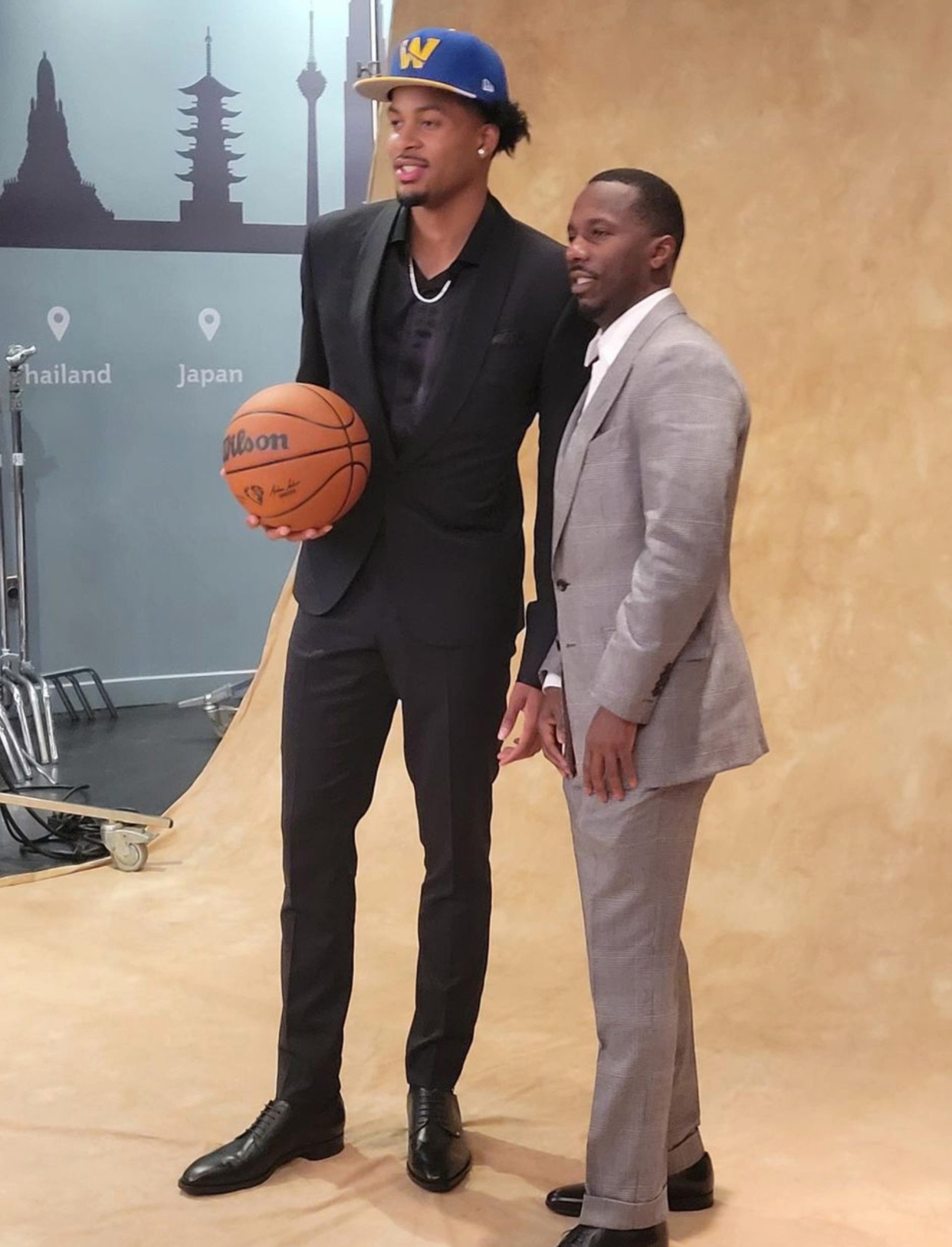
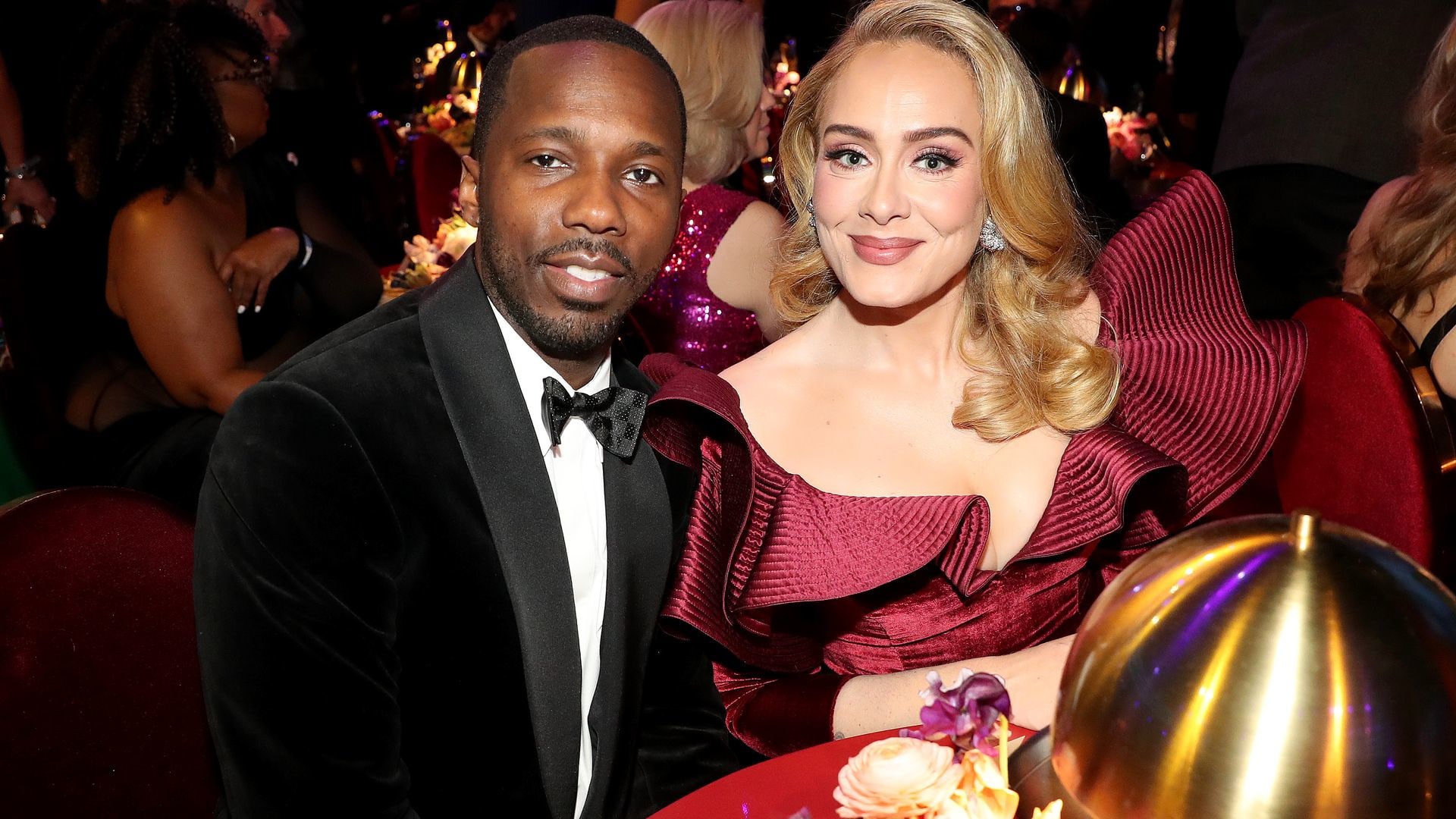
As of 2026, Rich Paul’s estimated net worth is approximately $120 million to $150 million, a figure derived from his success as the founder of Klutch Sports Group and his influential role in the professional basketball landscape. His financial standing reflects his transition from a grassroots business operator to one of the most powerful and high-grossing agents in the history of the National Basketball Association.
The Evolution of Klutch Sports Group
Rich Paul founded Klutch Sports Group in 2012, an endeavor that fundamentally shifted the power dynamic between NBA players and team front offices. Before the establishment of Klutch, the agency landscape for basketball players was dominated by long-standing, multi-sport firms. Paul’s strategy centered on a more personalized, athlete-centric approach, which eventually attracted marquee names such as LeBron James, Anthony Davis, and Draymond Green.
The growth of the firm was significantly bolstered in 2019 when United Talent Agency (UTA) acquired a minority stake in Klutch Sports. This partnership provided Paul with a broader platform for athlete marketing, media production, and off-court brand management. By integrating basketball representation with high-level entertainment networking, the firm maximized revenue streams beyond simple contract negotiations. The valuation of his net worth today is as much a reflection of his ownership stake in this entity as it is of his commissions from standard playing contracts.
Sources of Revenue and Financial Growth
To understand how Rich Paul accumulated his wealth, one must look at the diversified revenue model of modern sports representation. Agents in the NBA typically earn a commission capped by the National Basketball Players Association (NBPA), usually ranging from 2% to 4% of a player’s contract value. While these commissions provide a steady baseline, they rarely account for the total wealth of a high-profile agent.
Core Income Streams
- Contract Commission: The standard fee collected from negotiating multi-year, multi-million dollar NBA player contracts.
- Marketing and Endorsements: Agents often take a percentage of the endorsement deals they secure for clients, including footwear, apparel, and corporate partnerships.
- Equity and Partnerships: The most significant growth in wealth often comes from ownership stakes in agencies and performance-based bonuses tied to firm valuations.
- Production and Media: Through collaborations with media entities and the establishment of production houses, Paul has diversified into content creation, allowing for participation in the profits of documentaries, films, and digital media projects.
The financial success of an agent of Paul’s stature is largely dependent on the ability to manage the "total life" of the athlete. By facilitating high-level business deals that extend into the tech, fashion, and media industries, the agency captures a wider slice of the client's total earnings.
Comparison of Agency Business Models
The sports agency business is bifurcated between boutique, high-touch firms and large-scale, multi-sport agencies. The following table illustrates the differing approaches to athlete management and revenue generation.
| Model Type | Primary Focus | Revenue Drivers | Market Reach |
|---|---|---|---|
| Boutique/Exclusive | High-level talent, deep personal service | Contract commissions, long-term brand building | Elite, limited roster |
| Full-Service Global | High volume, diverse sport coverage | Management fees, investment advising, media | Mass-market, extensive |
| Integrated Talent/Sport | Hybrid athlete and brand management | Equity in firms, cross-platform media deals | Tiered, influential |
Rich Paul’s model falls into the hybrid "Integrated" category. By merging the personal service of a smaller firm with the reach of a partner like UTA, he has optimized his ability to scale without diluting the quality of his relationships with his top-tier clients.
The Impact of Market Dynamics on Agent Wealth
The wealth of top-tier agents is inherently tied to the growth of the sports industry. As NBA salary caps continue to rise, the total value of player contracts grows, which directly inflates the commission pool for agents. Furthermore, as the lines between professional athletes and media personalities blur, the demand for agents who can navigate both worlds has surged.
In 2026, the industry is seeing an increased focus on institutional investment in sports agencies. Firms are no longer just service providers; they are becoming assets that can be valued, leveraged, and sold. The integration of data analytics and social media influence into contract negotiations has also changed the requirements for agents. Today’s agent must act as a venture capitalist, brand strategist, and legal negotiator simultaneously.
Strategic Challenges and Market Limitations
While the accumulation of wealth in the sports representation sector is high, it is not without risk. Agents face significant overhead costs, including legal staffing, travel, marketing, and the need to maintain a sophisticated office presence in major hubs like Los Angeles, New York, or Cleveland.
Furthermore, there is inherent volatility in the athlete-agent relationship. Agents are heavily reliant on their clients' performance and longevity. A string of career-ending injuries or the retirement of a star client can significantly impact an agency's short-term revenue. To mitigate these risks, agencies often invest heavily in maintaining a pipeline of emerging talent, ensuring that the roster is constantly refreshed with high-potential prospects who have long, lucrative careers ahead of them.
Frequently Asked Questions
Does Rich Paul own the entirety of Klutch Sports Group?
Rich Paul is the founder and primary face of Klutch Sports Group, but the firm is a partnership. In 2019, United Talent Agency (UTA) acquired a significant minority interest in the firm. This strategic alliance allows Klutch to leverage UTA’s resources while retaining its brand identity and operational independence in the sports sector.
Are agent commissions fixed for all sports?
No, agent commissions are regulated by the respective players' unions in different sports. In the NBA, the NBPA sets maximum commission caps. While these caps provide a ceiling for standard contract negotiations, they do not necessarily limit income from ancillary activities like personal marketing deals, venture investments, or media production, which are negotiated via separate commercial contracts.
How does media production increase an agent's net worth?
By entering the production space, agents can secure a percentage of profit from the content created around their clients. Whether it is a documentary series, a biopic, or a branded digital series, the agency functions as a production house, earning fees for development and distribution that go beyond the traditional commission structure found in contract sports.
What is the primary difference between a traditional agent and a manager?
A traditional agent is primarily concerned with the negotiation of the playing contract and the legal fulfillment of that contract. A manager or "integrated" agent, like those at firms like Klutch, often handles the athlete’s holistic life, including investment oversight, media appearances, brand partnerships, and philanthropic efforts. The latter role typically earns a higher percentage across a wider array of income sources.
How has the 2026 economic environment changed the agency landscape?
As of 2026, the industry is increasingly focused on the intersection of technology and sports representation. Agents are now required to understand digital rights, NFT-adjacent licensing, and data-driven branding strategies. Those who can navigate these technical sectors have seen their personal valuations grow, as their clients command more money from non-traditional, tech-based endorsements.
Next Actions for Industry Analysis
For readers interested in the financial mechanics of the sports industry, the next logical step is to review the annual disclosures of major sports management holding companies. While private firms like Klutch Sports are not required to disclose individual internal finances, publicly traded agency groups often release quarterly reports detailing their revenue growth, debt-to-equity ratios, and expansion efforts. Monitoring these public benchmarks provides a clearer picture of the industry-wide trends that dictate the potential earning power of elite agents. Individuals should also consult the NBPA’s official agent directory and regulatory guidelines for the most accurate current standards regarding representative licensing and fee structures.