Age ratings are standardized systems used to categorize media content—including films, video games, and television—based on their suitability for specific age groups. These classifications help consumers, particularly parents, make informed decisions by identifying potentially sensitive themes such as violence, nudity, strong language, substance use, or intense psychological horror.
Age ratings serve as the primary bridge between content creators and the public. While they are often viewed through the lens of parental control, they also function as a vital regulatory framework that protects minors and provides legal safe harbors for distributors. In 2026, as digital content consumption continues to outpace traditional media, understanding the nuances of these ratings is essential for navigating an increasingly complex global media landscape.
The Foundations of Content Classification
The architecture of age ratings is built on two distinct models: voluntary industry self-regulation and statutory government-mandated systems. In the United States, systems like the MPA (for movies) and the ESRB (for games) are voluntary industry standards, though they carry significant weight in retail and exhibition. In contrast, many European and Asian territories utilize government bodies to enforce age-specific restrictions that are legally binding.
Regardless of the legal status, the methodology for assigning a rating remains remarkably consistent across different boards. Content is analyzed for "impact." A rating isn't just a tally of how many swear words are used; it is an assessment of the context and intensity of the material. For example, a single instance of graphic violence in a documentary about history may be rated more leniently than similar violence in an entertainment-focused horror film because the educational context mitigates the psychological impact on the viewer.
Motion Picture Ratings: MPA and BBFC Standards
The Motion Picture Association (MPA) in the United States and the British Board of Film Classification (BBFC) in the United Kingdom represent the most influential film rating bodies globally. While their goals are identical, their specific thresholds often differ.
The MPA System (USA)
The MPA system is designed to provide parents with advance information so they can decide which films are appropriate for their children. It is important to note that the MPA does not "censor" films; it merely labels them.
- G (General Audiences): All ages admitted. This signifies that the film contains nothing in theme, language, or violence that would offend parents whose younger children view the motion picture.
- PG (Parental Guidance Suggested): Some material may not be suitable for children. Parents are urged to give "parental guidance," as the film may contain some content they might not like for their young children.
- PG-13 (Parents Strongly Cautioned): Some material may be inappropriate for children under 13. This is the "bridge" rating. It often allows for one non-sexual use of a specific profanity and depictions of stylized or non-graphic violence.
- R (Restricted): Restricted to viewers 17 and older unless accompanied by a parent or adult guardian. The content may include hard language, intense violence, nudity, or drug abuse.
- NC-17 (Adults Only): No one 17 and under admitted. This is not the same as "X-rated" (a term no longer used by the MPA). It simply indicates that the content is strictly for adult audiences.
The BBFC System (UK)
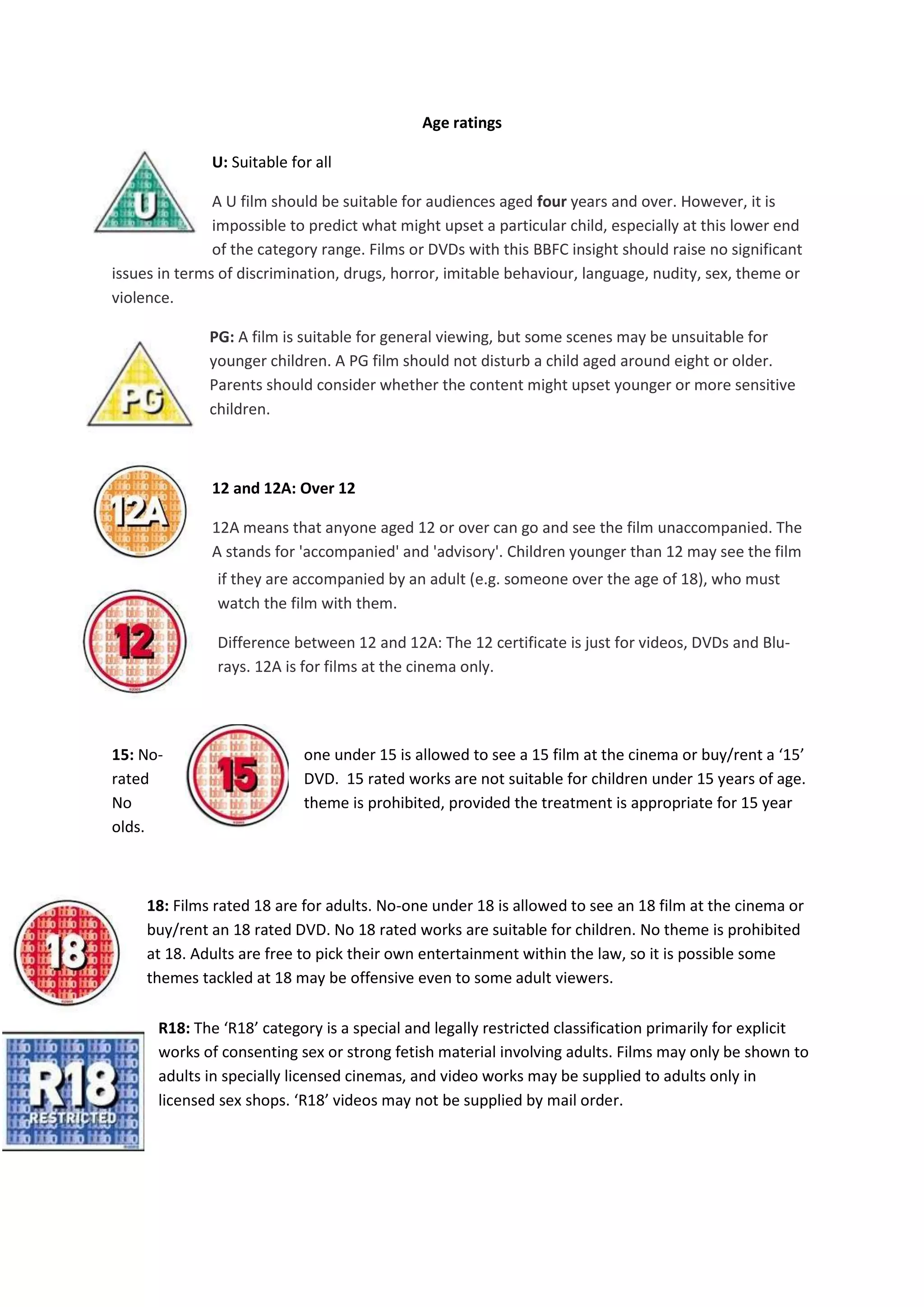
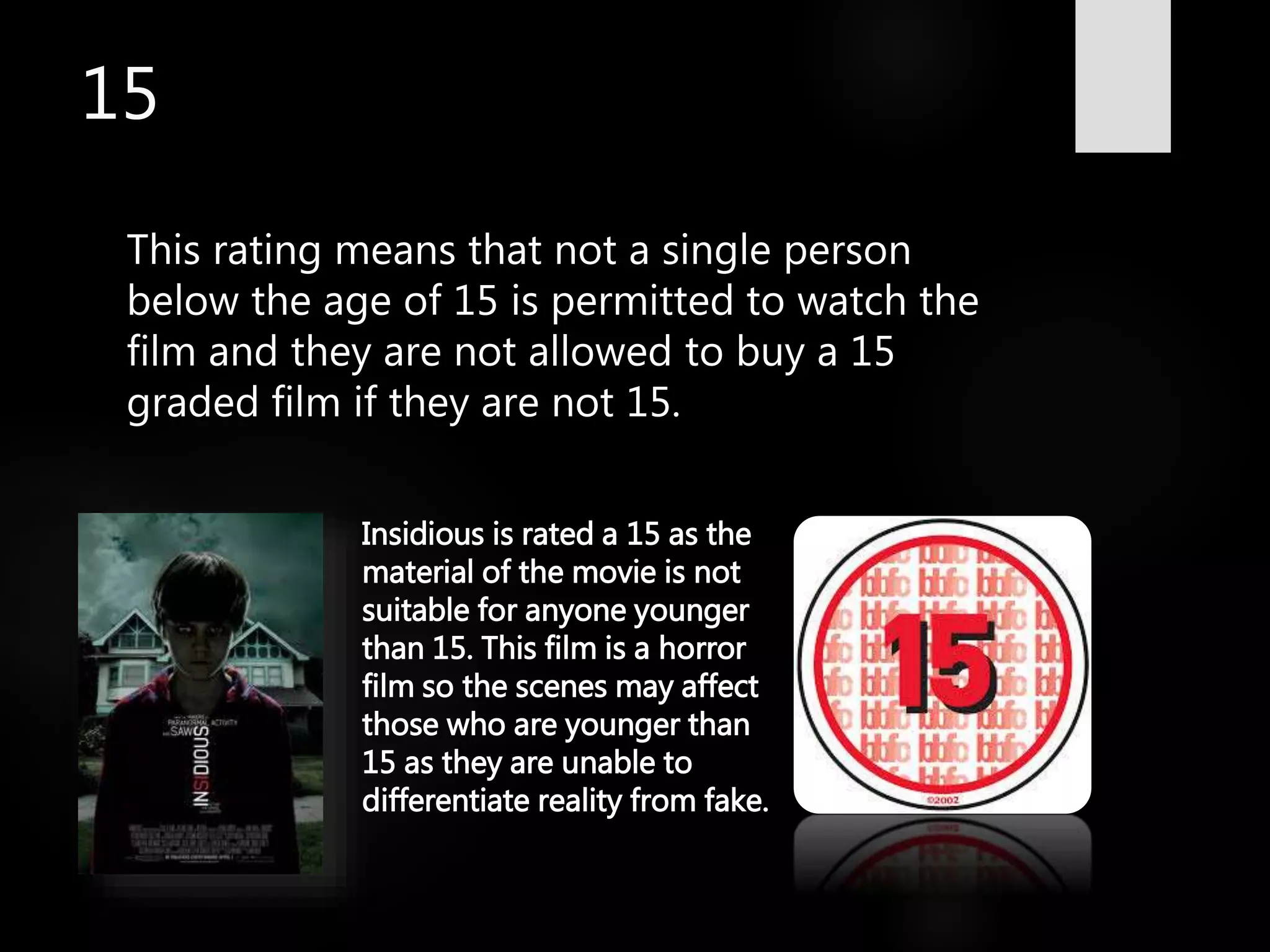
The BBFC is notable for its 12A rating, which was introduced to allow children under 12 to see films in theaters if accompanied by an adult, whereas a 12 rating is a strict legal cutoff for home media (DVDs/Blu-rays). The BBFC also uses the 15 and 18 ratings, which are legally enforceable at the point of sale and entry in the United Kingdom.
Video Game Classifications: ESRB and PEGI
Video games present a unique challenge for rating boards because they are interactive. Unlike a film, where the viewer is passive, a gamer’s actions can trigger different types of content. In 2026, the inclusion of "loot boxes," in-game purchases, and online interactions has made these ratings more complex.
Entertainment Software Rating Board (ESRB)
Primarily serving North America, the ESRB uses a three-part system: Rating Categories (age), Content Descriptors (why it got the rating), and Interactive Elements (online features).
- E (Everyone): Content is generally suitable for all ages. May contain minimal cartoon violence.
- E 10+ (Everyone 10+): Suitable for ages 10 and up. May contain more mild violence or suggestive themes.
- T (Teen): Suitable for ages 13 and up. May contain violence, crude humor, and some blood.
- M (Mature 17+): Content is generally suitable for ages 17 and up. May contain intense violence, blood and gore, sexual content, and strong language.
- AO (Adults Only 18+): Content suitable only for adults. This rating is rare and often prevents a game from being sold on major console storefronts or in traditional retail.
Pan European Game Information (PEGI)
PEGI is used in 38 European countries and relies on a strict age-labeling system: 3, 7, 12, 16, and 18. PEGI is unique because its icons (descriptors) are very specific, featuring pictograms for violence, bad language, fear (horror), gambling, sex, and drugs. In 2026, PEGI ratings are increasingly integrated directly into digital storefronts via the IARC (International Age Rating Coalition), which automates the process for smaller developers.
Television Content Guidelines
Television ratings differ from film and game ratings because they must account for the "broadcast day." Content that is acceptable at 10:00 PM (the "watershed" or "safe harbor" period) may not be acceptable at 10:00 AM.
In the United States, the TV Parental Guidelines include:
- TV-Y: All children.
- TV-Y7: Directed to older children (age 7+).
- TV-G: General audience.
- TV-PG: Parental guidance suggested.
- TV-14: Parents strongly cautioned (content unsuitable for children under 14).
- TV-MA: Mature audience only (unsuitable for children under 17).
These ratings are often accompanied by sub-ratings: V (violence), S (sexual content), L (strong language), and D (suggestive dialogue).
Comparing Global Age Rating Systems
The following table compares the approximate equivalents of the most common rating systems to help parents and consumers understand how a film or game might be classified across different regions.
| Rating Level | MPA (Film) | ESRB (Games) | PEGI (Games) | UK/BBFC (Film) |
|---|---|---|---|---|
| Preschool/All Ages | G | E | 3 | U |
| Early Childhood | G / PG | E / E10+ | 7 | PG |
| Pre-Teen | PG-13 | T | 12 | 12 / 12A |
| Mid-Teen | PG-13 / R | T / M | 16 | 15 |
| Adult Only | NC-17 | AO | 18 | 18 |
The Impact of Streaming and AI on Ratings in 2026
As of 2026, the sheer volume of content produced for streaming platforms like Netflix, Disney+, and Amazon Prime Video has necessitated a shift in how ratings are applied. Traditional boards cannot keep up with the thousands of hours of content uploaded monthly. This has led to the adoption of algorithmic content scanning.
Artificial Intelligence (AI) is now used to analyze video and audio tracks for specific "trigger" elements. These AI systems can identify the frequency of profanity, the intensity of strobe lighting (for photosensitive epilepsy), and the graphic nature of violence. While these automated ratings are usually reviewed by a human moderator for high-profile releases, many "Original" titles on streaming platforms now carry ratings generated by internal corporate standards that align with—but are not officially issued by—the MPA or BBFC.
Furthermore, Virtual Reality (VR) and Augmented Reality (AR) have introduced "Sensory Ratings." In 2026, it is common to see ratings that include "Comfort Levels," warning users about potential motion sickness or the intense psychological immersion that can occur in 360-degree horror environments.
How to Use Age Ratings Effectively
To get the most out of age ratings, consumers should look beyond the letter or number on the box.
- Check the Descriptors: The "Why" is often more important than the "What." A game rated "T for Teen" because of "Fantasy Violence" is very different from one rated "T" because of "Suggestive Themes."
- Understand the Interactive Elements: For modern gaming, look for the "In-Game Purchases (Includes Random Items)" label. This is essential for parents who wish to avoid games with gambling-like mechanics or loot boxes.
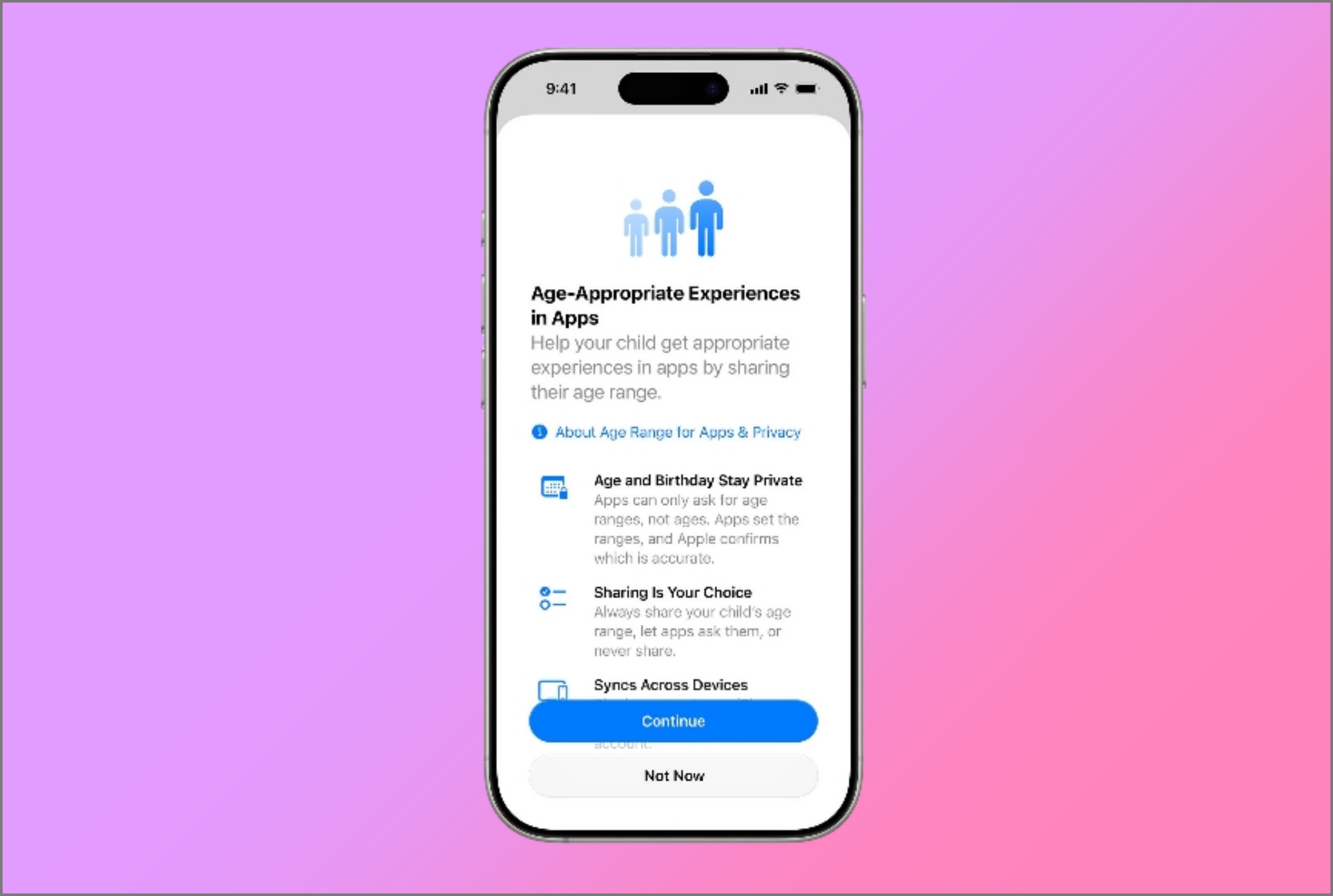
- Utilize Parental Controls: Most modern devices—from the PlayStation 6 to the latest smart TVs—allow users to lock content based on these ratings. Setting a "Hard Ceiling" at PG-13 or Teen ensures that restricted content cannot be accessed without a passcode.
- Consider the Individual: Age ratings are a generalized guide. A mature 12-year-old may be able to handle a PG-13 film, while a more sensitive 14-year-old might find it distressing. Ratings provide the baseline, but parental discretion remains the final step.
Are age ratings legally binding for buyers?
In many jurisdictions, such as the UK and Australia, age ratings for films and video games are legally enforceable. Retailers can be fined or lose their licenses for selling an "18" rated product to a minor. In the United States, however, the MPA and ESRB systems are voluntary. While most major retailers (like Walmart or Best Buy) and digital stores (like Steam or the Apple App Store) enforce these ratings as a matter of corporate policy, there is no federal law prohibiting a minor from purchasing an "M" rated game.
What does "Unrated" or "Director's Cut" mean?
An "Unrated" version of a film is one that has not been submitted to the rating board, or it is a version that includes scenes deleted from the theatrical release to avoid a stricter rating (like NC-17). Being "Unrated" does not inherently mean the content is adult-only; it simply means the official board has not verified the content. Many independent films and documentaries remain unrated due to the high cost of the submission process.
Do YouTube and social media videos have age ratings?
Social media platforms generally do not use the MPA or ESRB systems. Instead, they use "Community Guidelines" and self-certification. Creators on YouTube, for instance, must flag whether their content is "Made for Kids" under COPPA (Children's Online Privacy Protection Act) regulations. In 2026, many platforms have implemented AI-driven "Content Flags" that act as a de facto rating system, restricting certain videos to users over 18.
How are loot boxes and microtransactions rated?
By 2026, most global rating bodies have updated their standards to include specific labels for monetization. The ESRB and PEGI now require a "Notice" on the packaging if a game contains "In-Game Purchases" or "Paid Random Items" (loot boxes). In some regions, games with prominent gambling-like mechanics are automatically pushed to a higher age bracket (such as PEGI 18), regardless of the actual visual content of the game.
Selecting the Right Content for Your Household
The most effective way to manage media consumption is to combine age ratings with independent review resources. While an age rating tells you if a product is "safe" or "legal" for a certain age, it doesn't tell you if the content aligns with your specific family values. Utilizing the granular "Content Descriptors" provided by boards like the ESRB, alongside parental control settings on digital devices, provides a robust defense against inappropriate content. Always verify the rating on the specific regional storefront you are using, as a game may be rated differently in the US than it is in Europe or Japan due to varying cultural sensitivities regarding themes like violence or social interaction.