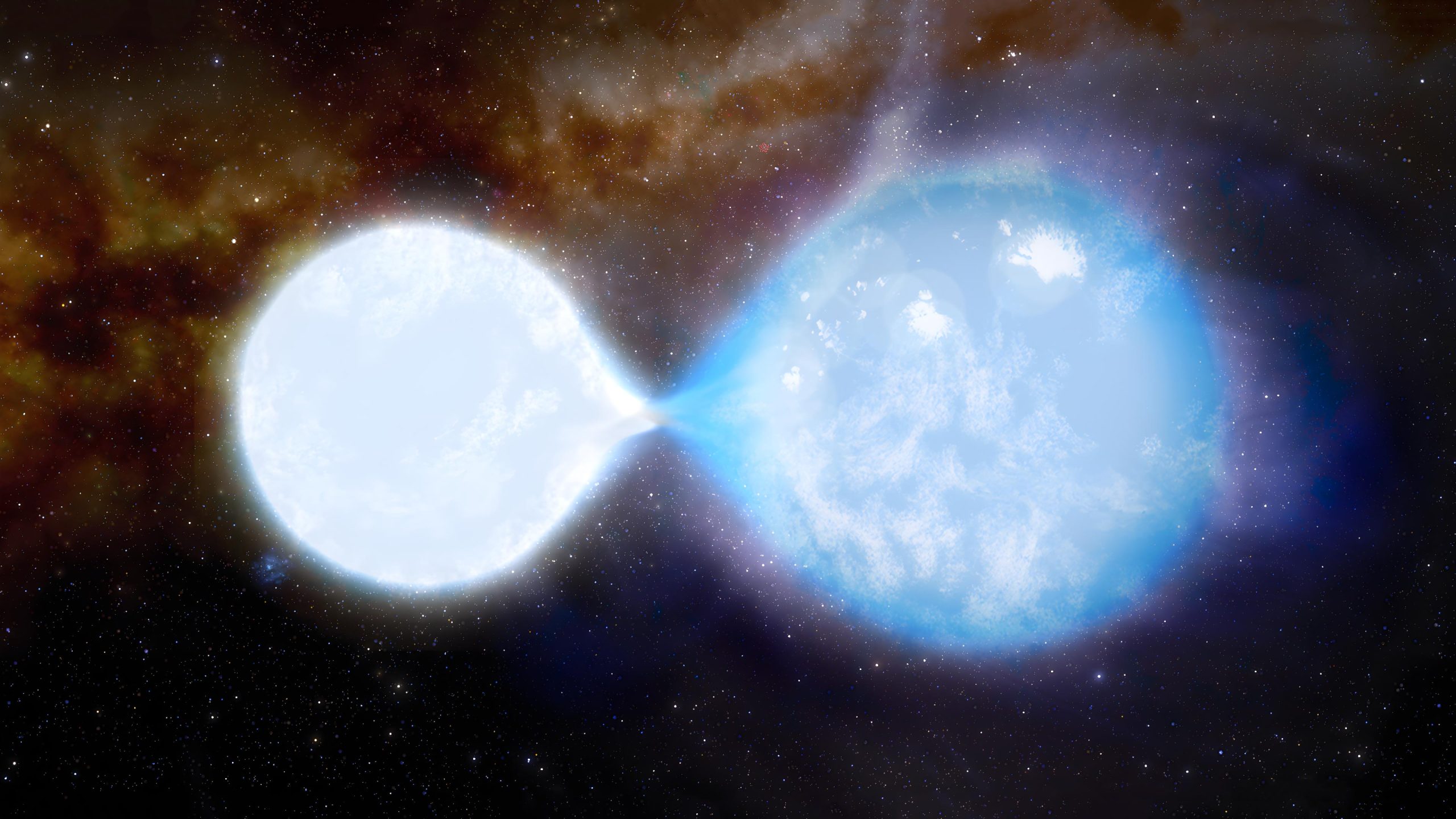
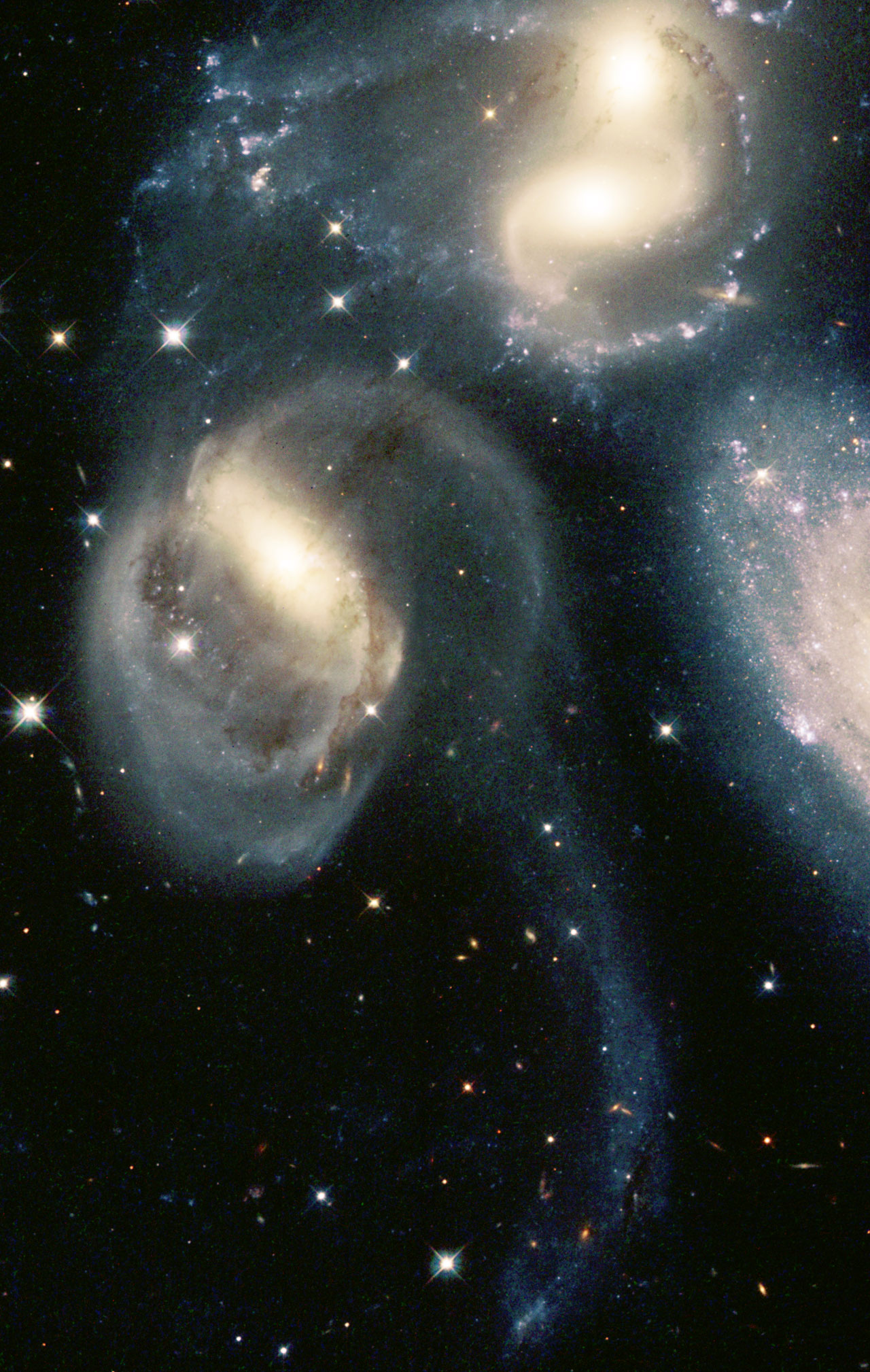
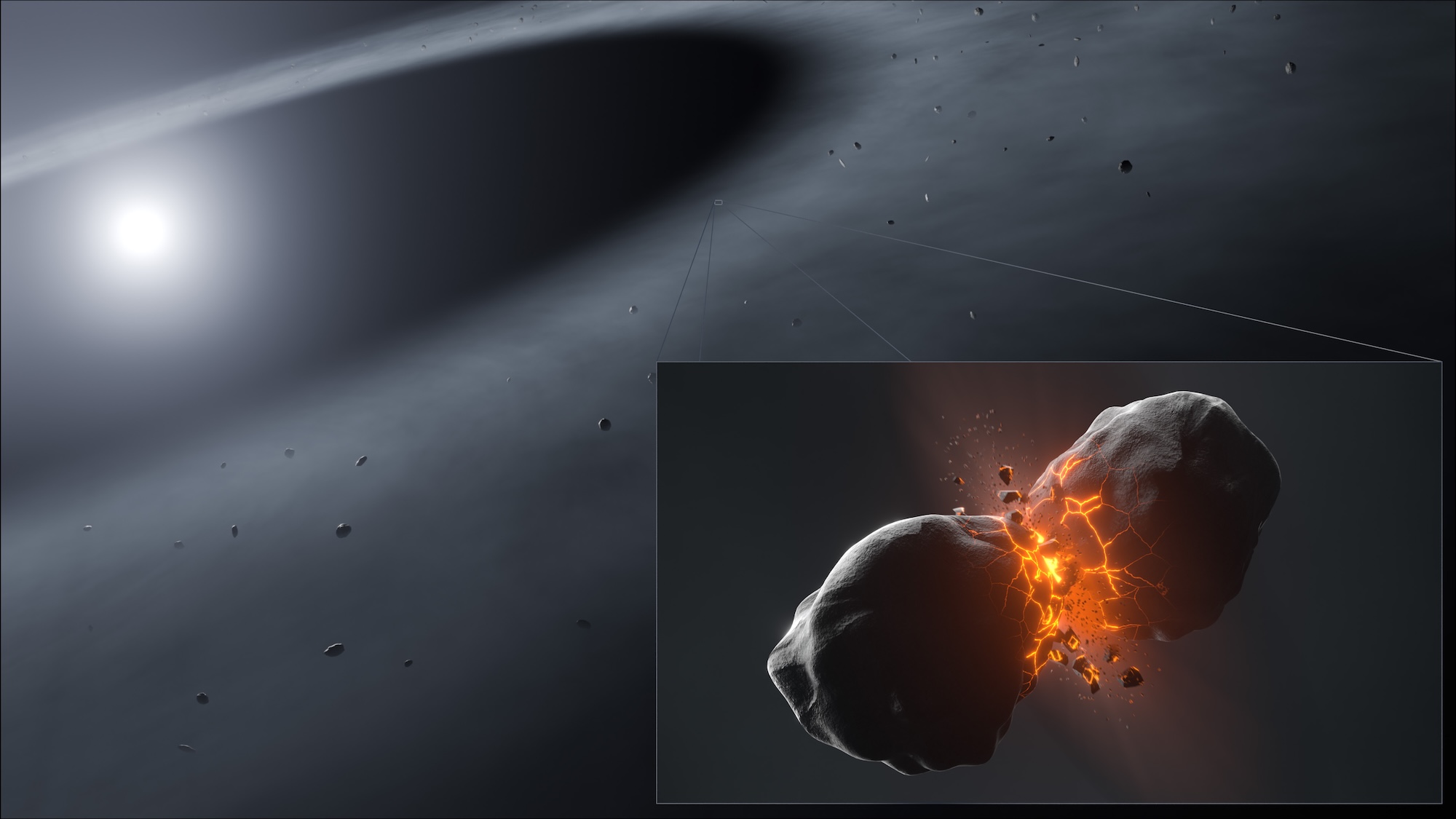
The concept of an alien earth collision represents a profound intersection of modern astrophysics, planetary dynamics, and speculative science fiction narratives that explore what happens when an exoplanet or rogue celestial body impacts a terrestrial world. In scientific terms, such an event constitutes a planetary-scale hypervelocity impact, capable of vaporizing crusts, boiling oceans, and entirely resetting a planet's evolutionary trajectory.
Understanding Planetary Dynamics and Hypervelocity Impact Mechanics
When examining how a cosmic collision unfolds on a terrestrial planet, researchers must first understand the baseline physics governing orbital mechanics and gravitational capture. Planetary systems are not static clockwork mechanisms; over millions of years, gravitational perturbations from giant gas planets, stellar flybys, and galactic tides can destabilize stable orbits. This orbital chaos occasionally injects rogue bodies—ranging from Mars-sized protoplanets to icy comets—into crossing trajectories with habitable-zone worlds.
A hypervelocity impact differs fundamentally from terrestrial explosions due to the sheer kinetic energy involved. Cosmic collisions typically occur at velocities between 11 and 72 kilometers per second. At these speeds, the strength of the impacting materials becomes negligible compared to the dynamic pressures generated upon contact. The kinetic energy ($E_k = \frac{1}{2}mv^2$) scales quadratically with velocity, meaning even a relatively modest asteroid possesses the destructive capacity of thousands of thermonuclear warheads. Upon impact, the kinetic energy is instantly transferred into a shockwave that compresses, melts, and vaporizes both the projectile and the target planet's surface material.
The consequences of such a catastrophic event can be categorized into distinct temporal phases:
- The Contact and Compression Stage: Occurring within milliseconds of impact, high-pressure shock waves propagate through the target planet, instantly creating extreme temperatures and pressures that alter mineral structures and melt bedrock.
- The Excavation Stage: Over the next few seconds to minutes, rarefaction waves reflect backward, ejecting a massive plume of vaporized rock, molten ejecta, and dust high into the upper atmosphere and exosphere.
- The Modification Stage: Gravity and seismic forces cause the walls of the newly formed transient crater to collapse inward, creating complex multi-ring basin structures and triggering global seismic reverberations.
Atmospheric and Environmental Consequences of a Cosmic Impact
The immediate physical destruction of a crater pales in comparison to the secondary atmospheric and environmental effects that follow a major cosmic collision. If an alien world or massive rogue body strikes a terrestrial planet, the immediate thermal radiation pulse creates a global firestorm. Infrared radiation from the re-entering ejecta plume bakes the planet's surface, igniting global forests and vegetation within hours of the impact event.
Following the initial thermal wave, the planet enters a prolonged period known as an impact winter. Billions of tons of fine silicate dust, soot from global fires, and sulfur aerosols are lofted into the stratosphere, blocking incoming solar radiation. Photosynthesis grinds to a halt, causing the collapse of primary producers at the base of the ecological food web. Surface temperatures plummet drastically, persisting for years or even decades until the particulate matter slowly settles out of the atmosphere.
| Impact Scale | Projectile Diameter | Primary Atmospheric Effect | Ecological Recovery Timeline |
|---|---|---|---|
| Regional Impactor | 100 – 500 meters | Localized dust storms, thermal shock | Decades to centuries |
| Continental Impactor | 1 – 10 kilometers | Stratospheric dust veil, acid rain | Millennia |
| Planetary-Scale Impactor | 500+ kilometers (Protoplanet) | Ocean vaporization, magma ocean formation | Millions of years |
Furthermore, if the colliding body is large enough—approaching protoplanetary dimensions comparable to the hypothetical body Theia, which struck the early Earth to form the Moon—the consequences include the complete vaporization of surface water and the melting of the planetary crust into a global magma ocean. Volatiles such as carbon dioxide, water vapor, and sulfur dioxide are degassed into the atmosphere in massive quantities, creating a runaway greenhouse effect once the dust clears.
Geological and Geophysical Alterations
A major cosmic collision fundamentally reshapes the geology and internal geodynamics of a terrestrial planet. The colossal transfer of energy disrupts the planet's lithosphere, fracturing the crust down to the mantle and inducing extensive volcanism through pressure-release melting. Magma plumes rise through the fractured crust, creating large igneous provinces that can outgas greenhouse gases for hundreds of thousands of years.
The planet's magnetic field, generated by convection currents in its liquid iron-nickel outer core, can also be severely disrupted or entirely reset. The intense shockwaves traveling through the planet's interior alter the thermal gradients at the core-mantle boundary. This disruption can halt core convection temporarily, causing the planetary magnetic dynamo to fail. Without a protective magnetosphere, the planet's atmosphere becomes increasingly vulnerable to erosion and stripping by stellar wind from its host star.
Over geological timescales, however, the scars of these impacts evolve. Erosion, tectonic activity, and sedimentation gradually bury or modify impact basins. On worlds lacking active plate tectonics, such as Mars or the Moon, ancient impact scars are preserved for billions of years, serving as a geological record of the heavy bombardment periods characteristic of young planetary systems.
Comparative Planetary Scenarios: Earth vs. Alien Worlds
To evaluate the plausibility and severity of a cosmic collision, scientists compare Earth's geological history with theoretical exoplanetary architectures. Earth has experienced major impacts throughout its history, most notably the Chicxulub impact 66 million years ago, which ended the Cretaceous-Paleogene period and wiped out non-avian dinosaurs. However, Earth's active plate tectonics and dense atmosphere have erased or heavily modified most ancient craters.
| Planet Type | Surface Composition | Primary Collision Risk | Post-Impact Regeneration Potential |
|---|---|---|---|
| Terrestrial Water World | Deep global oceans, thin crust | Mega-tsunami generation, global steam atmosphere | High (rapid organic rebound) |
| Rocky Desert World | Silicate rock, minimal atmosphere | Massive dust lofting, long impact winters | Moderate (slow volatile recovery) |
| Tidally Locked Exoplanet | Asymmetric thermal zones | Orbital decay via stellar tides | Low (extreme climate stabilization challenges) |
In contrast, alien terrestrial worlds orbiting close to red dwarf stars or within densely packed multi-planet systems face distinct evolutionary pressures. Tidally locked exoplanets, for instance, present unique collision dynamics because one side permanently faces the host star. An impact on the night side of such a world would trigger different atmospheric circulation responses compared to an impact on the sunlit day side, altering global wind patterns and heat redistribution mechanisms permanently.
Frequently Asked Questions
What happens to a planet's orbit after a major cosmic collision?
The orbital parameters of a planet—such as its semi-major axis, eccentricity, and axial tilt—can change significantly depending on the mass, velocity, and angle of the impactor. A massive, high-velocity oblique impact can alter the planet's rotation rate and axial tilt, drastically changing its seasonal climate cycles.
Can an alien earth collision completely destroy a planet?
Complete gravitational disruption or fragmentation of a planet requires a collision with an energy scale comparable to the planet's own gravitational binding energy. While protoplanetary impacts can melt the crust and create global magma oceans, smaller asteroid or comet impacts only affect the surface layers and atmosphere without destroying the planetary body itself.
How do scientists detect past cosmic collisions on exoplanets?
Astronomers detect potential past collisions by observing anomalous infrared emission signatures from circumstellar debris disks, abnormal atmospheric compositions containing refractory elements like iron and magnesium, and irregular planetary transit light curves caused by massive dust clouds orbiting the star.
What is an impact winter and how long does it last?
An impact winter occurs when fine dust, soot, and aerosol particles block sunlight following a massive collision. This causes global temperatures to drop precipitously. Depending on the size of the impactor and the volume of particulate matter injected into the stratosphere, an impact winter can last anywhere from several years to over a decade.
Are multi-ring basins common on terrestrial worlds?
Yes, multi-ring basins are the characteristic geological signature of large hypervelocity impacts. When a massive projectile strikes a planet, the crust rebounds and collapses in concentric rings around the central crater, a feature observed across rocky bodies throughout the solar system.
Mitigating Planetary Threat Scenarios and Future Research
Analyzing the mechanics of cosmic collisions provides vital insights not only for theoretical astrophysics but also for long-term planetary defense strategies. Understanding how impact energy couples with planetary surfaces allows researchers to model the exact thresholds required to deflect or disrupt hazardous Near-Earth Objects before they intersect inhabited orbits. Future observational campaigns utilizing advanced space-based telescopes and deep-space radar will continue to refine our ability to catalog potentially hazardous rogue bodies across diverse stellar systems, shedding light on the violent processes that shape worlds across the galaxy.