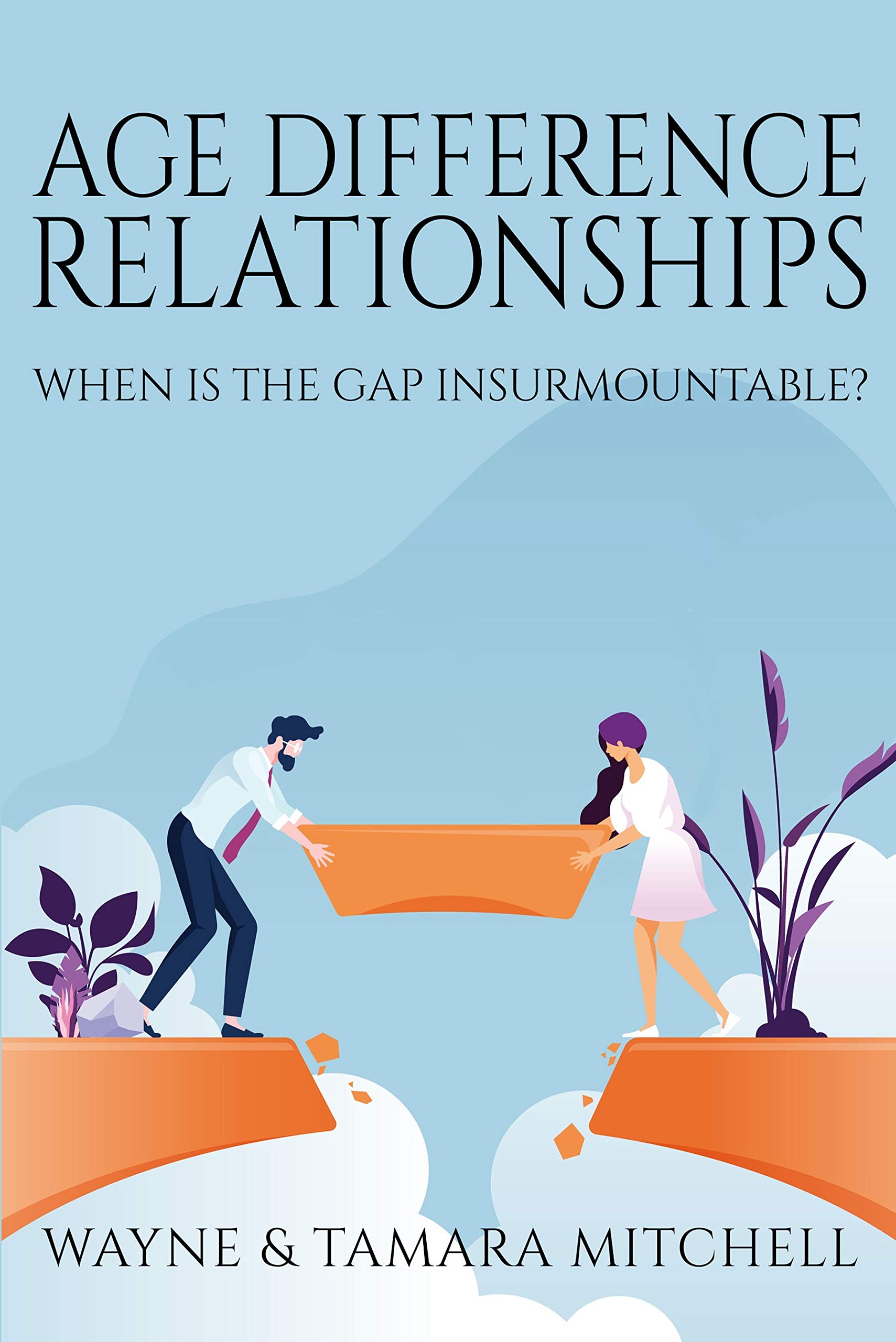
Age difference relationships involve partners with a significant gap in their chronological ages, typically defined as ten years or more. While these pairings are increasingly common in 2026, they require intentional communication, alignment on life goals, and an awareness of social perceptions to ensure long-term stability and mutual satisfaction.
Defining and Understanding Age Gaps
In the context of modern interpersonal dynamics, an age difference relationship is often characterized by a gap that falls outside the conventional societal norm. While there is no rigid mathematical threshold for what constitutes a "large" age gap, researchers and sociologists frequently utilize a ten-year benchmark to study the unique social, biological, and practical implications of such pairings. These relationships occur across all demographics and sexual orientations, yet they frequently navigate specific challenges regarding life stages, power dynamics, and external judgment.
The primary driver for success in these relationships is not the chronological distance between partners, but rather the degree of synchronicity in their long-term vision. A partnership between a 25-year-old and a 45-year-old may encounter different logistical hurdles than a union between a 40-year-old and a 60-year-old, as the former involves disparate professional trajectories while the latter often centers on retirement planning and health-related milestones.
Addressing Lifecycle and Developmental Mismatch
One of the most frequent points of friction in age-gap dynamics is the difference in life stages. Individuals at different decades of life are often at different points in their career, financial accumulation, and personal development. For instance, a younger partner may be in a period of high professional risk-taking or exploration, while an older partner may prioritize stability and risk mitigation.
These differences are not insurmountable, but they necessitate a transition from assumption-based communication to explicit negotiation. Partners must address:
- Career Trajectories: How much time and energy will each partner dedicate to professional advancement, and how does this affect the household budget or free time?
- Family Planning: If one partner is past childbearing age and the other is not, this remains a foundational issue that requires early, transparent discussion.
- Social Circles: The bridge between different generations of friends can be wide; partners must decide how to integrate their respective social worlds and maintain individual autonomy.
Practical Comparisons of Relationship Priorities
When evaluating the dynamics of partnerships with significant age differences, it is useful to categorize common concerns against the developmental needs of the partners involved.
| Feature | Younger Partner Perspective | Older Partner Perspective |
|---|---|---|
| Financial Focus | Wealth accumulation, debt reduction | Asset management, estate planning |
| Social Life | Networking, peer-group expansion | Established routines, smaller circles |
| Health Awareness | Preventive care, fitness optimization | Age-related health management |
| Life Priorities | Career foundation, identity exploration | Legacy, stability, legacy planning |
Managing Social Perception and External Bias
Societal attitudes toward age-gap relationships have evolved, but they remain subject to external scrutiny. Often, these relationships face unfair assumptions—such as the belief that they are inherently transactional or built on an imbalance of power. While these stereotypes are rarely reflective of the private reality of a couple, they can create external pressure.
Couples should prioritize a united front. This involves setting boundaries regarding family members or friends who may express unsolicited opinions. Developing a narrative that focuses on shared values rather than demographic stats helps deflect judgment. When both partners feel confident in the integrity of their commitment, the influence of public opinion is significantly diminished.
Financial and Legal Considerations
By 2026, the financial planning landscape for age-gap couples is increasingly sophisticated. Because these couples may have significantly different net worths or retirement timelines, specialized financial planning is essential.
The younger partner may need to consider the reality of caregiving for an older spouse sooner than their peers, while the older partner may need to adjust estate plans to ensure the long-term security of their partner. Legal instruments such as prenuptial agreements, healthcare directives, and updated beneficiary designations are not merely administrative tasks—they are acts of care that provide security for both parties. Consulting with a financial advisor who specializes in multi-generational planning can help align assets with the reality of differing life expectancies.
Communication Strategies for Long-Term Success
Communication in any long-term partnership requires honesty, but in age-gap relationships, it requires a specific focus on "future-proofing." This means discussing scenarios that many couples avoid, such as potential illness, end-of-life care, or changes in physical ability.
Use the following strategies to maintain alignment:
- Periodic Vision Alignment: Every 24 months, review your life goals. Ensure that the compromises made in the early stages of the relationship are still serving both partners as they age.
- Explicit Boundary Setting: Define what private aspects of the relationship remain between the two of you, protecting the partnership from external interference.
- Intellectual and Emotional Exchange: Actively share the cultural contexts and historical perspectives that shaped each partner. This turns the "age gap" into a source of intellectual curiosity rather than a barrier to empathy.
FAQ: Common Questions on Age Differences
Does a larger age gap increase the likelihood of divorce?
Statistical analysis on divorce rates is complex. While some studies suggest higher age gaps correlate with an increased statistical probability of divorce, these models often fail to account for the specific values, communication styles, and mutual commitment of the couple. Individual compatibility remains a far stronger predictor of success than chronological age.
How should we approach the topic of age-gap family dynamics?
Transparency is critical. When introducing a partner to family, focus on the aspects of the relationship that are universally understood—mutual respect, support, and shared interests. If family members express concerns, treat them as rooted in concern for your well-being, but maintain clear boundaries regarding the validity of their input in your private life.
Are there specific health considerations for older partners?
Yes, health management is a practical necessity. As a partnership progresses, the older partner may experience a faster rate of health decline. Engaging in regular, open conversations about health, exercise, and medical preferences allows both partners to plan for the future without fear, ensuring that care is provided with dignity and foresight.
How do we handle career-related power imbalances?
Power imbalances often arise from financial dependence rather than age alone. To mitigate this, prioritize independent financial goals for the younger partner early on. Ensuring both partners have a sense of agency and individual purpose outside the relationship prevents resentment from building over time.
Next Actions for Building a Stable Foundation
If you are in an age-gap relationship, the most effective next action is to schedule a comprehensive "future-state" planning session. This should move beyond daily logistics to cover the next five to ten years. Verify your current legal documentation—specifically regarding medical power of attorney and beneficiary status—to ensure that your partner is legally protected under current 2026 regulations. Finally, prioritize the cultivation of a shared hobby or interest that exists independently of the generational context, reinforcing the emotional bond that brought you together in the first place.