An individual's age and career profile intersect to define their professional identity, combining accumulated experience, technical competency, and adaptability across changing economic landscapes. This dynamic influences hiring decisions, retention strategies, and leadership trajectories, shaping how workers position themselves at various stages of employment.
Evaluating a professional journey requires looking beyond chronological age to examine the substance of a career profile. Employers and professionals alike must navigate generational shifts, skill obsolescence, and institutional expectations. Understanding how chronological markers interact with experiential portfolios helps organizations build balanced teams and allows professionals to strategically manage transitions, upskilling, and long-term trajectory planning.
Defining the Core Components of a Career Profile
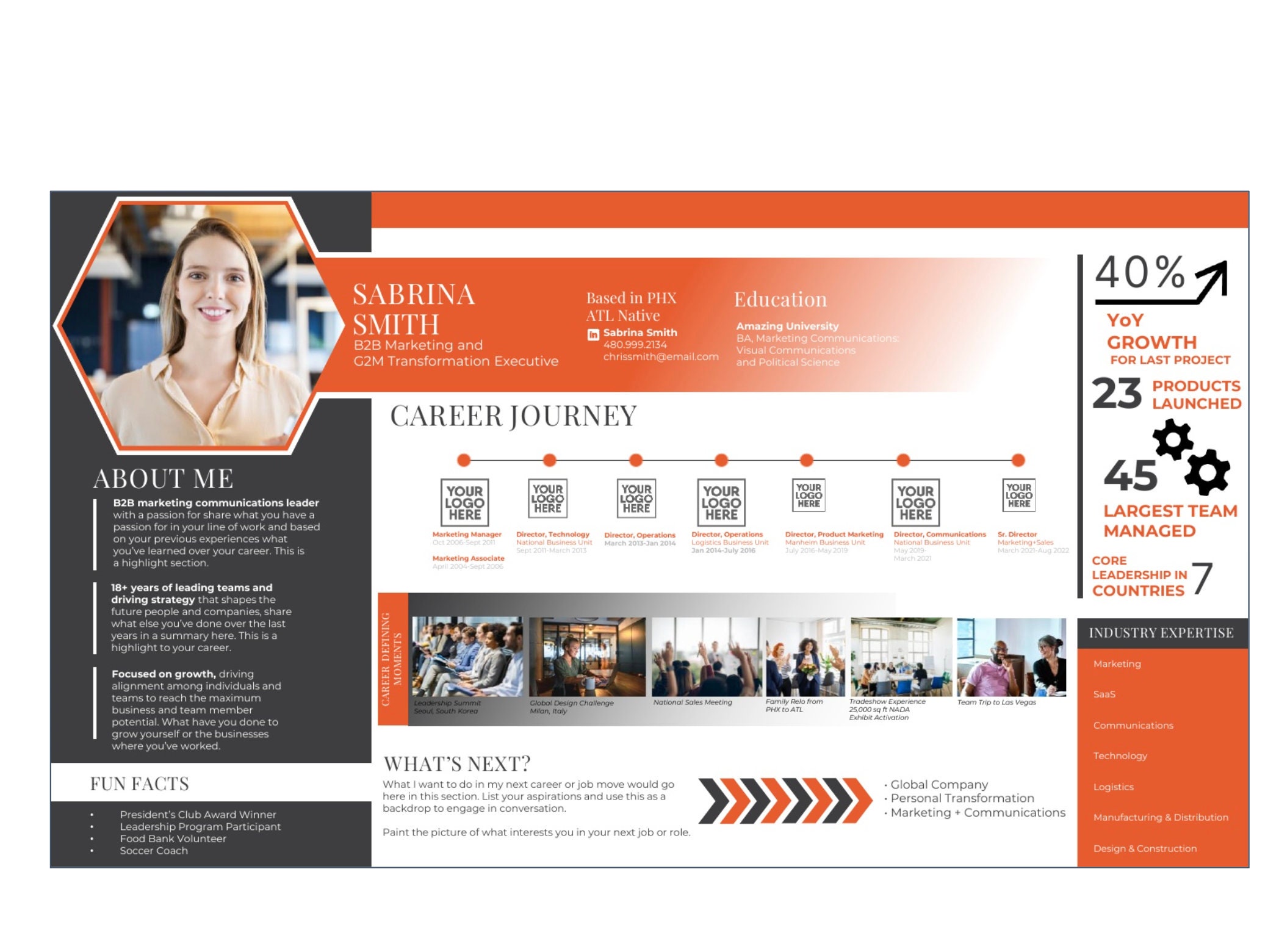
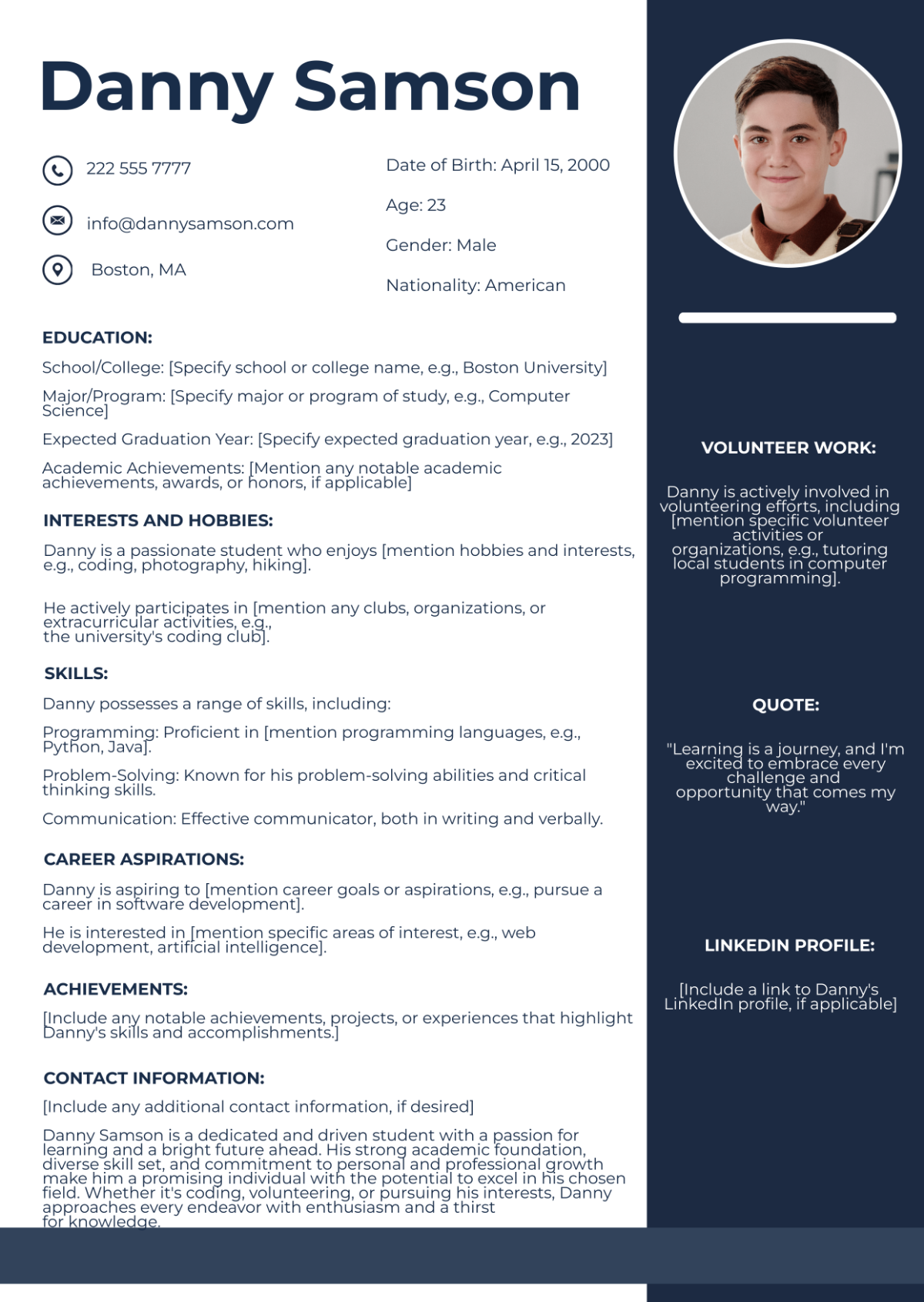
A career profile is a structured summary of an individual's professional history, core competencies, educational background, and verified achievements. Unlike a chronological resume, which lists past positions sequentially, a comprehensive career profile synthesizes these elements to communicate a distinct professional value proposition. It highlights specialized skills, leadership capabilities, and industry alignment, providing a holistic view of what an individual brings to an organization.
Within this profile, age often serves as an implicit contextual layer rather than a direct performance metric. For early-career professionals, the profile typically emphasizes foundational education, certifications, and technical aptitude gained through entry-level roles or internships. Mid-career profiles focus on project ownership, cross-functional collaboration, and the emergence of specialized domain expertise. Late-career or executive profiles center on strategic oversight, organizational governance, financial stewardship, and mentorship.
Organizations evaluate these profiles to assess cultural fit and operational readiness. However, relying solely on career tenure can introduce biases. A robust evaluation framework decouples chronological age from capability, measuring success through demonstrated output, continuous learning agility, and documented problem-solving competencies. This objective approach ensures that talent management strategies remain equitable and focused on merit.
The Influence of Chronological Age on Professional Perception
Chronological age continues to shape professional dynamics through implicit biases, institutional norms, and generational stereotypes. While labor laws in many jurisdictions, such as the Age Discrimination in Employment Act (ADEA) in the United States or equivalent equality frameworks globally, prohibit discrimination based on age for workers over forty, professional perceptions remain nuanced. Younger workers may face skepticism regarding their operational maturity or resilience under pressure, while older workers frequently encounter unfounded assumptions regarding their adaptability to new technologies.
These perceptions affect recruitment, promotion, and professional development opportunities. For instance, fast-paced industries like technology and startups have historically favored younger demographics, occasionally stereotyping older professionals as resistant to rapid iteration. Conversely, traditional sectors such as law, finance, and higher education often place a high premium on seniority, sometimes undervaluing the innovative digital native perspectives of younger staff members.
| Career Stage | Primary Profile Focus | Common Perceived Strengths | Potential Stereotypes to Navigate |
|---|---|---|---|
| Early Career | Education, certifications, foundational skills | High energy, digital fluency, adaptability | Lack of strategic vision, need for supervision |
| Mid-Career | Project leadership, domain expertise, execution | Reliability, balanced perspective, tactical depth | Siloed thinking, resistance to unproven methods |
| Late Career | Governance, mentorship, strategic vision | Crisis management, institutional memory, high-level negotiation | Technological obsolescence, high compensation demands |
Addressing these perceptions requires transparent evaluation metrics. Organizations that implement blind recruitment practices, skills-based testing, and structured interview rubrics mitigate the impact of unconscious bias related to age, fostering environments where diverse age cohorts collaborate effectively.
Strategies for Multi-Generational Workforce Management
Modern workplaces frequently house up to four distinct generations simultaneously: Baby Boomers, Generation X, Millennials, and Generation Z. Each cohort brings distinct communication styles, expectations regarding work-life balance, and technological fluency. Managing this diversity requires intentional leadership that bridges experiential gaps and capitalizes on the unique strengths of every age group.
Reverse mentoring programs represent one effective strategy, pairing senior executives or long-tenured staff with younger digital natives. This exchange allows older workers to gain insights into emerging digital tools, modern communication platforms, and evolving consumer trends, while younger professionals receive invaluable leadership coaching, political acumen, and industry history from seasoned experts. Furthermore, knowledge transfer initiatives ensure that institutional memory is preserved before senior workers transition into retirement, mitigating operational disruption.
Communication protocols also require calibration in multi-generational settings. While older professionals may prefer formal email communication or scheduled face-to-face meetings, younger cohorts often favor asynchronous, instant messaging platforms. Establishing organizational norms that accommodate these preferences while maintaining high operational transparency prevents friction and encourages cohesive team dynamics.
Adapting Career Profiles for Longevity and Continuous Reskilling
As global life expectancies rise and retirement models evolve, the traditional linear career path—education followed by decades of continuous employment and a sudden exit—is being replaced by multi-stage careers. Professionals must actively update their career profiles to remain competitive across decades of labor market shifts. This necessitates a commitment to lifelong learning and deliberate upskilling.
| Reskilling Approach | Primary Objective | Typical Implementation | Target Career Stage |
|---|---|---|---|
| Vertical Deepening | Master advanced concepts within a current domain | Specialized certifications, graduate degrees | Mid-Career |
| Lateral Pivoting | Transfer core skills into an adjacent industry | Bootcamps, transitional project roles | All Stages |
| Digital Upskilling | Integrate emerging technologies (e.g., AI, data analytics) | Micro-credentialing, vendor-specific training | Late Career / Mid-Career |
Professionals managing career transitions later in life often leverage transferable skills—such as project management, stakeholder negotiation, and complex problem-solving—to bridge gaps into new sectors. By framing their extensive career profile around adaptability rather than static job titles, mature workers position themselves as agile assets capable of navigating technological disruption.
Overcoming Age-Related Barriers in Modern Recruitment
Job seekers navigating career changes later in life frequently encounter challenges related to ATS (Applicant Tracking Systems) and resume optimization. Chronological resumes detailing decades of history can inadvertently reveal age markers, triggering unconscious biases during initial screening phases. To counter this, professionals often adopt functional or hybrid resume formats that highlight recent, highly relevant achievements rather than a complete historical timeline.
Strategic networking and direct relationship-building remain powerful tools for mitigating age-related barriers in recruitment. Personal referrals and industry association engagement bypass automated filters, allowing candidates to demonstrate their current value proposition directly to hiring managers. Additionally, maintaining an active, professionally curated online presence that highlights recent accomplishments, thought leadership, and continuous learning reassures prospective employers of an applicant's current market relevance.
Frequently Asked Questions
How does chronological age legally impact hiring and career progression?
In many jurisdictions, labor laws prohibit discrimination against workers within specific age brackets—typically individuals aged forty and older. These regulations govern recruitment, compensation, terms of employment, and termination. However, proving age discrimination can be complex, making proactive profile optimization and skills documentation essential for job seekers.
What is the best way to handle a long employment history on a resume?
Candidates with extensive work histories should typically limit their detailed employment section to the past ten to fifteen years. Earlier roles can be summarized in a brief "Early Career History" section without specific dates, or omitted entirely if they do not add direct value to the current target role.
How can older professionals prove their technical adaptability?
Older professionals can demonstrate technical adaptability by highlighting recent certifications, listing modern software and tools used in recent projects, and linking to personal portfolios or professional blogs that showcase engagement with current industry trends and technologies.
Are multi-generational teams more productive than homogenous teams?
Research consistently indicates that diverse teams, including those spanning multiple age groups, outperform homogenous teams in complex problem-solving, innovation, and decision-making. The combination of fresh perspectives and deep experiential knowledge creates a balanced operational environment.
How do career profiles differ across early and late career stages?
Early-career profiles focus heavily on academic credentials, foundational skills, and potential, while late-career profiles emphasize quantifiable leadership outcomes, strategic governance, revenue generation, and crisis management capabilities.
Strategic Next Steps for Professional Positioning
To optimize your career profile regardless of your current age bracket, conduct a comprehensive audit of your professional portfolio. Identify any technological or methodological gaps relative to current industry standards and commit to acquiring at least one relevant micro-credential or certification within the next six months. Revamp your resume or digital profile to highlight your most recent, impactful achievements and ensure your professional narrative communicates continuous adaptability, strategic thinking, and readiness for future market shifts.