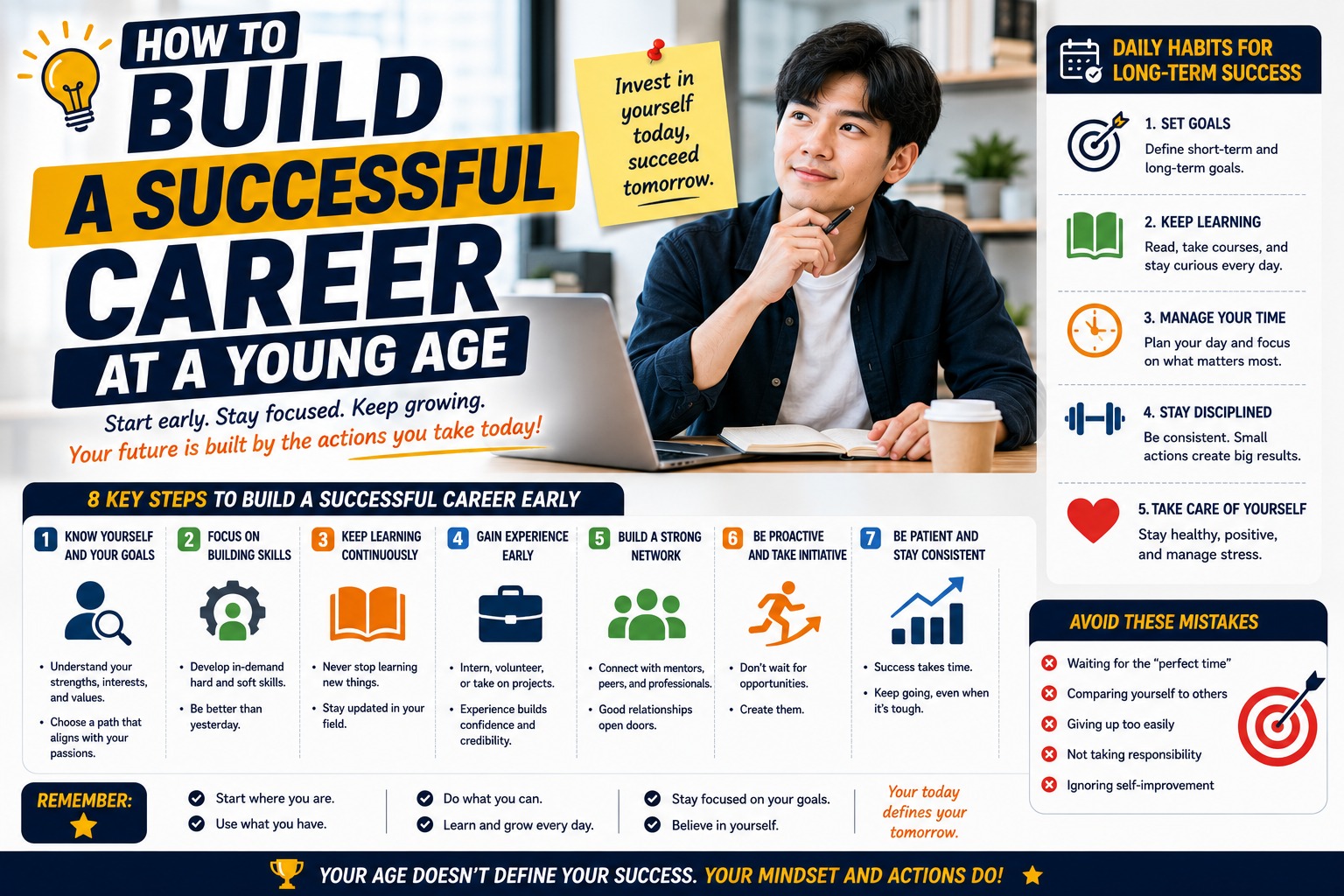
Age and career context shape how professionals navigate transitions, upskill, and evaluate growth opportunities. By examining career stage alongside biological or chronological age, individuals and organizations can better understand workplace dynamics, mitigate bias, and design sustainable, long-term career trajectories that adapt to evolving economic landscapes.
Defining Age and Career Context in the Workplace
When examining professional mobility and development, separating chronological age from career context often leads to oversimplified assumptions. Chronological age refers simply to the number of years a person has lived, whereas career context encompasses the accumulation of experiences, industry shifts, skill relevance, personal responsibilities, and positioning within a specific job market. A professional entering a new sector at age forty brings decades of transferable problem-solving skills, stakeholder management, and emotional intelligence, contrasting sharply with an entry-level worker of the same age who may be starting from a different baseline of industry-specific exposure.
Understanding this dual framework helps organizations design equitable training programs and assists individuals in framing their professional narratives. Ageism in hiring often manifests as bias against chronological milestones, yet career context reveals the actual productivity, adaptability, and leadership capacity of a worker. By looking past mere numbers, talent acquisition teams can evaluate candidates based on the complexity of the problems they have solved, the scale of projects they have managed, and the relevance of their current skill stack to the modern economy.
The Intersection of Lifespan Demographics and Career Evolution
Workforce demographics are shifting globally as populations age and statutory retirement ages rise in many developed economies. Professionals are increasingly likely to experience multiple distinct career chapters, moving across industries rather than remaining anchored to a single corporate ladder for forty years. This reality challenges traditional models of career progression, which historically assumed a linear path: education in early life, uninterrupted advancement through middle age, and complete withdrawal from the workforce at a fixed retirement threshold.
| Career Phase | Primary Focus | Typical Challenges |
|---|---|---|
| Early Career (Ages 20–35) | Skill acquisition, networking | Wage stability, role ambiguity |
| Mid Career (Ages 35–50) | Specialization, leadership | Burnout, work-life integration |
| Late Career (Ages 50+) | Mentorship, strategic pivots | Technological bias, obsolescence |
This structural shift requires both employees and employers to adopt continuous learning mindsets. Mid-career professionals frequently find themselves needing to upskill or reskill to keep pace with technological automation and artificial intelligence integration. Rather than viewing these transitions as anomalies, modern human resources frameworks increasingly view career fluidity as a normal component of professional longevity, where accumulated institutional knowledge pairs with digital dexterity.
Navigating Career Transitions at Different Life Stages
Career transitions manifest differently depending on the life stage in which they occur. Early-career pivots often focus on finding structural fit, testing various organizational cultures, and establishing baseline financial security. Professionals in this phase have high operational mobility but may lack the specialized leverage required to negotiate complex compensation packages or leadership responsibilities.
Conversely, mid-career transitions are often driven by a search for alignment, greater autonomy, or leadership impact. At this stage, professionals frequently contend with intersecting personal responsibilities, such as raising children or caring for aging family members, which influences their risk tolerance. Navigating a pivot in one's forties or fifties requires leveraging existing capital—both social and financial—to absorb short-term friction while transitioning into new domains. Strategic networking, targeted credentialing, and translating past accomplishments into new industry lexicons are essential mechanics for successful mid-to-late-career mobility.
Overcoming Structural Bias and Age-Related Stereotypes
Age-related bias remains a persistent hurdle in professional development. Stereotypes frequently paint older workers as resistant to technology or expensive to employ, while younger workers may face assumptions regarding commitment or strategic maturity. Addressing these biases requires a dual approach: systemic policy enforcement within organizational recruitment pipelines and proactive narrative framing by job seekers.
Organizations combatting age bias often implement blind recruitment practices, removing graduation dates and early employment markers from initial resume reviews to focus exclusively on verifiable competencies and recent project outcomes. For individual professionals, neutralizing bias involves maintaining a visibly modern skill set, engaging with contemporary collaboration platforms, and demonstrating continuous adaptability. Highlighting recent certifications, agile project management methodologies, or cross-functional leadership initiatives proves that a professional's value lies in their active operational capability rather than their position on a chronological timeline.
Designing Sustainable Lifelong Learning Strategies
Sustaining a multi-decade career requires intentional, continuous education that anticipates market shifts rather than reacting to them. Traditional degree programs no longer suffice for an entire working life; instead, professionals must embrace micro-credentialing, targeted technical certifications, and executive education modules that address specific skill gaps.
Effective lifelong learning strategies involve regular self-audits of one's professional toolkit. Workers should assess whether their primary skills are easily automatable, whether they possess cross-functional competencies, and how well their network spans different industry sectors. By treating professional development as an ongoing operational expense rather than a one-time event, individuals ensure their career context remains robust, competitive, and resilient against economic volatility.
Frequently Asked Questions
How does chronological age differ from career context in hiring?
Chronological age measures the time elapsed since birth, whereas career context measures the depth, relevance, and complexity of a person's professional experiences. Hiring managers who focus on career context evaluate candidates based on adaptability, problem-solving history, and transferable skills rather than arbitrary age milestones.
What are the main challenges of making a career change in mid-life?
Mid-life career changers often face financial commitments, family responsibilities, and potential pay cuts when entering a new sector. Overcoming these hurdles requires strategic financial planning, leveraging existing transferable skills, and utilizing established professional networks to bridge the gap into the new field.
How can older workers mitigate technology bias during job searches?
Older professionals can counter technology bias by highlighting recent digital project management experience, modern software proficiencies, and up-to-date certifications on their resumes. Maintaining an active professional portfolio and participating in modern collaborative environments also demonstrates current operational relevance.
Why is continuous upskilling essential for modern career longevity?
Rapid technological advancement and evolving economic models mean that static skill sets quickly lose relevance. Continuous upskilling ensures that a professional's career context remains competitive, enabling smooth transitions between roles, industries, and organizational structures over an extended working life.
How do personal responsibilities intersect with age and career progression?
Personal responsibilities, such as childcare, eldercare, or health management, frequently peak during mid-career phases, impacting work-life balance and career mobility. Acknowledging this intersection allows individuals to seek flexible work arrangements and organizations to design supportive policies that retain experienced talent.
Strategic Next Steps for Professional Alignment
To effectively manage age and career context in your own professional journey, begin by conducting a comprehensive audit of your current skill stack against emerging trends in your industry. Identify any gaps where technological integration or shifting market demands require targeted upskilling. Update your professional profiles to emphasize recent achievements, leadership impact, and ongoing education rather than relying solely on historical milestones. Finally, actively cultivate a diverse professional network that spans multiple generations and sectors, ensuring you remain informed about broader economic shifts and alternative career pathways.