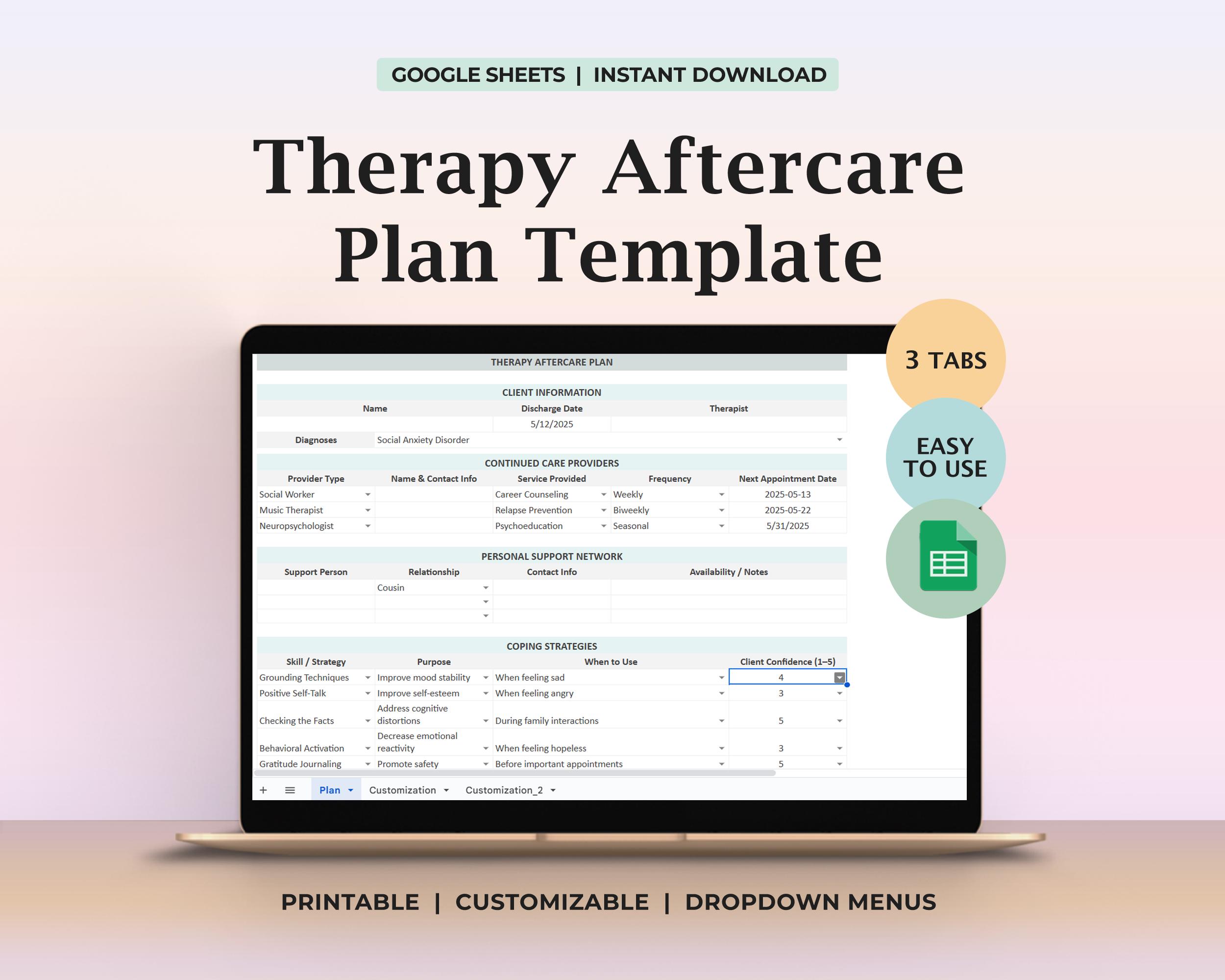
Aftercare planning is a structured, intentional process of designing ongoing support, safety protocols, and resource access for individuals transitioning out of intensive care environments, such as medical treatment facilities, behavioral health programs, or rehabilitation centers, ensuring long-term stability and sustained recovery.
Understanding the Fundamentals of Aftercare Planning
Aftercare planning represents a critical bridge between highly controlled, professional intervention environments and independent everyday life. When an individual undergoes intensive treatment—whether for substance use recovery, mental health stabilization, physical rehabilitation, or post-surgical recovery—the structured daily schedule and immediate access to clinical professionals eventually conclude. Without a deliberate framework to manage daily triggers, monitor health metrics, and maintain lifestyle changes, the risk of relapse or complication rises significantly.
The primary objective of this planning phase is to translate the coping mechanisms, therapeutic strategies, and medical protocols learned during treatment into sustainable habits. This involves identifying specific vulnerabilities, mapping out local community resources, establishing clear communication lines with support networks, and scheduling routine check-ins with healthcare providers. By codifying these elements into a tangible document before formal discharge, patients and their care teams remove ambiguity during vulnerable transition periods.
Furthermore, effective planning requires a collaborative approach involving the patient, multidisciplinary clinical staff, and, where appropriate, family members or designated caregivers. The resulting blueprint is not a static document; rather, it functions as a dynamic roadmap designed to evolve alongside the individual's changing needs, environmental stressors, and long-term milestones.
Identifying Prerequisites and Core Components of a Sustainable Plan
Before a comprehensive support strategy can be finalized, several foundational prerequisites must be thoroughly evaluated. A primary requirement is a comprehensive clinical assessment conducted near the conclusion of the primary treatment phase. This evaluation determines the individual's current functional capacity, psychological resilience, remaining physical limitations, and specific environmental risks waiting for them outside the facility.
Once the assessment is complete, the planning process integrates several core components designed to cover every facet of daily living. Neglecting any single pillar can compromise the integrity of the entire strategy. The essential structural elements include:
- Clinical Follow-Up Schedule: Precise calendar entries for appointments with primary care physicians, specialists, therapists, or psychiatrists, complete with contact details and location information.
- Medication Management Protocols: Detailed schedules outlining exact dosages, administration times, potential side effects, prescribing physicians, and designated pharmacy locations.
- Emergency Intervention Strategies: Clear, step-by-step instructions for handling acute medical emergencies, emotional crises, or severe psychological distress, including emergency hotline numbers and local crisis stabilization centers.
- Support Network Mapping: Contact directories for trusted family members, peer support groups, sponsors, or community mentors who have agreed to assist during challenging moments.
- Lifestyle and Environmental Modifications: Actionable steps to alter living spaces, remove harmful triggers, establish healthy sleep routines, and integrate balanced nutritional habits.
| Core Component | Primary Purpose | Key Personnel Involved | Typical Frequency / Timeline |
|---|---|---|---|
| Clinical Follow-Up | Monitor physiological and psychological progress | Treating physicians, therapists | Weekly to monthly, tapering over time |
| Medication Management | Ensure adherence and prevent adverse interactions | Prescribing clinicians, pharmacists | Daily execution, monthly reviews |
| Crisis Intervention | Provide immediate de-escalation during emergencies | Emergency responders, crisis counselors | As-needed, 24/7 availability |
| Peer Support Groups | Foster shared accountability and community bonding | Group facilitators, peers | Bi-weekly or weekly sessions |
| Lifestyle Coaching | Build sustainable health and wellness habits | Nutritionists, physical therapists | Scheduled periodic evaluations |
Step-by-Step Implementation of the Transition Process
Executing a seamless transition from a structured environment to independent living requires methodical planning and precise timing. Rushing this phase or leaving administrative tasks uncompleted frequently results in avoidable complications during the first critical weeks out of care.
The implementation phase generally begins weeks before the anticipated discharge date. The primary care coordinator initiates contact with external providers to ensure continuity of care, transferring necessary medical records, psychological evaluations, and treatment notes securely. Simultaneously, the patient engages in practical rehearsals, such as practicing medication self-administration or role-playing responses to high-stress social situations.
Upon discharge, the immediate execution phase commences. The individual must secure all necessary supplies, verify insurance coverage for ongoing outpatient therapies, and attend their initial post-discharge medical appointment within the first seven to fourteen days. Regular reviews during the first month allow clinical teams to adjust support levels upward or downward based on real-world performance and observed stress tolerance.
Comparative Analysis of Aftercare Models
Different clinical environments and patient demographics necessitate tailored structural approaches. Selecting the appropriate model depends heavily on the intensity of the prior treatment, the severity of the underlying condition, and the presence of a supportive home environment.
Outpatient-based maintenance models rely heavily on weekly counseling sessions, periodic psychiatric evaluations, and community support groups while the individual continues living at home and maintaining employment. This model offers maximum personal autonomy but requires high self-regulation and a stable, drug- or stress-free home environment.
Conversely, structured step-down environments—such as sober living homes, transitional care facilities, or partial hospitalization programs—provide a semi-independent bridge. Residents benefit from mandatory curfews, drug testing, routine house meetings, and built-in peer accountability while gradually reintegrating into the workforce or educational institutions. This model significantly reduces early-stage isolation and mitigates immediate environmental risks, though it often involves financial costs and reduced personal privacy.
Common Pitfalls and Troubleshooting Strategies
Even meticulously crafted support strategies encounter obstacles during real-world execution. Recognizing common failure points allows individuals and their families to implement proactive countermeasures before minor setbacks escalate into full relapses or severe health crises.
A frequent misstep is overestimating early stability, leading individuals to prematurely discontinue outpatient therapy sessions, skip medication doses, or abandon peer support groups. To combat complacency, plans should incorporate mandatory accountability milestones and gradual step-down criteria that require clinical sign-off before reducing support frequencies.
Another critical vulnerability involves environmental triggers that were not adequately addressed prior to discharge. If an individual returns to a living space filled with active stressors or unsupportive associations, the risk of discontinuation spikes. Troubleshooting this issue requires establishing a rapid-response protocol, such as utilizing temporary respite housing or immediately intensifying clinical check-ins at the first sign of escalating psychological distress.
Financial and Insurance Considerations for Ongoing Support
Navigating the financial landscape of long-term care management is a complex task that demands careful pre-planning. While intensive inpatient stays are frequently time-limited by insurance providers, outpatient support services, medications, and specialized therapies often represent ongoing monthly expenses.
Understanding policy limits, copays, and pre-authorization requirements for mental health and rehabilitation services under the Mental Health Parity and Addiction Equity Act or private health insurance plans is essential. Families should consult with facility financial counselors prior to discharge to map out expected out-of-pocket costs, explore sliding-scale community health clinics, or investigate state-funded assistance programs that subsidize ongoing maintenance therapies.
Proactive financial mapping prevents abrupt disruptions in care caused by unexpected medical bills. Establishing a dedicated health savings budget ensures that essential medications and co-pays remain fully funded, safeguarding the continuity of the recovery or rehabilitation process against fiscal volatility.
Frequently Asked Questions About Support Strategy Development
What is the primary purpose of an aftercare plan?
The primary purpose is to provide a structured, actionable framework that helps individuals maintain stability, manage health routines, and prevent relapse or complications after transitioning out of intensive treatment environments.
Who is responsible for creating the transition strategy?
The plan is developed collaboratively by the patient, primary treatment staff, clinical social workers, and medical specialists, often incorporating input from family members or designated support persons.
How soon before discharge should the planning process begin?
Planning should ideally begin during the early stages of primary treatment and intensify at least two to four weeks prior to discharge to ensure seamless coordination with external outpatient providers.
Are ongoing support services covered by health insurance?
Coverage varies significantly depending on the specific insurance provider, policy terms, and local regulations. Patients should review their benefits regarding outpatient therapy, specialist visits, and prescription medications.
What should be done if the initial support strategy fails to prevent a crisis?
If a crisis occurs, the individual or caregiver should immediately activate emergency intervention protocols, contact emergency services or crisis stabilization centers, and consult the primary treating clinician to arrange an immediate higher level of care.
Next Actions for Implementation and Review
To ensure the long-term effectiveness of any post-treatment strategy, stakeholders should schedule a formal review meeting within the first thirty days following discharge. Evaluate current adherence to medication schedules, attendance rates at follow-up appointments, and the overall emotional or physical adjustment of the individual. Make necessary adjustments to the framework in collaboration with licensed healthcare professionals to address newly identified challenges and reinforce sustained stability.