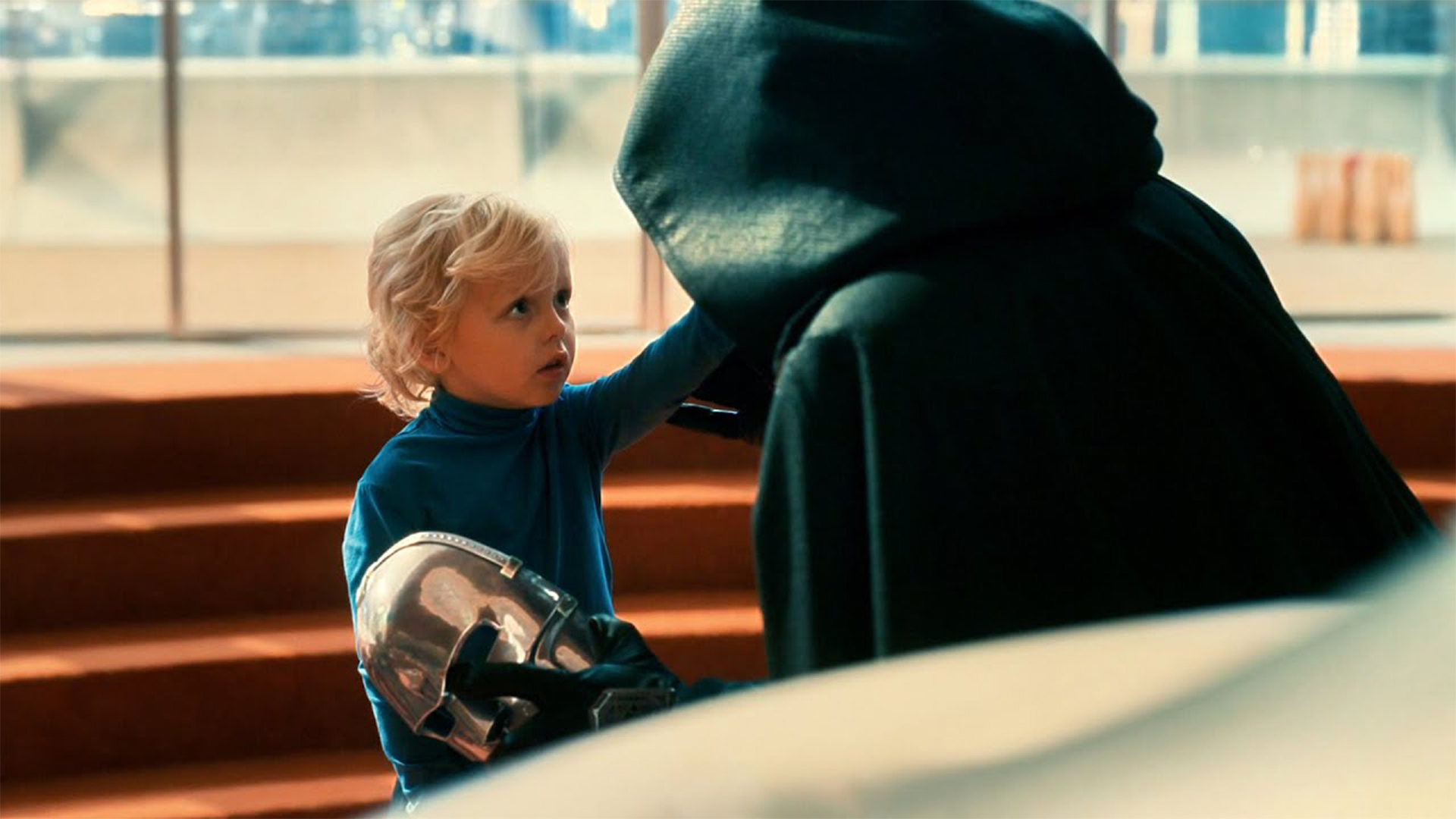
An after credits scene is an extra piece of narrative content, comedic payoff, or teaser footage that plays after a film's primary roll of credits, serving as a reward for attentive viewers and a vital bridge for interconnected cinematic universes.
The modern cinematic landscape has transformed the traditional theatrical exit into a communal event, largely driven by the popularity of the after credits scene. What once stood as a rare comedic Easter egg or a subtle acknowledgment of the crew has evolved into a sophisticated narrative tool. Filmmakers and studios use these micro-sequences to tie up loose plot threads, reward dedicated audiences who sit through the technical credits, and tease future installments within sprawling franchises. Understanding the history, structure, and changing expectations surrounding these sequences reveals how modern viewing habits have shifted in response to serial storytelling models.
Historical Evolution of Bonus Footage and Hidden Endings
The inclusion of bonus sequences after the main action of a motion picture has deeper roots than many contemporary viewers realize. Early examples of extra footage appearing after the start of the credits date back decades, though the practice was initially sparse and experimental. In the 1960s and 1970s, films such as The Silencers (1966) and The Muppet Movie (1979) utilized the tail end of the projection to deliver a final punchline or break the fourth wall. These early iterations were designed primarily to leave audiences smiling as they exited the auditorium, rather than to establish complex narrative continuity.
During the 1980s and 1990s, comedies and action blockbusters adopted the mid-credits or post-credits format to show outtakes, bloopers, or alternative resolutions. Movies like Ferris Bueller's Day Off (1986) featured the title character directly addressing the audience to command them to go home, turning the credits into a final interactive gag. However, the paradigm shifted permanently with the advent of tightly integrated cinematic universes in the late 2000s. Studios realized that holding the audience's attention past the final frame of the feature film provided a powerful marketing channel for upcoming projects, permanently altering how films are structured and consumed.
Narrative Functions and Structural Varieties
Today, studios generally categorize bonus footage into two distinct operational windows: the mid-credits scene and the post-credits scene. Distinguishing between these two formats helps audiences understand the structural pacing of the theatrical release and manage their viewing schedules accordingly.
| Scene Type | Placement Timing | Primary Narrative Purpose | Typical Content Focus |
|---|---|---|---|
| Mid-Credits Scene | During the initial stylized or animated credits | Resolving immediate subplots; delivering major reveals | Character fates, direct sequels, crucial plot twists |
| Post-Credits Scene | After the final black screen and technical text | Comedic relief, thematic closure, distant world-building | Gag reels, alternative perspectives, Easter eggs |
Mid-credits scenes usually carry heavier narrative weight because they appear when the largest percentage of the audience is still seated. Directors often place critical world-building developments or character introductions here to ensure maximum viewership. Conversely, true post-credits scenes—those that play at the absolute end of the scroll—frequently lean toward standalone jokes, self-referential humor, or cryptic teasers that hint at distant future projects without disrupting the emotional resonance of the main film's conclusion.
The Impact of Franchise Culture on Theatrical Etiquette
The ubiquity of the after credits scene has fundamentally altered theatrical etiquette and audience behavior. In previous eras, the house lights would rise immediately as the music swelled, signaling that the entertainment had concluded and prompting an orderly exodus. In the contemporary era, a significant portion of the audience remains in their seats until the projector darkens completely, transforming the movie theater into a holding pattern of speculative discussion.
This shift has created logistical challenges for theater operators and cleaning crews, who must navigate lingering crowds while preparing auditoriums for the next screening schedule. Furthermore, it has influenced how studios negotiate contracts with craftspeople and technical staff. Because more viewers now watch the scrolling names in search of a hidden clip, greater visibility is inadvertently cast upon the hundreds of grips, visual effects artists, and musicians whose labor underpins the production. Despite this, the primary driver remains the fear of missing out on crucial franchise lore, turning a mundane technical requirement into a high-stakes cultural scavenger hunt.
Digital Streaming and the Death of the Theatrical Surprise
While theatrical releases maintain the suspense of the hidden sequence, the rise of subscription streaming services has changed how viewers interact with these bonus elements at home. On streaming platforms, automated user interface elements frequently undermine the surprise. Algorithms often trigger a countdown timer, minimize the film into a small corner window, or automatically launch a completely different title mere seconds after the final scene fades, bypassing the credits entirely.
To combat this, streaming services and digital storefronts have had to adapt their user experience design. Some platforms now incorporate manual toggles or disable automatic skipping when a title features verified post-credits material. Viewers watching at home must often actively override these interface prompts or manually scrub through the timeline to find the hidden footage. This technical friction highlights a fundamental tension between automated binge-watching convenience and the deliberate pacing intended by the filmmakers who encoded the surprise into the structural timeline of the work.
Common Misconceptions and Fan Culture Speculation
The obsession with hidden cinematic stingers has fueled a cottage industry of online speculation, rumor mills, and fan theories. Viewers frequently parse leaked call sheets, trailer background details, and trademark filings months in advance, attempting to deduce whether a specific project will feature a bonus sequence. This hyper-analytical fan culture occasionally creates unrealistic expectations, leading to audience disappointment when a post-credits scene turns out to be a minor comedic vignette rather than a massive universe-shaking revelation.
| Common Myth | Reality in Modern Filmmaking |
|---|---|
| Every blockbuster includes a hidden scene | Many standalone dramas, comedies, and auteur projects deliberately omit them to preserve tonal integrity. |
| Post-credits scenes are filmed during principal photography | Studios frequently shoot, alter, or completely rewrite these scenes during late-stage reshoots right before release. |
| Skipping the credits prevents you from understanding the next movie | Most major narrative developments are recapped or contextualized in the opening acts of subsequent films anyway. |
Understanding these realities helps temper viewing expectations. Not every narrative requires a dangling thread or a masked villain stepping out of the shadows to set up a sequel. Recognizing the artistic choice behind omitting bonus material allows audiences to appreciate films as self-contained artistic statements rather than mere advertisements for future intellectual property.
How to Verify Scene Placement Before Viewing
For viewers attempting to balance a busy schedule, parking meters, or late-night transportation, knowing whether a film features bonus footage before purchasing a ticket has become an essential logistical step. Relying on guesswork can result in wasted time or, conversely, walking out prematurely on a crucial narrative reveal.
- Consult Dedicated Tracking Resources: Utilize established online databases and mobile applications specifically dedicated to cataloging theatrical stingers, such as DoesTheDogDie or After Credits, which crowdsource verification directly from early screenings and press days.
- Check Spoiler-Free Review Outlets: Read early spoiler-free reviews from reputable entertainment journalists who typically include a standardized advisory note indicating whether viewers should remain seated past the initial credit roll.
- Inquire with Theater Staff: Speak briefly with front-of-house personnel or projectionists at local cinemas, as they often receive studio advisories regarding technical runtime specifications and hidden content warnings.
- Monitor Official Social Media Channels: Follow verified studio accounts during opening weekend, where marketing teams frequently post spoiler-free guidance regarding the presence of mid- or post-credits material.
By leveraging these verification methods, moviegoers can make informed decisions about their theatrical exit strategy without ruining the surprise of the content itself. Planning ahead ensures that viewers who wish to participate in the communal cinematic tradition can do so efficiently, while those on tight schedules can depart without anxiety.