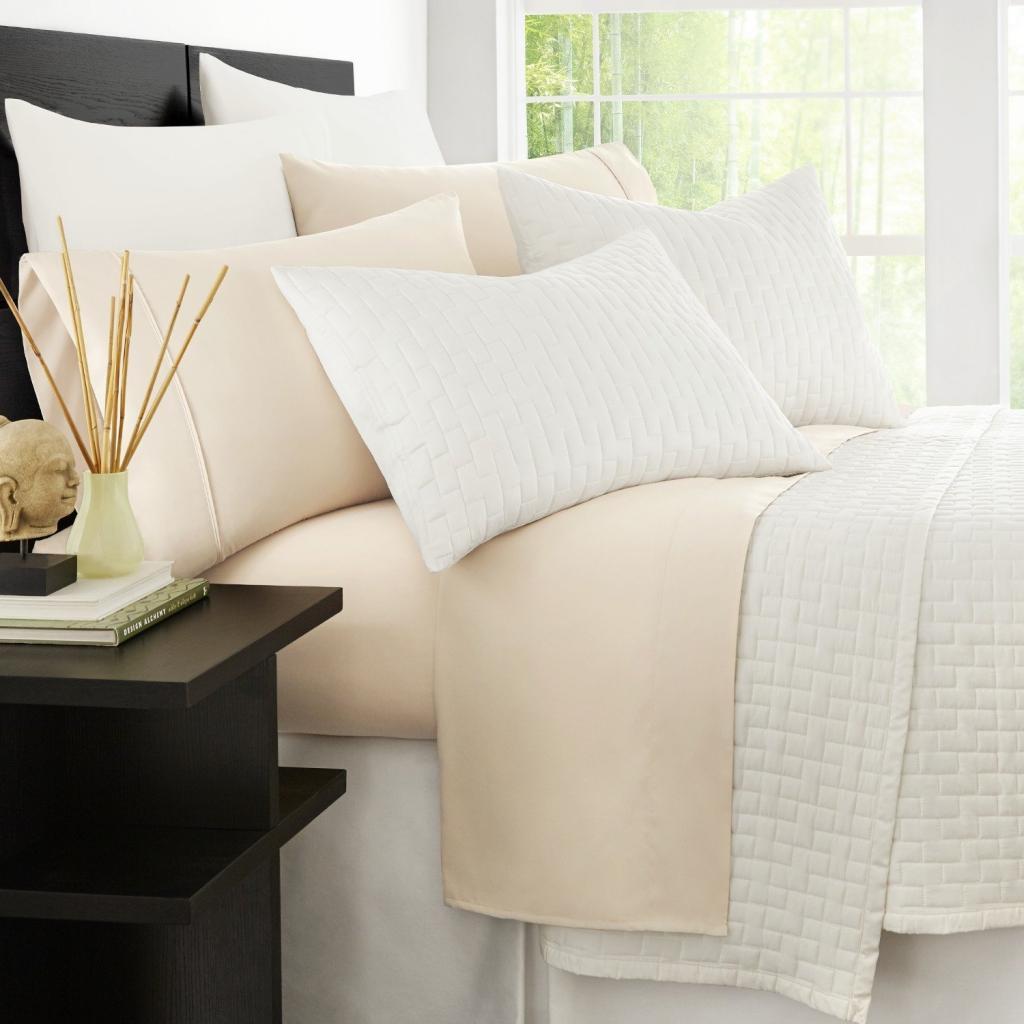
Navigating the market for affordable sheets requires balancing cost with quality, focusing on material composition, thread counts, and weave structures rather than marketing claims. By understanding what budget-friendly textiles can realistically offer and identifying key durability indicators, shoppers can secure comfortable, long-lasting bedding without overspending.
When shopping for budget-friendly bedding, understanding the baseline realities of textile manufacturing prevents disappointment. The bedding industry frequently utilizes high-pressure marketing tactics, such as inflated thread counts or vague luxury descriptors, to distract from lower-grade materials. Affordable sheets can indeed provide exceptional comfort, breathability, and aesthetic appeal, but they operate within specific material boundaries. Knowing how to separate marketing language from structural reality allows you to pinpoint textiles that feel comfortable against the skin, withstand routine laundering, and maintain their structural integrity over time.
Decoding Price Versus Quality in Budget Bedding
The primary challenge in purchasing budget bedding is distinguishing between genuinely cost-effective manufacturing and low-quality production that results in rapid wear and tear. Historically, premium bedding was synonymous with exorbitant price tags tied to long-staple fibers, complex weaving techniques, and imported craftsmanship. Modern textile engineering, however, has democratized many of these processes. Efficient supply chains, standardized spinning technologies, and accessible synthetic or alternative cellulose fibers make it possible to produce durable, soft bedding at a fraction of historical costs.
Yet, a low price tag often reflects compromises in material sourcing, labor practices, or processing chemicals. Extremely cheap sheets—often found in big-box retail clearance bins—frequently utilize short-staple cotton or low-grade polyester that pills, thins, or tears within a few months of use. Conversely, moderately priced sheets often achieve longevity by blending fibers or utilizing efficient, standardized weaves like percale or basic sateen. When evaluating cost, buyers must look beyond the sticker price to calculate the cost-per-use. A twenty-dollar set that lasts two years offers significantly better value than a ten-dollar set that disintegrates after three wash cycles.
Furthermore, price variations are heavily influenced by distribution channels and branding rather than inherent manufacturing costs. Direct-to-consumer bedding brands often eliminate middlemen, retail markups, and traditional showroom costs, passing those savings to the consumer while maintaining decent fabric standards. Understanding this landscape ensures that shoppers do not automatically equate high price with high quality, nor do they assume that every inexpensive option is disposable.
Examining Common Fabrics Used in Affordable Sheets
Fiber composition is the single most critical determinant of how a sheet feels, breathes, and ages. In the affordable tier, consumers generally encounter three primary categories: cotton blends, microfiber, and entry-level natural fibers. Each material possesses distinct performance characteristics that dictate its suitability for different sleepers.
Polyester microfiber dominates the ultra-budget category. Composed of extremely fine synthetic fibers, microfiber is exceptionally soft right out of the package, resists wrinkling, and dries rapidly after washing. Because the fibers are tightly packed, microfiber is also adept at retaining warmth, making it a favorite for cold-weather sleepers. However, synthetic materials lack the natural breathability of plant-based fibers. Microfiber traps body heat and moisture, which can cause night sweats for warm sleepers, and it tends to static charge and attract pet hair.
Cotton blends—typically combining cotton with polyester—attempt to marry the breathability of natural fibers with the durability and wrinkle-resistance of synthetics. These blends are exceptionally common in hospitality and budget-conscious households because they resist shrinking and maintain colorfastness over hundreds of industrial launderings. The tactile experience, however, depends heavily on the blending ratio. Blends heavily weighted toward polyester will feel slicker and trap more heat, while cotton-dominant blends retain a crisper, more natural hand-feel.
Entry-level 100% cotton, usually crafted from short-staple upland cotton, represents the sweet spot for many budget shoppers. While it lacks the buttery drape and silkiness of extra-long-staple Egyptian or Pima cotton, budget-friendly upland cotton offers natural thermoregulation, moisture absorption, and hypo-allergenic properties. It feels crisp and cool against the skin, improving in softness with every wash cycle, though it is more prone to wrinkling and initial shrinkage than its synthetic counterparts.
| Fabric Type | Primary Advantage | Main Disadvantage | Best Suited For |
|---|---|---|---|
| Polyester Microfiber | Inexpensive, wrinkle-resistant, soft initial feel | Traps heat, attracts pet hair, traps static | Cool sleepers, guest rooms, tight budgets |
| Cotton-Polyester Blend | Durable, minimal shrinkage, easy to launder | Less breathable than pure cotton, stiffer hand-feel | High-traffic households, frequent laundering |
| Budget Upland Cotton | Highly breathable, cool to touch, natural fibers | Wrinkles easily, prone to initial shrinkage | Hot sleepers prioritizing natural materials |
| Basic Bamboo Rayon/Viscose | Extremely silky drape, moisture-wicking | Can pill easily, environmentally intensive processing | Sensitive skin, warm sleepers seeking luxury feel |
Understanding Weave Structures and Thread Count Myths
Marketing departments have long relied on exaggerated thread counts to convince consumers that higher numbers automatically mean superior quality. In reality, thread count—the number of horizontal and vertical threads packed into a single square inch of fabric—has strict technical limits. True thread counts above 400 to 500 are often physically impossible unless manufacturers utilize multi-ply yarns, twisting multiple thin threads together and artificially inflating the count to market misleading numbers to uninformed buyers.
Instead of obsessing over inflated thread count numbers, budget shoppers should focus on the weave structure, which dictates how the fabric drapes, breathes, and feels. The two primary weaves utilized in affordable and standard bedding are percale and sateen.
Percale uses a simple one-over, one-under crisscross pattern. This results in a matte finish, a crisp texture, and exceptional breathability. Percale sheets feel cool to the touch and are ideal for individuals who overheat during the night. They are durable and get softer with washing, though they wrinkle easily unless promptly removed from the dryer.
Sateen utilizes a four-over, one-under weave pattern. This structure floats more yarn surface on the top of the fabric, creating a lustrous sheen, a heavier drape, and a silky-smooth hand-feel. Sateen is slightly warmer than percale and resists wrinkling better, making it an attractive choice for those who prefer a cozy, hotel-like texture on a budget. Understanding these weave differences allows shoppers to select the structural performance they desire regardless of what the thread count label claims.
Key Physical Indicators of Durability and Craftsmanship
When inspecting affordable sheets prior to purchase—or evaluating them immediately upon unboxing—certain physical markers reveal whether the product will endure regular use. Because budget manufacturers often cut corners on finishing details, examining construction quality is essential to avoiding premature failure.
The elastic band on the fitted sheet is frequently the first component to fail on inexpensive bedding. High-quality sheets feature thick, continuous elastic stitched securely all the way around the perimeter of the pocket. Flimsy budget sheets often use thin, segmented elastic strands anchored only at the corners, which quickly lose their stretch and cause the sheet to slip off the mattress corners.
Stitching density and seam finishing also provide immediate clues regarding manufacturing standards. Inspect the hems and seams for loose threads, skipped stitches, or raw, un-serged edges that will fray during the first wash. Double-stitched hems and reinforced corner seams indicate that the manufacturer invested adequate time in structural finishing, significantly extending the lifespan of the linen set.
Additionally, buyers must measure their mattress depth before purchasing budget sets. Many affordable sheet packages are cut to fit standard 10-to-12-inch mattresses. If your mattress features a plush pillow-top or a thick memory foam topper measuring 14 to 18 inches deep, standard budget sheets will constantly pop off the corners. Look for labels explicitly noting "deep pockets" and check the exact pocket depth specifications to ensure a secure fit that prevents undue strain on the fabric and seams.
Practical Strategies for Shopping Smart on a Budget
Securing high-value bedding requires a strategic approach that leverages seasonal sales, off-brand retailers, and targeted product research. Rather than impulsively purchasing the cheapest option available online or in-store, smart shoppers can employ several concrete tactics to maximize their purchasing power.
First, time your purchases strategically. Major retail holidays—such as White Sales in January, Memorial Day, Labor Day, and Black Friday—frequently feature deep discounts on bedding across both legacy department stores and direct-to-consumer digital brands. During these promotional windows, mid-tier sheets that normally exceed standard budget parameters often drop into an affordable price bracket.
Second, look past designer labels and celebrity endorsements. Many white-label bedding manufacturers produce identical textiles for multiple brands, applying different packaging and markups. Independent consumer review platforms and textile testing laboratories frequently evaluate budget sheets against luxury benchmarks, identifying affordable options that outperform expensive counterparts in abrasion resistance and colorfastness. Relying on verified performance data rather than brand prestige protects your wallet.
Finally, prioritize proper maintenance to maximize the lifespan of your budget investment. Even the most carefully chosen affordable sheets will degrade prematurely if subjected to harsh laundering practices. Wash your sheets in cool or warm water using mild, liquid detergents rather than harsh chlorine bleaches or heavy optical brighteners that break down cotton and synthetic fibers. Tumble dry on low heat or line dry when possible, as excessive dryer heat degrades elastic bands and weakens cotton fibers over time.
Frequently Asked Questions About Affordable Bedding
Is a high thread count always better when buying cheap sheets?
No. Thread counts exceeding 400 are often the result of multi-ply yarn marketing tricks that artificially inflate the number without improving fabric quality. Focus on fiber content and weave structure rather than high thread count numbers.
Do polyester microfiber sheets trap heat?
Yes. Microfiber is tightly woven from synthetic plastic-derived fibers, making it less breathable than natural fibers like cotton or linen. It retains body heat, which can cause discomfort for warm sleepers.
How can I keep budget fitted sheets from slipping off my mattress?
Always measure your mattress depth before purchasing and verify that the sheet package specifies deep pockets. If your sheets lack sufficient depth, corner sheet suspenders or elastic bands designed to lock fitted sheets in place can prevent slipping.
Are cotton-polyester blends durable enough for daily use?
Yes. Blends combining cotton and polyester offer high durability, resist shrinking, and withstand frequent industrial or home laundering better than 100% budget cotton, making them ideal for high-traffic households.
What is the best way to wash affordable sheets to make them last?
Wash your sheets in cold or warm water on a gentle cycle using mild detergent. Avoid high-heat drying, which degrades elastic bands and weakens fabric fibers, and remove sheets promptly from the dryer to minimize wrinkles.
Can sensitive skin tolerate budget-friendly sheets?
It depends heavily on the fabric composition. Individuals with sensitive skin or allergies typically fare better with 100% natural fibers like cotton or bamboo rayon, whereas synthetic microfiber can sometimes irritate skin prone to heat rashes or static sensitivity.
Smart Selection and Proper Maintenance for Long-Term Value
Maximizing the value of affordable bedding ultimately hinges on intentional selection aligned with your personal sleep physiology and disciplined maintenance habits. By prioritizing breathable natural fibers or high-performance blends, verifying pocket depths for a secure mattress fit, and avoiding the trap of inflated thread count marketing, you can curate a comfortable sleep sanctuary on any budget. Treat your budget linens with care through gentle laundering cycles, and you will enjoy comfortable, durable rest without straining your finances.